كلية الهندسة

المزيد ...

حول كلية الهندسة

أنشئت كلية الهندسة جامعة طرابلس سنة 1961م باسم كلية الدراسات الفنية العليا وذلك ضمن برنامج التعاون العلمي والتقني مع منظمة الأمم المتحدة للتربية والعلوم والثقافة اليونسكو، وكانت بذلك أول كلية هندسية بليبيا، وفي سنة 1967م، انضمت إلى الجامعة الليبية آنذاك تحت اسم كلية الهندسة، وفي سنة 1972م تم تأسيس كلية هندسة النفط التي كونت مع كلية الهندسة وكلية العلوم جامعة طرابلس سنة 1973م، وقد أضيفت سنة 1978م كلية الهندسة النووية والإلكترونية، وفي سنة 1985م تم دمج كلية هندسة النفط مع كلية الهندسة في إطار ربط الكليات والمعاهد العليا بالمراكز البحثية الهندسية، وقد تم دمج الهندسة النووية والإلكترونية مع كلية الهندسة سنة 1988م.

وبقدر ما تمتاز به كلية الهندسة من دور ريادي خلال مسيرتها العلمية هذه فأن دورها يزداد أهمية وذلك تمشياً مع التطور التقني وخاصة في مجالات هندسة الاتصالات والمعلوماتية والمواد الجديدة وتطبيقاتها والطاقة الدائمة والمتجددة والأساليب الحديثة في الإنشاء والعمارة ومالها من تأثيرات بيئية، واستجابة لهذا التطور فأن كلية الهندسة عمدت إلى تغيرات في مناهجها  التعليمية والهيكلية الأكاديمية بأن تطورت من كلية بأربعة أقسام منذ نشأتها حتى أصبحت تجمع عدد ثلاثة عشر قسماً وذلك تلبية لرغبات ومتطلبات المجتمع الليبي ومحققة لأهدافه وتطلعاته في التقدم، وتوافقاً لذلك فأن نظام الدراسة في الكلية تطور من نظام السنة الدراسية إلى نظام الفصل بمقررات فصلية.

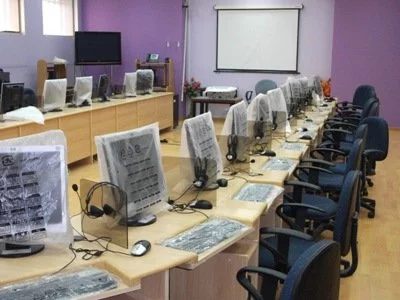
إن التوسع في المجالات الأكاديمية بالكلية يحتاج ولا شك توسعات في المنشآت التي تستوعب الأعداد المتزايدة للطلاب التي وصلت إلى اثني عشر ألفا في السنوات الأخيرة. وهذا التوسع سيشمل إن شاء الله تعالى القاعات والمعامل وغيرها من الإمكانيات والتجهيزات المتطورة من أجهزة حاسوب وأجهزة قياس بحثية.

تتكون الكلية من أقسام: (قسم الهندسة المدنية- قسم الهندسة الميكانيكية والصناعية- قسم الهندسة الكهربائية والإلكترونية- قسم هندسة الحاسب- قسم هندسة العمارة والتخطيط ٌ العمراني- قسم هندسة النفط- قسم الهندسة الكيميائية- قسم الهندسة الجيولوجية- قسم هندسة التعدين- قسم هندسة الطيران- قسم الهندسة البحرية وعمارة السفن- قسم الهندسة النوويةٌ- قسم هندسة المواد والمعادن- قسم الإدارة الهندسية "دراسات عليا فقط").

وتمارس هذه الأقسام مهامها العلمية التخصصية وفق القوانين واللوائح والقرارات ذات العلاقة والتي تشمل في مجملها:

  • الإشراف الأكاديمي على الطلاب المتمثل في التسجيل والتدريس والتقييم.
  • متابعة برامج البحوث والتأليف والترجمة.
  • القيام بإعداد وعقد المؤتمرات والندوات العلمية المتخصصة.
  • إعداد ومراجعة المناهج الدراسية لمواكبة التقدم العلمي واحتياجات المجتمع.
  • تقديم المشورة العلمية التخصصية للمؤسسات الإنتاجية والخدمية بالمجتمع.
  • القيام بالدراسات العلمية والعملية في مجال البحث لحل مشاكل المجتمع ذات العلاقة.
  • المساهمة في وضع الخطط والمقترحات لتسيير العملية التعليمية بالكلية والأقسام.

حقائق حول كلية الهندسة

نفتخر بما نقدمه للمجتمع والعالم

278

المنشورات العلمية

326

هيئة التدريس

9723

الطلبة

558

الخريجون

البرامج الدراسية

بكاليوريوس هندسة الطيران
تخصص هندسة الطيران

...

التفاصيل
بكالوريوس هندسة جيولوجية
تخصص الهندسة الجيولوجية

يحتوي البرنامج الدراسي على 152 وحدة دراسية ...

التفاصيل
الماجستير في الهندسة
تخصص هندسة النفط

يرجع تاريخ تأسيس برنامج الدراسات العليابقسم هندسة النفط إلى الفصل الدراسي ربيع 1992م؛...

التفاصيل

من يعمل بـكلية الهندسة

يوجد بـكلية الهندسة أكثر من 326 عضو هيئة تدريس

staff photo

أ.د. محمد صالح جمعة عون

محمد صالح عون هو احد أعضاء هيئة التدريس بقسم الهندسة الميكانيكية والصناعية بكلية الهندسة. يعمل السيد محمد صالح عون بجامعة طرابلس كـأستاذ منذ مايو 2019 وله العديد من المنشورات العلمية في مجال تخصصه


منشورات مختارة

بعض المنشورات التي تم نشرها في كلية الهندسة

Optimization of Drilling Cost for Oil and Gas Wells by analyzing drilling rate Parameters

Abstract The objective of this study is to formulate a drilling cost model which incorporates the drilling parameters, encountered during drilling operation of the petroleum well. This model is coupled with the selected drilling rate model proposed by Bourgoyne & Young, in order to predict the bit rotating time utilized in this model. The new drilling cost model was formulated using actual drilling data collected from thirteen wells selected in three oil fields in Sirte Basin (Ghani, Zenad, and Ed Dib).The drilling engineer can use drilling correlations in the planning stages of a well to help evaluate various drilling parameters encountered during drilling operations in order to update the proposal drilling plan and to evaluate any deviations from original projections. The gathered information will help selecting the best completion strategies as well as gaining experiences in the drilled area which will be the basis for the planning of future drilling activities in the area.
عزالدين أحمد أحمد (2009)
Publisher's website

Monte Carlo modeling of 6 MV photon beam produced by the elekta precise linear accelerator of Tripoli medical center using beamnrc/dosexyznrc

The 6MV photon beam production by the Elekta Line accelerateur of Tripoli of medical center (TMC) was modeled using Beamnrc and Dosexyzne Monte Carlo codes. The Beamnrc code was used to model the accelerator head and generate phase files. The phase space files were then used as input to the Dosexyzne code to simulate octogenarian deth dose and beam profiles. simulation were first stared using nominal provided by the vendor, a field size of 10x10cm2 and Source to surface distance (SSD) of 100 cm. simulation were compared with experimental data and energy tuning procedures were applied to validate the model. Energy tuning procedures indicated that the nominal energy of 6 MV and a FWHM of the Gaussian distribution of the source of 0.35 cm were the optimal energy and FWHM for the model. The depth of maximum dose at 6 MV was found to be 1.5 cm. The percentage relative differences between calculated and experimental Pdd(s) ranged from 0.5% to 3% for field size of 10cm2 and reached a value of 8% at depths greater than 20cm, The model was later used to calculate PDD(s) and beam profile and output factors for different field size ranging from 3x3cm2 to 25x25cm2. Calculated output factors were in good agreement with experimental values (the percentage relative differences ranged from 1% to 4%). (Author) arabic 42 English 152
Karima Elmasri, Tawfik Giaddui(12-2012)
Publisher's website

Sedimentological and Petrophysical Characterization of Nubian Sandstone; of the Sarir Field, Sirte Basin

Abstract The Nubian Sandstone of Lawer Cretaceous Formation is located in Sarir Oil Field, in the Southeastern Sirte Basin in Libya. After conductiog 300 point counts on 24 thin sections from C4 -65&C3 -65. The deposition environment and diagenesis that affected the variability of porosity and permeability within a given lithologic unit. I found the Nubian Sandstone bodies of Sarir-C-North can also be divided on the basis of grian size and sedimentary structure into type: - 1) medium to coarse- grained sandstone 2) very fine grains sandstone. Association in the former lithologic, the siltstone and silty sandstone are grey and usually laminated; while in the latter they form white-grey or reddish siltstone and shaly siltstone beds, commonly intensively burrowed, and locally contain fragments of coal. A different depositional environment deposited each lithology. The Nubian Sandstone is interpreted to include several lithofacies deposited in fluvial environment. It informal these facies controlled both the primary porosity and diagenetic events. Peterophysical properties of formation under study were determined using different well logs. Porosities are calculated using sonic, neutron, and density logs. It is clear that the primary porosity in (well C3 -65) of formation represents dominant one and the secondary is (well C4- 65) of rare.
ليلي المبروك (2008)
Publisher's website

المجلات العلمية

بعض المجلات العلمية التي تصدر عن كلية الهندسة