كلية الهندسة

المزيد ...

حول كلية الهندسة

أنشئت كلية الهندسة جامعة طرابلس سنة 1961م باسم كلية الدراسات الفنية العليا وذلك ضمن برنامج التعاون العلمي والتقني مع منظمة الأمم المتحدة للتربية والعلوم والثقافة اليونسكو، وكانت بذلك أول كلية هندسية بليبيا، وفي سنة 1967م، انضمت إلى الجامعة الليبية آنذاك تحت اسم كلية الهندسة، وفي سنة 1972م تم تأسيس كلية هندسة النفط التي كونت مع كلية الهندسة وكلية العلوم جامعة طرابلس سنة 1973م، وقد أضيفت سنة 1978م كلية الهندسة النووية والإلكترونية، وفي سنة 1985م تم دمج كلية هندسة النفط مع كلية الهندسة في إطار ربط الكليات والمعاهد العليا بالمراكز البحثية الهندسية، وقد تم دمج الهندسة النووية والإلكترونية مع كلية الهندسة سنة 1988م.

وبقدر ما تمتاز به كلية الهندسة من دور ريادي خلال مسيرتها العلمية هذه فأن دورها يزداد أهمية وذلك تمشياً مع التطور التقني وخاصة في مجالات هندسة الاتصالات والمعلوماتية والمواد الجديدة وتطبيقاتها والطاقة الدائمة والمتجددة والأساليب الحديثة في الإنشاء والعمارة ومالها من تأثيرات بيئية، واستجابة لهذا التطور فأن كلية الهندسة عمدت إلى تغيرات في مناهجها  التعليمية والهيكلية الأكاديمية بأن تطورت من كلية بأربعة أقسام منذ نشأتها حتى أصبحت تجمع عدد ثلاثة عشر قسماً وذلك تلبية لرغبات ومتطلبات المجتمع الليبي ومحققة لأهدافه وتطلعاته في التقدم، وتوافقاً لذلك فأن نظام الدراسة في الكلية تطور من نظام السنة الدراسية إلى نظام الفصل بمقررات فصلية.

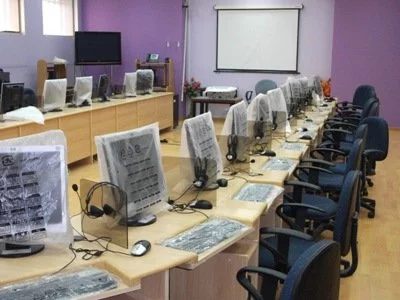
إن التوسع في المجالات الأكاديمية بالكلية يحتاج ولا شك توسعات في المنشآت التي تستوعب الأعداد المتزايدة للطلاب التي وصلت إلى اثني عشر ألفا في السنوات الأخيرة. وهذا التوسع سيشمل إن شاء الله تعالى القاعات والمعامل وغيرها من الإمكانيات والتجهيزات المتطورة من أجهزة حاسوب وأجهزة قياس بحثية.

تتكون الكلية من أقسام: (قسم الهندسة المدنية- قسم الهندسة الميكانيكية والصناعية- قسم الهندسة الكهربائية والإلكترونية- قسم هندسة الحاسب- قسم هندسة العمارة والتخطيط ٌ العمراني- قسم هندسة النفط- قسم الهندسة الكيميائية- قسم الهندسة الجيولوجية- قسم هندسة التعدين- قسم هندسة الطيران- قسم الهندسة البحرية وعمارة السفن- قسم الهندسة النوويةٌ- قسم هندسة المواد والمعادن- قسم الإدارة الهندسية "دراسات عليا فقط").

وتمارس هذه الأقسام مهامها العلمية التخصصية وفق القوانين واللوائح والقرارات ذات العلاقة والتي تشمل في مجملها:

  • الإشراف الأكاديمي على الطلاب المتمثل في التسجيل والتدريس والتقييم.
  • متابعة برامج البحوث والتأليف والترجمة.
  • القيام بإعداد وعقد المؤتمرات والندوات العلمية المتخصصة.
  • إعداد ومراجعة المناهج الدراسية لمواكبة التقدم العلمي واحتياجات المجتمع.
  • تقديم المشورة العلمية التخصصية للمؤسسات الإنتاجية والخدمية بالمجتمع.
  • القيام بالدراسات العلمية والعملية في مجال البحث لحل مشاكل المجتمع ذات العلاقة.
  • المساهمة في وضع الخطط والمقترحات لتسيير العملية التعليمية بالكلية والأقسام.

حقائق حول كلية الهندسة

نفتخر بما نقدمه للمجتمع والعالم

278

المنشورات العلمية

326

هيئة التدريس

9723

الطلبة

558

الخريجون

البرامج الدراسية

بكالوريوس في هندسة التحكم و الأتمتة
تخصص هندسة التحكم و الأتمتة

...

التفاصيل
بكالوريوس هندسة الحاسوب
تخصص هندسة الحاسوب

يمضي الطالب خلال دراسته بالمرحلة الجامعية بالقسم قرابة الثمانية فصول دراسية يتلقى العديد...

التفاصيل
الماجستير
تخصص هندسة التعدين

...

التفاصيل

من يعمل بـكلية الهندسة

يوجد بـكلية الهندسة أكثر من 326 عضو هيئة تدريس

staff photo

د. محمد فوزي عبد الفتاح سليمان

منشورات مختارة

بعض المنشورات التي تم نشرها في كلية الهندسة

Study of the Liquid-Liquid Equilibrium for the System Acetonitrile + Benzene + N-heptane

Abstract This research was an attempt to use the currently available activity coefficient methods with universal sets of parameters to simultaneously predict ternary liquid-liquid equilibrium data. The focus of this research was to calculate phase equilibrium data within fair error using set of Parameters obtained from the above-mentioned models. The significance of this work is to study the liquid-liquid phase equilibrium of the ternary system at several temperatures and to test the capability of the various equilibrium models to correlate these data. A series of liquid-liquid equilibrium measurements were performed by changing the composition of the mixture.The prepared mixtures were placed in the extraction vessel and stirred for 2 h and then left to settle for 4 h. Samples were taken by a syringe from both the upper phase and lower layers. Both phases were analyzed using gas chromatography equipped. Liquid-liquid equilibrium for the ternary system acetonitrile + benzene + n-heptane was measured at 298,313,333 K. The results were used to estimate the interaction parameters between each of the three compounds for the NRTL and UNIQUAC models as a function of temperature. The estimated interaction parameters were successfully used to predict the equilibrium compositions by the two models. The UNIQUAC equation was the most accurate model in correlating the overall equilibrium compositions of the studied system. NRTL models satisfactorily predicted the equilibrium compositions. In each of the mentioned the ternary system, the calculated and experimental data were compared. The root mean square deviation (RMSD) between the observed and calculated mole percent for NRTL, UNIQUAC was 1.44%, 1.35% for acetonitrile + benzene + n-heptane
عماد الدين محمد الزغداني (2014)
Publisher's website

Studying of Naturally Occurring Radioactive Materials (NORM) in Oilfield (A/100) South East of Libya

The huge volume of Naturally Occurring Radioactive Materials (NORM) wastes produced annually by the oil and gas industry in Libya deserves the attention of the national environmental protection authority, radioactive waste management and regulatory bodies. An investigation was carried out to find out the concentration of (NORMs) in evaporation ponds sludge in south eastern oilfield (A/100) of Libya. Twenty soil samples were collected from five evaporation ponds sludge. Activity concentrations of 226Ra, 232Th and 40K in soil generated during oil production operations were determined using a gamma spectroscopy system based on High Purity Germanium (HPGe) detector. Concentrations ranged from 83 to 1000 Bq kg–1 for 226Ra, 59 to 315 Bq kg–1 for 232Th and 109 to 304 Bq kg–1 for 40K. To evaluate the radiological effects, radium equivalent activity and external hazard are calculated. The magnitude of these results demonstrates the need of screening oil residues for their radionuclide content in order to decide about possibility of minimize the environmental impact of NORM and their final disposal. Disposal of NORM waste has to be in accordance with national regulations, environmental policy and international agreements and conventions. The researchers recommend limits for clearance and disposal, based on best international practice. arabic 18 English 82
Usama Elghawi (1-2021)
Publisher's website

Fire spalling behavior of high-strength concrete: A critical review

Building and infrastructure damages, such as tunnels, have become a more important issue because of the continuous expansion of rural and urban constructions. It is well-known that when high-strength concretes (HSCs) are exposed to high temperatures; it is more likely to experience explosive fire-induced spalling than conventional strength concrete. Spalling might result in catastrophic loss of life and damage to nearby critical infrastructure. The exposure of reinforcement bars to elevated temperature, decreased permeability, higher density, moisture transfer, and brittleness of the HSC contribute to spalling. The concrete on a structural member's surface may be violently ripped apart by a high and fast rising temperature during a fire. Despite being a non-combustible material, the physics-chemo-mechanical properties of concrete deteriorate when subject to high temperatures. The magnitude and duration of a fire in a concrete structure define the severity of the fire. The resistance to fire spalling of HSCs under different fire conditions, extremes, and tendencies must be explored urgently. Cementitious materials exhibited a positive impact as an alternative to cement in HSC because they are known as environmentally friendly concrete materials with superior fire-resistant properties. In addition, the inclusion of fibers as an additive reinforcement is adopted to prevent and mitigate fire spalling in HSCs. Therefore, the establishment of appropriate fire-safety measures is a fundamental requirement in building design to ensure the safety of its inhabitants. While the process of fire spalling for HSC during a fire has not yet been completely understood. For this reason, a critical literature study on recent developments in HSC fire-resistance performance should be conducted to determine the present fire spalling behavior of HSC in the event of high temperatures and/or a fire. This article systematically reviews the mechanisms, influential factors, and types of fire spalling. This literature also reviews the behavior, fire spalling modelling, and strategies to prevent spalling in HSC applications. Given the advantages of the research subject, several hotspot research topics for scientific investigations are also suggested to facilitate the widespread use of HSCs in advanced construction applications.
Hakim S. Abdelgader (5-2022)
Publisher's website

المجلات العلمية

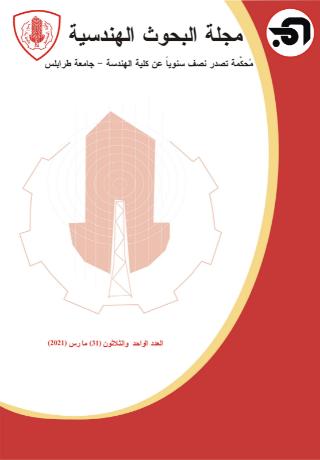
بعض المجلات العلمية التي تصدر عن كلية الهندسة