كلية الهندسة

المزيد ...

حول كلية الهندسة

أنشئت كلية الهندسة جامعة طرابلس سنة 1961م باسم كلية الدراسات الفنية العليا وذلك ضمن برنامج التعاون العلمي والتقني مع منظمة الأمم المتحدة للتربية والعلوم والثقافة اليونسكو، وكانت بذلك أول كلية هندسية بليبيا، وفي سنة 1967م، انضمت إلى الجامعة الليبية آنذاك تحت اسم كلية الهندسة، وفي سنة 1972م تم تأسيس كلية هندسة النفط التي كونت مع كلية الهندسة وكلية العلوم جامعة طرابلس سنة 1973م، وقد أضيفت سنة 1978م كلية الهندسة النووية والإلكترونية، وفي سنة 1985م تم دمج كلية هندسة النفط مع كلية الهندسة في إطار ربط الكليات والمعاهد العليا بالمراكز البحثية الهندسية، وقد تم دمج الهندسة النووية والإلكترونية مع كلية الهندسة سنة 1988م.

وبقدر ما تمتاز به كلية الهندسة من دور ريادي خلال مسيرتها العلمية هذه فأن دورها يزداد أهمية وذلك تمشياً مع التطور التقني وخاصة في مجالات هندسة الاتصالات والمعلوماتية والمواد الجديدة وتطبيقاتها والطاقة الدائمة والمتجددة والأساليب الحديثة في الإنشاء والعمارة ومالها من تأثيرات بيئية، واستجابة لهذا التطور فأن كلية الهندسة عمدت إلى تغيرات في مناهجها  التعليمية والهيكلية الأكاديمية بأن تطورت من كلية بأربعة أقسام منذ نشأتها حتى أصبحت تجمع عدد ثلاثة عشر قسماً وذلك تلبية لرغبات ومتطلبات المجتمع الليبي ومحققة لأهدافه وتطلعاته في التقدم، وتوافقاً لذلك فأن نظام الدراسة في الكلية تطور من نظام السنة الدراسية إلى نظام الفصل بمقررات فصلية.

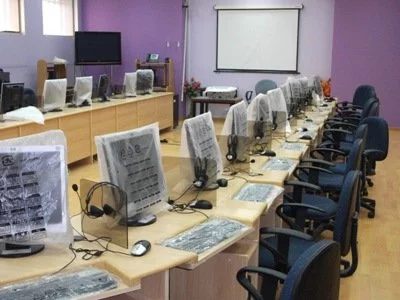
إن التوسع في المجالات الأكاديمية بالكلية يحتاج ولا شك توسعات في المنشآت التي تستوعب الأعداد المتزايدة للطلاب التي وصلت إلى اثني عشر ألفا في السنوات الأخيرة. وهذا التوسع سيشمل إن شاء الله تعالى القاعات والمعامل وغيرها من الإمكانيات والتجهيزات المتطورة من أجهزة حاسوب وأجهزة قياس بحثية.

تتكون الكلية من أقسام: (قسم الهندسة المدنية- قسم الهندسة الميكانيكية والصناعية- قسم الهندسة الكهربائية والإلكترونية- قسم هندسة الحاسب- قسم هندسة العمارة والتخطيط ٌ العمراني- قسم هندسة النفط- قسم الهندسة الكيميائية- قسم الهندسة الجيولوجية- قسم هندسة التعدين- قسم هندسة الطيران- قسم الهندسة البحرية وعمارة السفن- قسم الهندسة النوويةٌ- قسم هندسة المواد والمعادن- قسم الإدارة الهندسية "دراسات عليا فقط").

وتمارس هذه الأقسام مهامها العلمية التخصصية وفق القوانين واللوائح والقرارات ذات العلاقة والتي تشمل في مجملها:

  • الإشراف الأكاديمي على الطلاب المتمثل في التسجيل والتدريس والتقييم.
  • متابعة برامج البحوث والتأليف والترجمة.
  • القيام بإعداد وعقد المؤتمرات والندوات العلمية المتخصصة.
  • إعداد ومراجعة المناهج الدراسية لمواكبة التقدم العلمي واحتياجات المجتمع.
  • تقديم المشورة العلمية التخصصية للمؤسسات الإنتاجية والخدمية بالمجتمع.
  • القيام بالدراسات العلمية والعملية في مجال البحث لحل مشاكل المجتمع ذات العلاقة.
  • المساهمة في وضع الخطط والمقترحات لتسيير العملية التعليمية بالكلية والأقسام.

حقائق حول كلية الهندسة

نفتخر بما نقدمه للمجتمع والعالم

278

المنشورات العلمية

326

هيئة التدريس

9723

الطلبة

558

الخريجون

البرامج الدراسية

الماجستير
تخصص هندسة التعدين

...

التفاصيل
بكالوريوس في هندسة التحكم و الأتمتة
تخصص هندسة التحكم و الأتمتة

...

التفاصيل
ماجستير هندسة جيولوجية
تخصص الهندسة الجيولوجية

...

التفاصيل

من يعمل بـكلية الهندسة

يوجد بـكلية الهندسة أكثر من 326 عضو هيئة تدريس

staff photo

د. سامي إبراهيم أحمد البكباك

سامي البكباك هو احد اعضاء هيئة التدريس بقسم هندسة الحاسوب بكلية الهندسة. يعمل السيد سامي البكباك بجامعة طرابلس كـاستاذ مساعد منذ 1997-09-11 وله العديد من المنشورات العلمية في مجال تخصصه

منشورات مختارة

بعض المنشورات التي تم نشرها في كلية الهندسة

قياس ودراسة حرارة الرصف بشمال ليبيا

بناءً على ما جاء في نتائج برنامج البحث الاستراتيجي للطرق Strategic Highway Research Program (SHRP) والذي تم في امريكا 1994 وهو إعادة النظر في و دراسة كل ما كان يجري من عمليات في تصميم وإنشاء الطرق والذي كان من أهم نتائجه إلغاء التصنيف السابق للمادة الرابطة الإسفلتية والمعتمد على درجة الغرز(Penetration Grades) ودرجة اللزوجة (Viscosity Grades) وأستبدل بتصنيف جديد يعتمد على درجة أداء (Performance Grades) (PG) المادة الرابطة الإسفلتية أثناء الخدمة وعلى الظروف المناخية بالحقل حيث يتم تحديد المادة الرابطة الإسفلتية المناسبة لإنشاء طريق بأي موقع بناءً على درجة حرارة الرصف القصوى والدنيا والتي يتم الحصول عليها بالقياس المباشر أو باستخدام معادلة رياضية تحسب درجة حرارة الرصف بالاعتماد على كل من ( درجة حرارة الهواء و دائرة العرض محل المشروع) لموقع الطريق يأتي هذا البحث للرصد المباشر لكل من ( درجة حرارة الرصف ودرجة حرارة الهواء وكمية الإشعاع الشمسي ) من خلال تنفيذ محطة رصد لهذا الغرض بشمال غرب ليبيا ضمن برنامج شامل يغطي جميع اقاليم ليبيا المختلفة وذلك للحصول على درجة الرصف القصوى والدنيا بموقع المحطة وقد انتج الباحث عدد من النماذج الرياضية ( معادلات ) تمثل العلاقة بين درجة حرارة الرصف وكل من درجة حرارة الهواء وكمية الإشعاع الشمسي وإنتخاب أفضل هذه النماذج لتكون نماذج محلية يمكن إستخدامها لتوقع درجة حرارة الرصف بجميع مناطق شمال غرب ليبيا ومقارنة النماذج المحلية بالنماذج المستخدمة بنظام الرصف الممتاز (Superpave) ونموذج برنامج (LTPP) وهو إختصار ل ((Long Term Pavement Performance فكانت النتيجة إنَّ النماذج المنتجه بهذه الدراسة أكثر ملائمة لتقدير درجة حرارة الرصف بشمال غرب ليبيا من النموذجين المذكورين وبالإعتماد على درجة حرارة الرصف القصوى والدنيا المتحصل عليها بالرصد المباشر بمحطة الرصد تم تحديد المادة الرابطة الإسفلتية المناسب استخدامها بالطرق بموقع المحطة وبشمال غرب ليبيا وفقاً لنظام الأداء (Performance Grades) . Abstract According to the results of the strategic highway research program in the U.S.A. (SHRP) Known as Superpave System ,that has been introduced in the nineties of last century The previous methods that still used for mix design and selection of binder use in our country proved to be not suitable and replaced with modern methods that depends on the performance of the binder according to the climate of the area According to the new procedure the selection of the binder depends on the maximum and minimum pavement temperature. The required pavement temperature could be measured actually or estimated by using a special mathematical model. Considering that asphalt pavements in Libya suffers from many distresses, much of them related to the environmental factors .Hence it was necessary to investigate the applicability of the models developed for this method to Libya’s environmental conditions and more generally to the hot arid climate. This research is part of a Comprehensive study aims to develop models to predict high and low Flexible pavement temperatures in Libya. A pavement monitoring station was set-up at the North West of Libya to monitor air, pavement temperatures and solar radiation. The temperatures were recorded at different points through the pavement depth. Collected data were analyzed to develop the low and high temperature models by using air temperature and solar radiation as independent variables. The developed models were compared with the SHRP and LTPP models. The Local models were found to be more suitable than the SHRP and LTPP models for predicting pavement temperatures in the Northern west part of Libya.
أحمد حسن المختار (2008)
Publisher's website

استخدام تقنيات المواصلات في تحسين التشغيل لمنظومة النقل البري في مدينة طرابلس

Abstract Fire is one of the greatest risks for every building and particularly for high-rise buildings. Usually, a building fire causes not only hazard to the occupants in a floor, but also a possible threat to the occupants in other floors and in particular to those located at upper storeys, with rising temperature and with killer smoke. Fire simulation can be performed using software packages designed for such a task. The fire simulation can often include aspects of hazard identification, fire growth and smoke movement, egress assessment, structural fire performance, sprinkler and fire detection system design, and smoke management system specification.The present thesis examines the up-to-date technologies available within the context of fire engineering simulation. This work gives an overview of available software packages that are used today in fire engineering simulation. It presents the procedure of fire simulation inside a high-rise building by using an advanced computer program named the Consolidated Model of Fire Growth and Smoke Transport ) CFAST for short. The CFAST program simulates fire action by calculating fire gases, the evolving distribution of smoke and temperature throughout a building during fire. This computer program is based on solving a set of equations that predict the state variables such as pressure and temperature. These equations are derived from the conservation equations for energy mass and the ideal gas law. It is important to know that the resulting errors, which might result, does not come from these equations, but rather they come from numerical analysis representation of the equations or from the simplifying assumption.
خالد عبد الونيس السكوري (2010)
Publisher's website

Petrophysical Study of the Nubian Sandstones in Concession 59D, E. Sirt Basin, Libya

Abstract The Nubian Sandstone Formation is a significant hydrocarbon reservoir in the Concession 59D, Eastern Sirt Basin, Libya. This formation is underlain uncomfortably by granitic basement and/or by the Hercynian unconformity and overlain uncomfortably by Pre-Upper Cretaceous followed by an Early Upper Cretaceous Transition beds. The Nubian formation is a thick sequence comprises mainly of sandstone, siltstone and shale.The Nubian Formation in this area has been subdivided into three stratigraphic members; namely Lower Sandstone, Middle Shale and Upper Sandstone (main reservoir well be focus of this study).The Upper Sandstone is the upper most subdivision of the Nubian Sandstone sequence consists mainly of white, grey to brown sandstones, ranging from fine to medium, locally coarse grained, moderately cemented with straight to concavo convex or slightly sutured grain contacts. This reservoir is a complex of fluvial sands deposited in Braided and Meandering streams.The reservoir fluids are very rich retrograde condensate gas and waxy oil with pressure at slightly above the saturation pressure. Most of this hydrocarbon in this reservoir has been sourced from the Nubian Middle Shale Member, but the Upper Cretaceous shale and Evaporates belonging to the Transition beds sequence have a significant potential source. The trapping mechanism in the field is a combined structural and stratigraphic trap for the Nubian Sandstone with the southern closure against the tight Nubian facies and basement of the Gialo High. Reservoir properties across the North Gialo Study Area vary in terms of porosity, permeability fluid saturation. These variations are indicated through the porosity, permeability and saturation maps and charts based on well log analysis and lab core sample measurements. These properties are discussed in the reservoir characterization part of this thesis.
عواطف عبد الله بودربالة (2012)
Publisher's website

المجلات العلمية

بعض المجلات العلمية التي تصدر عن كلية الهندسة