faculty of Engineering

More ...

About faculty of Engineering

Faculty of Engineering

The Faculty of Engineering, University of Tripoli, was established in 1961 in the name of the “Faculty of Higher Technical Studies” within the program of scientific and technical cooperation with the United Nations Educational, Scientific and Cultural Organization UNESCO. Thus, this makes it the first engineering college in Libya. In 1967, it was included to the University of Libya under the name of the Faculty of Engineering. In 1972, the Faculty of Petroleum Engineering established. However, it then was then included to the Faculty of Engineering, and elements from the Faculty of Science, University of Tripoli in 1973. In 1978, the Faculty of Nuclear and Electronic Engineering was created. In 1985 the Faculty of Petroleum Engineering was merged with the Faculty of Engineering within the framework of linking the colleges and higher institutes with engineering research centers. The Faculty of Nuclear and Electronic Engineering was then added to the Faculty of Engineering in 1988.


The Faculty of Engineering has a pioneering role in the scientific career, its role is increasing significantly in line with the technical development, especially in the fields of communication and informatics engineering. In addition, it also following new developments with their applications in the engineering sector, along with permanent and renewable energy, modern methods of construction and architecture and their environmental impacts. In response to this development, the Faculty of Engineering undertook changes in its educational curricula and academic structure by growing from a faculty with four departments since its inception to become a group of thirteen departments in order to meet the desires and requirements of the Libyan society and to achieve its goals and aspirations for progress. Accordingly, the study system in the Faculty has evolved from the academic year system to term-based system.


The expansion of the academic fields in the Faculty undoubtedly requires expansions in the facilities that accommodate the increasing numbers of students which have reached twelve thousand in recent years. This development will include halls, laboratories and other advanced capabilities and equipment, including computers and research measuring devices.


The Faculties consists of the following departments: Department of Civil Engineering - Department of Mechanical and Industrial Engineering - Department of Electrical and Electronic Engineering - Department of Computer Engineering - Department of Architecture and Urban Planning - Department of Petroleum Engineering - Department of Chemical Engineering - Department of Geological Engineering - Department of Mining Engineering - Department of Aeronautical Engineering - Department of Naval Engineering and Ship Architecture - Department of Nuclear Engineering - Department of Materials and Mineral Engineering - Department of Engineering Management "Postgraduate studies".


These departments carry out their specialized scientific tasks in accordance with the relevant laws, regulations and decisions, which include in their entirety:


-          Academic supervision of students in terms of registration, teaching and evaluation.

-          Follow-up of research, authoring and translation programs.

-          Preparing and holding specialized scientific conferences and seminars.

-          Preparing and reviewing academic curricula to keep pace with scientific progress and the needs of society.

-          Providing specialized scientific advice to productive and service institutions in society.

-          Conducting scientific and practical studies in the field of research to solve relevant community problems.

-          Contributing to developing plans and proposals for managing the educational process in the Faculty and departments.

Facts about faculty of Engineering

We are proud of what we offer to the world and the community

278

Publications

326

Academic Staff

9723

Students

558

Graduates

Programs

Major

...

Details
Major

...

Details
Major

...

Details

Who works at the faculty of Engineering

faculty of Engineering has more than 326 academic staff members

staff photo

Prof.Dr. Salem Abdulsalam Emhemed Farhat

سالم فرحات هو احد اعضاء هيئة التدريس بقسم الهندسة الميكانيكية والصناعية بكلية الهندسة. يعمل السيد سالم فرحات بجامعة طرابلس أستاذ منذ 2017-03-20 وله العديد من المنشورات العلمية في مجال تخصصه
Publications

Some of publications in faculty of Engineering

Performance Evaluation of VoIP over Wireless Local Area Network

Abstract Wireless local area networks (WLANs) have been rapidly developed in recent years. It is used for various applications. VoWLAN, which transmits VoIP data over WLANs, shows its amazing attraction and constitutes one of the most flourishing applications nowadays in WLANs. One of Wireless Local Area Networks (WLAN) main drawbacks, when compared to wired networks, is that WLANs are less predictable and efficient. Wireless physical medium is harder to be controlled than physical wire. WLAN medium is also unlicensed, and thus susceptible to interferences produced by other devices. Therefore, great effort is being done in order to obtain Quality of Service (QoS) in real-time voice communications using WLANs. This topic has opened plenty of new research lines to upgrade current WLAN standards. In this thesis, a study is carried out for the behavior of new Medium Access Control (MAC) protocols defined in IEEE 802.11e draft standard Enhanced Distributed coordination function EDCF as well as for its subsequent modified versions. The Adaptive Enhanced Distributed coordination function AEDCF, designed to support QoS when providing voice communication services between stations in WLAN. Also presents experimental results obtained from simulations, and compare our results with simulations made using IEEE 802.11 standard MAC. The simulation work was done using NS-2 simulator, with the addition of specific modules for 802.11e. A performance comparison is carried out between the modified MAC scheme and IEEE standard MAC scheme, using Experimental simulation models. It is found that the adaptive technique method not only increases the medium utilization ratio and lowers the collision rate by more than 50%, but also enhances vii the overall throughput by around 20% compared with the basic IEEE 802.11DCF technique.
حسين ابراهيم ازويه (2010)
Publisher's website

نحو تقليل الاختناقات المرورية في مدينة طرابلس

وجود ازدحام واختناقات مرورية شديدة وخاصة عند مواقع الإشارات الضوئية وجزر الدوران وذلك بتكرار الحاجة إلي الوقوف عند كل إشارة ضوئية مما يجعل المرور مزعج بالنسبة للسائقين. هناك مزج في الوظيفة فبعض أجزاء أو مقاطع من الطريق تخدم عدة وظائف فيما بين سكنية وخدمية وتجارية وصناعية وإدارية وتعليمية.هناك نقص في الاهتمام بالإشارات المرورية والعلامات الثابتة والأرضية وكذلك تطويرها .من خلال دراسة الإشارات الضوئية للتقاطعات الرئيسية نرى أن التوقيت الإشاري مناسب وخاصة في الوضع الحالي إلا أن المشكلة الخاصة بالإزدحام والتوقف المتكرر ماتزال موجودة بل متزايدة ، وخاصة أن هناك أكثر من وقت ذروة في اليوم ويمكن أن يرجع ذلك إلى سبب أخر يتعلق بسلوكيات الناس وهو عدم الإلتزام بأوقات الدوام الرسمي للعمل . قلة الوعي والانضباطية لدى السائقين بالقوانين واللوائح المرورية والإشارات المعدنية والأرضية والسير بدون إعتبار لأي لوائح أو قوانين مرورية وخاصة في حالة عدم وجود رجل المرور الذي يقع عليه العبء الأكبر في تنظيم السير ، كما نلاحظ قلة الإلتزام بالإشارات الضوئية في بعض الأحيان بالرغم من أنها الوسيلة الأساسية والمعروفة للتحكم بالسير عند التقاطعات بل بالعكس من ذلك نرى أن البعض يزيد من سرعته عند الإشارة الضوئية مما يسبب بوقوع الحوادث الأليمة ومن هنا نرى ضرورة تطوير أنظمة التحكم والمراقبة على الطرقات وتحديد المركبات المخالفة بدقة ووضع قوانين وأنظمة صارمة للحد من المخالفات المرورية والإلتزام بالسرعات المحددة . نلاحظ وجود إختلاف في أبعاد الطريق في شارع الجمهورية من قطاع إلى أخر وخاصة في عرض الحارات ونرى ذلك بشكل واضح في القطاع الرابع تحديدا″والذي يحتوي على أعلى عدد من المراكز الإدارية والخدمية والتجارية واستخدام الحارة اليمنى لوقوف المركبات مما يعرقل حركة السير في هذا القطاع وبالذات بالقرب من جزيرة القدس ، وعليه نرى إن التكدس المروري في هذه المنطقة بسبب عدة عوامل منها عوامل هندسية فنية ومنها عوامل تنظيمية وتنسيقية خاصة بتصنيف المنطقة .نلاحظ أن هناك مواقف موجودة وغير مستغلة جيدا″، وذلك لعدم رغبة السائقين في إيقاف المركبات بعيدا″عن الأماكن التي يرتادونها ، وكما نلاحظ إن المنطقة مختلطة في التصنيف وعدم تهيئتها لإستيعاب أعداد كبيرة من المركبات ومما يزيد الوضع سوءا″هو سلوكيات المواطنين وعدم الرغبة في السير على الأقدام ولو لمسافات قصيرة. الاستخدام الكبير للمركبات الخاصة حتي في الرحلات القصيرة مما يؤدي إلي الازدحام وزيادة استهلاك الوقود والطاقة وهذا يؤدي إلي تلوث البيئة.في شارع قرقارش نلاحظ وجود إختلاف في أبعاد الطريق من قطاع إلى أخر وخاصة في عرض الحارات فافي القطاع الأول عرض الحارة 4 متر تم في القطاع الثاني ، 3.30 متر امافي القطاع الثالث والرابع 3.50متر ، كذلك وجود اختلاف في عرض الفاصل الوسطي ففي القطاع الأول 1.90 متر تم ينعدم نهائيا ، أما في القطاع الثاني عرض الفاصل الوسطي 70 سم ثم يصبح في القطاع الثالث 1.70 ثم يقل مرة اخرى في القطاع الرابع إلي 88سم ، وهذا يعني عدم مطابقة المعايير والمواصفات الهندسية لعرض الحارة والجزيرة الوسطى الفاصلة للحركة.عدم توفر إشارات خاصة بالمشاة وجسور عبور مشاة ،والرصيف يستخدم لأغراض اخرى كعرض السلع ووقوف المركبات وكذلك لتجمع بعض الشباب علي الرصيف مسببين في عرقلة لحركة المشاة ،كذلك حالة الرصيف غير جيدة ويحتاج إلي صيانة في بعض الأماكن .زمن التأخير غير مقبول يجب دراسة مسببات هذا التأخير بدقة.عدم توافر مواقف للمركبات وخاصة للمحلات التجارية المختلفة ويرجع إلى عدم التخطيط المسبق لهذه المحلات وإلى عدم ملائمتها وانسجامها مع الظروف التشغيلية للطريق, نلاحظ كذلك الوقوف الغير مناسب على الطرقات وإغلاقها من بعض السائقين مثل الوقوف أمام المحلات و الأسواق و حتى المساجد  لغرض الصلاة متسببين في عرقلة للحركة المرورية. لوحظ قيام بعض الشباب بقيادة المركبات دون أن تكون لديهم الخبرة والمهارة الكافية في أنظمة وقواعد المرور مما يسبب في الإرباك للآخرين وكذلك استخدامهم للطريق دون أي هدف أو مقصد وبروز التصرفات الغير مسئولة والهويات الخطيرة مما يسبب في ترويع الآخرين وإرباك في حركة المرور .عدم الاهتمام بصرف المياه ، ففي فصل الشتاء تصبح الشوارع منطقة لتجمع الأمطار، هذه المياه تتسبب في حصول الكثير من الحوادث المرورية الخطيرة نتيجة للوقوع في الحفر المطمورة بالماء أو حتى تعطل المركبات في مستنقعات المياه بعد هطول المطر مما يسبب في عرقلة حركة المرور.الازدحام المروري يساهم في تلوث الهواء وتزداد أخطار تلوث الهواء كلما زاد احتراق الوقود في المناطق التي تزداد فيها الكثافة السكانية.ضعف خدمات وسائل النقل العام ومركبات الاجرة وعدم توفر مواقف ومحطات خاصة بهم مما أدى إلي عدم استخدامهم , فنظام النقل العام القائم بمدينة طرابلس يعاني من عدد من المشاكل تحول بينه وبين تأديته لدوره على الوجه المطلوب، وقد تم في هذه البحث التعرف على عدد من هذه المشاكل والتي يجب أخذها بالاعتبار عند تصميم أي نظام نقل عام جديد في المدينة، إذ إن الاهتمام بقطاع النقل العام له دور كبير في تخفيف الاختناق المروري وسد الاحتياجات الفعلية لمدينة طرابلس بسبب الطاقة الاستيعابية للحافلات وهذا بدوره يؤدي إلى تقليل التلوث وتقليل الهذر بالطاقة.أن معدل النمو الذي تشهده المدينة ومعدل ملكيات المركبات في المدينة يؤكد عدم تمكن نظام النقل الحالي في توفير احتياجات التنقل المتوقعة مستقبلاً.في كثير من الأحيان مركبات القمامة تقوم بأعمال النظافة في فترة الذروة متسببة في كثير من الأحيان في الاختناقات المرورية ،ومن المفترض أن تقوم بعملها في الفترة الليلية والصباح الباكر. وجود أغلب المصالح الحكومية داخل مركز المدينة يشكل عبئا و ثقلا إضافيا يزيد من حركة المركبات وازدحامها.ضعف المتابعة للطريق بعد الإنشاء للتأكد من تأديته لوظيفته بصورة آمنة ومريحة واقتصادية ، فالصيانة والمتابعة المستمرة للطريق من خلال تطبيق الأنظمة الحديثة لإدارة الصيانة تساعد بشكل كبير في الحد من الازدحام وسوء التشغيل والتقليل من حدتها.
غادة ميلود القمودي (2011)
Publisher's website

Analysis of Grid Structures

Abstract Today computers play an integral part in the analysis and design of civil engineering structures. Hand calculation is limited to simple structures, and initial member sizing (either during the preliminary design or prior to computer analysis). The matrix theory of structural analysis first began appearing in the early 1950s. Since that time, the engineers were not familiar with this new concept, hence a relationship between the matrix structural analysis, and the classical methods arise but the structural engineers as designers still follow the classical methods of solution such as, Hardy Cross moment distribution, Kani's method and deflection distribution ,method (D. D method) , etc. Structures that were too complicated to solve by classical calculations can now be handled with comparative ease when using computers. The analysis of complicated systems, such as highly indeterminate structures like space structures, grids-shells, etc. often could be handled by making many simplifying assumptions, to such extent, that in many cases the validity of the results had to be questioned. The use of computer techniques has broadened the scope of what the engineer can now handle in a reasonable time, and at a reasonable cost. Structures such as canopies, floor systems, and bridge deck systems. Are known as Grid structures. The members of a grid structure in general are subject to torsion as well as to shear and bending. Since the external loads are normal to the plane of the structure, the axial deformations are negligible. Consequently, a free joint in a grid is subject to a linear displacement perpendicular to the plane of the structure and to a rotation in the plane of the structure. It must be realized that the; use of so called matrix algebra methods and principles and methods of analysis, systematic matrix techniques have been now developed into recognized methods.
عمر على عودة (2009)
Publisher's website

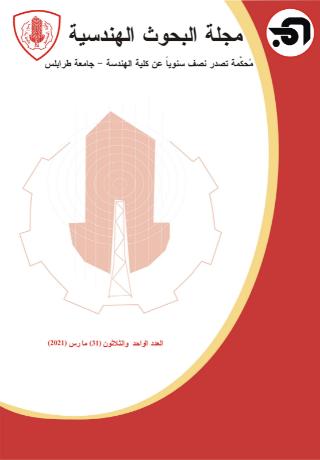
Journals

Journals published by faculty of Engineering

faculty of Engineering in photos

faculty of Engineering Albums