كلية الهندسة

المزيد ...

حول كلية الهندسة

أنشئت كلية الهندسة جامعة طرابلس سنة 1961م باسم كلية الدراسات الفنية العليا وذلك ضمن برنامج التعاون العلمي والتقني مع منظمة الأمم المتحدة للتربية والعلوم والثقافة اليونسكو، وكانت بذلك أول كلية هندسية بليبيا، وفي سنة 1967م، انضمت إلى الجامعة الليبية آنذاك تحت اسم كلية الهندسة، وفي سنة 1972م تم تأسيس كلية هندسة النفط التي كونت مع كلية الهندسة وكلية العلوم جامعة طرابلس سنة 1973م، وقد أضيفت سنة 1978م كلية الهندسة النووية والإلكترونية، وفي سنة 1985م تم دمج كلية هندسة النفط مع كلية الهندسة في إطار ربط الكليات والمعاهد العليا بالمراكز البحثية الهندسية، وقد تم دمج الهندسة النووية والإلكترونية مع كلية الهندسة سنة 1988م.

وبقدر ما تمتاز به كلية الهندسة من دور ريادي خلال مسيرتها العلمية هذه فأن دورها يزداد أهمية وذلك تمشياً مع التطور التقني وخاصة في مجالات هندسة الاتصالات والمعلوماتية والمواد الجديدة وتطبيقاتها والطاقة الدائمة والمتجددة والأساليب الحديثة في الإنشاء والعمارة ومالها من تأثيرات بيئية، واستجابة لهذا التطور فأن كلية الهندسة عمدت إلى تغيرات في مناهجها  التعليمية والهيكلية الأكاديمية بأن تطورت من كلية بأربعة أقسام منذ نشأتها حتى أصبحت تجمع عدد ثلاثة عشر قسماً وذلك تلبية لرغبات ومتطلبات المجتمع الليبي ومحققة لأهدافه وتطلعاته في التقدم، وتوافقاً لذلك فأن نظام الدراسة في الكلية تطور من نظام السنة الدراسية إلى نظام الفصل بمقررات فصلية.

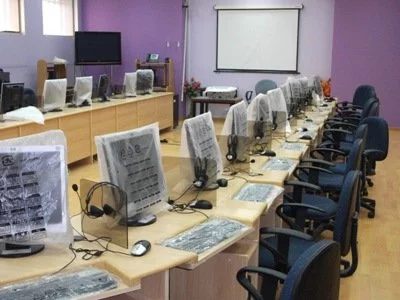
إن التوسع في المجالات الأكاديمية بالكلية يحتاج ولا شك توسعات في المنشآت التي تستوعب الأعداد المتزايدة للطلاب التي وصلت إلى اثني عشر ألفا في السنوات الأخيرة. وهذا التوسع سيشمل إن شاء الله تعالى القاعات والمعامل وغيرها من الإمكانيات والتجهيزات المتطورة من أجهزة حاسوب وأجهزة قياس بحثية.

تتكون الكلية من أقسام: (قسم الهندسة المدنية- قسم الهندسة الميكانيكية والصناعية- قسم الهندسة الكهربائية والإلكترونية- قسم هندسة الحاسب- قسم هندسة العمارة والتخطيط ٌ العمراني- قسم هندسة النفط- قسم الهندسة الكيميائية- قسم الهندسة الجيولوجية- قسم هندسة التعدين- قسم هندسة الطيران- قسم الهندسة البحرية وعمارة السفن- قسم الهندسة النوويةٌ- قسم هندسة المواد والمعادن- قسم الإدارة الهندسية "دراسات عليا فقط").

وتمارس هذه الأقسام مهامها العلمية التخصصية وفق القوانين واللوائح والقرارات ذات العلاقة والتي تشمل في مجملها:

  • الإشراف الأكاديمي على الطلاب المتمثل في التسجيل والتدريس والتقييم.
  • متابعة برامج البحوث والتأليف والترجمة.
  • القيام بإعداد وعقد المؤتمرات والندوات العلمية المتخصصة.
  • إعداد ومراجعة المناهج الدراسية لمواكبة التقدم العلمي واحتياجات المجتمع.
  • تقديم المشورة العلمية التخصصية للمؤسسات الإنتاجية والخدمية بالمجتمع.
  • القيام بالدراسات العلمية والعملية في مجال البحث لحل مشاكل المجتمع ذات العلاقة.
  • المساهمة في وضع الخطط والمقترحات لتسيير العملية التعليمية بالكلية والأقسام.

حقائق حول كلية الهندسة

نفتخر بما نقدمه للمجتمع والعالم

278

المنشورات العلمية

326

هيئة التدريس

9723

الطلبة

558

الخريجون

البرامج الدراسية

الماجستير
تخصص هندسة التعدين

...

التفاصيل
ماجستير هندسة حاسوب
تخصص هندسة الحاسوب

...

التفاصيل
بكالوريوس هندسة جيولوجية
تخصص الهندسة الجيولوجية

يحتوي البرنامج الدراسي على 152 وحدة دراسية ...

التفاصيل

من يعمل بـكلية الهندسة

يوجد بـكلية الهندسة أكثر من 326 عضو هيئة تدريس

staff photo

أ. أحمد عبدالسلام محمد المخلوفي

التعليم والمؤهلات:
• بكالوريوس الهندسة من كلية الهندسة – جامعة طرابلس.
• ماجستير الهندسة من كلية الهندسة – جامعة طرابلس.

البحوث المنشورة:

1. “The development of engineering education to meet the needs of the community”, Saleh R. Gashoot and Ahmad A. Al-Makhloufi, Third forum on engineering education, Building partnership with government, industry and society, Sharjah, United Arab Emirates, 14-15 October 2003. [In Arabic Language].
2. “Studying the effect of the shape on the performance of the Darrieus rotor”, Ali M. Elmabrok and Ahmad A. Al-Makhlufi, World renewable energy and environment conference (2006 Tripoli-Libya)
3. “Evaluation of Fuzzy Model Reference Learning Control for Yaw angle control”, Ahmad A. Makhlufi, Abdulhamid A. Ghmmam, and ATahir EL Hashan, International ICASAT2007 conference, Tripoli-Libya, Apr. 2007.
4. “Buckling of plates on a foundation with different types of sides support”, Dr. Ali N. Suri, Ahmad A. Al-Makhlufi, ICMAE 2013: International Conference on Mechanical and Aerospace Engineering, Bangkok, Thailand, December, 24-25, 2013.
5. “Local buckling of web-core and foam-core sandwich panels”, Dr. Ali N. Suri, Ahmad A. Al-Makhlufi, ICAMAME 2014: XII International Conference on Aerospace, Mechanical, Automotive and Materials Engineering, Dubai, UAE, April, 8-9, 2014.
6. “Aircraft Motion Simulation in Time Domain- A Useful Tool in Flight Mechanics”, Abdulhamid A. Ghmmam and Ahmed A. Makhlufi, ICEER2014-McMaster; International Conference on Engineering Education and Research, Hamilton, Canada, August 24-26, 2014.
7. Abdulhamid A. Ghmmam, Saad E. Issa and Ahmed A. Makhlufi, “Training Aircraft Design and Development Program: Towards Technology Transfer”, International Conference on Mechanical and Aerospace Engineering; ICMAE 2017, Toronto, Canada, May 29-30, 2017.

منشورات مختارة

بعض المنشورات التي تم نشرها في كلية الهندسة

Experimental and Theoretical Assessment of Fuel Production from Waste Plastics

Abstract Recently more than 150 million tonnes of plastics were produced in the world. On the one hand, the consumption and production of polymers are increasing, on the other hand as landfill and incineration become more expensive and less accepted .The increasing amount of polymer wastes from them generates further mainly environmental problems. The recycling of plastic wastes is gaining increasing importance. Pyrolysis is one promising method for the treatment of mixed and contaminated plastic wastes. In this way the plastic wastes are converted into fuels or other valuable feedstock for the petrochemical industry. In present work catalytic cracking of waste plastics blend with HGO [Libyan gas oil supplied by the Zawia Oil Refinery Company boils in the range of 275-375Cº] was investigated using H-ZSM5and H-BETA. Reaction systems that were studied included high density polyethylene HDPE and polypropylene blend with HGO, reactions were carried out in one litre micro autoclave reactor under different conditions of weight, temperature and type of catalyst, The optimum conditions were 2.5% catalyst by weight of total feed stock, one hour, atmospheric presser and three temperatures selected 400Cº, 425Cº and 450Cº. The product distribution for the system [plastics and HGO] provided some good results high yield of liquid [gasoline] up to 210Cº, gases and small amount of heavy oils. Some analysis was used to qualify and quantify the product. The results from GC.MS analysis showed that the yield of gasoline (c5-c12) over H-ZSM5 higher than H-BETA. In case of 5%PP, 15%HDPE and 80%HGO over H-ZSM5 at 450Cº, 96% total conversion achieved. The result from TGA in the same case is 15% by weight. Also the theoretical calculations to quantify the produced gases after burring of waste plastic in rotary kiln reactor have been evaluated. it is found that the suitable ratio of CO:H2 to produce methanol is 7:1
بسمة محمود التونسي (2010)
Publisher's website

Potential Saving For Steam Boilers Based On The Impact Of Most Affecting Factors: A Case Study

This paper presents valuable potential savings from fuel and financial expenses of a steam boiler being studied at Elkhmus power plant, Libya. For this research, a visual basic program was developed and being applied for analyzing the gathered data. Key findings pointed to an acceptable level of savings throughout the entire operations within the studied section of the power plant. The highest level of findings was found to be the increasing of thermal gain along with the total efficiency of the boiler as a result of using the exhaust temperature for heating-up the feed water to the boiler. It was clearly found that the increase of the total efficiency has a direct impact on saving the amount of consumed fuel, and thereby the financial expenses were saved by an average of about 11.6% arabic 16 English 78
Rajab HOKOMA, Nabil M. Muhaisen, Omran Alshogi(1-2014)
Publisher's website

Database for Arabic Speech Commands Recognition

Technology is all around us and it’s changing rapidly, expanding Internet access has had huge impacts on everyday lives as people do everything on their phones and computers. The widespread growth in the use of digital computers, have an increasing need to be able to communicate with machines in a simpler manner. One of the main tasks that can simplify communication with machines is speech recognition. In this work, we introduce the Arabic speech commands database that contains six Arabic control order words and Arabic spoken digits. The created database is used to analyze and compare the recognition accuracy and performance of three recognition techniques which are, Wavelet Time Scattering feature extraction with Support Vector Machine (SVM) classifier, Wavelet Time Scattering feature extraction with Long Short-Term Memory (LSTM) classifier, and Mel-Frequency Cepstrum Coefficients (MFCC) feature extraction with K-Nearest Neighbor (KNN) classifier. Finally, the experimental results show that the most accurate prediction of the database commands was 98.1250% given by Wavelet Time Scattering feature extraction and LSTM classifier and the fastest training time for the database was 144 minutes given by MFCC and KNN classifier. arabic 5 English 42
Osama A. Alkishriwo, Lina Tarek Benamer(12-2020)
Publisher's website

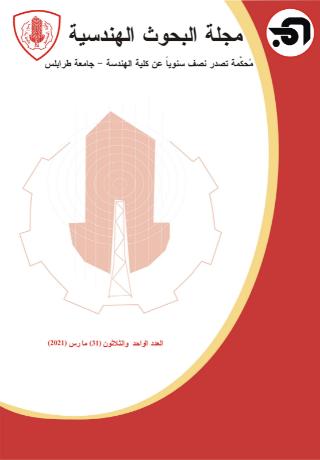
المجلات العلمية

بعض المجلات العلمية التي تصدر عن كلية الهندسة