كلية الهندسة
المزيد ...حول كلية الهندسة
أنشئت كلية الهندسة جامعة طرابلس سنة 1961م باسم كلية الدراسات الفنية العليا وذلك ضمن برنامج التعاون العلمي والتقني مع منظمة الأمم المتحدة للتربية والعلوم والثقافة اليونسكو، وكانت بذلك أول كلية هندسية بليبيا، وفي سنة 1967م، انضمت إلى الجامعة الليبية آنذاك تحت اسم كلية الهندسة، وفي سنة 1972م تم تأسيس كلية هندسة النفط التي كونت مع كلية الهندسة وكلية العلوم جامعة طرابلس سنة 1973م، وقد أضيفت سنة 1978م كلية الهندسة النووية والإلكترونية، وفي سنة 1985م تم دمج كلية هندسة النفط مع كلية الهندسة في إطار ربط الكليات والمعاهد العليا بالمراكز البحثية الهندسية، وقد تم دمج الهندسة النووية والإلكترونية مع كلية الهندسة سنة 1988م.
وبقدر ما تمتاز به كلية الهندسة من دور ريادي خلال مسيرتها العلمية هذه فأن دورها يزداد أهمية وذلك تمشياً مع التطور التقني وخاصة في مجالات هندسة الاتصالات والمعلوماتية والمواد الجديدة وتطبيقاتها والطاقة الدائمة والمتجددة والأساليب الحديثة في الإنشاء والعمارة ومالها من تأثيرات بيئية، واستجابة لهذا التطور فأن كلية الهندسة عمدت إلى تغيرات في مناهجها التعليمية والهيكلية الأكاديمية بأن تطورت من كلية بأربعة أقسام منذ نشأتها حتى أصبحت تجمع عدد ثلاثة عشر قسماً وذلك تلبية لرغبات ومتطلبات المجتمع الليبي ومحققة لأهدافه وتطلعاته في التقدم، وتوافقاً لذلك فأن نظام الدراسة في الكلية تطور من نظام السنة الدراسية إلى نظام الفصل بمقررات فصلية.
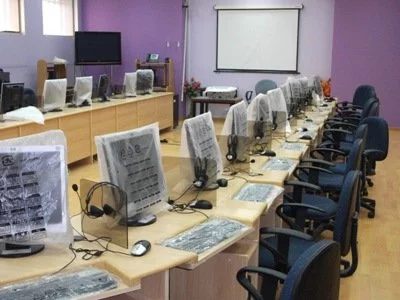
إن التوسع في المجالات الأكاديمية بالكلية يحتاج ولا شك توسعات في المنشآت التي تستوعب الأعداد المتزايدة للطلاب التي وصلت إلى اثني عشر ألفا في السنوات الأخيرة. وهذا التوسع سيشمل إن شاء الله تعالى القاعات والمعامل وغيرها من الإمكانيات والتجهيزات المتطورة من أجهزة حاسوب وأجهزة قياس بحثية.
تتكون الكلية من أقسام: (قسم الهندسة المدنية- قسم الهندسة الميكانيكية والصناعية- قسم الهندسة الكهربائية والإلكترونية- قسم هندسة الحاسب- قسم هندسة العمارة والتخطيط ٌ العمراني- قسم هندسة النفط- قسم الهندسة الكيميائية- قسم الهندسة الجيولوجية- قسم هندسة التعدين- قسم هندسة الطيران- قسم الهندسة البحرية وعمارة السفن- قسم الهندسة النوويةٌ- قسم هندسة المواد والمعادن- قسم الإدارة الهندسية "دراسات عليا فقط").
وتمارس هذه الأقسام مهامها العلمية التخصصية وفق القوانين واللوائح والقرارات ذات العلاقة والتي تشمل في مجملها:
- الإشراف الأكاديمي على الطلاب المتمثل في التسجيل والتدريس والتقييم.
- متابعة برامج البحوث والتأليف والترجمة.
- القيام بإعداد وعقد المؤتمرات والندوات العلمية المتخصصة.
- إعداد ومراجعة المناهج الدراسية لمواكبة التقدم العلمي واحتياجات المجتمع.
- تقديم المشورة العلمية التخصصية للمؤسسات الإنتاجية والخدمية بالمجتمع.
- القيام بالدراسات العلمية والعملية في مجال البحث لحل مشاكل المجتمع ذات العلاقة.
- المساهمة في وضع الخطط والمقترحات لتسيير العملية التعليمية بالكلية والأقسام.
حقائق حول كلية الهندسة
نفتخر بما نقدمه للمجتمع والعالم
المنشورات العلمية
هيئة التدريس
الطلبة
الخريجون
أخبار كلية الهندسة


البرامج الدراسية


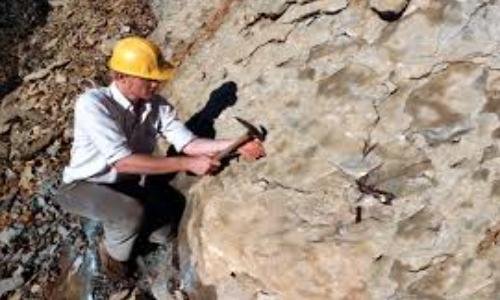
بكالوريوس هندسة جيولوجية
يحتوي البرنامج الدراسي على 152 وحدة دراسية ...
التفاصيلمن يعمل بـكلية الهندسة
يوجد بـكلية الهندسة أكثر من 326 عضو هيئة تدريس


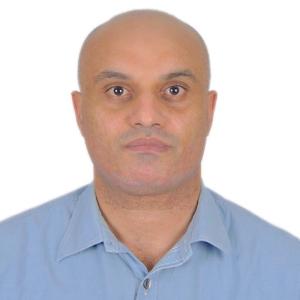


أ.د. حكيم سالم عبدالقادر السموعي
يعمل الإستاذ الدكتور حكيم سالم عبد القادر بجامعة طرابلس – كلية الهندسة – قسم الهندسة المدنية. وقد حصل الأستاذ الدكتور حكيم عبد القادر على شهادة البكالوريوس من جامعـة طرابلس ، وشهادة الماجستير من جامعـة قدانسك ببولندا ،و شهادة الدكتوراه من جامعـة قدانسك ببولندا 1996م, وهو الآن أستـاذ بقسم الهندسة المدنية بكلية الهندسة جامعة طرابلس. ترأس الدكتور حكيم عبد القادر وشارك في العديد من البحوث من جامعة طرابلس - كلية الهندسة وجامعات أخرى من مختلف مناطق ليبيا وخارجها. وقد تميز د. حكيم ببحوثه التطبيقية في صب الخرسانة ذات المرحلتين وديمومة الخرسانة و صب الخرسانة في القوالب النسيجية و إعادة تدوير الخرسانة واستعمالات المواد البوزولونية و صب الخرسانة تحت الماء في المواد الإنشائية. كتب الدكتور حكيم أكثر من سبعون بحثاً منشوراً في مجلات ومؤتمرات محلية وعالمية مشهورة، ومن ضمنها بحوثاً باللغة العربية، وأشرفت على عدد من رسائل الماجستير في الجامعة وخارجها (بولندا ولبنان وإيران وايرلندا ) واخيرا قمت بمناقشة رسالة ماجستيرمن جامعة بيروت العربية. قمت كذلك بتقيم اطروحة دكتوراه من الهند. وتعتبر بحوث الدكتور حكيم عبد القادر المتعلقة صب الخرسانة ذات المرحلتين وديمومة الخرسانة و صب الخرسانة في القوالب النسيجية و إعادة تدوير الخرسانة و صب الخرسانة تحت الماء كثيرة الذكر كمراجع علمية في البحوث المحليّة والعالمية. في سنه 2019 قمت بزيارة الى جامعة ميونخ-المانيا بخصوص المشاركه في البرنامج العلمي التي قدمت شخصيا لي بصفتي عضو هيئه التدريس بجامعة طرابلس من جامعه ميونخ-المانيا تحت اشراف البرفسور Johann Plank. وقد تمت الموافقه على البرنامج العلمي المقدم من أ.د. حكيم عبدالقادر والبرفسور Johann Plank والممول من قبل خدمة التبادل الأكاديمي الألماني https://www.daad.de/en/ . في سنه 2020 تحصلت على شرف الزمالة من المعهد الأمريكي للخرسانة Fellow (ِACI) American Concrete Institute . https://www.concrete.org/aboutaci/honorsandawards/fellows.aspx