كلية الهندسة

المزيد ...

حول كلية الهندسة

أنشئت كلية الهندسة جامعة طرابلس سنة 1961م باسم كلية الدراسات الفنية العليا وذلك ضمن برنامج التعاون العلمي والتقني مع منظمة الأمم المتحدة للتربية والعلوم والثقافة اليونسكو، وكانت بذلك أول كلية هندسية بليبيا، وفي سنة 1967م، انضمت إلى الجامعة الليبية آنذاك تحت اسم كلية الهندسة، وفي سنة 1972م تم تأسيس كلية هندسة النفط التي كونت مع كلية الهندسة وكلية العلوم جامعة طرابلس سنة 1973م، وقد أضيفت سنة 1978م كلية الهندسة النووية والإلكترونية، وفي سنة 1985م تم دمج كلية هندسة النفط مع كلية الهندسة في إطار ربط الكليات والمعاهد العليا بالمراكز البحثية الهندسية، وقد تم دمج الهندسة النووية والإلكترونية مع كلية الهندسة سنة 1988م.

وبقدر ما تمتاز به كلية الهندسة من دور ريادي خلال مسيرتها العلمية هذه فأن دورها يزداد أهمية وذلك تمشياً مع التطور التقني وخاصة في مجالات هندسة الاتصالات والمعلوماتية والمواد الجديدة وتطبيقاتها والطاقة الدائمة والمتجددة والأساليب الحديثة في الإنشاء والعمارة ومالها من تأثيرات بيئية، واستجابة لهذا التطور فأن كلية الهندسة عمدت إلى تغيرات في مناهجها  التعليمية والهيكلية الأكاديمية بأن تطورت من كلية بأربعة أقسام منذ نشأتها حتى أصبحت تجمع عدد ثلاثة عشر قسماً وذلك تلبية لرغبات ومتطلبات المجتمع الليبي ومحققة لأهدافه وتطلعاته في التقدم، وتوافقاً لذلك فأن نظام الدراسة في الكلية تطور من نظام السنة الدراسية إلى نظام الفصل بمقررات فصلية.

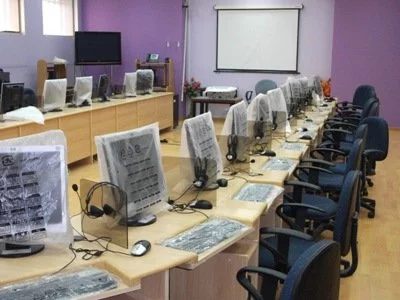
إن التوسع في المجالات الأكاديمية بالكلية يحتاج ولا شك توسعات في المنشآت التي تستوعب الأعداد المتزايدة للطلاب التي وصلت إلى اثني عشر ألفا في السنوات الأخيرة. وهذا التوسع سيشمل إن شاء الله تعالى القاعات والمعامل وغيرها من الإمكانيات والتجهيزات المتطورة من أجهزة حاسوب وأجهزة قياس بحثية.

تتكون الكلية من أقسام: (قسم الهندسة المدنية- قسم الهندسة الميكانيكية والصناعية- قسم الهندسة الكهربائية والإلكترونية- قسم هندسة الحاسب- قسم هندسة العمارة والتخطيط ٌ العمراني- قسم هندسة النفط- قسم الهندسة الكيميائية- قسم الهندسة الجيولوجية- قسم هندسة التعدين- قسم هندسة الطيران- قسم الهندسة البحرية وعمارة السفن- قسم الهندسة النوويةٌ- قسم هندسة المواد والمعادن- قسم الإدارة الهندسية "دراسات عليا فقط").

وتمارس هذه الأقسام مهامها العلمية التخصصية وفق القوانين واللوائح والقرارات ذات العلاقة والتي تشمل في مجملها:

  • الإشراف الأكاديمي على الطلاب المتمثل في التسجيل والتدريس والتقييم.
  • متابعة برامج البحوث والتأليف والترجمة.
  • القيام بإعداد وعقد المؤتمرات والندوات العلمية المتخصصة.
  • إعداد ومراجعة المناهج الدراسية لمواكبة التقدم العلمي واحتياجات المجتمع.
  • تقديم المشورة العلمية التخصصية للمؤسسات الإنتاجية والخدمية بالمجتمع.
  • القيام بالدراسات العلمية والعملية في مجال البحث لحل مشاكل المجتمع ذات العلاقة.
  • المساهمة في وضع الخطط والمقترحات لتسيير العملية التعليمية بالكلية والأقسام.

حقائق حول كلية الهندسة

نفتخر بما نقدمه للمجتمع والعالم

278

المنشورات العلمية

326

هيئة التدريس

9723

الطلبة

558

الخريجون

البرامج الدراسية

بكالوريوس
تخصص هندسة التعدين

...

التفاصيل
البكالوريوس في الهندسة
تخصص هندسة النفط

.......

التفاصيل
الماجستير في الهندسة
تخصص هندسة النفط

يرجع تاريخ تأسيس برنامج الدراسات العليابقسم هندسة النفط إلى الفصل الدراسي ربيع 1992م؛...

التفاصيل

من يعمل بـكلية الهندسة

يوجد بـكلية الهندسة أكثر من 326 عضو هيئة تدريس

staff photo

أ.د. سالم عبدالسلام امحمد فرحات

سالم فرحات هو احد اعضاء هيئة التدريس بقسم الهندسة الميكانيكية والصناعية بكلية الهندسة. يعمل السيد سالم فرحات بجامعة طرابلس أستاذ منذ 2017-03-20 وله العديد من المنشورات العلمية في مجال تخصصه

منشورات مختارة

بعض المنشورات التي تم نشرها في كلية الهندسة

Electrical Impedance Tomography: Regularization Methods and Inequality Constraints For Image Quality

التصوير الطبقي ذو المعاوقة الكهربائية (EIT) هو تقنية تسمح بإعادة بناء صور المقطع العرضي المتعلقة بالمعاوقة الكهربائية من خلال مجموعات مقاسه من سطحها، الدافع الرئيسي من تطوير التصوير الطبقي ذي المعاوقة الكهربائية(EIT)هواحتمالية تطبيقه في مجالات التصوير الطبية، وكما هو معروف فأن النسيج الحيوي له مدي معاوقة كهربائية واسع والعديد من الأحداث الفسيولوجية محسوبة بتغيرات المعاوقة الكهربائية، و موصلية نسيج جسم الإنسان فيها اختلافات كبيرة، لذا يجب أن تعطي صور الموصلية مقارنة عالية بين الأنسجة الناعمة. وتعتمد تقنية التصوير الطبقي ذي المعاوقة الكهربائية على إعادة بناء توزيع الموصلية في جسم الإنسان، وذلك من خلال القياسات الخارجية التي يتم قياسها عند تمرير التيار خلال المجسات الموجودة على الجسم والتيار المار، والجهد المقاس يعتمد على الموصلية المراد إيجادها، وتهدف كل خوارزمياتِ وإعادةَ البناء إلي تَقليل الأخطاءِ، والحصول على صور ممتازةِ. إعادة بناء الموصلية في التصوير الطبقي ذي المعاوقة الكهربائية (EIT) تعتبر مشكلة، وبشكل عملي تحل هده المشكلة ببعض طرق التنظيم أو الفرضيات المطبقة لتحسين نوعية الصورة.للحصول على أفضل بناء صورة ممكنه للتصوير الطبقي ذي المعاوقة الكهربائية تم في هذا العمل إجراء مقارنة بين العديد من طرق التنظيم وكانت معتمدة على تعديل النسبة بين أكبر وأصغر القيم الصغيرة والقريبة للصفر داخل مصفوفة الحساسية وتم تطبيق ذلك في طريقة جديدة.كما تم في هذا العمل أيضاً تطوير طريقة جديدة تتعلق بالتصوير الطبقي ذي المعاوقة الكهربائية وتسجيل الصورة و تم الحصول على المعلومات الكاملة في الصورة الجديدة. Abstract Electrical Impedance Tomography (EIT) is a technique which allowscross-section images related to the local electrical impedance within an object to be reconstructed from sets of measurements made on its surface. The main drive behind the development of Electrical Impedance Tomography (EIT) has been its possible application in medical imaging, as biological tissues are known to exhibit a wide range of electrical impedances and many physiological events are computed by electrical impedance changes. The conductivity of the human tissue has large variations so images of the conductivity distribution should give high contrast of soft tissues. In electrical impedance tomography (EIT) the conductivity distribution is reconstructed from measured boundary potential when current sources are applied to the boundary of the object. Both internal current paths and potential distribution depend on the unknown conductivity distribution. All considerations of the reconstruction algorithms aim to minimize the errors, and to obtain quality images.Reconstruction of the conductivity distribution in electrical impedance tomography (EIT) is an un-determined and ill-posed problem. Typically requiring simplifying assumption or regularization methods to improve image quality.To improve the system’s conditioning and to determine the best image reconstruction in electrical impedance tomography (EIT) several regularization methods in this work are compared, and based on modification of the ratio between the largest and the smallest non-zero singular value of the sensitivity matrix, a new method has been developed.Also in this work a new method concerning electrical impedance tomography image registration has been developed and the full information contained in the new image can be obtained.
زينب احمد العزابى (2008)
Publisher's website

Standard and modified falling mass impact tests on preplaced aggregate fibrous concrete and slurry infiltrated fibrous concrete

Although several studies have been conducted to evaluate the impact response of concrete using the American Concrete Institute (ACI) 544-2R falling mass impact test, the variations in test results are the main drawback of this testing method. This study aims to reduce the variations in experimental impact test results by introducing two simple test setup modifications; (1) using coarse or fine aggregate bed- ding as an alternative to the steel base plate, (2) the use of line or cross-notched specimens with a line or cross-load distributing steel plate. One hundred thirty-five cylindrical discs were prepared with Preplaced Aggregate Fibrous Concrete (PAFC) and Slurry Infiltrated Fibrous Concrete (SIFCON), tested in nine groups to assess the proposed modified techniques. Steel hooked-end (2.5%) and macro polypropylene (8.0%) fibers were used to develop PAFC and SIFCON, respectively. The research findings revealed that using aggregate bedding increased the impact resistance by 38 to 429% for no-notch spec- imens and up to 283% for notched specimens. The presence of notches reduced the total energy absorbed by the bedding material. For instance, the specimens with a line notch and sand bedding exhibited 15 to 51% lower failure impact numbers than their corresponding no-notch specimens. Considering surface- notched specimens and aggregate bedding led to a lower scattering of the impact test results, while the line-notched specimens exhibited lower average scattering than the cross and no-notched specimens. In general, a percentage decrease in the coefficient of variation of 30 to 74% was attained for specimens with bedding and/or surface notch compared to reference specimens. arabic 16 English 111
Hakim Salem Abdelgader Abdelgader (9-2021)
Publisher's website

The Kinetic of Matrix Acidizing in Reservoir Rocks

Abstract Matrix acidizing is a stimulation method commonly used to remove near wellbore damage and restore original formation permeability. It involves the injection of acid into formations at pressures below the fracture pressure. Acid flows down the well into the reservoir, and then reacts with the rock such that any near wellbore permeability damage created by meling or completion fluids can be removed and apparent permeability increased. A matrix acidizing treatment can be' applied to either a sandstone or a carbonate reservoir. Different acids are used because different minerals are involved in these treatments. Hydrochloric acid (HCI) is usually used in carbonate reservoirs to react with carbonates. Hydrofluoric acid (HF) or mixture of Hydrofluoric acid (HF) with Hydrochloric acid (HCI) is commonly used in sandstone porous media to react with silicates and feldspars in the rock. Since the mechanisms of acid reactions with these two types of rock are different, results of the treatments are different as well. In sandstone matrix acidizing, permeability increase behind the acid front is relatively homogeneous. The flow and reaction of acid in carbonate porous media results in the formation of highly conductive flow channels, commonly referred to as wormholes. In the present work we have studies the first study to test the optimal acid flux theory presented by Wang (1) with several independent sets of experimental data. The model was comparing with field data. The second study we use model presented by McCune and Fogler.(2) This previous studies on mathematical modeling of the chemical reactions between sandstone and mud acid. This model is lumped-parameter model. The lumped-parameter model simplifies the chemistry of the dissolution of sandstone minerals with mud acid. The models are compared with the experimental data at different flow rates.
عبد ربه ادريس بوسدرة (2010)
Publisher's website

المجلات العلمية

بعض المجلات العلمية التي تصدر عن كلية الهندسة