كلية التربية - طرابلس

المزيد ...

حول كلية التربية - طرابلس

تُعد كلية التربية - طرابلس إحدى كليات جامعة طرابلس العريقة، وعندما ألغيت كليات التربية في ليبيا في العام الدراسي 1998-1999م، وحل محلها المعاهد العليا لإعداد المعلمين، لم تُستثنى كلية التربية - طرابلس من ذلك، وفي العام الدراسي 2004م - 2005م، أُنشأت كليات إعداد المعلمين التي تتبع الجامعات الليبية المختلفة، وفي العام الدراسي 2008-2009م تغير الاسم من كلية إعداد المعلمين إلى كلية التربية- طرابلس لتعود كما كانت، صرحاً تربوياً عريقا تحت اسم "كلية التربية- طرابلس".

كلية التربية إحدى كليات جامعة طرابلس العريقة ويرجع تاريخها إلى أواسط ستينات القرن الماضي أي ما يقارب من تصف قرن حيث تم إنشائها تحت مسمى كلية المعلمين العليا بالاشتراك مع منظمة اليونيسكو وذلك في سنة 1965 وتكفلت منظمة اليونيسكو بتوفير عدد من الخبراء للكلية وفي عام 1967 ضُمت الكلية إلى الجامعة الليبية في ذلك الوقت وبتاريخ 1970 تقرر تغيير اسمها ليصبح كلية التربية وقد انتقلت كلية التربية إلى عدة أماكن في مدينة طرابلس عبر تاريخها الطويل.

حقائق حول كلية التربية - طرابلس

نفتخر بما نقدمه للمجتمع والعالم

167

المنشورات العلمية

185

هيئة التدريس

2790

الطلبة

0

الخريجون

البرامج الدراسية

ليسانس في الأداب والتربية
تخصص التربية وعلم النفس

يسعى قسم التربية وعلم النفس كلية التربية / طرابلس من خلال هذا البرنامج التعليمي إلى...

التفاصيل

ليسانس في الآداب والتربية
تخصص اللغة العربية والدراسات الإسلامية

فيما يلي الخطة الدراسية للمقررات الدراسية موزعة على المدة الدراسية المقررة للبرنامج. ...

التفاصيل

بكالوريوس في العلوم والتربية
تخصص الاحياء

البرنامج الأساسي لقسم الأحياء متمثل في منح الطلاب المتخرجين درجة البكالوريوس، ولا...

التفاصيل
من يعمل بـكلية التربية - طرابلس

يوجد بـكلية التربية - طرابلس أكثر من 185 عضو هيئة تدريس

staff photo

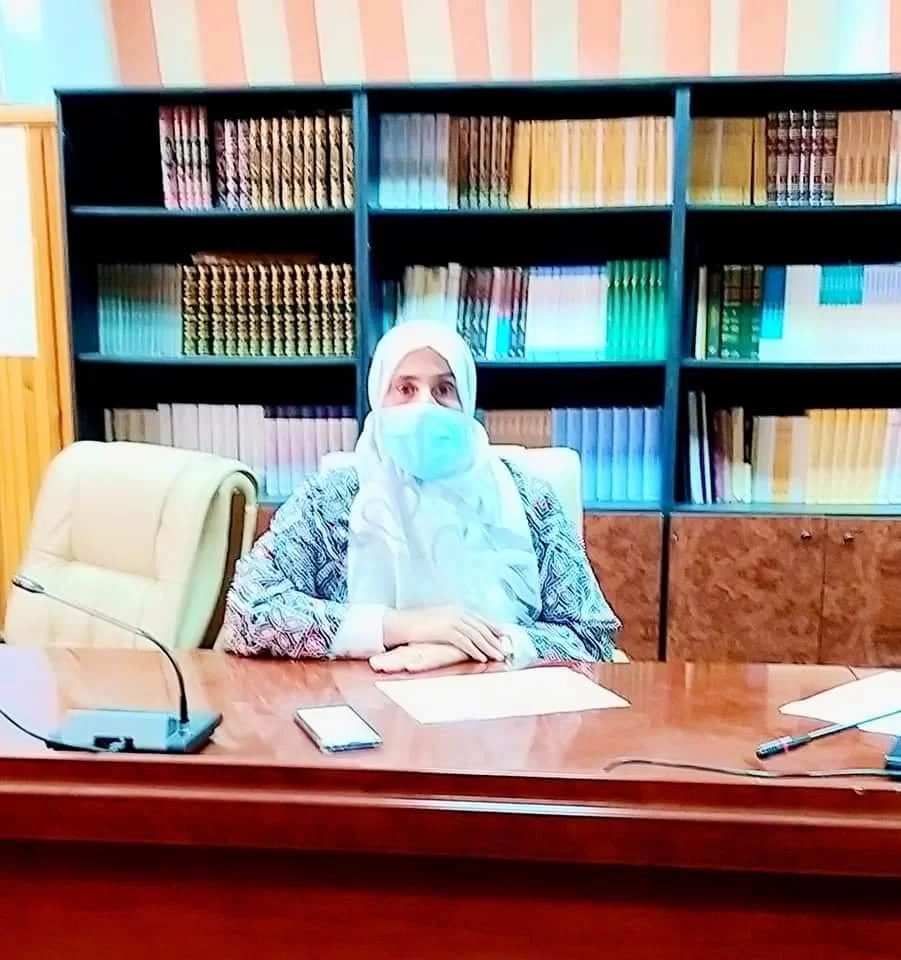
أ. ربيعة حسين احمد حسين

ربيعة حسين هي احد اعضاء هيئة التدريس بقسم التربية الخاصة بكلية التربية طرابلس. تعمل السيدة ربيعة حسين بجامعة طرابلس كـمحاضر مساعد منذ 2015-07-05 ولها العديد من المنشورات العلمية في مجال تخصصها

منشورات مختارة

بعض المنشورات التي تم نشرها في كلية التربية - طرابلس

Facebook Games for English Language Learning: What Student-Teachers Say?

This exploratory case study aimed at investigating the studentteachers’ views on using Facebook games for language learning. The participants were 48 student-teachers at the EFL Department of the Faculty of Education at a Libyan public university. They were required to play Facebook games for two weeks and then present their experiences through oral presentations and reflective journals. Data were collected through student-teachers’ presentations and reflective journals. Data were analyzed qualitatively using a thematic inductive approach. Although few student-teachers had negative views, most of the student-teachers had positive views on using Facebook games for learning. They believed that Facebook games teach players following instructions and provide opportunities for language improvement, especially for vocabulary learning. We expect that our findings would provide teachers and practitioners with ideas for classroom research and encourage researchers to conduct further and more rigorous testing on integrating Facebook games into the EFL classroom. arabic 11 English 61
Entisar Elsherif, fatma alhammali ali dreid(2-2021)
Publisher's website

Returning to Graduation Project: Attitudes and Perceived Challenges of Students and Staff at a Libyan EFL Department

In 1997, the Department of English (Faculty of Languages, University of Tripoli) canceled Graduation Project (GP) as a graduation requirement primarily due to growing student plagiarism. Two decades on, the Department decided it is time for Returning to Graduation Project (RGP). In preparation for this, a Research Methods (RM) module was delivered to students, and an intense ‘research design and methodology’ course was taken by the staff. In this exploratory mixed-methods case-study research, the main question focuses on attitudes and perceived challenges facing students and staff concerning RGP. The aim is to tackle negative attitudes and perceived obstacles in anticipation of a successful RGP, which spells out the significance of the research. Data were collected through a questionnaire (n=52) and a focus group discussion with seventh-semester students (10); semi-structured interviews with staff (13). A small majority of students (54%) supported RGP; the remaining 46% raised two kinds of concerns: realistic challenges of lacking resources, inadequate RM skills, and supervisor issues; unrealistic challenges involved time constraints, fear of presenting, and problems of determining research topics. Staff members were receptive to RGP but raised numerous concerns. Whereas experienced members expressed cynicism due to low students competencies and lacking resources, others saw RGP as an opportunity for students to gain practical research experience ahead of postgraduate study. Several challenges were perceived, chief among them are students lack of research skills, inexperienced supervisors, inadequate resources, and an ever-lasting concern with plagiarism. New staff reported the need for tuition in ‘data analysis and interpretation’, and ‘supervision practice’. Peculiarities characteristic of the case milieu emerged. arabic 18 English 99
ٌٌReda Khaled Emhemmed Elmabruk(1-2020)
Publisher's website

Determination of Lead in human blood and serium and the relationship among its exposures, Zawia, Libya

In this study, six residents of Zawia City who had no history record of occupational lead exposure were investigated. One sample of venous blood was collected from each. Sample preparation consisted of a simple dilution (twenty-fold) with 0.15N HNO3. The was centrifuged to separate serum, which was then isolated and analyzed for lead content by Flame Atomic Absorption Spectroscopy (FAAS). The residue of the sample was also analyzed by the same technique for blood level. The blood lead level in the residue was higher than that in serum lead level. Mean lead concentrations were 4.48mg/L in serum and 60.23 mg/L in residual blood respectively. Blood lead level was quietly correlated with serum lead and accounted for 95% of the variability of serum lead concentration. The bivariate regression coefficient of serum lead was 0.221 (p. 0.001). In a multivariate regression model of serum lead levels that include blood and serum lead level remained an independent predictor of lead plasma level (p. 0.007, p
Ragiab Ali Mokhtar Issa(2-2018)
Publisher's website

المجلات العلمية

بعض المجلات العلمية التي تصدر عن كلية التربية - طرابلس