faculty of Education Tripoli

More ...

About faculty of Education Tripoli

The Faculty of Education - Tripoli is one of the oldest faculties of the University of Tripoli. It was replaced by the Higher Institutes for Teacher Education in 1998-1999. However, in 2004/2005, Faculties of Teacher Preparation were established in various Libyan universities. Further, in 2008-2009, it was renamed to be the College of Education - Tripoli, to return to what it was, a long-standing educational monument under the name of Faculty of Education - Tripoli.

It dates back to the mid-sixties of the last century, that is, nearly a century, as it was established under the name of the Higher Teachers College in conjunction with the UNESCO in 1965 and the UNESCO ensured the provision of a number of experts to the college. In 1967, the Faculty joined the Libyan University at that time. In 1970, it was decided to change its name to become the College of Education. The College of Education moved to several places in the city of Tripoli throughout its long history.


Facts about faculty of Education Tripoli

We are proud of what we offer to the world and the community

167

Publications

185

Academic Staff

2790

Students

0

Graduates

Programs

Major

...

Details
Major

...

Details
Major

...

Details

Who works at the faculty of Education Tripoli

faculty of Education Tripoli has more than 185 academic staff members

staff photo

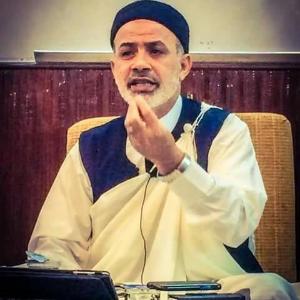
Mr. Esanossi Mohammad Esanossi Haroon

السنوسي محمد هارون هو احد اعضاء هيئة التدريس بقسم اللغة الانجليزية بكلية التربية طرابلس. يعمل السيد السنوسي هارون بجامعة طرابلس كـمحاضر مساعد.

Publications

Some of publications in faculty of Education Tripoli

Facebook Games for English Language Learning: What Student-Teachers Say?

This exploratory case study aimed at investigating the student-teachers’ views on using Facebook games for language learning. The participants were 48 student-teachers at the EFL Department of the Faculty of Education at a Libyan public university. They were required to play Facebook games for two weeks and then present their experiences through oral presentations and reflective journals. Data were collected through student-teachers’ presentations and reflective journals. Data were analyzed qualitatively using a thematic inductive approach. Although few student-teachers had negative views, most of the student-teachers had positive views on using Facebook games for learning. They believed that Facebook games teach players following instructions and provide opportunities for language improvement, especially for vocabulary learning. We expect that our findings would provide teachers and practitioners with ideas for classroom research and encourage researchers to conduct further and more rigorous testing on integrating Facebook games into the EFL classroom. arabic 12 English 61
Entisar ALi Hadi Elsherif, fatma alhammali ali dreid(2-2021)
Publisher's website

واقع برنامج التربية العملية بكلية التربية طرابلس من وجهة نظر الطلاب / المعلمين

تأتي هذه الدراسة للتعرف على واقع برنامج التربية العملية بكلية التربية طرابلس من وجهة نظر الطلاب/ المعلمين للوقوف على جوانب القوة والضعف فيه. arabic 143 English 0
د. محمد احمد عسكر(12-2014)
Publisher's website

EL RETORNO AL CENTRO DE ACOGIDA Y SUS REPERCUSIONES EN EL AUTOCONCEPTO DEL ADOLESCENTE EN LA CIUDAD DE TRIPOLI_LIBIA

1. RESUMEN: La presente investigación estudia la influencia del retorno de una familia kafala a un centro de acogida, en el autoconcepto del adolescente en la ciudad de Trípoli (Libia).Los sujetos han sido 105 adolescentes de12 a 21 años de ambos sexos (mujeres 49,7 y hambres 53,3) repartidos en tres grupos (sujetos retornados de familia kafala, sujetos que viven en centros de acogida y sujetos que viven con sus familias biológicas. El instrumento empleado ha sido la escala de autoconcepto de los niños y adolescentes de Piers y Harris (1964-1969). Para analizar los datos se utilizo el análisis de varianza (ANOVA) de un factor, la prueba de F de Fisher, prueba de Scheffe, prueba de T Student. Los resultados señalan que existen diferencias significativas entre grupos: los sujetos que viven con sus familias biológicas obtienen mejores puntuaciones en el de autoconcepto global y en las distintas subescalas; además, los chicos muestran mejor autoconcepto que las chicas: se concluye que el contexto familiar y cultural ejerce gran influencia en la adquisición del autoconcepto y la autoestima. arabic 20 English 97
Masauda Muftah A Abdrahman(1-2009)
Publisher's website

Journals

Journals published by faculty of Education Tripoli

Documents you Need

faculty of Education Tripoli Video Channel

Watch some videos about the faculty of Education Tripoli

See more

faculty of Education Tripoli in photos

faculty of Education Tripoli Albums