كلية التربية - طرابلس

المزيد ...

حول كلية التربية - طرابلس

تُعد كلية التربية - طرابلس إحدى كليات جامعة طرابلس العريقة، وعندما ألغيت كليات التربية في ليبيا في العام الدراسي 1998-1999م، وحل محلها المعاهد العليا لإعداد المعلمين، لم تُستثنى كلية التربية - طرابلس من ذلك، وفي العام الدراسي 2004م - 2005م، أُنشأت كليات إعداد المعلمين التي تتبع الجامعات الليبية المختلفة، وفي العام الدراسي 2008-2009م تغير الاسم من كلية إعداد المعلمين إلى كلية التربية- طرابلس لتعود كما كانت، صرحاً تربوياً عريقا تحت اسم "كلية التربية- طرابلس".

كلية التربية إحدى كليات جامعة طرابلس العريقة ويرجع تاريخها إلى أواسط ستينات القرن الماضي أي ما يقارب من تصف قرن حيث تم إنشائها تحت مسمى كلية المعلمين العليا بالاشتراك مع منظمة اليونيسكو وذلك في سنة 1965 وتكفلت منظمة اليونيسكو بتوفير عدد من الخبراء للكلية وفي عام 1967 ضُمت الكلية إلى الجامعة الليبية في ذلك الوقت وبتاريخ 1970 تقرر تغيير اسمها ليصبح كلية التربية وقد انتقلت كلية التربية إلى عدة أماكن في مدينة طرابلس عبر تاريخها الطويل.

حقائق حول كلية التربية - طرابلس

نفتخر بما نقدمه للمجتمع والعالم

167

المنشورات العلمية

185

هيئة التدريس

2790

الطلبة

0

الخريجون

البرامج الدراسية

ليسانس في الأداب والتربية
تخصص التربية وعلم النفس

يسعى قسم التربية وعلم النفس كلية التربية / طرابلس من خلال هذا البرنامج التعليمي إلى...

التفاصيل

ليسانس في الأداب والتربية
تخصص رياض الأطفال

قسم رياض الاطفال هو أحد الأقسام العلمية بكلية التربية -طرابلس التابعة لجامعة طراب...

التفاصيل
بكالوريس في العلوم والتربية
تخصص الكيمياء

المقررات الدراسية متسلسلة ومتكاملة ولها صفة التدرج العلمي المنهجي فيما بينها، وتكون...

التفاصيل
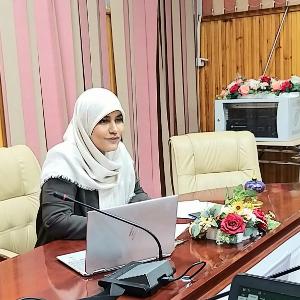
من يعمل بـكلية التربية - طرابلس

يوجد بـكلية التربية - طرابلس أكثر من 185 عضو هيئة تدريس

staff photo

د. محمد على عبدالسلام الساحلي

د. محمد علي الساحلي المؤهل العلمي: دكتوراه التخصص: مناهج وطرق تدريس العلوم الدرجة العلمية: أستاذ مساعد

منشورات مختارة

بعض المنشورات التي تم نشرها في كلية التربية - طرابلس

Study of Some Physical and Chemical Characteristic Properties of Ground Water in Sug al Jumaa area in Tripoli, Libya

ABSTRACT The physical and chemical properties of ground water from thirty wells in Sug al Juma’a area in Tripoli, Libya were analyzed using standard methods. Ground water samples were collected from three locations (Al-Shat Road (A), Sug al Juma’a Road (B) and Arada Road (C)). The physical and chemical parameters such as pH, Total Dissolved Solids (TDS), Total Hardness (TH), Electrical Conductivity (EC), Calcium (Ca2+), Magnesium (Mg2+), Sodium (Na+), Potassium (K+), Chloride (Cl-), Sulfate (SO4 2-), Bicarbonate (HCO3 -), Nitrate (NO3 -) were analyzed to study the present status of the ground water quality. The results were compared to the Libyan Standard No. 82 for Drinking Water and the World Health Organization (WHO). The understudy samples showed significantly higher values of TDS and EC than Libyan Standard and WHO. Permissible limits which may greatly influence the health conditions of the residents of this area. It is concluded from this study that the ground water of the area needs a substantial degree of purification treatment before using for drinking and domestic purposes. arabic 8 English 56
Aburawi Elgornazi, Ali Bukhzam, Nessma Alshelmani, Nabil Bader(1-2021)
Publisher's website

MATERIALS CHARACTERIZATION BY COMBINED THERMOVOLTAIC DETECTION (TVD) AND THERMAL ANALYSIS (DTA) TECHNIQUES

The thermovoltaic detection (TVD) technique is based on measurement of the EMF generated by two dissimilar metal electrodes in contact with the specimen. This technique has recently been applied when investigating different types of materials involving thermal decomposition reactions which have more normally been studied by conventional thermal analysis techniques, such as DTA, TG, etc. This paper reports the application of the combined TVD and DTA techniques for thermal characterization of materials. The Harrop DTA system has been modified such that measurements by the two techniques can be made simultaneously in the same environment. Data have been obtained on different types of materials, e.g., NiSO,.6H,O and CoSO,.7H,O, etc., at a programmed heating rate of 10” C rnin- ‘. Results obtained by these techniques are discussed and compared with the corresponding values in the literature.
Ragiab Ali Mokhtar(5-1990)
Publisher's website

Most Common and Reliable Traits for Fusion of Biometrics

Biometrics technologies have been around for quite some time and many have been deployed for different applications all around the world, ranging from small companies' time and attendance systems to access control systems for nuclear facilities. Biometrics offer a reliable solution for the establishment of the distinctiveness of identity based on "who an individual is", rather than what he or she knows or carries. Biometric Systems automatically verify a person's identity based on his anatomical and behavioral characteristics. Biometric traits represent a strong and undeviating link between a person and his identity, these traits cannot be easily lost or forgotten or faked. Since biometric systems require the user to be present at the time of authentication. Some biometric systems are more reliable than others, yet biometric systems are neither secure nor accurate, all biometrics have their strengths and weaknesses. Although some of these systems have shown reliability and solidarity, work still has to be done to improve the quality of service they provide. In this paper we present the most common and reliable known biometric systems suitable for Multimodal Biometrics Fusion, providing highly efficient and secure systems, showing their strengths and weaknesses and also presenting technologies in which may have great benefits for security applications in the near future.
Abdulmonam Omar Ahmed Alaswad, Ihab Meftah Elfituri, Fawzia Elhashmi Mohamad(0-2014)
Publisher's website

المجلات العلمية

بعض المجلات العلمية التي تصدر عن كلية التربية - طرابلس