كلية التربية - طرابلس

المزيد ...

حول كلية التربية - طرابلس

تُعد كلية التربية - طرابلس إحدى كليات جامعة طرابلس العريقة، وعندما ألغيت كليات التربية في ليبيا في العام الدراسي 1998-1999م، وحل محلها المعاهد العليا لإعداد المعلمين، لم تُستثنى كلية التربية - طرابلس من ذلك، وفي العام الدراسي 2004م - 2005م، أُنشأت كليات إعداد المعلمين التي تتبع الجامعات الليبية المختلفة، وفي العام الدراسي 2008-2009م تغير الاسم من كلية إعداد المعلمين إلى كلية التربية- طرابلس لتعود كما كانت، صرحاً تربوياً عريقا تحت اسم "كلية التربية- طرابلس".

كلية التربية إحدى كليات جامعة طرابلس العريقة ويرجع تاريخها إلى أواسط ستينات القرن الماضي أي ما يقارب من تصف قرن حيث تم إنشائها تحت مسمى كلية المعلمين العليا بالاشتراك مع منظمة اليونيسكو وذلك في سنة 1965 وتكفلت منظمة اليونيسكو بتوفير عدد من الخبراء للكلية وفي عام 1967 ضُمت الكلية إلى الجامعة الليبية في ذلك الوقت وبتاريخ 1970 تقرر تغيير اسمها ليصبح كلية التربية وقد انتقلت كلية التربية إلى عدة أماكن في مدينة طرابلس عبر تاريخها الطويل.

حقائق حول كلية التربية - طرابلس

نفتخر بما نقدمه للمجتمع والعالم

167

المنشورات العلمية

185

هيئة التدريس

2790

الطلبة

0

الخريجون

البرامج الدراسية

بكالوريوس في العلوم والتربية
تخصص الحاسوب

يعد قسم الحاسوب من اقسام الجامعة المهمة مدة الدراسة فيه 8 فصول دراسية يتم فيه منح الدارس...

التفاصيل
ليسانس في الأداب والتربية
تخصص رياض الأطفال

قسم رياض الاطفال هو أحد الأقسام العلمية بكلية التربية -طرابلس التابعة لجامعة طراب...

التفاصيل
ليسانس في الآداب والتربية
تخصص معلم فصل

يمنح قسم معلم فصل درجة البكالوريوس ولايحتوي على برنامج الدراسات العليا إلى هذه اللحظة،...

التفاصيل

من يعمل بـكلية التربية - طرابلس

يوجد بـكلية التربية - طرابلس أكثر من 185 عضو هيئة تدريس

staff photo

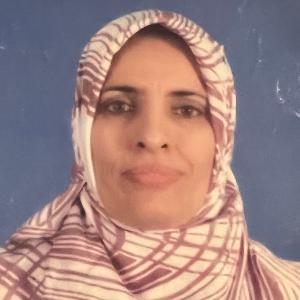
أ. فوزية احمد مفتاح الحصان

فوزية الحصان هي احد اعضاء هيئة التدريس بقسم الرياضيات بكلية التربية طرابلس. تعمل السيدة فوزية الحصان بجامعة طرابلس كـمحاضر منذ 2015-08-01 ولها العديد من المنشورات العلمية في مجال تخصصها

منشورات مختارة

بعض المنشورات التي تم نشرها في كلية التربية - طرابلس

Serological study on the prevalence of malaria in samples from foreign workers in Tripoli, Libya

This study was primarily conducted to investigate the prevalence of imported malaria in a sample of foreign workers (n-1038) in Tripoli during the period from May 2006 to June 2007. A comprehensive review of malaria epidemiology in Libya in the last two decades was also given. All samples were tested serologically using Malaria Rapid Diagnostic test and then examined using blood film technique. Results showed that only 10 samples (1%) were tested positive for both malaria rapid diagnostic test and blood film. Nine of those infected were identified as Plasmodium falciparum and one as Plasmodium vivax. This study confirms that the prevalence of malaria in legal foreign workers is low and the risk of re-introducing or transmitting malaria in the northern areas of the country is remote. It also gives no good reason for including malaria test among those requested for issuing health certificates to foreign workers. The use of malaria Rapid Diagnostic test for malaria detection in this study was proved to be practical and reliable. Although, the situation of imported malaria in Libya imposes no immediate threat to re-emerging of malaria in the country however, continuous surveillance and monitoring particularly to the southern regions and populations have to be taken in a great consideration. An updated new map of malaria vectors distribution in Libya is urgently needed to be able to outline areas of high risk of malaria transmission.
Fadwa Jamaledden Mustafa Kamel Mahanay, Badereddin Bashir K. Annajar(5-2009)
Publisher's website

Investigating Language Tests’ Content Validity in Public Schools in Tripoli

Investigating Language Tests’ Content Validity in Public Schools in Tripoli arabic 12 English 65
Yousra Ali Moftah Alghanemi, Fuzia Moh A Elwafi, (1-2020)
Publisher's website

Most Common and Reliable Traits for Fusion of Biometrics

Biometrics technologies have been around for quite some time and many have been deployed for different applications all around the world, ranging from small companies' time and attendance systems to access control systems for nuclear facilities. Biometrics offer a reliable solution for the establishment of the distinctiveness of identity based on "who an individual is", rather than what he or she knows or carries. Biometric Systems automatically verify a person's identity based on his anatomical and behavioral characteristics. Biometric traits represent a strong and undeviating link between a person and his identity, these traits cannot be easily lost or forgotten or faked. Since biometric systems require the user to be present at the time of authentication. Some biometric systems are more reliable than others, yet biometric systems are neither secure nor accurate, all biometrics have their strengths and weaknesses. Although some of these systems have shown reliability and solidarity, work still has to be done to improve the quality of service they provide. In this paper we present the most common and reliable known biometric systems suitable for Multimodal Biometrics Fusion, providing highly efficient and secure systems, showing their strengths and weaknesses and also presenting technologies in which may have great benefits for security applications in the near future.
Abdulmonam Omar Ahmed Alaswad, Ihab Meftah Elfituri, Fawzia Elhashmi Mohamad(0-2014)
Publisher's website

المجلات العلمية

بعض المجلات العلمية التي تصدر عن كلية التربية - طرابلس