faculty of Languages

More ...

About faculty of Languages

Faculty of Languages


The Faculty of Languages was established in 1986/1987, under the name of the Language Center. In 1988, the former General People's Committee issued a Decision No. 245 of 1988 to change the name of the Center to the Faculty of Languages. In 2002, the Faculties of Languages, Social and Applied Sciences, and Education were merged together under the name “Faculty of Arts".


However, with the start of the Fall Term in 2008/2009, the academic activities of the Faculty of Languages ​​were re-activated in all its levels pursuant to the decision of the former General People's Committee No. 535 of 2007 on the reorganization of universities and higher institutes. Since then, all language departments ended integration with the Faculty of Arts.


The Faculty of Languages ​​in its second era includes six departments:


Department of Arabic Language

Department of English Language

Department of French Language

Department of Spanish Language

Department of Italian Language

Department of African Languages

Department of Translation

Facts about faculty of Languages

We are proud of what we offer to the world and the community

82

Publications

161

Academic Staff

5048

Students

48

Graduates

Programs

Major

...

Details
Major

...

Details
Major

...

Details

Who works at the faculty of Languages

faculty of Languages has more than 161 academic staff members

staff photo

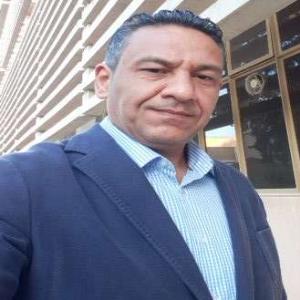
Dr. FATHI SALEM ALI Salam

فتحي سالم علي سالم هو احد أعضاء هيئة التدريس بقسم اللغة الفرنسية بكلية اللغات. يعمل السيد فتحي سالم بجامعة طرابلس كأستاذ مشارك منذ 2020-01-20 وله العديد من المنشورات العلمية في مجال تخصصه.

Publications

Some of publications in faculty of Languages

Usawiri wa Jinsia Katika Lugha ya Mashairi: Mifano kutoka Mashairi ya Shaaban Robert

Utafiti huu unahusu Usawiri wa Jinsia Katika Lugha ya Mashairi: mifano kutoka katika mashairi ya Shaaban Robert. Lengo kuu la utafiti huu ni kuchunguza usawiri wa jinsia katika lugha ya mashairi ya Shaaban Robert katika kazi zake za fasihi za Pambo la Lugha na Maisha Yangu na Baada ya Miaka Hamsini ili kuonyesha jinsi lugha inavyotumika kujadili suala la ujinsia. Utafiti huu ulitumia mbinu nne za ukusanyaji data ambazo ni; maktaba, usaili, dodoso na majadiliano ya vikundi. Sampuli ya utafiti huu iliteuliwa kwa kutumia mbinu ya; madhumuni maalum, kimfumo na uteuzi wa nasibu takabishi. Utafiti huu umegundua kuwa, tamathali za semi zilizotumika katika mashairi ya Shaaban Robert ni: Sitiari, takriri, tashihisi, tasifida na tashibiha. Aidha utafiti huu uligundua kuwa tamathali za semi husawiri swala la ujinsia kwa kuonyesha mahusiano tofauti baina ya mwanamke na mwanaume. Kwa kutumika tamathali za semi mwanamke husawiriwa kama kiumbe dhaifu, tegemezi na asiye na maamuzi binafsi ukilinganisha mwanaume ambaye huonekana kuwa ni jasiri, hodari, shupavu na mwenye maamuzi binafsi. Vile vile, utafiti huu uligundua kuwa, matumizi ya tamathali za semi husawiri nafasi ya mwanamke katika jamii. Kwa kutumika tamathali za semi nafasi ya mwanamke inajibainisha katika: mwanamke katika asasi ya ndoa, mwanamke katika kufanya maamuzi, mwanamke katika elimu, mwanamke katika uzazi na malezi, mwanamke katika mapenzi, mwanamke katika utamaduni, mwanamke katika dini na mwanamke kama kiumbe muhimu katika jamii.
Badredden Mohamed Salem (12-2013)
Publisher's website

آليات تحليل الخطاب الإعلامي للصحف الليبية دراسة تحليلية لصحيفتي الصباح وليبيا الإخبارية

تقدم هذه الدراسة نماذج تطبيقيـة لآليـات تحليـل الخطـاب الإعلامـي للصـحف الليبيـة. منطلقـة مـن السؤال عن الأدوات المستخدمة في كتابة النصوص الإعلامية الإخبارية، وكيفية استخدامها؟ وللإجابة على هذا السؤال؛ تستعرض الدراسة الأدوات اللغويـة المسـتخدمة في الأخبـار التـي تتنـاول الأحـداث الليبيـة السياسية الجارية، وذلك بالتطبيق على كافة المواد التحريرية الأخبارية التي نشرتها أعداد مختلفـة مـن صحيفتي الصباح وليبيا الأخبارية الليبية خـلال الفـترة مـن أول أبريـل وحتـى سـبتمبر 2019، والبـالغ عددها 24 عدداً، بمعدل عددين من كل شهر. وتجادل الدراسة بأن صحيفتي العينة استخدمتا العديد من الأدوات اللغويـة التـي تـأتي تحـت مسـمى التحليـل النقـدي للخطـاب، مثــل التعتـيم (Concealment (والـتملص (Evading (وطريقـة تقـديم الشخصيات الفاعلة في المجتمع (Actors Social of Representation ،(وغهـا مـن الأدوات الأخـرى، أثناء تغطيتها لهذه الأحداث بصياغات وأهداف ومرسات اجتعية وعوامل سياسية وسياقية مختلفـة مصاحبة للنص الإخباري، التي من شأنها أن توجه رأي القارئ نحو قضايا ما، بما يتوافق مع النهج الكتابي الممارس من قبل هيئة تحرير الصحيفت. وتناولت هذه الدراسة أيضاً أهمية استخدام تحليل الخطاب عامة والتحليل النقدي للخطاب على وجـه الخصـوص في مجـال الدراسـات الإعلاميـة، مـن منظـور اللغـة واسـتخداماتها، وبالسـياقات الاجتعيـة والثقافية والسياسية المحيطة بالخطاب الإعلامي، موضحة كذلك الإ شكاليات التي تواجـه هـذا الأسـلوب بسبب غموض مفهومه وتداخل طبيعته مع العلوم الأخرى مثل السياسة والاجتماع.
حمزة امحمد الثلب, خالد أبوالقاسم غلام(6-2019)
Publisher's website

Hidden Hands: An Institutional Force in Political News Translation

This article explores translation in news institutions. While being heavily relied on by media organizations, translation is rarely acknowledged. Translation is deeply interwoven with news in that it is used to employ ideological tendencies and political agendas. This study investigates the powerful role of media institution as a force that intervenes in producing news reports. It uses a questionnaire and interviews to see the influence of editors in the translation of news texts. For this purpose, the views of 21 news translators, journalists and news were surveyed to infer the role of institutions in translation. The study looks at this role from different angles including translator training, instructions given to translators, textual alterations, and policies of news institutions. The findings indicate that intervention by the editors and producers on translation is taking place. The interview participants tend to agree with the intervention of the institution. The questionnaire respondents agree with the statement that translators are given instructions to use specific terminology but disagree with a statement that they have to comply with the policies of the institution.
Hamza Ethelb(5-2020)
Publisher's website

Journals

Journals published by faculty of Languages