Department of Translation

More ...

About Department of Translation

Facts about Department of Translation

We are proud of what we offer to the world and the community

19

Publications

13

Academic Staff

686

Students

0

Graduates

Who works at the Department of Translation

Department of Translation has more than 13 academic staff members

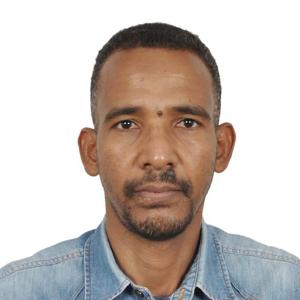
staff photo

Mr. Naeimah Al suweee Ali Ali

نعيمة الصويعي علي هي احد اعضاء هيئة التدريس بقسم الترجمة والتعريب بكلية اللغات. تعمل السيدة نعيمة الصويعي علي بجامعة طرابلس كـمحاضر مساعد منذ 2015-05-17 ولها العديد من المنشورات العلمية في مجال تخصصها

Publications

Some of publications in Department of Translation

Dialects on Screen: Translating Jordanian Dialect into English The Case of Captain Abu Raed Film

This article explores the translation of dialects on-screen within the Jordanian context. Such place of translation is arguably one of the most challenging areas of translation, yet interesting due to its variety. Arab peoples use their dialects to express their opinions on several platforms, including TV media. Audiovisual translation research is growing in investigating subtitling Arabic dialects and languages on screen. Scholars propose a dialect-to-dialect approach or a dialect-to-standard approach. However, in this paper the focus is more on the strategies which inevitably fall within those approaches. The study uses a Jordanian film known as Captain Abu Raed as a source of highlighting and demonstrating translation of dialects within an Arabic context. The initial findings show that some dialectal expressions are taken off or sacrificed by replacing them with neutralized standard language.
Hamza Ethelb(10-2019)
Publisher's website

" سميائية الوصف في سرد الرحلات العربية والإنجليزية لليبيا "

يتصدى هذا البحث لمقاربة موضوع ينفتح على مجالات و حقول أدبية متعددة ، فهو يرصد أحد مجالات الأدب المقارن " سرد الرحلات " ، و هو أدب مهجن ، ومدوَنة أدبية تشترك في دراستها معظم الحقول المعرفية ، التاريخ ، و الجغرافية ، و الأنثروبولوجيا ، إلخ ، و لم يلق الحظ الوفير من الدراسة النقدية ، التي تهدف إلى استخلاص أدبية هذا النص ، و قد تبيَن من خلال هذه الدراسة ، أن هذا النص يمتلك مكونات بنيوية تستند إلى الأدب السردي ؛ و ما يثبت ذلك هو حضور مكونات النص السردي فيه ، المتمثلة في ( الخطاب ، و القصة) ، و هو ما دعا إلى مقاربة سيميائية الوصف في خطابه – الجانب الثاني من الدراسة - فالوصف من عناصر الخطاب السردي الذي لم يلق حظه من الدراسة النقدية إلا مؤخرا ، و قد أثبت المنهج السيميائي فاعليته الإجرائية في استخلاص الوظائف الفنية و الدلالية التي يقوم بها الخطاب الواصف في النص السردي ، و صنف الوصف عبره على أنه من المكونات السردية المهمة التي تعين الناقد على مقاربة النص ، و تشييد دلالة حوله . والجانب المهم في هذه الدراسة الذي نشئت لغايته، هو إخضاعها في ضمن الأدب المقارن.
ليلى سليمان زيادة (2015)
Publisher's website

Hidden Hands: An Institutional Force in Political News Translation

This article explores translation in news institutions. While being heavily relied on by media organizations, translation is rarely acknowledged. Translation is deeply interwoven with news in that it is used to employ ideological tendencies and political agendas. This study investigates the powerful role of media institution as a force that intervenes in producing news reports. It uses a questionnaire and interviews to see the influence of editors in the translation of news texts. For this purpose, the views of 21 news translators, journalists and news were surveyed to infer the role of institutions in translation. The study looks at this role from different angles including translator training, instructions given to translators, textual alterations, and policies of news institutions. The findings indicate that intervention by the editors and producers on translation is taking place. The interview participants tend to agree with the intervention of the institution. The questionnaire respondents agree with the statement that translators are given instructions to use specific terminology but disagree with a statement that they have to comply with the policies of the institution.
Hamza Ethelb(5-2020)
Publisher's website

Documents you Need