Department of Translation

More ...

About Department of Translation

Facts about Department of Translation

We are proud of what we offer to the world and the community

19

Publications

13

Academic Staff

686

Students

0

Graduates

Who works at the Department of Translation

Department of Translation has more than 13 academic staff members

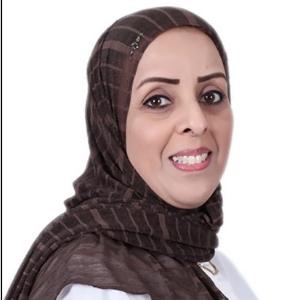
staff photo

Mr. سامية خليفة أحمد عبدالله

سامية المحمودي هي احد اعضاء هيئة التدريس بقسم الترجمة والتعريب بكلية اللغات. تعمل السيدة سامية المحمودي بجامعة طرابلس كـمحاضر مساعد منذ 2012-04-21 ولها العديد من المنشورات العلمية في مجال تخصصها

Publications

Some of publications in Department of Translation

Teaching English to Adult Learners: APractical Remedial Method

This study explores the particularities of teaching English to adult learners. It looks at whether adult learners’ comprehension of lessons is slowed down by factors of teaching style orclassroom settings. The study uses a questionnaire to collect views of adult learners from the Libyan context. The questionnaire that contains 37 statements measures different aspects of teaching English. It was delivered online using Google Forms. Those aspects include teaching style, preferences of correcting mistakes, willingness of cooperation among adult learners, self-dependenceand self-confidenceof learners, and preferred techniques to learninggrammar and vocabulary. This study also offers a remedial method that is inferred from the experience of the researchers and supported by the results of the data. The results show that adult learners have differentperception towards acquiring a foreign language. They agree that they need to better theirlearning input. The suggested remedial process could be an answer to their needs.
Hamza Ethelb(10-2020)
Publisher's website

The Technique of of Calque in the Translation of Political Discourse

The study deals with the problem of the excessive presence of literally translated expressions (Calques) in Arabic political Media. Although Calque is considered to be a recognized technique in translation, yet it is not a good solution in many cases. After a detailed account of various techniques and procedures presented by pioneering translation theoreticians, with special focus on those who have dealt with the technique of Calaque, the study puts us against the disappointing reality lying behind the political discourse as being a tool of ‘truth manipulation’, and how far this discourse employs certain means to achieve its goals. Based on two separate questionnaires, a number of results and conclusions have been reached. The study concludes that the usage of the Calque techniqueis considered as an inappropriate procedure in some cases, when it will result in some structural and ideologically problematic expressions coming into surface. The study emphasizes, as well, the negative effects of the excessive presence of calques on the target language’s listener /reader, besides the positive ones. On the other hand, it recommends that the translator should resort to other techniques, by which the problematic cases could be avoided. arabic 10 English 58
Thuraya Bashir El-Wifati(12-2004)
Publisher's website

Dialects on Screen: Translating Jordanian Dialect into English The Case of Captain Abu Raed Film

This article explores the translation of dialects on-screen within the Jordanian context. Such place of translation is arguably one of the most challenging areas of translation, yet interesting due to its variety. Arab peoples use their dialects to express their opinions on several platforms, including TV media. Audiovisual translation research is growing in investigating subtitling Arabic dialects and languages on screen. Scholars propose a dialect-to-dialect approach or a dialect-to-standard approach. However, in this paper the focus is more on the strategies which inevitably fall within those approaches. The study uses a Jordanian film known as Captain Abu Raed as a source of highlighting and demonstrating translation of dialects within an Arabic context. The initial findings show that some dialectal expressions are taken off or sacrificed by replacing them with neutralized standard language.
Hamza Ethelb(10-2019)
Publisher's website

Documents you Need