كلية الطب البيطري

المزيد ...

حول كلية الطب البيطري

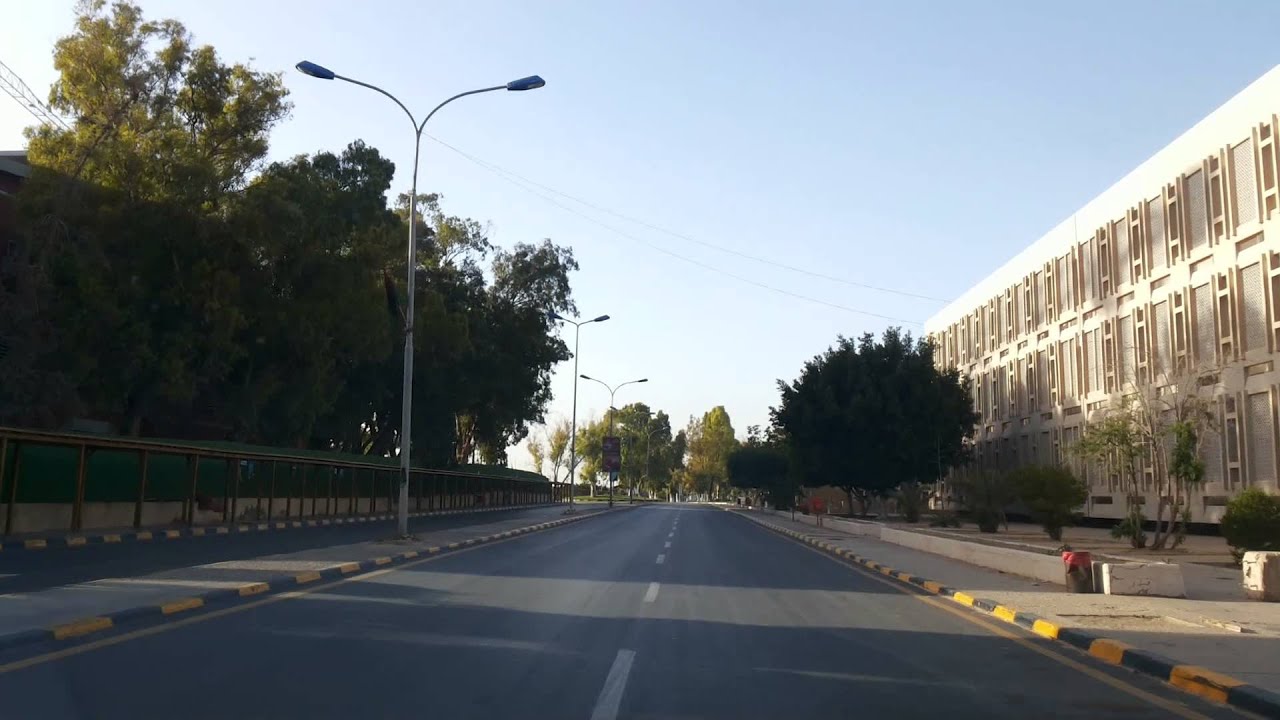
تأسست كلية الطب البيطري عام 1975م كأول كلية للطب البيطري في ليبيا. تعد الكلية من قلاع العلم و المعرفة الهامة بجامعة طرابلس ومؤسسة علمية تلبي إحتياجات المجتمع من الأطباء البيطريين وتساهم في دعم الإقتصاد الوطني من خلال العناية بصحة الحيوان وزيادة الإنتاج الحيواني والمحافظة على صحة الإنسان وحماية البيئة.

حقائق حول كلية الطب البيطري

نفتخر بما نقدمه للمجتمع والعالم

194

المنشورات العلمية

86

هيئة التدريس

245

الطلبة

23

الخريجون

البرامج الدراسية

ماجستير أمراض الدواجن
تخصص أمراض الدواجن

يُنفذ هذا البرنامج من خلال دراسة مقررات دراسية، بحيث لا يقل عدد وحداتها عن (24) وحدة دراسية، وأن لا تزيد عن (30) وحدة دراسية على مدى 3 فصول، بالإضافة إلى إنجاز رسالة بحثية...

التفاصيل

ماجستير أمراض الاسماك
تخصص أمراض الاسماك

يُنفذ هذا البرنامج من خلال دراسة مقررات دراسية، بحيث لا يقل عدد وحداتها عن (24) وحدة دراسية، وأن لا تزيد عن (30) وحدة دراسية على مدى 3 فصول، بالإضافة إلى إنجاز رسالة بحثية...

التفاصيل

من يعمل بـكلية الطب البيطري

يوجد بـكلية الطب البيطري أكثر من 86 عضو هيئة تدريس

staff photo

أ.د. هشام الطاهر الطاهر النعاس

هشام الطاهر النعاس هو احد اعضاء هيئة التدريس بقسم الرقابة الصحية على الاغذية بكلية الطب البيطري. يعمل السيد هشام النعاس بجامعة طرابلس كعضو هيئة تدريس منذ 2000-12-01 وله العديد من المنشورات العلمية في مجال تخصصه

منشورات مختارة

بعض المنشورات التي تم نشرها في كلية الطب البيطري

Isolation and molecular identification of Vibrio spp. by sequencing of 16S rDNA from seafood, meat and meat products in Libya

The genus Vibrio includes several food-borne pathogens that cause a spectrum of clinical conditions including septicemia, cholera and milder forms of gastroenteritis. Several Vibrio spp. are commonly associated with food-borne transmission including Vibrio cholerae, Vibrio parahemolyticus, and Vibrio vulnificus. Microbiological analysis for enumeration and isolation of Vibrio spp. were carried out for a total of 93 samples of seafood, meat and meat products from different geographic localities in Libya (Tripoli, Regdalin, Janzour and Tobruk). Vibrio spp. were detected by conventional cultural and molecular method using PCR and sequencing of 16S rDNA. Out of the 93 cultured samples only 48 (51.6%) yielded colonies on Thiosulfate Citrate Bile Salt agar (TCBS) with culture characteristics of Vibrio spp. More than half (n=27) of processed seafood samples (n=46) yielded colonies on TCBS, while only 44.6% of samples of meat and meat products showed colonies on TCBS. Among cultured seafood samples, the highest bacterial count was recorded in clam with a count of 3.8 х104 CFU\g. Chicken burger samples showed the highest bacterial count with 6.5 х104 CFU\g. Molecular analysis of the isolates obtained in this study, showed that 11 samples out of 48 (22.9%) were Vibrio spp. Vibrio parahemolyticus was isolated from camel meat for the first time. This study is an initial step to provide a baseline for future molecular research targeting Vibrio spp. foodborne illnesses. This data will be used to provide information on the magnitude of such pathogens in Libyan seafood, meat and meat products.
Ibrahim Eldaghayes(3-2016)
Publisher's website

Exploiting serological data to understand the epidemiology of bluetongue virus serotypes circulating in Libya

The epidemiological patterns of Bluetongue (BT) in North Africa and Mediterranean Basin (MB) dramatically changed by emergence of subsequent episodes of novel bluetongue virus (BTV) serotypes with highly pathogenic indexes and socio-economic impacts. The objective of the study was to investigate the sero-prevalence and serotype distribution of BTV in Libya. During 2015-2016, a total of 826 serum samples were collected from domestic ruminants in Libya. All sera were assayed by competitive enzyme-linked immunosorbent assays (c-ELISA). C-Elisa-positive samples (43.3%; 173/400) were further analyzed by virus neutralization assay to identify BTV serotypes and determine the antibody titre of positive samples. An overall BTV sero-prevalence was 48.4% (95% CI: 45.0%-51.8%). Neutralizing antibodies were detected against the following BTV serotypes namely: BTV-1, BTV-2, BTV-3, BTV-4, BTV-9 and BTV-26. While BTV-1, BTV-2, BTV-4 and BTV-9 circulation was unsurprising as they have been responsible of the last year outbreaks in Northern African Countries, the detection of BTV-3 and BTV-26 was definitely new and concerning for the animal health of the countries facing the Mediterranean Basin. It is crucial that European and Northern African authorities collaborate in organizing common surveillance programmes to early detect novel strains or emerging serotypes in order to set up proper preventive measures, and, in case, develop specific vaccines and plan coordinated vaccination campaigns.
Ibrahim Eldaghayes(11-2018)
Publisher's website

Caprine Coccidiosis: An outbreak in the Green Mountain in Libya

This study involved a herd consisting of 200 goats in Green Mountain area, suffering from decrease in weight gain, bloody diarrhoea and severe anaemia and in some cases death within few days. Generally, there was no response to the treatment with antibiotics, anthelmentics and multivitamins. The last animal that died was submitted for post-mortem examination. The disease affecting the herd was diagnosed as coccidiosis. This is the first report of caprine coccidiosis in the Green Mountain Area in Libya.
Abdulwahab Kammon(4-2015)
Publisher's website

قناة كلية الطب البيطري

بعض الفيديوات التي تعرض مناشط كلية الطب البيطري

اطلع علي المزيد