


قسم أمراض الدواجن والأسماك
المزيد ...حول قسم أمراض الدواجن والأسماك
يُصنف قسم أمراض الدواجن والأسماك من الأقسام الإكلينيكية بالكلية، حيث يندرج تحتهُ شُعبتان; شعبة أمراض الدواجن وشعبة أمراض الأسماك ويتم تدريس مادة أمراض الدواجن ومادة أمراض الاسماك وهما من المتطلبات الاساسية لبرنامج بكالوريوس العلوم الطبية البيطرية. وكذلك يمنح القسم درجة الإجازة العليا ( الماجيستير) في العلوم الطبية البيطرية (MVSC) في التخصصات التالية:
1) البرنامج الدراسي لأمراض الدواجن.
2) البرنامج الدراسي أمراض الأسماك.
حقائق حول قسم أمراض الدواجن والأسماك
نفتخر بما نقدمه للمجتمع والعالم
المنشورات العلمية
هيئة التدريس
البرامج الدراسية

ماجستير أمراض الدواجن
يُنفذ هذا البرنامج من خلال دراسة مقررات دراسية، بحيث لا يقل عدد وحداتها عن (24) وحدة دراسية، وأن لا تزيد عن (30) وحدة دراسية على مدى 3 فصول، بالإضافة إلى إنجاز رسالة بحثية...
التفاصيل
ماجستير أمراض الاسماك
يُنفذ هذا البرنامج من خلال دراسة مقررات دراسية، بحيث لا يقل عدد وحداتها عن (24) وحدة دراسية، وأن لا تزيد عن (30) وحدة دراسية على مدى 3 فصول، بالإضافة إلى إنجاز رسالة بحثية...
التفاصيلمن يعمل بـقسم أمراض الدواجن والأسماك
يوجد بـقسم أمراض الدواجن والأسماك أكثر من 8 عضو هيئة تدريس

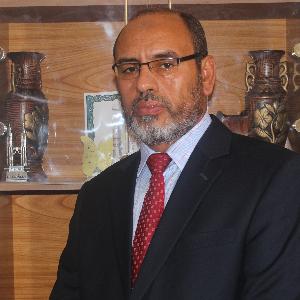


د. ايهاب عبدالله الطيب الشريف
الأسم رباعي: إيهاب عبدالله الطيب الشريف مكان الميلاد: 1966 طرابلس – ليبيا الوضع الإجتماعي: متزوج المؤهـل العـلمي الحـالي:- درجة الدكتوراة البحثية. مجـــال التخصص في: مجال علوم البحار وأحياء البيئة البحرية. سنة الحصول عليه: 2013 – 2017 من معهد البيئة البحرية الساحلية (IAMC-CNR) – إيطاليا. - دبلوم متقدم في مجال البيئة المائية سنة 2011 من جامعة كولونيا – ألمانيا. - دبلوم العلاقات الدبلوماسية و السياسية و المنازعات ذات الطابع الدولي. المـؤهل الجـامعي : بكالوريس طب بيطري – كلية الطب البيطري - جامعة طرابلس – ليبيا سنة الحصول عليه: 1990-/ 1991 جامعة طرابلس. المجالات و الإهتمامات: أمراض الأسماك , البيئة والتلوث البحري . مراقبة و جودة المنتجات السمكية. الهندسة الوراثية والتقنيات الحيوية البحرية. الزراعات المائية. المتاحف البحرية الخبرة, التعين والتاريخ الوظيفي: 1. العمل كطبيب بيطري بمستوصف عين زارة البيطري من سنة 1990 - 1993. 2. العمل كطبيب بيطري بمحطات أبحاث الأبقار والأغنام بكلية الزراعة / جامعة طرابلس من 1993 – 1995. 3. باحث مختص أمراض الأسماك والأحياء الدقيقة بمركز بحوث الأحياء البحرية من 1995 حتى 2019. 4. مدقق بالمركز الوطني لضمان جودة وإعتماد المؤسسات التعليمية. 5. عضو(سابق) باللجنة الفنية المتخصصة في مجال مواصفات وجودة السلع والمنتجات البيطرية التابع للمركز الوطني للمواصفات والمعايير القياسية. 6. عضو اللجنة الدائمة لمنح المؤسسات تراخيص تصدير المنتجات السمكية الليبية وضبط الجودة للأسماك ومنتجات الصيد البحري المصدرة بمركز تنمية الصادرات الخاصة. 7. عضو باللجنة العليا لتسجيل الأدوية والمستحضرات الطبية البيطرية. 8. عضو لجنة إدارة الهيئة العامة للثروة البحرية.


