كلية الطب البيطري

المزيد ...

حول كلية الطب البيطري

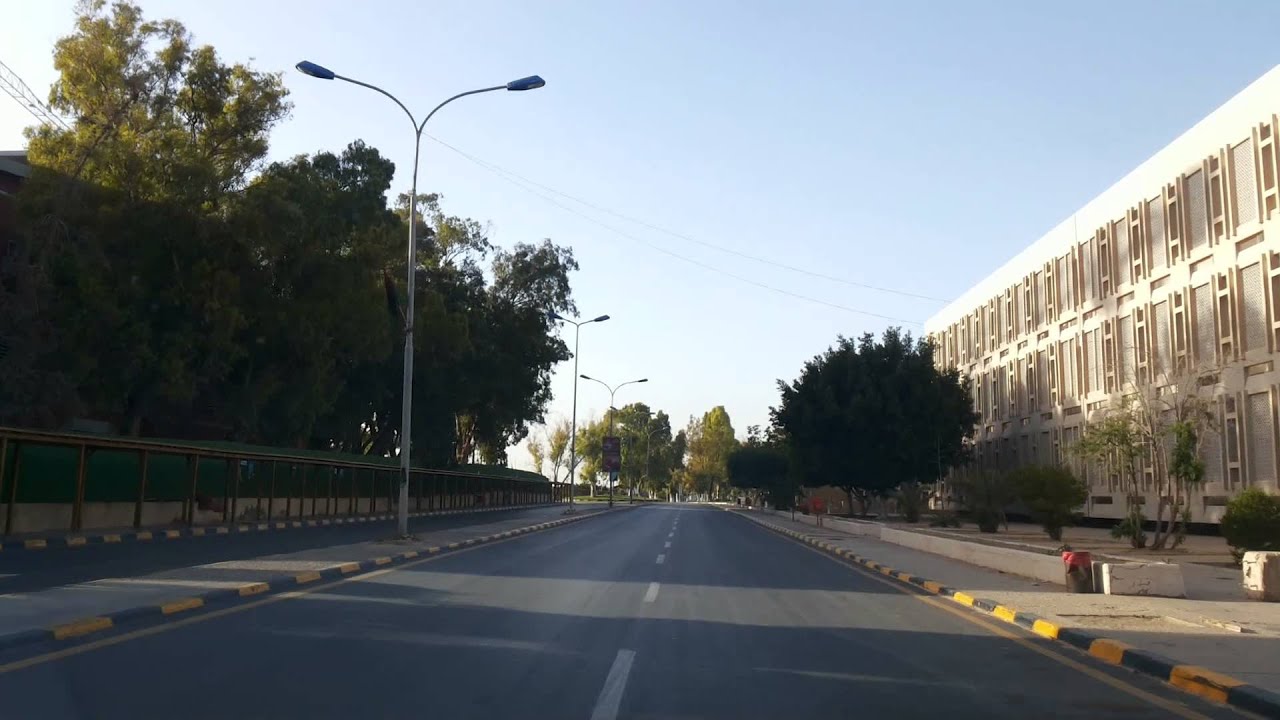
تأسست كلية الطب البيطري عام 1975م كأول كلية للطب البيطري في ليبيا. تعد الكلية من قلاع العلم و المعرفة الهامة بجامعة طرابلس ومؤسسة علمية تلبي إحتياجات المجتمع من الأطباء البيطريين وتساهم في دعم الإقتصاد الوطني من خلال العناية بصحة الحيوان وزيادة الإنتاج الحيواني والمحافظة على صحة الإنسان وحماية البيئة.

حقائق حول كلية الطب البيطري

نفتخر بما نقدمه للمجتمع والعالم

194

المنشورات العلمية

86

هيئة التدريس

245

الطلبة

23

الخريجون

البرامج الدراسية

ماجستير أمراض الدواجن
تخصص أمراض الدواجن

يُنفذ هذا البرنامج من خلال دراسة مقررات دراسية، بحيث لا يقل عدد وحداتها عن (24) وحدة دراسية، وأن لا تزيد عن (30) وحدة دراسية على مدى 3 فصول، بالإضافة إلى إنجاز رسالة بحثية...

التفاصيل

ماجستير أمراض الاسماك
تخصص أمراض الاسماك

يُنفذ هذا البرنامج من خلال دراسة مقررات دراسية، بحيث لا يقل عدد وحداتها عن (24) وحدة دراسية، وأن لا تزيد عن (30) وحدة دراسية على مدى 3 فصول، بالإضافة إلى إنجاز رسالة بحثية...

التفاصيل

من يعمل بـكلية الطب البيطري

يوجد بـكلية الطب البيطري أكثر من 86 عضو هيئة تدريس

staff photo

أ.د. عامر عبدالله صالح القروى

عامر القروى هو احد اعضاء هيئة التدريس بقسم أدوية وسموم وطب شرعي بكلية الطب البيطري. يعمل السيد عامر القروى بجامعة طرابلس كـأستاذ منذ 2016-11-27 وله العديد من المنشورات العلمية في مجال تخصصه

منشورات مختارة

بعض المنشورات التي تم نشرها في كلية الطب البيطري

Isolation, Serological and Molecular Detection of Infectious Laryngotracheitis Virus (ILTV) in Chickens in Libya

Infectious Laryngotracheitis (ILT) is a viral respiratory disease of poultry caused by Gallid herpesvirus 1 leading to severe economic losses. The aim of the current study was to isolate and identify ILT virus in suspected outbreaks of one broiler flock (farm 1) and three layer flocks (farms 2,3 and 4) located in Tripoli. Samples of trachea were collected and preserved in transport media for viral isolation and some were preserved in 10% neutral formalin for histopathology. Broiler and Layer flocks were serologically monitored and tested for the presence of antibodies by ELISA against ILTV at first days old and later at slaughter age for broilers and before the onset of production for layers in which total of 290 blood samples were collected from six poultry farms (3 broiler flocks and 3 layer flocks). Following isolation of the virus in fertile eggs, chorio-allantoic membrane (CAM) samples were confirmed by PCR and histopathology. The lesions seen on the CAMs were congestion, hemorrhages and pocks after 5 days post inoculation. Samples from farm 1 and 3 were positive whereas other farms were negative. Histopathology of CAMs revealed edema, congestion, haemorrhages, infiltration of heterophils and mononuclear cells, and presence of syncytial cells containing intranuclear inclusion bodies. The trachea revealed severe destruction and sloughing of the mucosa due to necrosis. The results of this study confirmed the circulation of ILTV in commercial poultry flocks and highlighted the need for more epidemiologic investigation of the disease arabic 16 English 96
Abdulwahab Kammon, Jamaal Shabba, Yousef Abouzeed, Abdulatif Asheg (2-2020)
Publisher's website

Extent of pathogenic and spoilage microorganisms in whole muscle meat, meat products and seafood sold in Libyan market

Background: Whole muscle meat, meat products, and seafood contain different nutrients in adequate quantity providing a better environment for presence and replication of different microorganisms. There are underreported and inaccurate estimations of foodborne diseases due to the lack of effective surveillance systems in Libya. Aim: To determine the extent of microbiological contamination of whole muscle meat, meat products, and seafood. Methods: A total number of 731 samples of retail meat were collected from different stores in four cities in Libya. Samples were analyzed for aerobic plate count and subjected to microbiological enumeration and isolation techniques, followed by molecular identification by PCR and partial sequencing of 16S rDNA. Results: The results showed contamination of samples with enteric and spoilage bacteria. Fifteen genera of spoilage bacteria yielded 149 isolates which were detected and identified by PCR and partial sequencing of 16S rDNA as: Proteus spp., Provedencia spp., Raouttella ornithinolytical, Citrobacter spp., Enterobacter spp., Morganella morgi, Shewanella algea, Rhodobacter capsulatus, Listonella pelagia, Kluyvera spp., Pectobacterium spp., Brenneria spp., Klebsiella spp., Acintobacter radioresistens, and Pantoea spp. While for pathogenic bacteria, 143 isolates distributed among nine genera were identified by PCR and partial sequencing of 16S rDNA as: Bacillus spp., Escherichia spp., Shigella spp., Enterococci spp., Cronobacter spp., Staphylococci spp., Salmonella spp., Aeromonas spp., and Vibrio spp.. Many isolated bacteria are zoonotic bacteria with high importance for public health. Conclusion: Excessive handling and processing of meat and meat products seems to be one of the poorest microbiological qualities. These findings ought to be helpful in risk assessments and quality assurance of meat in order to improve food safety.
Ibrahim Eldagahyes(9-2020)
Publisher's website

Outbreaks of Foot-and-Mouth Disease in Libya and Saudi Arabia During 2013 Due to an Exotic O/ME-SA/Ind-2001 Lineage Virus

Foot-and-mouth disease viruses are often restricted to specific geographical regions and spread to new areas may lead to significant epidemics. Phylogenetic analysis of sequences of the VP1 genome region of recent outbreak viruses from Libya and Saudi Arabia has revealed a lineage, O-Ind-2001, normally found in the Indian subcontinent. This paper describes the characterization of field viruses collected from these cases and provides information about a new real-time RT-PCR assay that can be used to detect viruses from this lineage and discriminate them from other endemic FMD viruses that are co-circulating in North Africa and western Eurasia.
Abdulwahab Kammon(1-2014)
Publisher's website

قناة كلية الطب البيطري

بعض الفيديوات التي تعرض مناشط كلية الطب البيطري

اطلع علي المزيد