كلية الطب البيطري

المزيد ...

حول كلية الطب البيطري

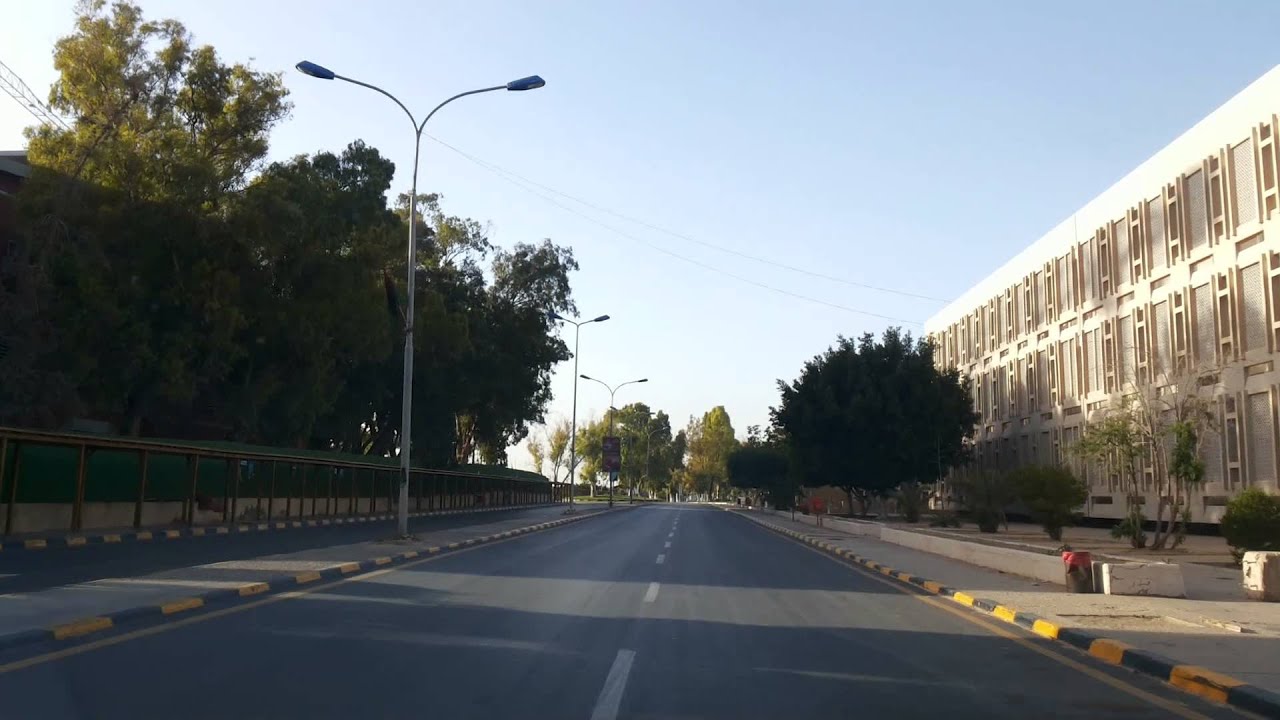
تأسست كلية الطب البيطري عام 1975م كأول كلية للطب البيطري في ليبيا. تعد الكلية من قلاع العلم و المعرفة الهامة بجامعة طرابلس ومؤسسة علمية تلبي إحتياجات المجتمع من الأطباء البيطريين وتساهم في دعم الإقتصاد الوطني من خلال العناية بصحة الحيوان وزيادة الإنتاج الحيواني والمحافظة على صحة الإنسان وحماية البيئة.

حقائق حول كلية الطب البيطري

نفتخر بما نقدمه للمجتمع والعالم

194

المنشورات العلمية

86

هيئة التدريس

245

الطلبة

23

الخريجون

البرامج الدراسية

ماجستير أمراض الدواجن
تخصص أمراض الدواجن

يُنفذ هذا البرنامج من خلال دراسة مقررات دراسية، بحيث لا يقل عدد وحداتها عن (24) وحدة دراسية، وأن لا تزيد عن (30) وحدة دراسية على مدى 3 فصول، بالإضافة إلى إنجاز رسالة بحثية...

التفاصيل

ماجستير أمراض الاسماك
تخصص أمراض الاسماك

يُنفذ هذا البرنامج من خلال دراسة مقررات دراسية، بحيث لا يقل عدد وحداتها عن (24) وحدة دراسية، وأن لا تزيد عن (30) وحدة دراسية على مدى 3 فصول، بالإضافة إلى إنجاز رسالة بحثية...

التفاصيل

من يعمل بـكلية الطب البيطري

يوجد بـكلية الطب البيطري أكثر من 86 عضو هيئة تدريس

staff photo

أ.د. عبدالرزاق على سالم كربان

عبدالرزاق كربان هو احد اعضاء هيئة التدريس بقسم وظائف الاعضاء والكيمياء الحيوية والتغذية بكلية الطب البيطري. يعمل السيد عبدالرزاق كربان بجامعة طرابلس كـأستاذ منذ 2021-04-01 وله العديد من المنشورات العلمية في مجال تخصصه

منشورات مختارة

بعض المنشورات التي تم نشرها في كلية الطب البيطري

Patho-biochemical studies on hepatotoxicity and nephrotoxicity on exposure to chlorpyrifos and imidacloprid in layer chickens

The hepatotoxicity and nephrotoxicity of chlorpyrifos (CPF) and imidacloprid (IMC) insecticides were experimentally studied in layer chickens, taking into account the patho-biochemical alterations. The LD50 values estimated were 41 mg/kg bw and 104.1 mg/kg bw for CPF and IMC, respectively. The plasma cholineesterase enzyme was severely inhibited in chickens given a single dose of CPF at a rate of 55 mg/kg bw via oral gavage, while it remained unchanged in chickens given IMC at rate of 139 mg/kg bw via similar route. The activities of liver function enzymes viz. AKP, ALT and AST were significantly increased in chickens of CPF and IMC groups. Uric acid level was significantly increased and cholesterol level was only significantly reduced in the plasma of chickens administrated CPF. Plasma glucose values in chickens given CPF as well as in chickens given IMC were significantly increased at (P
Abdulwahab Kammon(1-2010)
Publisher's website

Isolation and molecular identification of Vibrio spp. by sequencing of 16S rDNA from seafood, meat and meat products in Libya

The genus Vibrio includes several food-borne pathogens that cause a spectrum of clinical conditions including septicemia, cholera and milder forms of gastroenteritis. Several Vibrio spp. are commonly associated with food-borne transmission including Vibrio cholerae, Vibrio parahemolyticus, and Vibrio vulnificus. Microbiological analysis for enumeration and isolation of Vibrio spp. were carried out for a total of 93 samples of seafood, meat and meat products from different geographic localities in Libya (Tripoli, Regdalin, Janzour and Toubruk). Vibrio spp. were detected by conventional cultural and molecular method using PCR and sequencing of 16S rDNA. Out of the 93 cultured samples only 48 (51.6%) yielded colonies on Thiosulfate Citrate Bile Salt agar (TCBS) with culture characteristics of Vibrio spp. More than half (n=27) of processed seafood samples (n=46) yielded colonies on TCBS, while only 44.6 % of samples of meat and meat products showed colonies on TCBS. Among cultured seafood samples, the highest bacterial count was recorded in clam with a count of 3.8 х104 CFU\g. Chicken burger samples showed the highest bacterial count with 6.5 х104 CFU\g. Molecular analysis of the isolates obtained in this study, showed that 11 samples out of 48 (22.9%) were Vibrio spp. Vibrio parahemolyticus was isolated from camel meat for the first time. This study is an initial step to provide a baseline for future molecular research targeting Vibrio spp. foodborne illnesses. This data will be used to provide information on the magnitude of such pathogens in Libyan seafood, meat and meat products.
Salah M. Azwai(1-2016)
Publisher's website

Isolation and Molecular Identification of Vibrio spp. by Sequencing of 16S rDNA from Seafood, Meat and Meat Products in Libya: A Descriptive Study

The main objective of this study was to characterize bacteria isolated from seafood, meat and meat products that may cause foodborne illnesses. We plan to use this data to help create a baseline for future research into foodborne illness in Libya. Several food-borne organisms in the genus Vibrio produce a variety of clinical disorders, including septicemia, cholera, and milder types of gastroenteritis. Vibrio cholerae, Vibrio parahemolyticus, and Vibrio vulnificus are among the Vibrio spp. that are usually related with food-borne transmission. A total of 93 samples (Table 1) of seafood, meat and meat products that includes 21 of shrimps; 5 of clam; 20 of fish; 34 samples of raw meat (10 beef, 9 camel meat, 6 mutton and 9 chickens) and 13 samples of meat products (2 beef sausages, 5 beef burgers, 5 chicken burgers and 1 kebab) were randomly collected from different geographic localities in Libya [Tripoli, Regdalin (120 km west of Tripoli), Janzour (30 km west of Tripoli) and Tobruk (1400 km east of Tripoli)]. Each sample was 250 g in weight. Out of the 93 cultured samples only 48 (51.6%) yielded colonies on Thiosulfate Citrate Bile Salt agar (TCBS) with culture characteristics of Vibrio spp. More than half (n=27) of processed seafood samples (n=46) yielded colonies on TCBS, while only 44.6% of samples of meat and meat products showed colonies on TCBS. Among cultured seafood samples, the highest bacterial count was recorded in clam with a count of 3.8 х10 4 CFU\g. Chicken burger samples showed the highest bacterial count with 6.5 х10 4 CFU\g. Molecular analysis of the isolates obtained in this study, showed that 11 samples out of 48 (22.9%) were Vibrio spp. Vibrio parahemolyticus was isolated from camel meat for the
Salah M. Azwai(1-2022)
Publisher's website

قناة كلية الطب البيطري

بعض الفيديوات التي تعرض مناشط كلية الطب البيطري

اطلع علي المزيد