كلية الطب البيطري

المزيد ...

حول كلية الطب البيطري

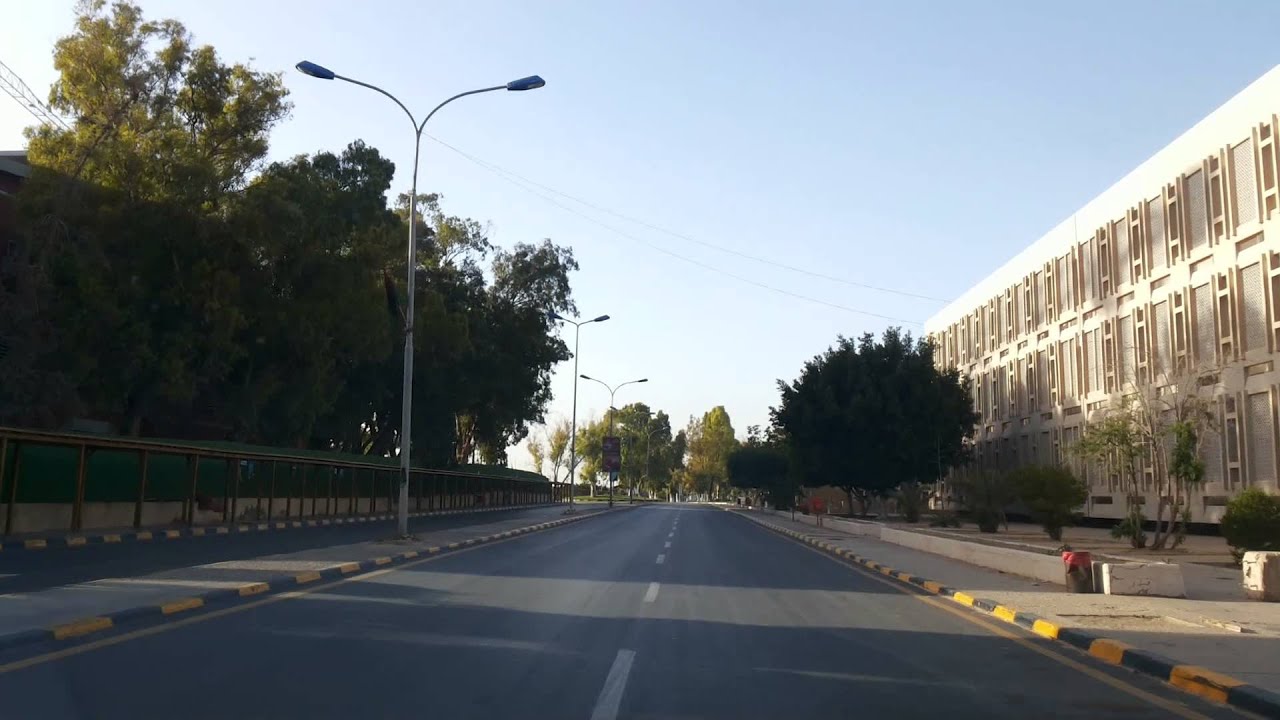
تأسست كلية الطب البيطري عام 1975م كأول كلية للطب البيطري في ليبيا. تعد الكلية من قلاع العلم و المعرفة الهامة بجامعة طرابلس ومؤسسة علمية تلبي إحتياجات المجتمع من الأطباء البيطريين وتساهم في دعم الإقتصاد الوطني من خلال العناية بصحة الحيوان وزيادة الإنتاج الحيواني والمحافظة على صحة الإنسان وحماية البيئة.

حقائق حول كلية الطب البيطري

نفتخر بما نقدمه للمجتمع والعالم

194

المنشورات العلمية

86

هيئة التدريس

245

الطلبة

23

الخريجون

البرامج الدراسية

ماجستير أمراض الدواجن
تخصص أمراض الدواجن

يُنفذ هذا البرنامج من خلال دراسة مقررات دراسية، بحيث لا يقل عدد وحداتها عن (24) وحدة دراسية، وأن لا تزيد عن (30) وحدة دراسية على مدى 3 فصول، بالإضافة إلى إنجاز رسالة بحثية...

التفاصيل

ماجستير أمراض الاسماك
تخصص أمراض الاسماك

يُنفذ هذا البرنامج من خلال دراسة مقررات دراسية، بحيث لا يقل عدد وحداتها عن (24) وحدة دراسية، وأن لا تزيد عن (30) وحدة دراسية على مدى 3 فصول، بالإضافة إلى إنجاز رسالة بحثية...

التفاصيل

من يعمل بـكلية الطب البيطري

يوجد بـكلية الطب البيطري أكثر من 86 عضو هيئة تدريس

staff photo

د. عبدالرحمن محمد صالح الرطيب

عبدالرحمن الرطيب هو أحد أعضاء هيئة التدريس بقسم التشريح والأنسجة والأجنة بكلية الطب البيطري. يعمل السيد عبدالرحمن الرطيب بجامعة طرابلس كـأستاذ مشارك وله العديد من المنشورات العلمية في مجال تخصصه.

منشورات مختارة

بعض المنشورات التي تم نشرها في كلية الطب البيطري

Successful Anatomical Access for Surgical Removing of the Distal Fracture of Splint Bones in Thoroughbred Horses (Case Study)

Poor performance in athletic horses due to musculoskeletal affections is very common in Libya. Two mature thoroughbred horses suffering from poor performance and history of moderate degree forelimb lameness were admitted to the Aswany Private Equine clinic in Tripoli, Libya. The study is aiming for presenting a simple, time effective, cost effective surgical procedure to treat distal simple splint bone fracture in thoroughbred horses. Horses were examined thoroughly for the common muscle, hoof, and tendons affections. A progressed unilateral left forelimb swelling involving the lateral distal part of the fourth metacarpal bones was noticed. Three radiographs were taken to each horse including latero- medial, dorsolateral-palmaromedial, and palmarolateral-dorsomedial views to assess both splint bones. The radiographs showed that there is a complete fracture involving the distal extremity (button) of the fourth metacarpal bones. Surgical excisions of the fractured part of the splint bones have been decided to treat these horses. To precisely locate the site of the bone fragments, 1.5 mm stainless steel wires were placed over the distal part of splint prior to taking the radiographs. The surgical sites were aseptically prepared, and the horses were then sedated via intravenous injection of xylazine at a dose rate of 1 mg/kg body weight. The site of surgical incision was infiltrated with 2% lidocaine. The bone fragments were then removed after performing the surgical incision. The sharp end at the distal end of the proximal part of the splint bone was then smoothening with a scissor. The surgical incisions were then routinely closed and the post-operative care and radiographs were taken. The surgical incision made complete healing within two weeks. Both horses were followed up for up to three years post-operation, and they did well compared to what has been done in other studies. We concluded that the surgical technique used to treat the two horses with splint bone fracture enrolled in the current study is a simple and effective procedure. arabic 19 English 106
Mohamed H. Abushhiwa, Osma K Sawesi, Khaled A. Milad, Aiman. A. Shalgum, Abdulrhman Mohamed Salah Alrtib(9-2019)
Publisher's website

A novel Bluetongue virus serotype 3 strain in Tunisia, November 2016

Since 1998, southern Europe has experienced multiple incursions of different serotypes and topotypes of Bluetongue virus, a vector-borne transmitted virus, the causative agent of Bluetongue (BT), a major disease of ruminants. Some of these incursions originated from northern Africa, likely because of wind-blown dissemination of infected midges. In this report, we describe the detection and whole genome characterization of a novel BTV-3 strain identified in a symptomatic sheep in Tunisia. Sequences were immediately deposited with the GenBank Database under Accession Nos KY432369-KY432378. Alert and preparedness are requested to face the next vector seasons in northern Africa and the potential incursion of this novel strain in southern Europe arabic 11 English 57
Abdusalam Sharef Abdusalam Mahmoud(1-2021)
Publisher's website

Isolation and Molecular Identification of Vibrio spp. by Sequencing of 16S rDNA from Seafood, Meat and Meat Products in Libya: A Descriptive Study

The main objective of this study was to characterize bacteria isolated from seafood, meat and meat products that may cause foodborne illnesses. We plan to use this data to help create a baseline for future research into foodborne illness in Libya. Several food-borne organisms in the genus Vibrio produce a variety of clinical disorders, including septicemia, cholera, and milder types of gastroenteritis. Vibrio cholerae, Vibrio parahemolyticus, and Vibrio vulnificus are among the Vibrio spp. that are usually related with food-borne transmission. A total of 93 samples (Table 1) of seafood, meat and meat products that includes 21 of shrimps; 5 of clam; 20 of fish; 34 samples of raw meat (10 beef, 9 camel meat, 6 mutton and 9 chickens) and 13 samples of meat products (2 beef sausages, 5 beef burgers, 5 chicken burgers and 1 kebab) were randomly collected from different geographic localities in Libya [Tripoli, Regdalin (120 km west of Tripoli), Janzour (30 km west of Tripoli) and Tobruk (1400 km east of Tripoli)]. Each sample was 250 g in weight. Out of the 93 cultured samples only 48 (51.6%) yielded colonies on Thiosulfate Citrate Bile Salt agar (TCBS) with culture characteristics of Vibrio spp. More than half (n=27) of processed seafood samples (n=46) yielded colonies on TCBS, while only 44.6% of samples of meat and meat products showed colonies on TCBS. Among cultured seafood samples, the highest bacterial count was recorded in clam with a count of 3.8 х10 4 CFU\g. Chicken burger samples showed the highest bacterial count with 6.5 х10 4 CFU\g. Molecular analysis of the isolates obtained in this study, showed that 11 samples out of 48 (22.9%) were Vibrio spp. Vibrio parahemolyticus was isolated from camel meat for the
Salah M. Azwai(1-2022)
Publisher's website

قناة كلية الطب البيطري

بعض الفيديوات التي تعرض مناشط كلية الطب البيطري

اطلع علي المزيد