كلية الطب البيطري

المزيد ...

حول كلية الطب البيطري

تأسست كلية الطب البيطري عام 1975م كأول كلية للطب البيطري في ليبيا. تعد الكلية من قلاع العلم و المعرفة الهامة بجامعة طرابلس ومؤسسة علمية تلبي إحتياجات المجتمع من الأطباء البيطريين وتساهم في دعم الإقتصاد الوطني من خلال العناية بصحة الحيوان وزيادة الإنتاج الحيواني والمحافظة على صحة الإنسان وحماية البيئة.

حقائق حول كلية الطب البيطري

نفتخر بما نقدمه للمجتمع والعالم

194

المنشورات العلمية

86

هيئة التدريس

245

الطلبة

23

الخريجون

البرامج الدراسية

ماجستير أمراض الدواجن
تخصص أمراض الدواجن

يُنفذ هذا البرنامج من خلال دراسة مقررات دراسية، بحيث لا يقل عدد وحداتها عن (24) وحدة دراسية، وأن لا تزيد عن (30) وحدة دراسية على مدى 3 فصول، بالإضافة إلى إنجاز رسالة بحثية...

التفاصيل

ماجستير أمراض الاسماك
تخصص أمراض الاسماك

يُنفذ هذا البرنامج من خلال دراسة مقررات دراسية، بحيث لا يقل عدد وحداتها عن (24) وحدة دراسية، وأن لا تزيد عن (30) وحدة دراسية على مدى 3 فصول، بالإضافة إلى إنجاز رسالة بحثية...

التفاصيل

من يعمل بـكلية الطب البيطري

يوجد بـكلية الطب البيطري أكثر من 86 عضو هيئة تدريس

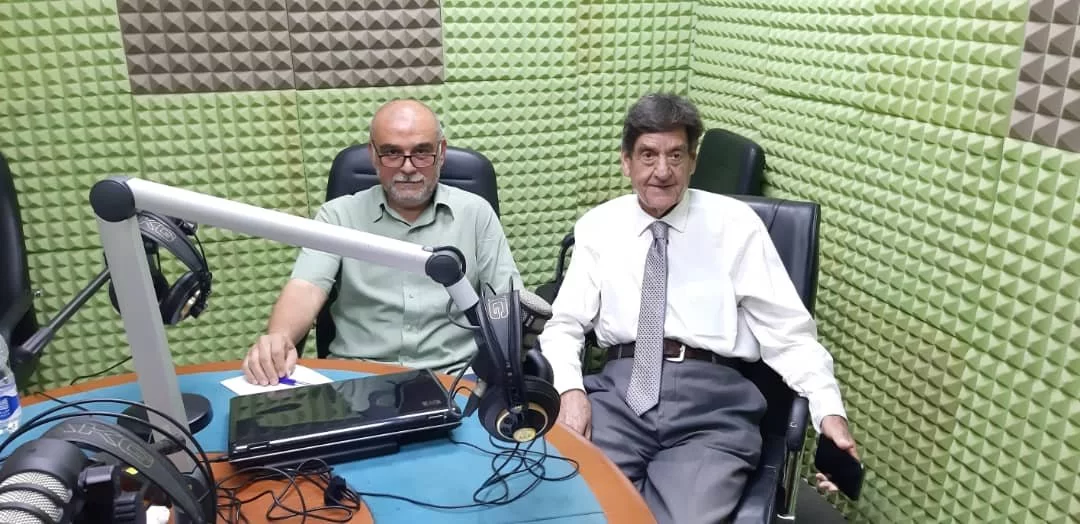
staff photo

أ.د. عبداللطيف عبدالعزيز محمد العاشق

عبداللطيف العاشق هو حاليا أستاذ الدكتور رئيس قسم امراض الدواجن والأسماك بكلية الطب البيطري أستاذ علم امراض الدواجن متزوج وله ثلاثة أبناء تدرج في الوظيفة من معيد بكلية الطب البيطري سنة 1991م وتحضير درجة الاجازة العالية سنة 1995م في نفس التخصص من كلية الطب البيطري جامعة طرابلس الى ان تحصل على درجة الدكتوراه من جامعة كوشيتسا للطب البيطري سنة 2003م و لديه الكثير من الأبحاث العلمية في مجال التخصص وقد تقلد مناصب منها رئيس نقابة أعضاء هيئة التدريس بجامعة طرابلس عن طريق الانتخاب سنة 2012 -2013م وكذلك تحصل على منصب رئيس جامعة صبراتة عن طريق المفاضلة التي اقرتها وزارة التعليم العالي سنة 2018م وادار جامعة صبراتة لمدة سنتان ونصف حققت جامعة صبراتة تقدم ملحوظ من ناحية التصنيفات العالمية والمحلية في تلك الفترة.

منشورات مختارة

بعض المنشورات التي تم نشرها في كلية الطب البيطري

Seroprevalence and potential risk factors associated with Toxoplasma gondii infection in women from Tripoli, Libya

Aims: To determine the seroprevalence of Toxoplasma gondii (T. gondii) in women from Aljalla Maternity and Gynaecology Hospital (AMGH) and to evaluate the association between the infection and potential risk factors. Methods: A cross-sectional study was conducted at AMGH in Tripoli during the year 2012. Data on potential risk factors were collected by a structured questionnaire and results of the test. The output data of questionnaire were used to assess potential risk factors for positive outcome. All sera (n = 500) was screened against ToxoG, by using the Vidas machine automated enzyme-linked florescent immunoassay. The association between the outcome variables and its potential risk factors were screened in a multivariate analysis. A p-value < 0.05 was considered to be significant. Results: The overall seroprevalence was estimated to be 50.8% with 95% confidence interval (CI) (46.42%–55.18%). The results revealed that T. gondii infection is highly prevalent, and eating habits (consuming raw meat and/or raw vegetables or fruits) were highly significant associated in multivariable analysis. Expectedly, a significantly [odds ratio (OR):1.712; p =
Abdusalam Sharef Abdusalam Mahmoud(1-2019)
Publisher's website

First seroprevalence investigation of epizootic haemorrhagic disease virus in Libya

Abstract Background: Epizootic haemorrhagic disease (EHD) is a vector-borne viral disease of domestic and wild ruminants. Epizootic haemorrhagic disease virus (EHDV) is transmitted by Culicoides spp. EHDV is a member of the Orbivirus genus within the Reoviridae family. It shares many morphological and structural characteristics with other members of the genus, such as the bluetongue virus, African horse sickness virus, and equine encephalosis virus. Aims: The purpose of our study was to investigate the epidemiological situation of EHDV in Libya in order to gain some knowledge about the presence of this virus in the country. Methods: In this study, we investigated the seroprevalence of EHDV in Libya, testing 855 blood samples collected during 2015. The samples were collected from domestic ruminants (cattle, sheep, and goats) originating from 11 provinces of Libya. Sera were tested by competitive enzyme-linked immunosorbent assays and positive samples confirmed by serum neutralization test. Results: The overall seroprevalence of EHDV was estimated to be 4% (95% confidence intervals = 2.8%–5.4%). Small ruminant seroprevalence was significantly (p = 0.016) higher than that found in cattle. Neutralizing antibodies against EHDV-6 were detected in a sheep from the western region of Libya. Conclusion: This study suggests that EHDV has circulated or is circulating in Libya, and sheep could play an important role in the epidemiology of EHDV, and the virus may still be circulating in North Africa. Keywords: EHD, EHDV-6, Seroprevalence, Libya.
Abdusalam Sharef Abdusalam Mahmoud(6-2021)
Publisher's website

An evolving research culture: Analysis of biomedical publications from Libya, 2003–13

Understanding the publication output of a country’s biomedical research can provide information for strengthening its policies, economy, and educational systems. Yet, this is the first bibliometric study to date to analyze and provide an in-depth discussion of the biomedical research productivity from Libyan academic institutions. The biomedical research productivity of higher education institutes and affiliated hospitals from Libya, with a focus on the higher education sector, was analyzed and discussed for the period of 2003–13 using the PubMed database. A questionnaire online survey was also developed to obtain opinions of Libyan scientists on productivity status and quality of research output. A total of 345 peer-reviewed articles were included in the analysis and were authored by researchers in the cities of Benghazi (32%), Tripoli (29%), Al-Zawiya (9%), Al-Bayda (8%), Sabha (3%), Misrata (3%), and Al-Khoms (1%). The papers included co-authors and/or corresponding authors from over 40 other countries were published in 179 journals covering a broad range of biomedical topics. Questionnaire (44% response rate) indicated research is largely self-funded. Information along with accurate, comprehensive, and transparent metrics can be applied to aid governmental and nongovernmental institutions to develop stable infrastructures for academic communities to achieve effective research performance and innovation.
Mohamed O. Ahmed, Et Al.(10-2017)
Publisher's website

قناة كلية الطب البيطري

بعض الفيديوات التي تعرض مناشط كلية الطب البيطري

اطلع علي المزيد