كلية الطب البيطري

المزيد ...

حول كلية الطب البيطري

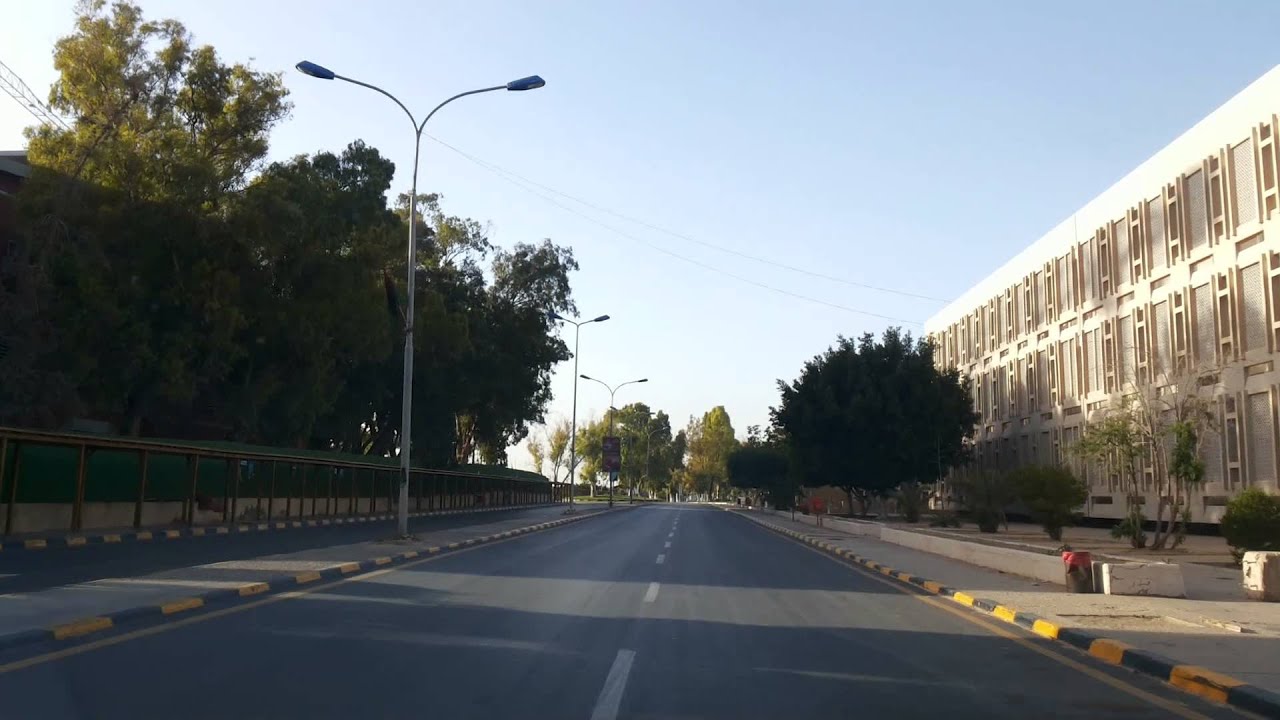
تأسست كلية الطب البيطري عام 1975م كأول كلية للطب البيطري في ليبيا. تعد الكلية من قلاع العلم و المعرفة الهامة بجامعة طرابلس ومؤسسة علمية تلبي إحتياجات المجتمع من الأطباء البيطريين وتساهم في دعم الإقتصاد الوطني من خلال العناية بصحة الحيوان وزيادة الإنتاج الحيواني والمحافظة على صحة الإنسان وحماية البيئة.

حقائق حول كلية الطب البيطري

نفتخر بما نقدمه للمجتمع والعالم

194

المنشورات العلمية

86

هيئة التدريس

245

الطلبة

23

الخريجون

البرامج الدراسية

ماجستير أمراض الدواجن
تخصص أمراض الدواجن

يُنفذ هذا البرنامج من خلال دراسة مقررات دراسية، بحيث لا يقل عدد وحداتها عن (24) وحدة دراسية، وأن لا تزيد عن (30) وحدة دراسية على مدى 3 فصول، بالإضافة إلى إنجاز رسالة بحثية...

التفاصيل

ماجستير أمراض الاسماك
تخصص أمراض الاسماك

يُنفذ هذا البرنامج من خلال دراسة مقررات دراسية، بحيث لا يقل عدد وحداتها عن (24) وحدة دراسية، وأن لا تزيد عن (30) وحدة دراسية على مدى 3 فصول، بالإضافة إلى إنجاز رسالة بحثية...

التفاصيل

من يعمل بـكلية الطب البيطري

يوجد بـكلية الطب البيطري أكثر من 86 عضو هيئة تدريس

staff photo

د. عبدالرحمن محمد صالح الرطيب

عبدالرحمن الرطيب هو أحد أعضاء هيئة التدريس بقسم التشريح والأنسجة والأجنة بكلية الطب البيطري. يعمل السيد عبدالرحمن الرطيب بجامعة طرابلس كـأستاذ مشارك وله العديد من المنشورات العلمية في مجال تخصصه.

منشورات مختارة

بعض المنشورات التي تم نشرها في كلية الطب البيطري

Fetlock Parameters Development on Dorsopalmar Radiographs in the Equine Forelimb

Several reports have discussed possible bony morphological causes of fetlock pathology but without relating them to its morphometry. Radiographic measurement is widely used in constructing numerical databases of bone morphometry. Such measurements would not be reliable unless all factors affecting the radiographs were considered. Therefore, this study aimed to establish a specific dorsopalmar view (DP) for fetlock radiographic measurements, and then to develop reliable and repeatable fetlock parameters that represent fetlock conformation on those DP radiographs. Ten cadaveric forelimbs from ten adult horses were cut at the distal third of the radius and mounted in a normal posture for DP radiography. Specific features on fetlock bones were used as landmarks to identify the DP at zero degrees. Other bony features were selected as landmarks for developing fetlock parameters on these radiographs. Twenty-seven parameters were designed in the form of angles (12) and ratios (15). The repeatability and consistency of each parameter was tested. A specific fetlock DP view was determined at zero degrees based on certain landmarks. All angular and ratio parameters showed high reliability and consistency in their measurements. The established parameters provide an opportunity to test the relationship between fetlock morphometrics and performance, or the likelihood of certain pathologies.
Abdulrhman Mohamed Salah Alrtib, Aiman Hussein Saleh Oheida, Mohamed Hamrouni S. Abushhiwa, Helen M S Davies(3-2019)
Publisher's website

How are countries prepared to combat the COVID-19 pandemic during the armed conflict? the case of Libya

Since its emergence, COVID-19 has greatly affected all aspects of life, and no country can be considered safe. Furthermore, it has resulted in great consequences, politically, economically, socially, and even ethically, which will be difficult to contain. Even highly developed countries have struggled to tackle this pandemic, and not all COVID-19 death cases were accurately reported. Strikingly, countries that reported the lowest numbers of cases at the early stage of the pandemic are the poorest and have the least resilient health systems, often ravished by civil war such as Libya, Sudan, Syria, and Yemen [1]. In Libya, the ability to react to the crisis is in doubt because of civil war and internal disarray. The health care system has been seriously affected, the country is divided, and two counterattack governments were appointed. The Ready Score parameter recommended by the WHO's Joint External Evaluation (JEE) applied to determine, stop, and prevent epidemics
Daw MA, Ahmed MO, ET AL.(1-2021)
Publisher's website

Detection of antibodies to avian influenza H9N2 in broiler flocks clinically expressing a respiratory disease syndrome

Detection of antibodies to avian influenza H9N2 in broiler flocks clinically expressing a respiratory disease syndrome
Abdulatif Asheg, OS Al-Garib,, ِAbdulwahab Kammon(7-2007)
Publisher's website

قناة كلية الطب البيطري

بعض الفيديوات التي تعرض مناشط كلية الطب البيطري

اطلع علي المزيد