كلية الطب البيطري

المزيد ...

حول كلية الطب البيطري

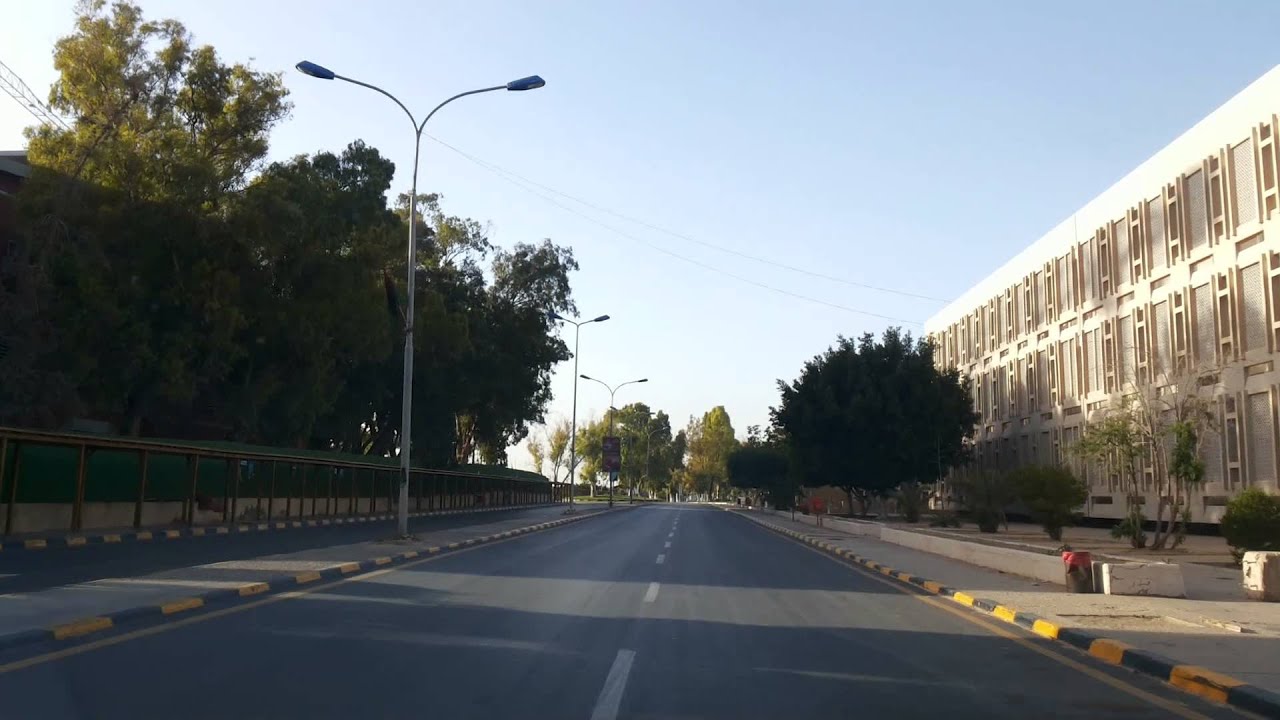
تأسست كلية الطب البيطري عام 1975م كأول كلية للطب البيطري في ليبيا. تعد الكلية من قلاع العلم و المعرفة الهامة بجامعة طرابلس ومؤسسة علمية تلبي إحتياجات المجتمع من الأطباء البيطريين وتساهم في دعم الإقتصاد الوطني من خلال العناية بصحة الحيوان وزيادة الإنتاج الحيواني والمحافظة على صحة الإنسان وحماية البيئة.

حقائق حول كلية الطب البيطري

نفتخر بما نقدمه للمجتمع والعالم

194

المنشورات العلمية

86

هيئة التدريس

245

الطلبة

23

الخريجون

البرامج الدراسية

ماجستير أمراض الدواجن
تخصص أمراض الدواجن

يُنفذ هذا البرنامج من خلال دراسة مقررات دراسية، بحيث لا يقل عدد وحداتها عن (24) وحدة دراسية، وأن لا تزيد عن (30) وحدة دراسية على مدى 3 فصول، بالإضافة إلى إنجاز رسالة بحثية...

التفاصيل

ماجستير أمراض الاسماك
تخصص أمراض الاسماك

يُنفذ هذا البرنامج من خلال دراسة مقررات دراسية، بحيث لا يقل عدد وحداتها عن (24) وحدة دراسية، وأن لا تزيد عن (30) وحدة دراسية على مدى 3 فصول، بالإضافة إلى إنجاز رسالة بحثية...

التفاصيل

من يعمل بـكلية الطب البيطري

يوجد بـكلية الطب البيطري أكثر من 86 عضو هيئة تدريس

staff photo

أ.د. شعبان احمد خلف الله عويدات

shaban awidat هو احد اعضاء هيئة التدريس بقسم أدوية وسموم وطب شرعي بكلية الطب البيطري. يعمل السيد shaban بجامعة طرابلس كـأستاذ منذ 2017-03-15 وله العديد من المنشورات العلمية في مجال تخصصه

منشورات مختارة

بعض المنشورات التي تم نشرها في كلية الطب البيطري

Morphometrical Study of Bony Elements of the Forelimb Fetlock Joints in Horses

There are many reports describing fractures in the bony elements of the equine fetlock joint and a few of these discuss possible relationships of these fractures to the mechanical loading of these bones. The likelihood of fracture must be related to the size and shape of bones involved, but information concerning the normal range in size and shape of these bones in horses is lacking. This study aimed to identify morphometrical variations of these bones within different groups of horses. Right and left metacarpal, proximal phalangeal and proximal sesamoid bones were collected from 10 Thoroughbreds (TB), five Standardbreds (SB) and eight Ponies (P) euthanized for non-orthopaedic reasons. All bones were boiled, cleaned and dried. Dimensional parameters were measured using a custom-built apparatus, calliper and plastic tape. The width and depth of the medial condyles of Mc3 were greater than the lateral condyles in all groups. The length to the lateral condyle was greater than the length to the medial condyle of Mc3, and the lengths of the lateral sides of the Mc3 and P1 bones were greater than the lengths of the medial sides in both forelimbs of all groups. The lateral sesamoids were similar to, or larger than, the medial sesamoids in all dimensions. There were some morphometrical variations in the bony elements of the equine fetlock joints in all groups.
Abdulrhman Mohamed Salah Alrtib, C J Philip, Aiman Hussein Saleh Oheida, Helen M S Davies(4-2012)
Publisher's website

In Vitro Antibacterial Activity of Flavonoid Extracts of Two Selected Libyan Algae against Multi-Drug Resistant Bacteria Isolated from Food Products

This study aimed to evaluate the antibacterial activity of flavonoids extracted from two Libyan brown algae namely Cystoseira compressa and Padina pavonica using microwave-assisted extraction method against pathogenic bacteria isolated from meat, meat products, milk and dairy products (Staphylococcus aureus subsp. aureus (5 isolates), Bacillus cereus (3 isolates), Bacillus pumilus (1 isolate), Salmonella enterica subsp. enteric (4 isolates) and Enterohaemor-rhagic Escherichia coli O157 (EHEC O157) (4 isolates)). All of these isolates were muti-drug resistant with high MAR index. The results showed that C. compressa extract exhibited better and stronger antibacterial activities against the seventeen tested isolates with inhibition zones diameter ranged from 14 - 22 mm compared to P. pavonica extract which showed positive effect against 9 isolates with low inhibition zone ranged from 11 - 16.5 mm. Flavonoids extracted from C. compressa also displayed the best spectrum of bactericidal effect with a ratio MBC/MIC ≤ 4 obtained on all susceptible tested bacterial strains. Flavonoids and proanthocyanidins significantly contributed to the antibacterial properties. The mode of action of these active extracts is under investigation.
Salah M. Azwai(1-2017)
Publisher's website

Blood profile in normal one humped dromedary (Camelus dromedarius) camel breeds in Libya. Part 2: Effect of breed variation on biochemical and haematological blood profile

Abstract As little is known about the blood profile of camels in libya, this article is the second of a 4-part series describing the biochemical and haematological blood profile in Libyan camels. In Part 1 of these manuscripts, the overall blood biochemical and haematological mean values of camels in Libya were determined, parts 2-4 evaluates the effects of breed, gender and age respectively on these values. Blood samples were collected from three camel breeds, namely, Fakhreya, Sirtaweya and Mahari, and the levels of enzymes, metabolites, electrolytes and haematological indices were measured. The blood of the Sirtaweya breed showed (i) higher levels of aspartate aminotransferase (AST), albumin and Phosphorus (Ph), than the other two breeds, (ii) higher levels of lactate dehydrogenase (LDH), amylase (AMS) and total proteins than the Fakhreya breed and (iii) higher levels of glucose, triglycerides, total cholesterol, Very Low Density Lipoprotein (VLDL), Low Density Lipoprotein (LDL), Calcium (Ca), Packed Cell volume (PCV), Mean Corpuscular Volume (MCV) and Albumin/Globulin (A/G) ratio than the Mahari breed. The Fakhreya breed had (i) higher levels of urea, Iron (Fe), Haemoglobin (Hb), Mean Corpuscular Haemoglobin (MCH) and neutrophils number than the other two breeds, (ii) higher levels of glucose, A/G, LDL, Ca, PCV, MCV and monocytes number than the Mahari breed and (iii) higher levels of erythrocyte osmotic fragility, MCH and Mean Corpuscular Hemoglobin Concentration (MCHC) than the Sirtaweya breed. The Mahari breed had (i) higher levels of globulin than the other two breeds, (ii) higher levels of AMS than the Fakhreya breed and (iii) higher levels of erythrocyte osmotic fragility, Erythrocyte Sedimentation Rate (ESR), MCHC than the Sirtaweya breed. The tested blood parameters in the three Libyan breeds in this study were affected by breed variations. arabic 28 English 143
Anwar Mustafa Abdalhadi Abdalmula, F. A. Alnagar, Amal Omar Elarif Buker, Fathia mahmoud Mohammad Ashour, I. M. Abograra , Mansur Ennuri Moftah Shmela(10-2018)
Publisher's website

قناة كلية الطب البيطري

بعض الفيديوات التي تعرض مناشط كلية الطب البيطري

اطلع علي المزيد