كلية الطب البيطري

المزيد ...

حول كلية الطب البيطري

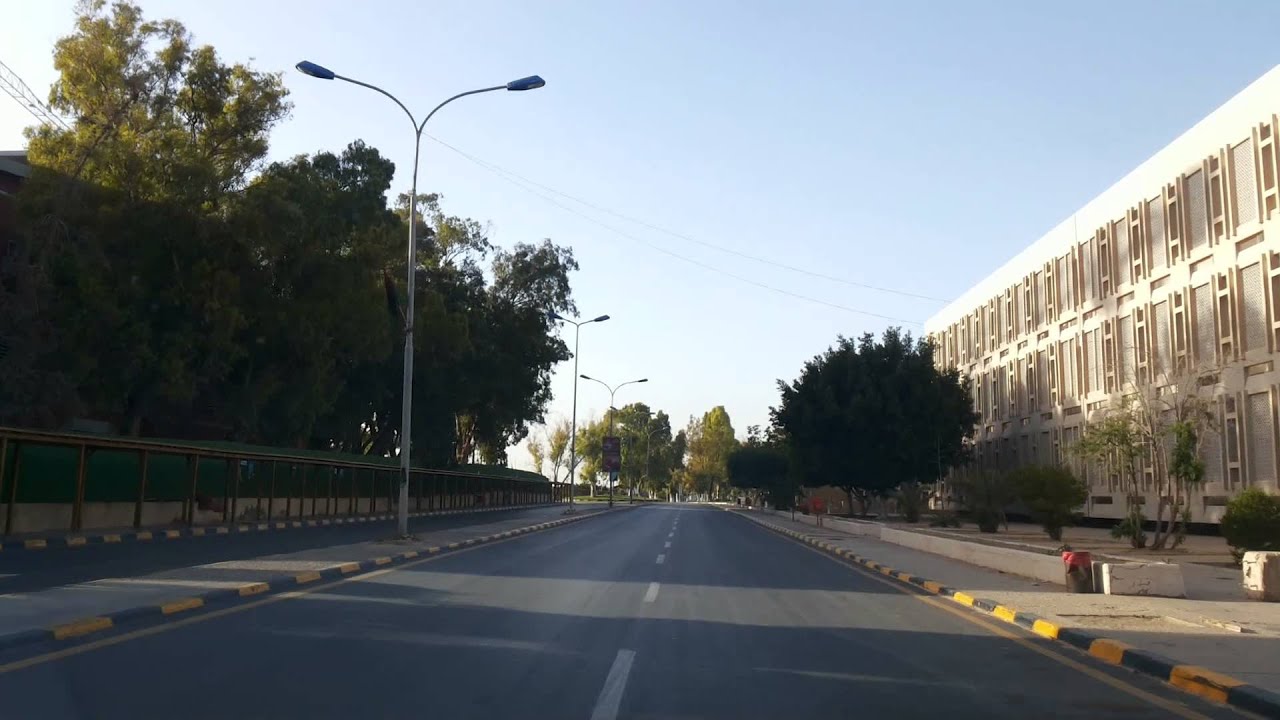
تأسست كلية الطب البيطري عام 1975م كأول كلية للطب البيطري في ليبيا. تعد الكلية من قلاع العلم و المعرفة الهامة بجامعة طرابلس ومؤسسة علمية تلبي إحتياجات المجتمع من الأطباء البيطريين وتساهم في دعم الإقتصاد الوطني من خلال العناية بصحة الحيوان وزيادة الإنتاج الحيواني والمحافظة على صحة الإنسان وحماية البيئة.

حقائق حول كلية الطب البيطري

نفتخر بما نقدمه للمجتمع والعالم

194

المنشورات العلمية

86

هيئة التدريس

245

الطلبة

23

الخريجون

البرامج الدراسية

ماجستير أمراض الدواجن
تخصص أمراض الدواجن

يُنفذ هذا البرنامج من خلال دراسة مقررات دراسية، بحيث لا يقل عدد وحداتها عن (24) وحدة دراسية، وأن لا تزيد عن (30) وحدة دراسية على مدى 3 فصول، بالإضافة إلى إنجاز رسالة بحثية...

التفاصيل

ماجستير أمراض الاسماك
تخصص أمراض الاسماك

يُنفذ هذا البرنامج من خلال دراسة مقررات دراسية، بحيث لا يقل عدد وحداتها عن (24) وحدة دراسية، وأن لا تزيد عن (30) وحدة دراسية على مدى 3 فصول، بالإضافة إلى إنجاز رسالة بحثية...

التفاصيل

من يعمل بـكلية الطب البيطري

يوجد بـكلية الطب البيطري أكثر من 86 عضو هيئة تدريس

staff photo

أ.د. عمرى ميلاد محمد أبوعرقوب

عمرى ميلاد أبوعرقوب هو احد اعضاء هيئة التدريس بقسم الامراض الباطنية بكلية الطب البيطري. يعمل السيد عمرى ميلاد أبوعرقوب بجامعة طرابلس كـأستاذ منذ 2006-04-01 وله العديد من المنشورات العلمية في مجال تخصصه

منشورات مختارة

بعض المنشورات التي تم نشرها في كلية الطب البيطري

Health adverse effects of formaldehyde exposure to students and staff in gross anatomy

Formaldehyde is an anxious gas used as a tissue preservative of cadavers in anatomy halls. Therefore, laboratory staff and students are at high risk of different clinical complications due to the continuous exposure to formaldehyde. The present questionnaire-based study evaluates the effects of formaldehyde exposure on veterinary students and staff in the anatomy gross dissection laboratory, University of Tripoli, Libya. A total of 104 students and 6 anatomy staff members completed a questionnaire of 24 questions related to the clinical symptoms observed after formaldehyde exposure and the answers were assessed using a six point (0-5) scale. Students had a high prevalence of nasal itching 78(75%), eyes burning 78(75%), excessive lacrimation 76(73%), eyes redness 60(58%), headache 64(62%) and respiratory distress 61(59%). Smoking and wearing glasses or gloves worsened many symptoms while wearing masks minimized other symptoms and male students were more affected than females. All anatomy staff members (100%) reported nasal itching, burning and congestion, eyes burning and redness, excessive lacrimation, cough and respiratory distress and less than that (83%) suffered from mouth dryness, headache, temporary loss of their ability to recognize the smell of formaldehyde and needed a physician assistance after the exposure to formaldehyde. The repeated exposure to formaldehyde in gross anatomy dissection has harmful effects on both students and staff member and finding alternative preservation methods, such as freezing, would be safer than using the formaldehyde. arabic 12 English 74
Fahima A Alnagar, Mansur Ennuri Moftah Shmela, , Abdulrhman Mohamed Salah Alrtib, , Fathia mahmoud Mohammad Ashour, Amal Omar Elarif Buker, Anwar Mustafa Abdalhadi Abdalmula(10-2015)
Publisher's website

Occurrence, characterization, and antibiogram of Staphylococcus aureus in meat, meat products, and some seafood from Libyan retail markets

Aim: The aim of the current investigation was to screen the presence of Staphylococci spp., especially S. aureus in meat, meat products of different animal species, and some seafood sold in some retail markets in Libya using cultural and molecular techniques, and to study their antibiotics resistance profiles. Materials and Methods: A total of 139 samples from red meat, meat products, and seafood were collected from many areas in Libya. Enumeration and isolation of Staphylococci spp. and S. aureus by normal cultural methods followed by molecular identification using molecular techniques by bacterial DNA extraction and partial sequencing of 16S rDNA. Results: Out of 139 samples, 112 (80.6%) were contaminated with different species of Staphylococci based on cultural characteristics of Staphylococci on Baird-Parker medium, for which S. aureus was detected in only 32 samples (23%). However, only six out of 18 (33.3%) isolates sent for sequencing were confirmed to be S. aureus using the molecular technique. The six identified isolates of S. aureus were tested for antimicrobial resistance against 24 most commonly used antibiotics. All isolates were resistant to only two antibiotics (cefotaxime and clindamycin). Among these six isolates, only one confirmed to be methicillin-resistant Staphylococcus aureus. Conclusion: Results of this study suggest that food of animal origin could be a source of S. aureus with antimicrobial resistance characteristics that can be spread through the food chain, and raise the importance of these results for public health.
Ibrahim Eldaghayes(6-2019)
Publisher's website

Isolation and molecular identification of Vibrio spp. by sequencing of 16S rDNA from seafood, meat and meat products in Libya

The genus Vibrio includes several food-borne pathogens that cause a spectrum of clinical conditions including septicemia, cholera and milder forms of gastroenteritis. Several Vibrio spp. are commonly associated with food-borne transmission including Vibrio cholerae, Vibrio parahemolyticus, and Vibrio vulnificus. Microbiological analysis for enumeration and isolation of Vibrio spp. were carried out for a total of 93 samples of seafood, meat and meat products from different geographic localities in Libya (Tripoli, Regdalin, Janzour and Toubruk). Vibrio spp. were detected by conventional cultural and molecular method using PCR and sequencing of 16S rDNA. Out of the 93 cultured samples only 48 (51.6%) yielded colonies on Thiosulfate Citrate Bile Salt agar (TCBS) with culture characteristics of Vibrio spp. More than half (n=27) of processed seafood samples (n=46) yielded colonies on TCBS, while only 44.6 % of samples of meat and meat products showed colonies on TCBS. Among cultured seafood samples, the highest bacterial count was recorded in clam with a count of 3.8 х104 CFU\g. Chicken burger samples showed the highest bacterial count with 6.5 х104 CFU\g. Molecular analysis of the isolates obtained in this study, showed that 11 samples out of 48 (22.9%) were Vibrio spp. Vibrio parahemolyticus was isolated from camel meat for the first time. This study is an initial step to provide a baseline for future molecular research targeting Vibrio spp. foodborne illnesses. This data will be used to provide information on the magnitude of such pathogens in Libyan seafood, meat and meat products.
Salah M. Azwai(1-2016)
Publisher's website

قناة كلية الطب البيطري

بعض الفيديوات التي تعرض مناشط كلية الطب البيطري

اطلع علي المزيد