كلية الطب البيطري

المزيد ...

حول كلية الطب البيطري

تأسست كلية الطب البيطري عام 1975م كأول كلية للطب البيطري في ليبيا. تعد الكلية من قلاع العلم و المعرفة الهامة بجامعة طرابلس ومؤسسة علمية تلبي إحتياجات المجتمع من الأطباء البيطريين وتساهم في دعم الإقتصاد الوطني من خلال العناية بصحة الحيوان وزيادة الإنتاج الحيواني والمحافظة على صحة الإنسان وحماية البيئة.

حقائق حول كلية الطب البيطري

نفتخر بما نقدمه للمجتمع والعالم

194

المنشورات العلمية

86

هيئة التدريس

245

الطلبة

23

الخريجون

البرامج الدراسية

ماجستير أمراض الدواجن
تخصص أمراض الدواجن

يُنفذ هذا البرنامج من خلال دراسة مقررات دراسية، بحيث لا يقل عدد وحداتها عن (24) وحدة دراسية، وأن لا تزيد عن (30) وحدة دراسية على مدى 3 فصول، بالإضافة إلى إنجاز رسالة بحثية...

التفاصيل

ماجستير أمراض الاسماك
تخصص أمراض الاسماك

يُنفذ هذا البرنامج من خلال دراسة مقررات دراسية، بحيث لا يقل عدد وحداتها عن (24) وحدة دراسية، وأن لا تزيد عن (30) وحدة دراسية على مدى 3 فصول، بالإضافة إلى إنجاز رسالة بحثية...

التفاصيل

من يعمل بـكلية الطب البيطري

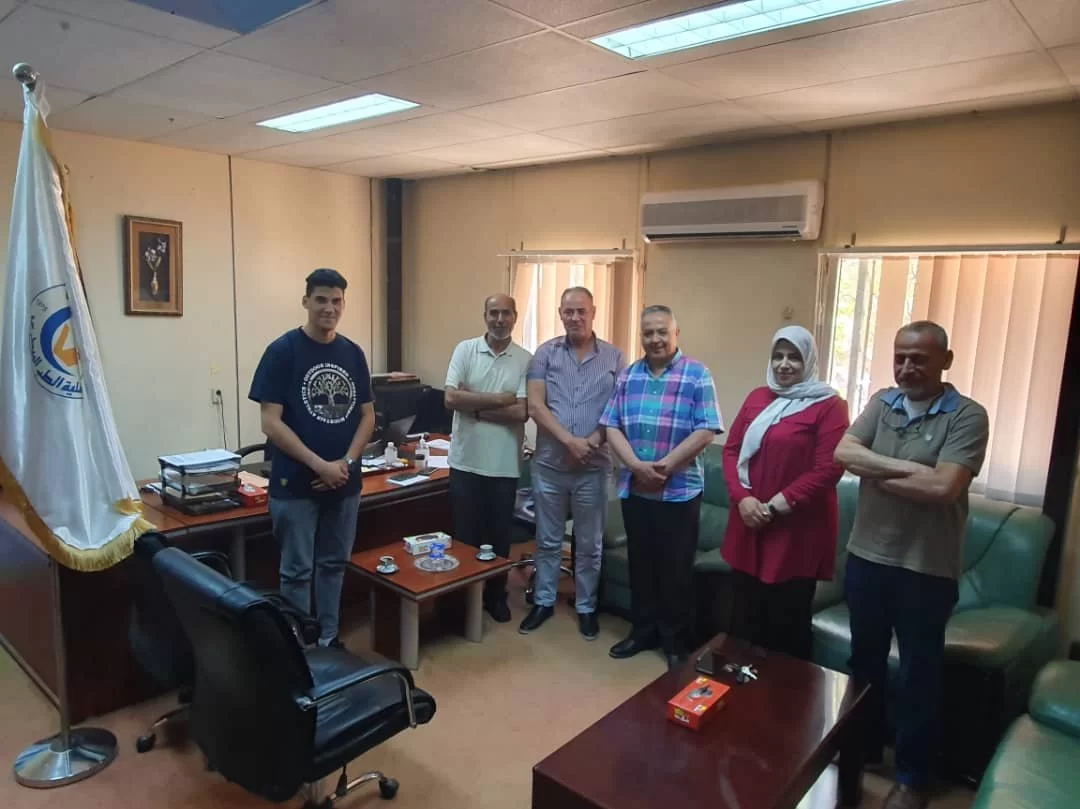
يوجد بـكلية الطب البيطري أكثر من 86 عضو هيئة تدريس

staff photo

أ.د. لطفي موسى ساسي بن علي

ا.د. لطفي بن علي هو احد اعضاء هيئة التدريس بقسم الجراحة والتناسليات بكلية الطب البيطري.انخرط بالسلك التدريسي بجامعة طرابلس كمعيد مند (1988) والان يشغل درحة استاد منذ 2015 وله العديد من المنشورات العلمية في مجال تخصصه

منشورات مختارة

بعض المنشورات التي تم نشرها في كلية الطب البيطري

الكشف عن فيروس مرض الانفلونزا وفيروس مرض النيوكاسل من مسحات القصبات الهوائية والمذرقية للدواجن المنزلية في طرابلس، ليبيا Detection of avian influenza virus and Newcastle disease virus from tracheal and cloacal swabs of backyard poultry in Tripoli – Libya

Abstract: In Libyan state, the history of backyard poultry rearing goes back to several lapsing decades in which the human life style was still in its simpler forms. The uncontrolled rearing of backyard poultry has resulted in catastrophic spread of viral diseases in many countries throughout the world. In this study a new questioner by Mobil software “EpiCollect plus” was used for the first time in Libya. It is an easy program to use and can store information about all farms and samples in the phone during sample collections at field “without internet connection”, then send to the computer via the network. The surveillance of backyard poultry for both avian influenza type a virus (AIV) and Newcastle disease virus (NDV) has covered four main geographical regions throughout the greater city of Tripoli. The surveillance was fulfilled through testing the cloacal and tracheal swabs for the presence of viral antigens using the direct ELISA for AIV and RT-PCR techniques for NDV. A total number of 500 samples from non-vaccinated backyard poultry flocks were collected from different geographical locations within the area of Tripoli (Qasr Ben Ghashier, Alsawani, Souq Al-Gomaa, Tajourah, and Einzara). Samples were collected mainly from local breed chicken (244) and native ducks (6). Results have indicated that incidences of infection with AIV in backyard poultry populations during the summer season 2013 were 0%. During early winter 2013, the AIV has been detected in 11 out of 90 samples with an incidence of 12.2%. Among the 11 positive samples: 3 samples were from Souq Al-Gomaa, 4 from Tajourah, 1 from Qasr Ben Ghashier and 3 from Al-sawany. In contrast to AIV during summer 2013, NDV were detected from the backyard chickens, 104 out of 154 backyard poultry were found positive for the virus (67.5 %). Positive samples were distributed over various regions into: 14 from Tajourah, 60 from Qasr Ben Ghashier and 30 from Al-sawany. In the early winter 2013, 21 out of 90 samples were positive for NDV (23.3%). Among the 21 positive samples: 3 were from Tajourah, 13 were from Qasr Ben Ghashier and 5 from Al-sawany. It is obvious that the southern region is the most affected regions within the greater Tripoli. In the Greater Tripoli, many local districts are well known for their dense distribution of commercial poultry farms as well as backyard poultry rearing. Most of poultry farms in Tripoli are found in Tajourah, Qasr Ben-Ghashier, and Al-sawany. Thus, it is expected to face the problems of avian diseases with special concerns to viral diseases such as AI and ND among both commercial and backyard populations in such districts.
هشام عبدالجليل الصيد (2015)
Publisher's website

تقيم التغيرات الباثولوجية الإكلينيكية و الهستوباثولوجية لوجية لنبات القرضاب كمضاد لزيادة حمض البوليك في الفئران Clinicopathologic and Histopathologic Evaluation of Polygonum Equisetiforme as an Anti-hyperuricemic Agent in Albino Rats

أجريت هذه الدراسة بهدف تقييم فاعلية مستخلص نبات القرضاب علي عملية تقليل حمض البوليك في الدم و بالتالي منع ترسيبه في المفاصل و الكلى و الأطراف. تم إستخدام مستخلص جذور نبات القرضاب كعشبة طبية لعلاج النقس و الروماتيزم و اليرقان، و التهاب الشعب الهوائية، و الحمى، الطفح الجلدي و الجروح و فقا للابحيات و المراجع السابقة. في هذه الرسالة، تم تقسيم عدد خمسة و ستون فأر ابيض (ذكور) بشكل عشوائي إلى ست مجموعات. حيث تم إحداث زيادة حمض البوليك في الفئران باستعمال اوكزانات البوتاسيوم المذابة في مادة الصوديوم كربو كسي ميثايل سيلييلوز بنسبة (0.5%) وتم حقنها في الفئران عن طريق الغشاء البريتولى، ومن بعد ذلك معالجتها بمستخلص النبات عن طريق الفم بجرعة محددة حسب المراجع العلمية السابقة وتم مقارنة النتائج العلاجية باستخدام مستخلص النبات بتلك المتحصل عليها باستخدام أدوية كيميائية "مثل" الوبيورينول" لمعرفة فاعلية مستخلص النبات كمضاد لزيادة حامض البوليك و كانت هناك مجموعة ضابطة دون أخد علاج. تم متابعى آلية العلاج عن طريق سحب عينات الدم و الذبح لفترات مختلفة و قراءة المتغيرات في كل فترة و تم التقييم عن طريق التغيرات البيوكيميائية (قياس و ظائف الكلي، وو ظائف الكبد، و تحديد كمية حمض البوليك في الدم و كذلك تحديد كمية البروتين و الكرياتنين في البول خلال 24 ساعة). هملت التجربة دراسة نسيجية باستخدام المجهر الضوئي لمتابعة التغيرات في الكبد و الكلى في المجموعات المختلفة. أثبتتي تخفيض نسبة حمض البوليك للفئران المست الدراسة نجاح مستخلص نبات القرضاب يعتبر افضل من حيث النتائج المتحصل عليها كيميائيا و نسبيجيا من تلك المتحصل عليها باستخدلم الدواء "الكيميائي التقليديىى الوبيورينول". و أخيرا أشارت نتائجنا إلى أن مستخلص جذور نبات القرضب يعتبر ذو فاعلية للوقاية و العلاج الاثارالسلبية على زيادة حمض البوليك في الدم. Abstract: The present study was carried out to investigate the in vivo hypouricemic activity of butanol extract of the roots of Polygonum equisetiforme against Oxonate -induced hyperuricemia in male albino Wister rats. The roots of this species are used in traditional medicinal system for the treatment of gout, rheumatism, jaundice, bronchitis, fever, skin eruptions and wounds. In this study, sixty five male albino rats were divided randomly into six groups. Intraperitoneal (i.p) administration of Potassium Oxonate (250 mg/kg b.w), an uricase inhibitor was used to induce hyperuricemia and given one hour before administration of the tested compound, for 14 consecutive days in groups 2, 5 and 6. The butanol extract of Polygonum equisetiforme (66.82 mg/kg b.w) was orally administered for 14 consecutive days in groups 3 and 5. Allopurinol (10 mg/kg.b.w) was used as the positive control, and given orally for 14 consecutive days in groups 4 and6. At the end of the study, rats were sacrificed under diethyl ether general anesthesia. Serum level of uric acid, liver and kidney functions were measuredcolorometrically and enzymatically. The results showed that Polygonumequisetiforme extract has a potent hypouricemic activity (group 5). While the hypouricemic action of allopurinol has been shown to be of comparatively lesser activity than that of P. equisetiforme (group 6), Moreover allopurinol showedsome adverse effects such as hepatitis and nephropathy. Histopathological changes of kidney and liver were also correlated with the recorded biochemical results. Finally our results indicated that P. equisetiforme roots extract may be effective for the prevention and treatment of hyperuricemia.
سميرة أحمد شلايك (2015)
Publisher's website

Bacillus cereus as an emerging public health concern in Libya: Isolation and antibiogram from food of animal origin

Background: This study was conducted to investigate the presence of Bacillus cereus in meat, meat products, and some seafood in Libya. Materials and Methods: One hundred and thirty-one samples were collected from different geographic localities in Libya. The samples were subjected to microbiological analysis for enumeration and isolation of B. cereus by conventional cultural, biochemical, and molecular identification using polymerase chain reaction (PCR) and partial sequencing of 16S rDNA techniques. Results: Of 131 samples, only 38 (29%) isolates were found to be B. cereus based on their cultural characteristics on Mannitol Egg-Yolk Polymyxin (MYP) medium that included 30% beef, 38.2% beef products (minced, burger, kabab, and sausage), 31.8% camel meat, and 48% chicken products (burger, sausage, kabab, and liver). However, B. cereus was not detected from mutton and seafood samples. Seventeen isolates were subjected to molecular identification using PCR and partial sequencing of 16S rDNA technique and confirmed to be B. cereus. The confirmed B. cereus strains were tested for their antibiotic sensitivity profiles and showed a high percentage of multiresistance phenotype. Conclusions: The results provide a better understanding of B. cereus isolated from food of animal origin in Libya and suggest that meat and meat products might play an important role in the spreading of B. cereus through the food chain with antimicrobial resistance characteristics.
Ibrahim Eldaghayes(6-2018)
Publisher's website

قناة كلية الطب البيطري

بعض الفيديوات التي تعرض مناشط كلية الطب البيطري

اطلع علي المزيد