كلية الطب البيطري

المزيد ...

حول كلية الطب البيطري

تأسست كلية الطب البيطري عام 1975م كأول كلية للطب البيطري في ليبيا. تعد الكلية من قلاع العلم و المعرفة الهامة بجامعة طرابلس ومؤسسة علمية تلبي إحتياجات المجتمع من الأطباء البيطريين وتساهم في دعم الإقتصاد الوطني من خلال العناية بصحة الحيوان وزيادة الإنتاج الحيواني والمحافظة على صحة الإنسان وحماية البيئة.

حقائق حول كلية الطب البيطري

نفتخر بما نقدمه للمجتمع والعالم

194

المنشورات العلمية

86

هيئة التدريس

245

الطلبة

23

الخريجون

البرامج الدراسية

ماجستير أمراض الدواجن
تخصص أمراض الدواجن

يُنفذ هذا البرنامج من خلال دراسة مقررات دراسية، بحيث لا يقل عدد وحداتها عن (24) وحدة دراسية، وأن لا تزيد عن (30) وحدة دراسية على مدى 3 فصول، بالإضافة إلى إنجاز رسالة بحثية...

التفاصيل

ماجستير أمراض الاسماك
تخصص أمراض الاسماك

يُنفذ هذا البرنامج من خلال دراسة مقررات دراسية، بحيث لا يقل عدد وحداتها عن (24) وحدة دراسية، وأن لا تزيد عن (30) وحدة دراسية على مدى 3 فصول، بالإضافة إلى إنجاز رسالة بحثية...

التفاصيل

من يعمل بـكلية الطب البيطري

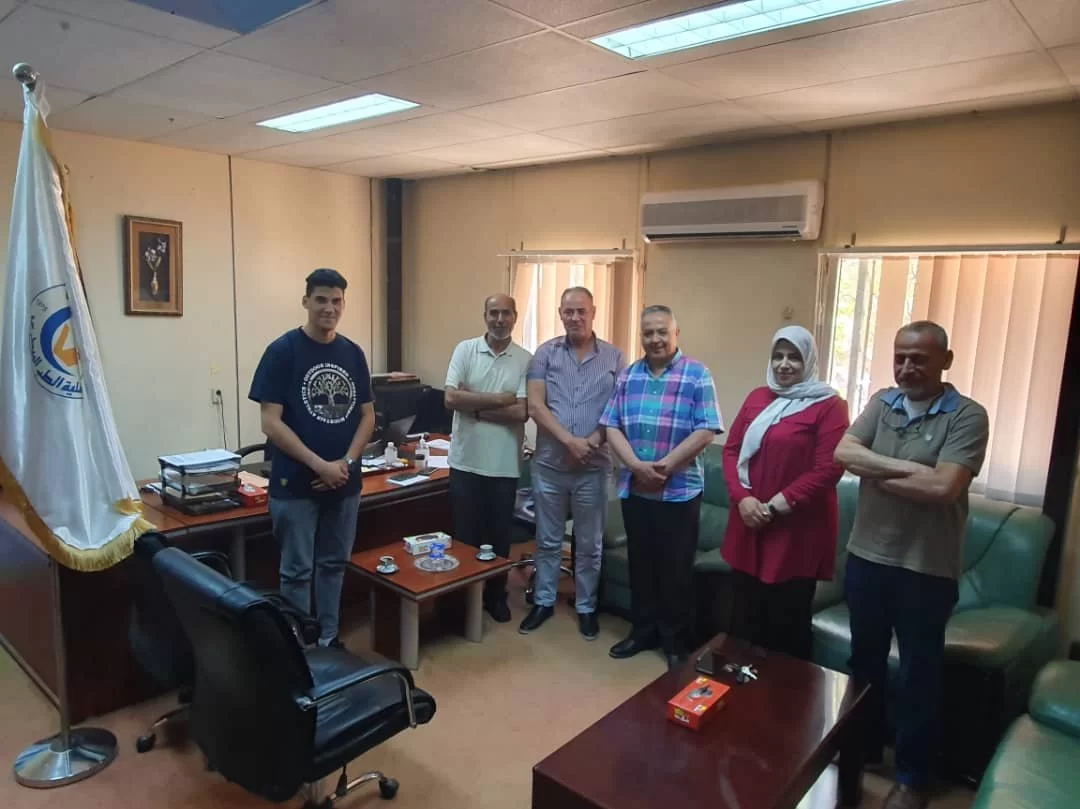
يوجد بـكلية الطب البيطري أكثر من 86 عضو هيئة تدريس

staff photo

أ. مني محمد البشير خبيز

منشورات مختارة

بعض المنشورات التي تم نشرها في كلية الطب البيطري

Investigation of the invasiveness of Salmonellae isolated from layer hens and Murine fecal pellets infesting poultry farms in Tripoli- Libya


ِAbdulatif Asheg, Khalid Fathi Almasri (1-2020)
Publisher's website

PATHOLOGY OF GOUT IN GROWING LAYERS ATTRIBUTED TO HIGH CALCIUM AND PROTEIN DIET

An outbreak of gout was investigated in a growing layers farm of 45000 birds located in Tripoli, Libya. Mortality was commenced at 39 days-old reaching to a total of 489 birds within 10 days. Post mortem was conducted and kidney tissue samples were fixed in 10% neutral formalin prior to processing. Feed samples were sent to the Animal Nutrition Department for analysis which revealed 23.47% crude protein and 3.5% calcium. Gross lesions comprised of deposition of chalky white material covering the pericardium and enlarged kidneys with necrotic foci, hemorrhage and nephrosis. Most of birds showed swollen ureter of one or both sides. Histopathologically, severe damage of tubules characterized by moderate to severe tubular dilation and necrosis and central bluish gouty deposition surrounded by radiations of needle like urate crystals followed by granulomatous reaction of lymphocytes, macrophages and fibroblasts. The collecting renal tubules, urinephric ducts and ureters were also filled by gouty deposits with epithelial hyperplastic changes and chronic inflammatory cellular reaction in their walls. The interstitial tissue showed edema, congestion, hemorrhage and lymphomononuclear cell infiltration. This gout outbreak in growing layers is attributed to high concentration of crude protein and calcium in diet.
Ibrahim Eldaghayes(1-2010)
Publisher's website

Sero-prevalence and epidemiology of peste des petits ruminants in Libya

We conducted a cross-sectional study during 2013 to quantify the serological prevalence of peste des petits ruminants (PPR) infection and to investigate host factors associated with PPR infection in small ruminants in Libya. A two-stage sampling design was carried out. A total number of 148 flocks owning at least 100 heads each were randomly selected. Sixteen to forty-eight samples were collected from each selected flock. A total number of 3,508 serum samples from unvaccinated animals were collected and analysed at IZSLER Brescia, Italy, by using competitive ELISA, IDvet innovative diagnostics (IDvet 310, France). The overall serological prevalence among SR was 33% (95% CI: 31.4–34.5). Significant differences between the prevalence in the geographical branches were observed. The lowest prevalence level was observed in Zawiyah branch (16.1%), whereas the highest value was obtained for the Sabha branch (56.8%). Considering the age, a serological prevalence of 24.7%, 31.5% and 42.1% was observed in SR
Ibrahim Eldaghayes(7-2017)
Publisher's website

قناة كلية الطب البيطري

بعض الفيديوات التي تعرض مناشط كلية الطب البيطري

اطلع علي المزيد