كلية الصيدلة

المزيد ...

حول كلية الصيدلة

تأسست كلية الصيدلة سنة 1975م وتعتبر الكلية الأقدم في ليبيا للعلوم الصيدلانية، تهدف منذ بداية تأسيسها إلى المساهمة في الرفع من مستوى الخدمات الصحية للمواطن بليبيا والبدء جدياً في تطوير الخدمات الدوائية والدخول في هذا المجال على أسس علمية وبعد مُضي ما يزيد عن ثمانية وثلاثين عاماً على مولد هذه القلعة العلمية، لازالت هذه المؤسسة تزود المجتمع بشباب مؤهل ومؤمن بدوره في ليبيا الحرة ليقود مجالات الصناعة والرقابة الدوائية والتحاليل الطبية وترشيد استعمال الأدوية والاستفادة القصوى من الأعشاب والنباتات الطبية وبدأت الدراسة بالكلية مع بداية العام الدراسي 1976/1975م. واستمرت الدراسة بالمبنى القديم والذي تشغله الآن كلية الإعلام والفنون. وفي العام 1983م، تـــم إبـــرام عقد إنشاء مبنى جديد لكلية الصيدلة بجامعة طرابلس. وقد تم بناؤه على مساحــة تبلغ أربعـين آلف متر مربع “ 40.000 م2 “جنوب جامعة طرابلس. ويعتبر مبنى الكلية من أجمل مباني الجامعة حيث تم اختياره كأحد أجمل المباني التعليمية في العالم حسب تقرير أعدتـه المنظـــمة العــالمية للثقافــة والعلــــوم “اليونسكو“. يحد الكلية من ناحية الشرق كلية الطب البشرى لتشكل مع مركز طرابلس الطبي نموذجاً متميزاً للكليات الطبية التخصصية. هذه المؤسسة لا تزال ترعى منسبيها من الطلاب ليكونوا صيادلة المستقبل ولكي يشاركوا في بناء ليبيا.

حقائق حول كلية الصيدلة

نفتخر بما نقدمه للمجتمع والعالم

58

المنشورات العلمية

87

هيئة التدريس

1163

الطلبة

0

الخريجون

من يعمل بـكلية الصيدلة

يوجد بـكلية الصيدلة أكثر من 87 عضو هيئة تدريس
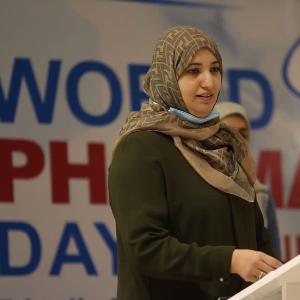
staff photo

د. امال خليفة علي بلعيد

امال خليفة بلعيد هي احد اعضاء هيئة التدريس بقسم الكيمياء الطبية والصيدلية بكلية الصيدلة. تعمل السيدة امال خليفة بلعيد بجامعة طرابلس كـاستاذ مساعد منذ 2003 ولها العديد من المنشورات العلمية في مجال تخصصها

منشورات مختارة

بعض المنشورات التي تم نشرها في كلية الصيدلة

Comparative effect of flaxseed oil and fish oil in acetic acidinduced colitis in rats.

Objectives: The aim of the present study was to evaluate the possible protective effect of flaxseed oil and to compare this effect with fish oil in experimental ulcerative colitis (UC).Methods: Rats were equally divided into five groups of six animals each. Sham control group (corn oil, 1 ml), acetic acid group (normal saline, 1 ml), flaxseed oil group (FSO, 1 ml), fish oil group (FO, 1 ml) and mesalamine-treated group (3 ml ) as a positive control. All drugs were administered intrarectally (IR). One hour following treatment in the acetic acid group, FSO group, FO group and mesalamine group, 1 ml of 4% acetic acid was introduced as an enema. Rats were sacrificed after 24 hrs and histopathological scores of the all colonic specimens were assessed by microscope. Colonic weight/length ratio was also evaluated.Results: Microscopical improvement as manifested by the reduction in the inflammatory score and normalization of intestinal mucosal architecture was observed in fish oil pretreated rats compared to acetic acid group but there was no significant difference in flaxseed oil pretreated group. The decrease in weight/length ratio was statistically significant in fish oil-treated group compared with acetic acid group, but there was no significant difference between flaxseed oil-treated and acetic acid group.Conclusion: The results of this study suggest that fish oil but not flaxseed oil could ameliorate the mucosal damage in experimentally induced ulcerative colitis in rats when given in the form of an enema. arabic 15 English 72
Aisha Mohamed Dugani(6-2012)
Publisher's website

Protective Effect of the Methanolic Extract of Malva parviflora L. leaves on Acetic Acid-induced Ulcerative Colitis in Rats

Inflammatory bowel disease (IBD) is a general term describing chronic, idiopathic relapsing, inflammatory conditions of the gastrointestinal tract of unknown etiology. Previous studies have indicated that Malva parviflora leaf extract possesses anti-inflammatory, antioxidant, and antiulcerogenic activity. activity. This work aimed to investigatee the anti-inflammatory effect of the methanolic (MEMP) and aqueous (AEMP) extracts of M. parviflora leaves on acetic acid-induced colitis in rats. arabic 19 English 104
Aisha Mohamed Dugani, Soad Treesh(5-2016)
Publisher's website

• Activity of Honey and Propolis on Bacteria Isolated from Diabetic Foot.

Aims: Diabetic foot ulcer is a significant complication of diabetes mellitus and often proceed lower extremely amputation. Propolis is a naturally occurring anti-inflammatory bee derived protectant resin. Previously, topically applied propolis has been reported to reduce inflammation and improves cutaneous ulcer healing in diabetic rodents. This study aimed to determine the Libyan honey and propolis activity and honey against bacteria isolated from diabetic foot ulcer lesion Study Design: In vitro antimicrobial activities of honey and crude hexane and methanolic extract of Libyan propolis against bacteria isolated from diabetic foot ulcer lesion Place and Duration of Study: Samples collected from patient in Tripoli Iben Nafees Hospital using disc and agar diffusion method. Methodology: Disk diffusion method on groups of aerobic and anaerobic bacteria were obtained from diabetic foot lesion. Results: The result showed that the percentage of aerobic bacteria isolated from diabetic lesion was about 74%, which include MRSA, E. coli, Ps. aeruginose, Citrobacter, Pantoea, Proteus, Staphylococcus epidermis, Enterobacter and Serratia bacteria. Whereas anaerobic bacteria reported about 26% of Clostridium, Bacteroides, and Lactobacillus Jensenii. Conclusion: It was concluded that the honey and propolis extract had antibacterial activity against a different type of aerobic and anaerobic bacteria that were isolated from diabetic foot ulcer lesion.
Basma Mohamed K Doro(1-2019)
Publisher's website