كلية العلوم

المزيد ...

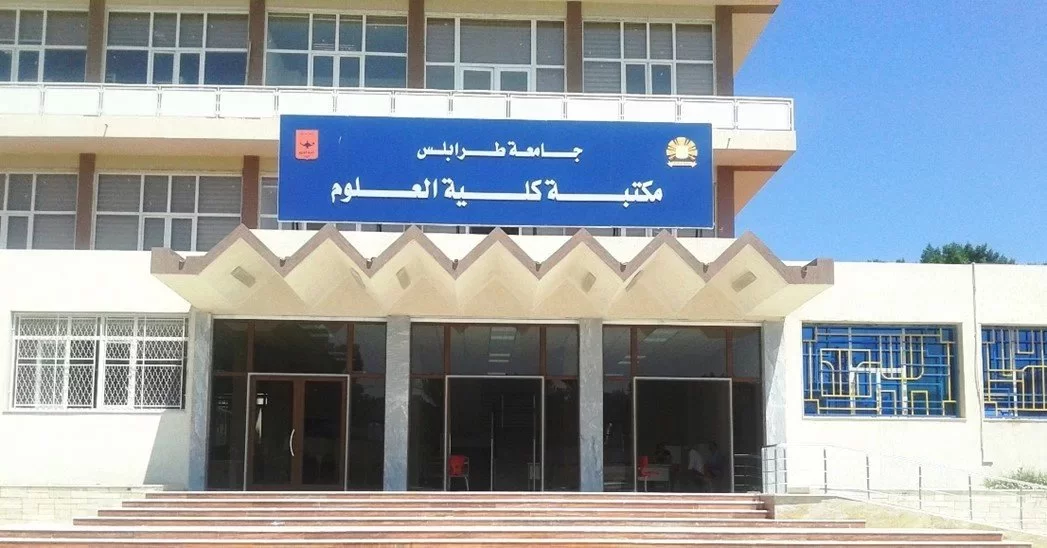
حول كلية العلوم

كلية العلوم- جامعة طرابلس هي نواة كليات العلوم ليس فقط في هذه الجامعة العريقة بل في الدولة الليبية . تضم في الوقت الحالي عشرة اقسام علمية ويجري العمل على استحداث قسم جديد Archaeology يختص بدراسة بالجانب العلمي البحثي للتراث التاريخي للشعب الليبي، وهذه الأقسام العلمية هي قسم علم الحيوان وعلم الرياضيات، وعلم الفيزياء، وعلم الكيمياء، وعلم النبات وعلم الجيولوجيا ، وعلم الحاسب الآلي وعلم الإحصاء ، وعلم الغلاف الجوي  وعلم الجيوفيزياء. عمل خريجو هذه الكلية في مختلف القطاعات منها على سبيل المثال وليس الحصر:

  • مجال النفط تنقيبا واستخراجا وتكريراً.
  • مجمعات الصناعات الكيميائية في أبي كماش وراس الانوف وشركات اللدائن إنتاجاً وتصنيعاً، و في مصانع الصابون ومواد التنظيف وغيرها.
  •  مجال التعليم وما يتعلق به من مجالات بحثية في جميع المراحل والمستويات منها التعليم المتوسط والعالي.

 لقد قاد خريجو هذه الكلية المسيرة العلمية لسنوات طويلة ولازالوا يمثّلون اللبنة الأولى في جميع كليات العلوم، وبعض الكليات الأخرى في جميع الجامعات الليبية، التي تأسست في الخمسة عقود الماضية. شمل مجال عمل خريجوها كليات الطب (في مجال العلوم الأساسية ، والكيمياء الحيوية وعلم التشريح والأنسجة والإحياء الدقيقة) وكليات الزراعة في معظم أقسامها والهندسة في المرحلة العامة وقسمي الهندسة الكيميائية والجيولوجية تحديدا، والتقنية الطبية والصيدلة وكلية الاقتصاد والآداب، وذلك من خلال برامج الدراسة الجامعية التي عملت على توفير معيدين للجامعــــــــات الأخــــــــــرى بالدولــــــــة الليبية أو توفير أعضــاء هيئة التدريس من حملة

  • تعتبر كلية العلوم من أوائل الكليات الجامعية التي تبنّت برامج الدراسات العليا بالداخل رغم طبيعة الدراسات العليا في العلوم الأساسية والتي تحتاج إلى إمكانيات تتعدى الأستاذ الكفؤ والذي هو متوفر والحمد لله في هذه المؤسسة، وذلك لان عدد كبير من الأساتذة تخرجوا من جامعات في الغرب والشرق (أمريكا، بريطانيا، أستراليا، معظم الدول الأوروبية) هذه الجامعات مشهود لها بالمستوى الأكاديمي الرفيع.
  • عمل ويعمل خريجوها أيضا في مراكز البحوث الصناعية والنووية والنفط والأحياء البحرية والتقنيات الحيوية واللدائن وغيرها من المراكز البحثية المتخصصة، وذلك بعد حصولهم على الشهادة الجامعية الأولى أو بعد حصولهم على درجات التخصص العالية والدقيقة من الداخل و الخارج .
  • إثراء الحركة العلمية البحثية في مجالات العلوم الاساسية بالدولة الليبية من خلال اصدار مجلة العلوم الاساسية المحكمة.

حقائق حول كلية العلوم

نفتخر بما نقدمه للمجتمع والعالم

170

المنشورات العلمية

267

هيئة التدريس

1831

الطلبة

686

الخريجون

من يعمل بـكلية العلوم

يوجد بـكلية العلوم أكثر من 267 عضو هيئة تدريس

staff photo

أ. رضوان علي احمد المريمي

منشورات مختارة

بعض المنشورات التي تم نشرها في كلية العلوم

Comparison of Prevalence and Distribution of Intestinal parasitic infections in primary Schoolchildren in Tripoli and Al-Jfarah- Libya

الإصابة بالطفيليات المعوية تعتبر إحدى المشاكل الصحية الرئيسية المنتشرة بين الأطفال في العالم ((Quihui-cota et al. 2004. هدف الدراسة الحالية تحديد معدل انتشار مختلف أنواع الطفيليات المعوية ومقارنتها بين طلاب مدارس المرحلة الابتدائية الواقعة ضمن نطاق مدينة طرابلس (منطقة حضرية) ومنطقة الجفارة (منطقة ريفية) , ودراسة تأثير الإصابة علي الصحة العامة لأطفال المدارس. أجريت هذه الدراسة في الفترة من سبتمبر 2005 إلى ابريل 2008. حيث تم جمع البيانات (عينة براز واحدة واستبيان مفصل) من مجموع 3331 طفل (1696 ذكر و1635 أنثي) من 34 مدرسة ابتدائية لمنطقتي طرابلس والجفارة تتراوح أعمارهم من 6 إلى 14 سنة. تم فحص كل العينات(3331) بواسطة طريقة التركيز والترسيب باستخدام الإثر والفرمالين (Garcia, 2001)، وطريقة الفحص المباشر استخدمت لفحص 239 عينة براز طازجة من مجموع العينات (3331)، بعد ذلك يتم فحصهم بطريقة التركيز والترسيب. تم تحضير لطخات براز من راسب 209 عينة من مجموع العينات (3331) وصبغها بصبغة زيل-نلسن المعدلة (Garcia, 2001)، وذلك لتحديد أنواع الطفيليات المعوية البوغية من جنس الكريبتوسبوريدوم. كذلك تم فحص عدد 47 عينة دم لأطفال مصابين بطفيليات معوية و 32 عينة من أطفال غير مصابين (عينات السيطرة) لتحضير لطخات من الدم وصبغها لتعين نوع و نسبة كرات الدم البيضاء وتحديد أشكال كرات الدم الحمراء وعمل اختبار صورة كاملة للدم ((C.B.C. أظهرت النتائج أن نسبة انتشار الطفيليات المعوية في منطقة الدراسة بالكامل كانت (25.1 %), كما أظهرت وجود ثلاثة عشر نوع من الطفيليات المعوية, ثمانية أنواع ممرضة (المتكيسة البشرية, المتحولة الحالة للنسج, الجيارديا اللمبلية, الصفر الخراطيني, السرمية الدويدية, الأسطوانية البرازية, الملقوة العفجية و المحرشفة القزمة), وخمسة أنواع غير ممرضة ( المتحولة القولونية, الوئيدة القزمة, المتحولة الهارتماتية, المتحولة اليودية البوتشيلية و شفوية السياط المنيلية). ولم يثبت وجود طفيل الكريبتوسبوريدوم في(209) عينة من مجموع عينات الدراسة (3331). أظهرت النتائج أن هناك اختلافات معنوية بين نسبة انتشار الطفيليات المعوية في المناطق الحضرية 22.5 %, و المناطق الريفية 27.9, و بين الإصابة بنوع واحد من الطفيليات و الإصابة بأكثر من نوع (P < 0.05). بينما سجل طفيلي السرمية الدويدية و الوئيدة القزمة انتشار أعلي نسبيا في المناطق الحضرية عن المناطق الريفية, بينما كان معدل انتشار باقي الأوليات و الديدان المعوية أعلي نسبيا في المناطق الريفية عن المناطق الحضرية.أشارت نتائج الدراسة إلي وجود اختلافات معنوية في نسبة انتشار الطفيليات المعوية بين المناطق والمدارس في كل منطقة, الإصابة ووجود حيوانات في المنزل أو في المزرعة (P < 0.05), و لم تشر الدراسة إلي وجود علاقة بين الإصابة بالطفيليات المعوية وكلا من الجنس, العمر, الجنسية, وزن الجسم, فصلي الخريف والشتاء, عدد أفراد العائلة, نوع المنزل, مصدر ماء الشرب بالمنزل, مصدر التغذية في المدرسة, طريقة التخلص من مياه الصرف الصحي في المنزل و فقر الدم وزيادة عدد كرات الدم الحمضية (P > 0.05).بينت الدراسة أن الأعراض المصاحبة للإصابة (مثل مغص البطن, فقد الشهية للطعام و الإسهال) شائعة الظهور في الأطفال المصابين بأكثر من نوع واحد من الطفيليات المعوية, بينما يقل ظهور هذه الأعراض في الأطفال المصابين بنوع واحد فقط. كما بينت أن تشخيص الطفيليات المعوية في عينة البراز باستخدام طريقة التركيز والترسيب مع استعمال مثبت (SAF) هي الطريقة المثلي لحفظ وتشخيص كل مراحل وأنواع الطفيليات المحتمل وجودها في عينة البراز. Abstract One of the major health problems among children worldwide is the intestinal parasite infestations (Quihui- cota et al. 2004). The aim of the presented research work was to estimate as well as to compare the prevalence of different intestinal parasitic infection among schoolchildren within different areas in Tripoli city (urban area) and Al- Jfarah area (rural area) and their impact on health of schoolchildren. The study was conducted between September 2005 and April 2008. Data (single stool samples and detailed questionnaire) were collected from 3331 primary schoolchildren (1696 males and 1635 females) from 34 schools of the two areas, the age range between 6 to 14 years. All samples were screened for the presence of non-acid fast parasites by sedimentation concentration method (Garcia, 2001), and direct smear method was used for only fresh stool samples (239/ 3331), followed by sedimentation concentration method. Faecal smears of (209/ 3331) samples were screened by the modified Ziehl-Neelsen method (Garcia, 2001) for detection of Cryptosporidium spp. Blood samples of 47 infected and 32 non-infected (control sample) children for determine C.B.C test and count of eosinophil cells before the initiation of therapy by anti-parasite drugs. Results showed the prevalence rate was (25.1 %), thirteen species of intestinal parasite were detected, and eight species were pathogenic, (Blastocystis hominis, Giardia lamblia, Entamoeba histolytica/ Entamoeba dispar, Ascaris lumbricoides, Enterobus vermicularis, Strongyloides stercoralis, Ancylostoma duodenale and Hymenolepis nana), and five species were non-pathogenic (Entamoeba coli, Endolimax nana, Entamoeba hartmanni, Iodamoeba butschlii and Chilomastix mesnili), no Cryptosporidium spp were detected. Prevalence rate in Al-Jfarah 27 % was higher than that in Tripoli 22.5 %. Prevalence rate of E. vermicularis and E. nana was relatively high in Tripoli than in Al-Jfarah, whereas the prevalence of other intestinal protozoa and helminths was relatively high in Al-Jfarah children than in Tripoli children. The study revealed there was statistically significant in infection rate between districts and schools in each area, single and mixed infections, infection rate and found animals in homes or farms of subjects (P< 0.05), whereas there was no significant relationship between infection rate and sex, age groups, nationality, season, family size, type of house, source of water in home, source of school nutrition, type of sewage disposal in home, parasitic infection and anemia and eosinophilia (P> 0.05). The intestinal symptoms were more common among children by more than one type of intestinal parasites, and the sedimentation concentration method and (SAF) fixatives was a quite reliable for diagnosis and preserved all kinds and stages of parasites found in faecal samples.
نجاة المهدي الغنيمي (2010)
Publisher's website

Geology of Deformed Pan-african Area in Wadi Mourizidie Pass, Tibesti massif, Southern Libya.

Abstract As part of the NE-trending Mourizidie Shear Zone in south-central Libya (south of Mourizidie pass), four units representing Preccambrian basement rocks (metasediments) were mapped during field work: phyllites (metaclaystone); metapelites (metasiltstone); pasmmites (metasandstone) and Quartzites. Granitic bodies of various sizes (few meters to hundreds of meters) are found throughout the study area. The metasediments and granites are both intruded by veins and dikes having an overall NE trend. Four Palaeozoic sedimentary units were mapped within the study area. The concidence of the S1 foliation with the S0 of the original bedding of the protolith is a proof that the S1 foliation is caused by deep burial. The petrographic description of the minerals in thin section shows an assemblage of sericite, muscovite and biotite, all representing a sub-greenschist facies to greenshcist facies. This low grade metamorphism helped in preseving the original sedimentary structures of the protolith, thus helping in identifying the original bedding plane S0. Faults observed in the field or traced on aerial photograhs belong to three major trend: NE, NNE, and ENE. Folds are extremely diverse in shape, attiude and tightness, thus their classification is equally diverse. This diversity is observed in the field even within a distance of no more than few meters. The isostatic rebound of the basement could have caused this great difference in the attitude of the folds, especially at considerable depths characterised by a kinematically ductile, restricted and contained settingAt least two phases of deformation are present in the area. D1 is marked by the generation of S1, while D2 is marked by the first folding F1 caused by the isostatic rebound he generation of S2 foliation as fan cleavage is directly related to the F1 folding. Some folds underwent refolding, which lead to an F2 phase of folding.Sequential schematic structural model is proposed to explain the structural history of the study area. This model should be tested through intensive detailed field work large scale map in nearby areas.
مسعودة محمد حنبولة (2015)
Publisher's website

Nonparametric Robust Estimator for Slop Parameter in Linear Structural Relationship Model

In this study, the linear structural relationship model’s slope parameter is determined by using the proposed robust nonparametric method based on trimmed mean. This method is an upgrade to the nonparametric method that was put forward by Al-Nasser and Ebrahem (2005) by employing trimmed mean for all likely paired slopes rather than median slopes. Simulation study and real data were used to compare the proposed method’s performance versus the traditional maximum likelihood method. In the simulation study, based on both methods’ mean square error, it was inferred that the MLE method breaks down due to the presence of outliers even though its functioning was not affected when there was no outlier in the data set. Based on the real life example, it can be concluded that the performance of our proposed method was quite well in determining slope parameter
Amel Saad Alshargawi, (1-2022)
Publisher's website

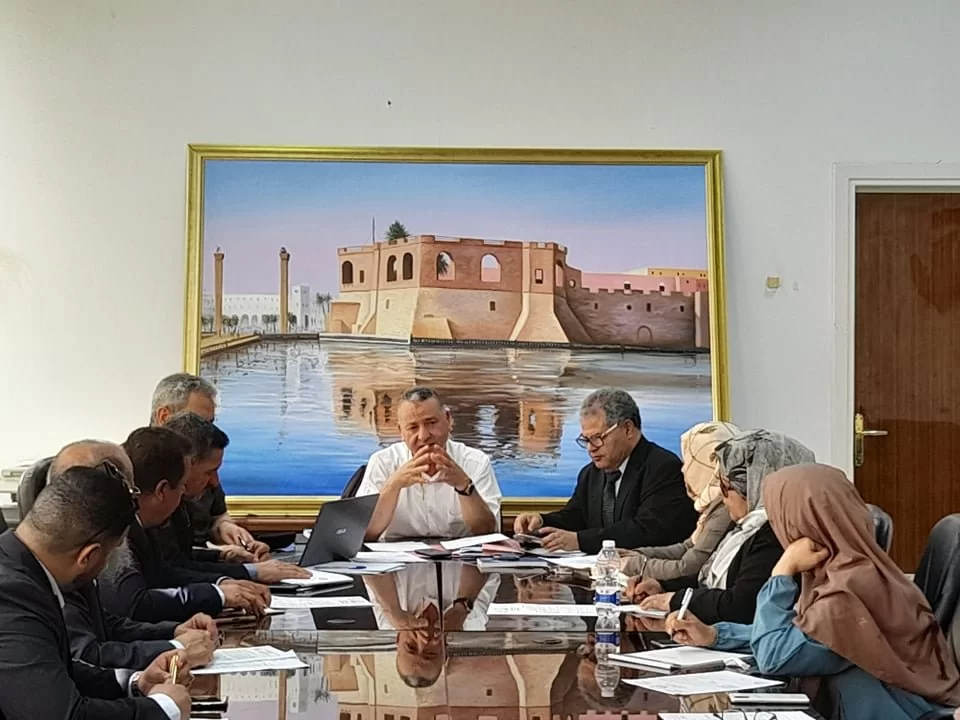
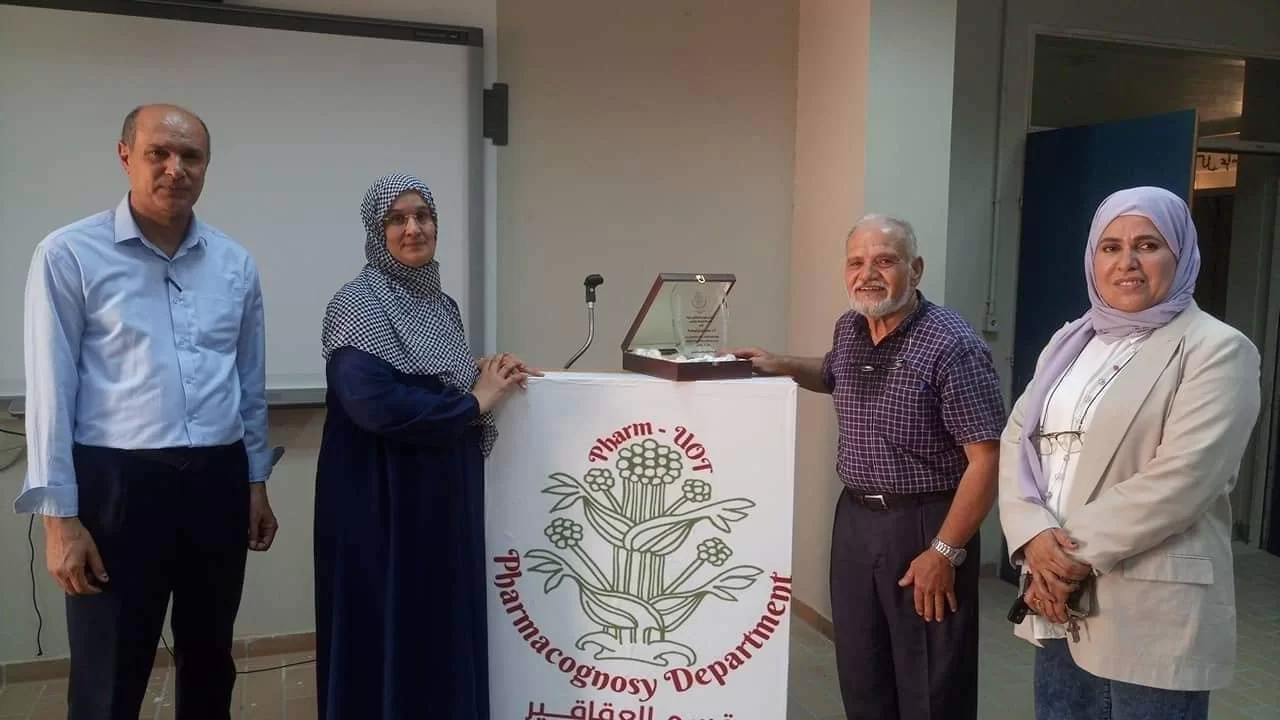
كلية العلوم في صور

الالبومات الخاصة بفعاليات كلية العلوم