كلية العلوم

المزيد ...

حول كلية العلوم

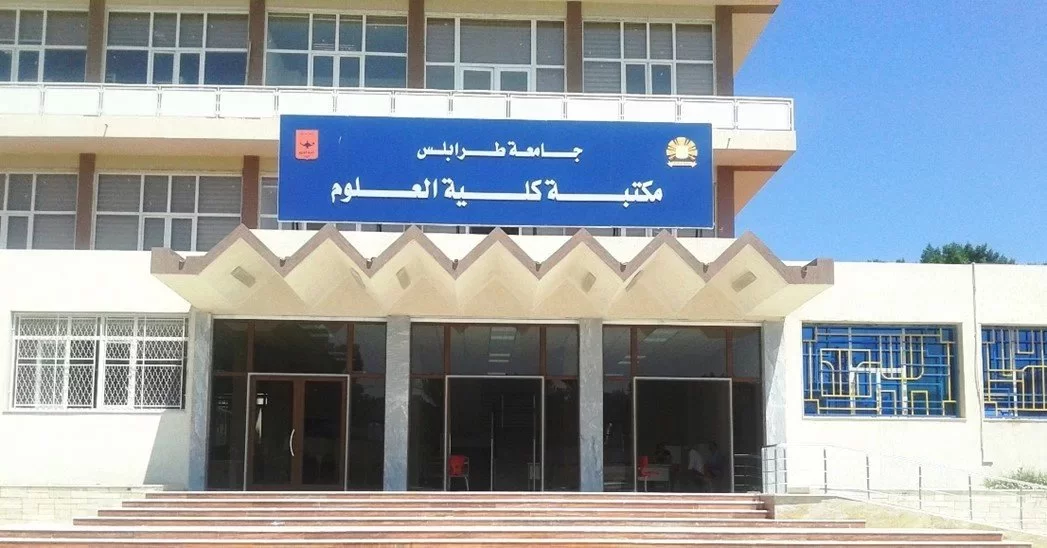
كلية العلوم- جامعة طرابلس هي نواة كليات العلوم ليس فقط في هذه الجامعة العريقة بل في الدولة الليبية . تضم في الوقت الحالي عشرة اقسام علمية ويجري العمل على استحداث قسم جديد Archaeology يختص بدراسة بالجانب العلمي البحثي للتراث التاريخي للشعب الليبي، وهذه الأقسام العلمية هي قسم علم الحيوان وعلم الرياضيات، وعلم الفيزياء، وعلم الكيمياء، وعلم النبات وعلم الجيولوجيا ، وعلم الحاسب الآلي وعلم الإحصاء ، وعلم الغلاف الجوي  وعلم الجيوفيزياء. عمل خريجو هذه الكلية في مختلف القطاعات منها على سبيل المثال وليس الحصر:

  • مجال النفط تنقيبا واستخراجا وتكريراً.
  • مجمعات الصناعات الكيميائية في أبي كماش وراس الانوف وشركات اللدائن إنتاجاً وتصنيعاً، و في مصانع الصابون ومواد التنظيف وغيرها.
  •  مجال التعليم وما يتعلق به من مجالات بحثية في جميع المراحل والمستويات منها التعليم المتوسط والعالي.

 لقد قاد خريجو هذه الكلية المسيرة العلمية لسنوات طويلة ولازالوا يمثّلون اللبنة الأولى في جميع كليات العلوم، وبعض الكليات الأخرى في جميع الجامعات الليبية، التي تأسست في الخمسة عقود الماضية. شمل مجال عمل خريجوها كليات الطب (في مجال العلوم الأساسية ، والكيمياء الحيوية وعلم التشريح والأنسجة والإحياء الدقيقة) وكليات الزراعة في معظم أقسامها والهندسة في المرحلة العامة وقسمي الهندسة الكيميائية والجيولوجية تحديدا، والتقنية الطبية والصيدلة وكلية الاقتصاد والآداب، وذلك من خلال برامج الدراسة الجامعية التي عملت على توفير معيدين للجامعــــــــات الأخــــــــــرى بالدولــــــــة الليبية أو توفير أعضــاء هيئة التدريس من حملة

  • تعتبر كلية العلوم من أوائل الكليات الجامعية التي تبنّت برامج الدراسات العليا بالداخل رغم طبيعة الدراسات العليا في العلوم الأساسية والتي تحتاج إلى إمكانيات تتعدى الأستاذ الكفؤ والذي هو متوفر والحمد لله في هذه المؤسسة، وذلك لان عدد كبير من الأساتذة تخرجوا من جامعات في الغرب والشرق (أمريكا، بريطانيا، أستراليا، معظم الدول الأوروبية) هذه الجامعات مشهود لها بالمستوى الأكاديمي الرفيع.
  • عمل ويعمل خريجوها أيضا في مراكز البحوث الصناعية والنووية والنفط والأحياء البحرية والتقنيات الحيوية واللدائن وغيرها من المراكز البحثية المتخصصة، وذلك بعد حصولهم على الشهادة الجامعية الأولى أو بعد حصولهم على درجات التخصص العالية والدقيقة من الداخل و الخارج .
  • إثراء الحركة العلمية البحثية في مجالات العلوم الاساسية بالدولة الليبية من خلال اصدار مجلة العلوم الاساسية المحكمة.

حقائق حول كلية العلوم

نفتخر بما نقدمه للمجتمع والعالم

170

المنشورات العلمية

267

هيئة التدريس

1831

الطلبة

686

الخريجون

من يعمل بـكلية العلوم

يوجد بـكلية العلوم أكثر من 267 عضو هيئة تدريس

staff photo

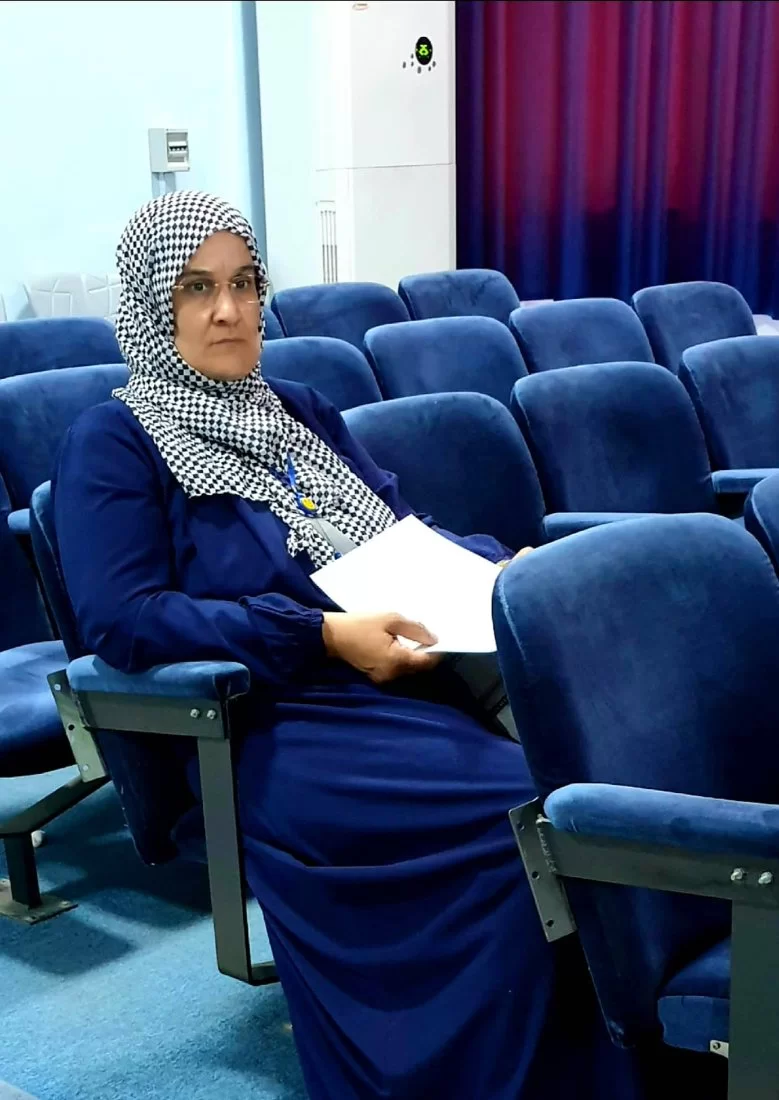
د. مريومة الاخضر رمضان النعمي

مريومة النعمي هي احد اعضاء هيئة التدريس بقسم الإحصاء بكلية العلوم. تعمل السيدة مريومة النعمي بجامعة طرابلس كـمحاضر منذ 2012-08-15 ولها العديد من المنشورات العلمية في مجال تخصصها

منشورات مختارة

بعض المنشورات التي تم نشرها في كلية العلوم

The Effect of Surface Treatment on the Perfoemance of Solar Cells

تمثل هذه الدراسة جزاءاً مكملاً لعدد من الدراسات التي تم القيام بها محلياً في مجال الطاقة الشمسية مركزة أساساً على دراسة تفاصيل الإشعاع الشمسي فوق الجماهيرية العظمي وذلك انطلاقاً من قناعة مطلقة بما تمثله الطاقة الشمسية من أهمية للجماهيرية. وإلحاقاً بتلك الدراسات ونظرا لما تمثله االخلايا الشمسية من أهمية كأفضل وسيلة لاستغلال الطاقة الشمسية فقد كانت ولاتزال موضع اهتمام الباحثين في مختلف أنحاء العالم خصوصاً في المناطق التي تتعرض لجزء كبير منالاشعاع الشمسي على مدار السنة، كما هو الحال بالنسبة لبلادنا، وتسعي كل التجارب والأبحاث في هذا المجال أساسً إلي تحسين كفاءة هذه الخلايا والتي تحكم متغيرات عدة. يهدف هذا البحث إلى دراسة إمكانية تحسين كفاءة بعض أنواع الخلايا الشمسية بمعالجة أسطح الخلايا بنبضات من الليزر. حيث أن سطح الخلية الشمسية يحتوي على العديد من العيوب التي لها تأثير سلبي على الكفاءة، والمعالجة الحرارية، خاصة تلك التي تتم باستخدام الليزر، تغير بشكل كبير من الخواص الكهربية والبصرية لسطح الخلية لما تحدث من تغيرات عليه ومن ثم تؤثر بشكل مباشر على كفاءة الخلية. لدراسة هذا التأثير حصلنا على عينات من خلايا السيلكون أحادي البلورة، والتي تعتبر أهم الأنواع وأكثرها انتشاراَ، تم تصنيفها إلى مجموعتين. المجموعة A وتضم خلايا ذات تركيبمعلوم والمجموعة B وتضم خلايا تجارية مجهولة التركيب. لذلك تم إجراء بعض التحاليل الأولية على العينات B شملت حيود الأشعة السينية والتحليل الكيميائي وغيرها للحصول علي أكبرقدر من المعلومات حول تركيبها. في البدباية تم إجراءفحص مجهري لجميع العينات باستخدام المجهر الإلكتروني لمعرفة التركيب الدقيق لسطحها قبل المعالجة ومن تم قياس المنحني المميز للخلية (I-V characteristics)، والذي يعطي كافة المعلومات عن أدائها بما في ذلك كفاءة الخلايا، وتم القياس باستخدام منظومة أعدت لهذا الغرض لضمان الدقة، بعد المعالجة باستخدام ليزرNd-YAG أعيدت القياسات التي أجريت قبل المعالجة في نفس الظروف التي قيست فيها من فيل لغرض المقارنة. وعلى ضوء التغيرات التي طرات على المنحنيات المميزة لمختلف الخلايا المستخدمة يمكن الوصول إلى الاستنتاجات التالية: -يمكن استعمال ليزر Nd-YAG بنجاح لاستعادة كفاءة الخلايا الشمسية السيليكونية. -وصلت الزيادة النسبية في كفاءة الخلايا في هذا البحث أكثر من %44 بعد معالجتعا بالليزر. -أدت المعالجة الليزرية في بعض الحالات إلي نقص ملحوظ في المقاومة المتوالية مما يشير إلى تحسن في مقاومة التماس بين الموصلات المعدنية وسطح شبه الموصل. -أدت االمعالجة الليزرية في بعض الحالات إلي نقص ملحوظ في المقاومة المتولية مما يشير إلي تحسن في مقاومة التماس بين الموصلات المعدنية وسطح الشبه الموصل. -زيادة المقاومة المتوزاية في جميع الحالات يشير الي نقص نسبة الانخلاعات في التركيب البلوري نتيجة المعالجة بالليزر. -من الاليات المحتملة اثناء المعالجة، تفكك المركبات المتكونة علي شكل ترسبات في منطقة النضوب لتعود للعمل كعناصر تطعيم، هذا التأثير يؤدي الي نقص في المقاومة المتوالية وزيادة في المقاومة المتوزاية. - بالنظر الي العامل الاقتصادي فأن استعمال المعالجة الليزيرية للخلايا الشمسية في المجالات الأرضية يقتصر علي الخلايا ذات المساحات الصغيرة، بينما تكمن الأهمية العظيمة لهذه التقنية في التطبيقات الفضائية كالاقمار الصناعية والسفن الفضائية بالإضافة الي المحطات الفضائية في المستقبل، حيث تمثل المعالجة الليزيرية للالواح الشمسية، اثناء وجودها في المدار، افضل وسيلة لضمان بقاء مصدر الطاقة المستخدمة أطول زمن ممكن. Abstract The current work is complementray part to previous studies carried out by our group wich concentrated on solar radiation over Libya. Such effort came about from unrestricted conviction in the importance of solar energy for the society. Among the several alternative technologies for solar energy conversion, solar cells have unique and attractive features that make them the best way for solar energy utilization so far. So many studies have been curried out to improve the efficiency of the solar cell which is affected by many parameters. This is work aims at the possibility of improving the efficiency of used silicon solar cells by means of laser surface treatment. It is well known that the cell surface includes many defects that cause a decrease in the cell efficiency. Based on the fact that heat treatment, especially that achieved by a laser, causes submstantial changes in the physical properties of the treated material, such changes could directly affect the cell performance. To study this effect, two sets of single-crystalline silicon solar cells have been used. Set A, whose structure was known and set B which was commercial cells with unknown structure. Since we were unable to secure well-defined cells due to circumstances beyond our control, set B cells were submitted to preparatory analysis such as x-ray diffraction and EDS considering the economic factor, the laser regeneration of solar cells efficiency is rather costly at this time hence its usecould be limited to surfacesof small area. However it is of great importance in space applications such as orbiting man –made satellites and spaceships and future space station, where the laser treatment of the powergenerating solar panels while in orbit could be of major significance in the lifetime of the energy source used.
يوسف أبو زيد الوافي (2004)
Publisher's website

Geological study of the Early and Late Cretaceous Clastic Reservoirs in C-structure, Block nc-98, Al hameimāt Trough, Sirt Basin-Libya

Abstract The area of study is located in the southeastern part of Block NC98 and is informally named C-Structure area, and it is completely situated in the center of Al Hameimāt Trough, South East Sirt Basin, Libya. The main reservoir rock in this structure is the Upper Nubian Sandstone Member, whereas the Reworked Sandstone Unit and Transitional Beds are considered as secondary reservoir rocks. These reservoirs are mainly composed of sandstone to argillaceous sandstone. The Upper Nubian Sandstone reservoir quality is adversely affected by volcanic rocks especially the thick intercalation of volcanoclastics within the Upper Nubian Sandstone. The Upper Nubian Sandstone Member was deposited during Early Albian times. The Reworked Sandstone Unit was possibly deposited in Cenomanian? to Turonian times and may be related to the overlying Transition Beds.Up to date, four wells have been drilled in this structure (C1-NC98, C2-NC98, C3-NC98 and C4-NC98) and were targeting the clastic reservoirs of the Upper Nubian Sandstone and/or overlying Upper Cretaceous Transitional beds and Reworked Sandstone unit. Only C1-NC98 and C2-NC98 wells have tested significant hydrocarbon in the Upper Nubian and Reworked Sandstone unit whereas C3-NC98 and C4-NC98 wells have tested no hydrocarbon in both reservoirs and are abandoned as dry wells. This study is aimed to validate the stratigraphical aspects, depositional environment and reservoir quality assessment in order to decipher the reasons of drilled dry holes. The obtained results are anticipated to provide valuable geological information for the current and future prospect evaluation in the area. All available wire line logs of C wells (C1-NC98, C2-NC98, C3-NC98 and C4-NC98) and adjacent wells have been used to correlate the stratigraphy of the Pre-Upper and Upper Cretaceous silisiclastic sediments in the area of study.Representative core samples across the reservoir rocks of the candidate wells have been laid down for core description. The acquired results have been integrated with conventional core analysis and petrographic results to investigate the lithofacies characterization and depositional environment in order to sub-divide them into different lithofacies.Different types of geological maps have been prepared in this research (e.g. stratigraphical/structural cross sections, subcrop maps, isobach maps, structure contour maps and etc.) to delineate the formation extension and correlation. Burial history diagrams across all depositional sequences in the candidate wells were also prepared to identify the depositional scenario and to estimate the time span of tectonic subsidence along the depositional sequences.The results of all available geological studies which recently have been carried out by Waha Oil Company in the area of study and adjacent areas have been reviewed, elaborated and integrated with the results of this study to assess the discussion and final conclusion. The final results of sedimentological study indicates that there is no major effect of diagenetic processes on the reservoir rocks during and after the deposition. As a consequence, C3-NC98 and C4-NC98 wells were drilled in an area of poor reservoir quality of Reworked Sandstone and Upper Nubian reservoirs due to the existence of thick sequences of clay and siltstone which were mostly deposited in levee and over bank sub-environments of likely combined braided and meandering river. Whereas, C1 and C2-NC98 oil wells were drilled in an area of good reservoir quality of Reworked Sandstone and Upper Nubian Sandstone reservoirs where the sand bars sub-environment are deposited as a thick sequence of clean sands carrying the genetic of good reservoir properties. Therefore, the reservoir rocks in this area have different properties due to different sub-environment of deposition. This new results will probably assess the prospect generation and evaluation for the future drilling activity in the area of study.The encountered volcanoclastic sediments in well C2-NC98 reveals that this sediment is likely transported by river from the area of volcanic eruption to the area of deposition rather than in situ eruption. This type of volcano is likely applied to cinder cone volcano type where the pyroclastic fragments are not cemented together and thus easy to erode. Therefore, the intercalation of volcanoclastic sediment in Upper Nubian Sandstone has no marked effect in the reservoir rocks.Burial history curves of wells C1-NC98, C2-NC98, C3-NC98 and C4NC98 indicate three major subsidence events took place during Early Cretaceous time (Early Aptian - Early Albian), Late Cretaceous time (Turonian - Maastrichitian) and the Palaeocene - Eocene subsidence. However, Plaeocene - Eocene subsidence shows the highest subsidence rate with comparison to the other two subsidence rates.
محمد عمار هامان (2015)
Publisher's website

Minimizing Fractional Errors in Floating Point Number

تدعم لغات البرمجة أعداد النقطة العائمة كنوع بيانات متضمن باللغة built-in data type. إلا أن تمثيل و دقة أعداد النقطة العائمة قد يختلف من لغة إلى أخرى ومن حاسوب إلى آخر. قسمة الأعداد الصحيحة قد تُنتج قيمة بالنقطة العائمة التي في كثير من الحالات يمكن أن تسكّن accommodated بالكامل في الحيز المخصص لها بذاكرة الحاسوب أو أنها تستمر بشكل لانهائي والذي قد ينتج عنه فقد في قيمة الناتج. إذا أخذ الناتج لتجرى عليه حسابات أخرى متتالية فتزيد فجوة الخطأ والتأثير قد لا يكون مقبولاً.في هذا البحث نقدم حلاً مستنداً على تمثيل أجزاء العدد الكسري (الجزء العشريmantissa ، الأساس base، الأس exponent) باستخدام أعداد صحيحة على شكل كسر اعتيادي. في هذه الحالة سنحصل على ثلاثة أعداد: العدد الصحيح Integer value والبسط Numerator والمقام Denominator. مع توضيح طرق إجراء العمليات الحسابية على ضوء هذا التمثيل.كنتيجة لهذا البحث ستكون هذه الطريقة في تمثيل الأعداد الكسرية تمثيلاً كاملاً دون فقدان لشكل الكسر أو جزءًا من قيمته، وتقليل الخطأ التراكمي الناتج عن تتالي العمليات الحسابية. وقد تم إعداد بعض الأمثلة البرمجية للتحقق من فعالية هذه الطريقة ومقارنة نتائجها مع نتائج التمثيل العشري المتبع للنقطة العائمة. Abstract Programming languages support floating point numbers as a built-in data type. However the representation of floating point numbers differs from one language to another.Integer division may result in floating point value that in many cases can be fully accommodated in computer memory or it goes infinitely which produces a lost in the output value. If the result is then taken for further calculations the gape of the error increases and the effect may not be acceptable.In this research a solution is proposal based on representing fractional numbers (mantissa, base and exponent) using integer numbers format. In this case we get three parts: the Integer value, the Numerator value and the Denominator value. The operations on such representation are also introduced. This representation is evaluated and compared with the traditional (Mantissa) representation. Sample programs using C++ language are developed showing how this representation can be used and how fractional numbers are declared and used, with comparison with the normal representation.
ناهد فتحي محمد فرح (2010)
Publisher's website

كلية العلوم في صور

الالبومات الخاصة بفعاليات كلية العلوم