كلية العلوم

المزيد ...

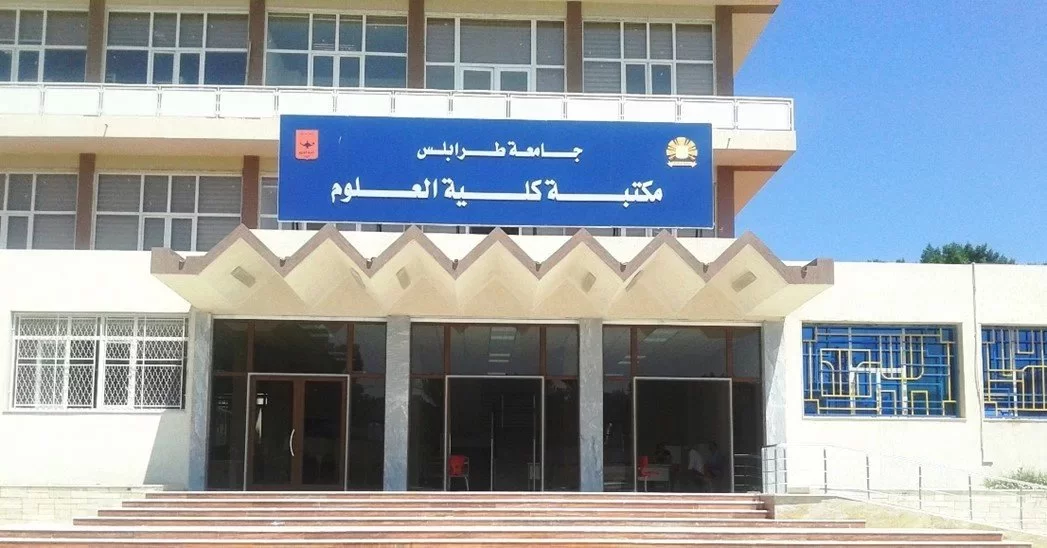
حول كلية العلوم

كلية العلوم- جامعة طرابلس هي نواة كليات العلوم ليس فقط في هذه الجامعة العريقة بل في الدولة الليبية . تضم في الوقت الحالي عشرة اقسام علمية ويجري العمل على استحداث قسم جديد Archaeology يختص بدراسة بالجانب العلمي البحثي للتراث التاريخي للشعب الليبي، وهذه الأقسام العلمية هي قسم علم الحيوان وعلم الرياضيات، وعلم الفيزياء، وعلم الكيمياء، وعلم النبات وعلم الجيولوجيا ، وعلم الحاسب الآلي وعلم الإحصاء ، وعلم الغلاف الجوي  وعلم الجيوفيزياء. عمل خريجو هذه الكلية في مختلف القطاعات منها على سبيل المثال وليس الحصر:

  • مجال النفط تنقيبا واستخراجا وتكريراً.
  • مجمعات الصناعات الكيميائية في أبي كماش وراس الانوف وشركات اللدائن إنتاجاً وتصنيعاً، و في مصانع الصابون ومواد التنظيف وغيرها.
  •  مجال التعليم وما يتعلق به من مجالات بحثية في جميع المراحل والمستويات منها التعليم المتوسط والعالي.

 لقد قاد خريجو هذه الكلية المسيرة العلمية لسنوات طويلة ولازالوا يمثّلون اللبنة الأولى في جميع كليات العلوم، وبعض الكليات الأخرى في جميع الجامعات الليبية، التي تأسست في الخمسة عقود الماضية. شمل مجال عمل خريجوها كليات الطب (في مجال العلوم الأساسية ، والكيمياء الحيوية وعلم التشريح والأنسجة والإحياء الدقيقة) وكليات الزراعة في معظم أقسامها والهندسة في المرحلة العامة وقسمي الهندسة الكيميائية والجيولوجية تحديدا، والتقنية الطبية والصيدلة وكلية الاقتصاد والآداب، وذلك من خلال برامج الدراسة الجامعية التي عملت على توفير معيدين للجامعــــــــات الأخــــــــــرى بالدولــــــــة الليبية أو توفير أعضــاء هيئة التدريس من حملة

  • تعتبر كلية العلوم من أوائل الكليات الجامعية التي تبنّت برامج الدراسات العليا بالداخل رغم طبيعة الدراسات العليا في العلوم الأساسية والتي تحتاج إلى إمكانيات تتعدى الأستاذ الكفؤ والذي هو متوفر والحمد لله في هذه المؤسسة، وذلك لان عدد كبير من الأساتذة تخرجوا من جامعات في الغرب والشرق (أمريكا، بريطانيا، أستراليا، معظم الدول الأوروبية) هذه الجامعات مشهود لها بالمستوى الأكاديمي الرفيع.
  • عمل ويعمل خريجوها أيضا في مراكز البحوث الصناعية والنووية والنفط والأحياء البحرية والتقنيات الحيوية واللدائن وغيرها من المراكز البحثية المتخصصة، وذلك بعد حصولهم على الشهادة الجامعية الأولى أو بعد حصولهم على درجات التخصص العالية والدقيقة من الداخل و الخارج .
  • إثراء الحركة العلمية البحثية في مجالات العلوم الاساسية بالدولة الليبية من خلال اصدار مجلة العلوم الاساسية المحكمة.

حقائق حول كلية العلوم

نفتخر بما نقدمه للمجتمع والعالم

170

المنشورات العلمية

267

هيئة التدريس

1831

الطلبة

686

الخريجون

البرامج الدراسية

الإجازة التخصصية (بكالوريوس)
تخصص الفيزياء

يقدم قسم الفيزياء برنامج دراسي للحصول على درجة الإجازة الجامعية الأولى (البكالوريوس)...

التفاصيل


الإجازة التخصصية بكالوريوس - علم الحيوان
تخصص شعبة علم الاحياء الجنائي

...

التفاصيل

من يعمل بـكلية العلوم

يوجد بـكلية العلوم أكثر من 267 عضو هيئة تدريس

staff photo

أ.د. عبدالناصر محمد اشتيوي التركي

عبدالناصر هو احد اعضاء هيئة التدريس بقسم الكيمياء بكلية العلوم. يعمل السيد عبدالناصر بجامعة طرابلس كـأستاذ مشارك منذ 2013-06-01 وله العديد من المنشورات العلمية في مجال تخصصه

منشورات مختارة

بعض المنشورات التي تم نشرها في كلية العلوم

المحافظة على نبات بلح الصحراء (Balanites aegyptiaca (L.) Del. المهدد بالإنقراض من البيئة الليبية بتقنية زراعة الأنسجة))

آجريت هذه الدراسة خلال الفترة من 2009-2010 ف بمختبرات زراعة الأنسجة النباتية بكل من مركز بحوث التقنيات الحيوية وقسم البستنة وقسم علم النبات – جامعة الفاتح بالتعاون مع مركز البحوث الزراعية، وتهدف إلى المحافظة على نبات بلح الصحراء aegyptiaca(L) Del. Balanites المهدد بالانقراض من البيئة الليبية باستعمال تقنية زراعة الأنسجة. جمعت العينات من أغصان وبذور أشجار بلح الصحراء البرية النامية بالأودية الصحراوية حول واحة غات خلال موسم الشتاء لسنة 2009 ف، حيث تمت دراسة سكون البذور واختبار حيويتها. كما تم دراسة عدة مسارات للاكثار الدقيق شملت الإكثار غير المباشر للنبات عن طريق تكوين خلايا الكلس، ومسار التكشف المباشر للنبات تحت تأثير أنواع وتراكيز مختلفة من منظمات النمو.بينت النتائج أن نسبة حيوية البذور تراوحت بين 88-90%، وأن بذور هذا النبات تمُر بمرحلتين من السكون، السكون الخارجى والداخلي. وكانت المعاملة الأفضل للتغلب على السكون الخارجى هي الكسر الميكانيكي للقشرة الداخلية للثمرة ونزع البذور منها، كما تم كسر السكون الداخلي بزراعة البذور على وسط مغذى MS مدعم بمنظم النمو حامض الجبرلين بتركيز 2 ملجم/لتر، ونتج عن تلك المعاملات نسبة انبات وصلت الى 90%.كما تناولت هذه الدراسة تأثير نوع المستأصل على نسبة ووزن خلايا الكلس المتكونة منها، حيث كانت أعلى نسبة استجابة لتكوين خلايا الكلس قد وقعت من مستأصلات الأوراق المزروعة على وسط MS مضاف إليه 2 ملجم/لتر من منظم النمو (2,4-D) 2,4 Dichlorophenoxy Acetic Acid، حيث وصلت نسبة الاستجابة إلى 100%، بينما سجلت مستأصلات الفلقات أعلى متوسط وزن لخلايا الكلس وبلغت 1.98جم، كما أوضحت الدراسة أن بعض قمم الجذور التي حضّنت في الظلام على وسط MS خالٍ من منظمات النمو تكشفت مباشرة إلى أفرخ نسيجية.أوضحت نتائج الدراسة أن أفضل تأثير لمنظم النمو بنزايل آدينين على التكشف المباشر لمستأصلات من الجذور كان عند تركيز 0.5 ملجم/لتر بالنسبة لعدد الأفرخ وطولها وعدد الأوراق المتكونة والذي بلغ 1.66 فرخ ، 1.38سم ، 1.47 ورقة على التوالى. كما بينت نتائج الدراسة أن زراعة العقد المفردة على وسط مغذي يحتوي على تركيز 0.5 ملجم/لتر من منظم النموBezyl Adenine (BA) قد أظهر أعلى متوسط لعدد الأفرخ وطولها حيث بلغت 2.90 فرخ، 5.15 سم على التوالى، بينما كان أعلى متوسط لعدد الأوراق قد نتج عند تركيز 1 ملجم/لتر بعدد 15.75 ورقة. أما بالنسبة لتأثير منظم النمو كاينتن على تكشّف العقد المفردة، فقد أظهر تركيز 1.5 ملجم/لتر منه أعلى متوسط لعدد الأفرخ وطولها وعدد الأوراق المتكوّنة والذي بلغ 2.50 فرخ، 3.25 سم، 14.7 ورقة على التوالي. كما بينت نتائج التجذير أن زراعة أفرخ نبات بلح الصحراء على نصف تركيز الوسط Murashig & Skoog (MS) قد أظهرت أعلى نسبة تجذير حيث بلغت 100%، كما وصلت نسبة بقاء النبيتات حية بعد فترة الأقلمة إلى 80% تحت ظروف صوبة بلاستيكية بدون تحكم في العوامل البيئية. Abstract This study was carried out during 2009-2010 in plant tissue culture laboratories of Biotechnology Research Centre and Laboratories in Al-Fatah University in departments of Botany and Horticulture with cooperation of the the Agricultural Research Centre. The aim of the study was the conservation through micropropagation of the plant species Balanites aegyptiaca (L) Del which is facing extinction from the Libya desert habitat. Samples including branches and seeds of wild Balanites aegyptiaca were collected from plants growing desert valleys around the oasis of Ghat during winter, 2009. Seed dormancy and viability were tested as well as some of the micropropagation methods including indirect micropropagation by formation of callus cells and direct micropropagation under the effect of several concentrations of a number of plant growth regulators.The results showed that the seed viability was between 88 and 90%, moreover, the seeds were under two dormancy stages, internal and external. The best treatment to overcome the external dormancy was through getting the seeds out of the endocarp by a mechanical treatment. The internal dormancy, however; was overcome by cultivating the seeds on MS medium supported by Gibberellic Acid at a concentration of (2 mg/L); this treatment revealed a germination percent of 90%.This study also included the effect of the type of explant on response percentage and weight of the callus cells formed. The highest percentage of callus cells formed was obtained from leaf explants cultured on MS medium containing 2, 4-D in a concentration of (2 mg/L), where the response was 100%. Cotyledon explants recorded highest callus cells of mean weight of (1.979 g) per callus. This study also has illustrated that some of the root tips incubated in dark at MS medium free of plant regulators have directly differentiated into shoots. The results of this study have demonstrated that the best effect of Benzyl adenine (BA) plant regulator on direct differentiation of root explants was at 0.5mg/L for all the three studied parameter; which were the mean of shoot number (1.66), mean of shoot length (1.38 cm) and mean of number of formed leaves (1.47). The results of the culture of single node on MS medium containing BA (0.5mg/L) have shown that the highest mean of shoot number and shoot length were 2.9 shoots and 5.15 cm in length. Whereas, the highest mean of number of leaves (15.75 leaves) was recorded when 1mg/L of BA was used. The effect of Kinetin (Kin) on differentiation of single nodes revealed that the concentration of 1.5 mg/L has produced the highest mean of shoot number (2.5 shoots), shoot length (3.25 cm) and leave number (14.7 leaves), Results have also revealed that the rooting percentage wqs 100% when using ½ MS (Murashig & Skoog). Survival percentage of plantlets has reached 80% under a plstic green house with no control of the environmental conditions.A summary of the best micropropagation protocol of treatments from fruit (seeds) to acclimated plantlets is illustrated in Figure (31).
زينب جمعة الدائخ (2011)
Publisher's website

Mixed Languages Programming Technique Based on Data Variables Emigration

Abstract A technique for mixed–languages program is introduced to mix C and FORTRAN. programming languages. This technique enables the programmer to develop programs. composed of different code sections each written in either C or FORTRAN. Each. Section can access and use the variables decleared in other sections. The variables. Decleared in C sections can be used in FORTRAN sections. This process in which a data variable is declared in a program section of a certain. Language and used in another section of another language is given the name "Data Variable Emigration". A preprocessor is designed to read the mixed source program, separate the code. Sections in different files and determine the emigrated variables and define them by the syntax of the language they emigrated to. Then the preprocessor send the sections files to the compilers to get the object files and send these files to a common linker to produce one execution file.
رحاب عبد الله رجب بن عبد الله (2009)
Publisher's website

Environmentally toxicant exposures induced intragenerational transmission of liver abnormalities in mice

Environmental toxicants such as chemicals, heavy metals, and pesticides have been shown to promote transgenerational inheritance of abnormal phenotypes and/or diseases to multiple subsequent generations following parental and/ or ancestral exposures. This study was designed to examine the potential transgenerational action of the environmental toxicant trichloroethane (TCE) on transmission of liver abnormality, and to elucidate the molecular etiology of hepatocyte cell damage. A total of thirty two healthy immature female albino mice were randomly divided into three equal groups as follows: a sham group, which did not receive any treatment; a vehicle group, which received corn oil alone, and TCE treated group (3 weeks, 100 μg/kg i.p., every 4th day). The F0 and F1 generation control and TCE populations were sacrificed at the age of four months, and various abnormalities histpathologically investigated. Cell death and oxidative stress indices were also measured. The present study provides experimental evidence for the inheritance of environmentally induced liver abnormalities in mice. The results of this study show that exposure to the TCE promoted adult onset liver abnormalities in F0 female mice as well as unexposed F1 generation offspring. It is the first study to report a transgenerational liver abnormalities in the F1 generation mice through maternal line prior to gestation. This finding was based on careful evaluation of liver histopathological abnormalities, apoptosis of hepatocytes, and measurements of oxidative stress biomarkers (lipid peroxidation, protein carbonylation, and nitric oxide) in control and TCE populations. There was an increase in liver histopathological abnormalities, cell death, and oxidative lipid damage in F0 and F1 hepatic tissues of TCE treated group. In conclusion, this study showed that the biological and health impacts of environmental toxicant TCE do not end in maternal adults, but are passed on to offspring generations. Hence, linking observed liver abnormality in the offspring to environmental exposure of their parental line. This study also illustrated that oxidative stress and apoptosis appear to be a molecular component of the hepatocyte cell injury.
Mohamed A. Al-Griw , Soad A. Treesh, Rabia O. Alghazeer, Sassia O. Regeai (7-2017)
Publisher's website

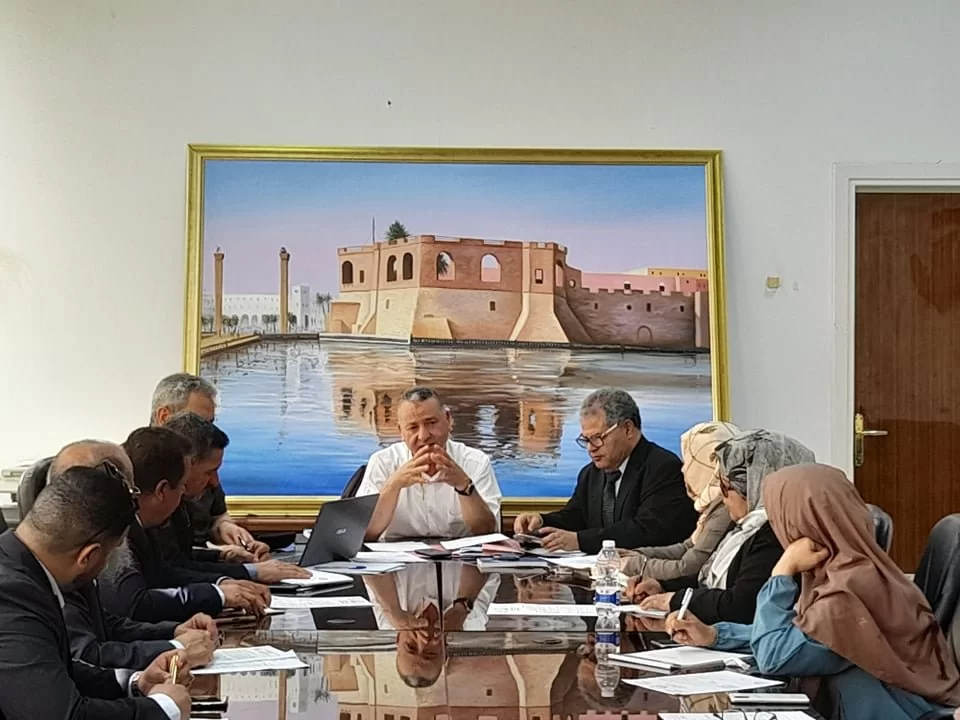
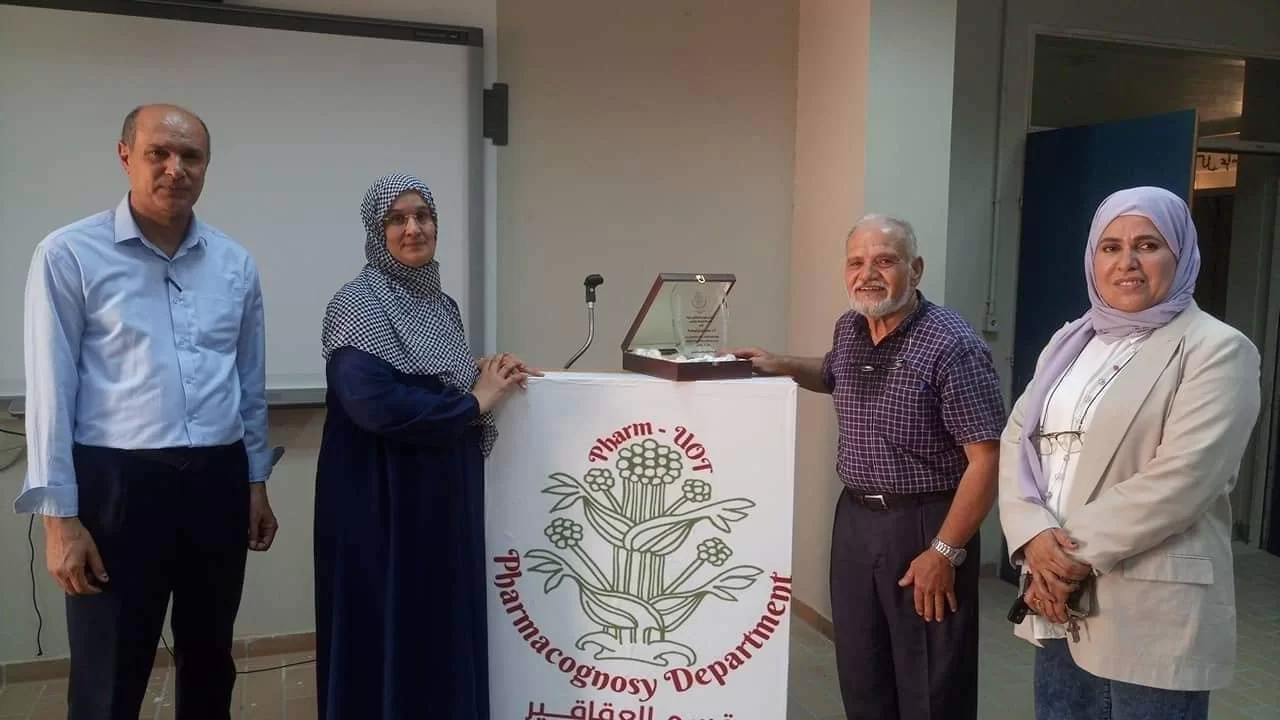
كلية العلوم في صور

الالبومات الخاصة بفعاليات كلية العلوم