كلية العلوم

المزيد ...

حول كلية العلوم

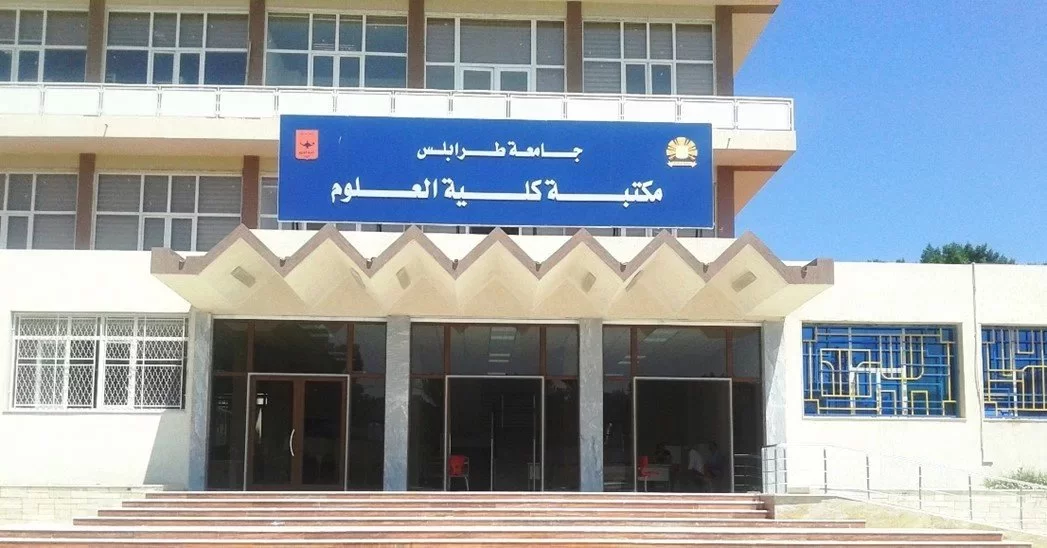
كلية العلوم- جامعة طرابلس هي نواة كليات العلوم ليس فقط في هذه الجامعة العريقة بل في الدولة الليبية . تضم في الوقت الحالي عشرة اقسام علمية ويجري العمل على استحداث قسم جديد Archaeology يختص بدراسة بالجانب العلمي البحثي للتراث التاريخي للشعب الليبي، وهذه الأقسام العلمية هي قسم علم الحيوان وعلم الرياضيات، وعلم الفيزياء، وعلم الكيمياء، وعلم النبات وعلم الجيولوجيا ، وعلم الحاسب الآلي وعلم الإحصاء ، وعلم الغلاف الجوي  وعلم الجيوفيزياء. عمل خريجو هذه الكلية في مختلف القطاعات منها على سبيل المثال وليس الحصر:

  • مجال النفط تنقيبا واستخراجا وتكريراً.
  • مجمعات الصناعات الكيميائية في أبي كماش وراس الانوف وشركات اللدائن إنتاجاً وتصنيعاً، و في مصانع الصابون ومواد التنظيف وغيرها.
  •  مجال التعليم وما يتعلق به من مجالات بحثية في جميع المراحل والمستويات منها التعليم المتوسط والعالي.

 لقد قاد خريجو هذه الكلية المسيرة العلمية لسنوات طويلة ولازالوا يمثّلون اللبنة الأولى في جميع كليات العلوم، وبعض الكليات الأخرى في جميع الجامعات الليبية، التي تأسست في الخمسة عقود الماضية. شمل مجال عمل خريجوها كليات الطب (في مجال العلوم الأساسية ، والكيمياء الحيوية وعلم التشريح والأنسجة والإحياء الدقيقة) وكليات الزراعة في معظم أقسامها والهندسة في المرحلة العامة وقسمي الهندسة الكيميائية والجيولوجية تحديدا، والتقنية الطبية والصيدلة وكلية الاقتصاد والآداب، وذلك من خلال برامج الدراسة الجامعية التي عملت على توفير معيدين للجامعــــــــات الأخــــــــــرى بالدولــــــــة الليبية أو توفير أعضــاء هيئة التدريس من حملة

  • تعتبر كلية العلوم من أوائل الكليات الجامعية التي تبنّت برامج الدراسات العليا بالداخل رغم طبيعة الدراسات العليا في العلوم الأساسية والتي تحتاج إلى إمكانيات تتعدى الأستاذ الكفؤ والذي هو متوفر والحمد لله في هذه المؤسسة، وذلك لان عدد كبير من الأساتذة تخرجوا من جامعات في الغرب والشرق (أمريكا، بريطانيا، أستراليا، معظم الدول الأوروبية) هذه الجامعات مشهود لها بالمستوى الأكاديمي الرفيع.
  • عمل ويعمل خريجوها أيضا في مراكز البحوث الصناعية والنووية والنفط والأحياء البحرية والتقنيات الحيوية واللدائن وغيرها من المراكز البحثية المتخصصة، وذلك بعد حصولهم على الشهادة الجامعية الأولى أو بعد حصولهم على درجات التخصص العالية والدقيقة من الداخل و الخارج .
  • إثراء الحركة العلمية البحثية في مجالات العلوم الاساسية بالدولة الليبية من خلال اصدار مجلة العلوم الاساسية المحكمة.

حقائق حول كلية العلوم

نفتخر بما نقدمه للمجتمع والعالم

170

المنشورات العلمية

267

هيئة التدريس

1831

الطلبة

686

الخريجون

من يعمل بـكلية العلوم

يوجد بـكلية العلوم أكثر من 267 عضو هيئة تدريس

staff photo

أ.د. علي غيث محمود الجديد

ا.د/علي الجديد هو احد اعضاء هيئة التدريس في قسم علم الغلاف الجوي بكلية العلوم. يعمل السيد علي الجديد في كلية العلوم - جامعة طرابلس ودرجته العلمية أستاذ منذ 2009-05-12، وله العديد من المنشورات العلمية والكتب في مجال تخصصه.

منشورات مختارة

بعض المنشورات التي تم نشرها في كلية العلوم

" مكونات نبات حنة العقرب (Echium angustifolium Mill.) الطبيعية كمصادر صناعية ودوائية فعالة "

"جربت هذه الدراسة لبيان إمكانية استخدام نبات حنة العقرب Echium angustifolium Mill. دليلاً ﺤﻴﻭياً للتلوث بالعناصر الثقيلة في كل من الأماكن القريبة من الطريق والبعيدة عن الطريق لربيعي 2011 و2012 بمنطقة ترهونة، ومن أمام سور كلية الهندسة العسكرية بمنطقة تاجوراء. شملت الدراسة قياس تركيز بعض العناصر الثقيلة ﻫﻲ ﺍﻟﺭﺼﺎﺹ (Pb)، ﺍﻟﻨﺤﺎﺱ (Cu)، ﺍﻟﺤﺩﻴﺩ (Fe)، المنجنيز (Mn)، ﺍﻟﻨﻴﻜل (Ni)، ﺍﻟﻜﺎﺩﻤﻴﻭﻡ (Cd)، الكوبالت (Co)، الكروم (Cr)، الألمنيوم (Al)، الزئبق (Hg)، الزنك (Zn)، الزرنيخ (As)، والمولبيدنم (Mo). ﺃﻅﻬﺭﺕ ﺍﻟﻨﺘﺎﺌﺞ ﺘﻠﻭﺙ النبات بعناصر الألمنيوم، ﻭالمنجنيز، ﻭﺍﻟﺤﺩﻴﺩ، ﻭالنحاس، والزنك، والرصاص ﻓﻲ كل الأماكن ﺍﻟﻤﺩﺭﻭﺴﺔ، وسجلت ﺃﻋﻠﻰ ﻤﻌﺩلات تلوث لعنصري الألمنيوم ﻭﺍﻟﺤﺩﻴﺩ (926.5، 838.9 ميكروجرام/جرام وزن جاف، علي التوالي) في أوراق النبات البعيد عن الطريق لربيع 2011، وأعلى معدل تلوث بعنصر المنجنيز (94.2 ميكروجرام/جرام وزن جاف) سجل في أوراق النبات القريب من الطريق لربيع 2011، وأعلى معدل تلوث لعنصري النحاس والزنك (22، 52 ميكروجرام/جرام وزن جاف، علي التوالي) في جذور النبات البعيد عن الطريق لربيع 2011، وﺃﻋﻠﻰ معدل لعنصر الرصاص (11.07 ميكروجرام/جرام وزن جاف) في جذور النبات القريب من الطريق لربيع 2012. في حين كان الزئبق أقل العناصر تلوثاً في النبات حيث وجد بتركيز أقل من (0.01 ميكروجرام/جرام وزن جاف) في كل أجزاء النبات ولكل الأماكن المدروسة. تعزي ﺍﻟﺯﻴﺎﺩﺓ ﻓﻲ تركيز هذه العناصر ﻨﺘﻴﺠﺔ ﻟﻨﻤﻭ ﺍﻟﻨﺒﺎﺕ ﻓﻲ ﺘﺭﺒﺔ ﻤﻠﻭﺜﺔ ﻷﺴﺒﺎﺏ ﺘﻌﻭﺩ ﻟﻌﻭﺍﻤل ﺍﻟﺘﺠﻭية ﺍﻟﺠﻴﻭﻟﻭﺠﻴﺔ ﻟﻠﺘﺭﺒﺔ ﺃﻭ ﻨﺘﻴﺠﺔ ﺯﻴﺎﺩﺓ ﻤﺨﻠﻔﺎﺕ المنازل التي غالباً ما تطمر عشوائياً في أراضي المنطقة، بالإضافة لمجاري ﺍﻟﺼﺭﻑ ﺍﻟﺼﺤﻲ، كذلك ﺯﻴﺎﺩﺓ مخلفات ﺍﻟﺴﻴﺎﺭﺍﺕ ﻭﻭﺴﺎﺌل ﺍﻟﻨﻘل ﺍﻟﻤﺨﺘﻠﻔﺔ، أو ربما نتيجة الحرب خلال عامي 2011 و2012 وما رافقها من انفجارات هائلة للقنابل والصواريخ الحربية ورمي عشوائي للرصاص والذخائر الحربية، بالإضافة إلي كثافة مرور سيارات وشاحنات الأرتال العسكرية، الأمر الذي قد يكون ترتب عليه زيادة في معدل التلوث، كما أن انخفاض تركيز ﻋﻨﺎﺼﺭ الكروم، النيكل، الكوبالت، الكادميوم، الزرنيخ، الزئبق، والمولبيدنم في النبات؛ ﺭﺒﻤﺎ ﻴﻌﻭﺩ لإنخفاض تركيزها في التربة، بالإضافة إلى عدم وجود مصانع بالقرب من مناطق الدراسة، وبالتالي ﻗﻠﺔ ﺍﻟﺘﻌﺭﺽ ﻟﻠﻤﻠﻭﺜﺎﺕ ﺍﻟﺼﻨﺎﻋﻴﺔ. تم أيضاً في هذه ﺍﻟدراسة استخلاص صبغة طبيعية من جذور النبات واستخدامها ﻓﻲ ﺼﺒﺎﻏﺔ ﻋﻴﻨﺎﺕ نسيجية ﻤﺨﺘﻠﻔﺔ هي ﺍﻟﺼﻭﻑ، ﺍﻟﺤﺭﻴﺭ، ﺍﻟﻘﻁﻥ والنايلون، واﺴﺘﺨﺩﻡ لتثبيت الصبغة على النسيج سبعة ﻤﺜﺒﺘﺎﺕ ﻤﺨﺘﻠﻔﺔ ﻫﻲ (كلوريد ﺍﻟﻘﺼﺩﻴﺭ، كبريتات أمونيا الألمنيوم (الشب)، ﺜﻨﺎﺌﻲ كرومات ﺍﻟﺒﻭﺘﺎﺴﻴﻭﻡ، كلوريد الكروم، كلوريد النيكل، كبريتات النحاس ﻭكبريتات ﺍﻟﺤﺩﻴﺩﻭﺯ). تمت عملية الصباغة بعدة طرق هي: الصباغة بالمستخلص المائي للجذور ( 50جم جذور بنية/ 500 مل ماء مقطر)، و(25 جم جذور حمراء قرمزية/ 500مل ماء مقطر)، والصباغة بالمستخلص الكحولي للجذور 50جم جذور حمراء قرمزية / 400)مل كحول : 100مل ماء مقطر)، 100 جم جذور حمراء قرمزية/( 400مل كحول : 100مل ماء مقطر)، و 25جم جذور حمراء قرمزية/(100 مل كحول :400 مل ماء مقطر)، والصباغة باستخدام الميكروويف (microwave dyeing) والصباغة باستخدام الطاقة الشمسية (solardyeing). حيث ﺘﻡ ﺍﻟﺤﺼﻭل ﻋﻠﻰ ﺍﻟﻌﺩﻴﺩ ﻤﻥ ﺍﻷﻟﻭﺍﻥ الجميلة المتفاوتة التدرج بين الداكنة إلي الخافتة. تلا ذلك ﺩﺭاسة ﺨﺼﺎﺌﺹ ﺜﺒﺎﺕ لون العينات النسيجية المصبوغة للغسيل، الضوء، الحك الجاف والرطب، والعرق الحمضي والقاعدي، حيث ﺃظهرت ﺍﻟﻨﺘﺎﺌﺞ بصفة عامة تقريباً لجميع أنواع الصباغة المستخدمة أن درجة ﺜﺒﺎﺕ اﻟﺼﺒﻐﺔ المستخلصة من جذور نبات حنة العقرب Echium angustifolium Mill. لكل من : اﻠﻐﺴﻴل: كانت من معتدلة إلى ممتازة علي الصوف والحرير ﺃﻤﺎ على القطن والنايلون فقد تراوحت درجة ﺜﺒﺎﺘﻬﺎ من ضعيفة إلى ممتازة، وبدون ﺩﺭﺠﺔ ﺘﺒﻘﻊ تذكر. ضوء الشمس الطبيعي: كانت درجة الثبات من سيئة إلى جيدة علي الصوف والنايلون، ومن سيئة للغاية إلى جيدة على الحرير والقطن، وأوضحت النتائج ﺃﻥ ﻋﻴﻨﺎﺕ ﺍﻟﺼﻭﻑ ﻗﺩ ﺃﻅﻬﺭﺕ ﺃﻓﻀل ﻗﺎﺒﻠﻴﺔ ﻟﻠﺼﺒﺎﻏﺔ ﻭﺜﺒﺎﺘﹰﺎ للضوء ﻴﻠﻴﻬﺎ ﻋﻴﻨﺎﺕ النايلون ثم ﺍﻟﺤﺭﻴﺭ ﺜﻡ ﺍﻟﻘﻁﻥ.الاحتكاك الجاف والرطب: درجة ثبات الصبغة على الصوف كانت من ضعيفة إلى ممتازة في الحك الجاف، ومن معتدلة إلى ممتازة للحك الرطب. أما على الحرير والقطن والنايلون كانت درجة ثباتها من معتدلة إلى ممتازة. العرق الحمضي والقاعدي: درجة ثبات الصبغة على الصوف والقطن كانت من ضعيفة إلى ممتازة للعرق الحمضي، ومن معتدلة إلى ممتازة للعرق القاعدي. أما على الحرير فقد كانت درجة ثباتها للعرق الحمضي والقاعدي ما بين الضعيفة إلى الممتازة، وما بين المعتدلة إلى الممتازة للنايلون. كما تبين من النتائج أن أفضل درجة ثبات للون للعينات النسيجية المصبوغة كانت ﻋﻨﺩ ﺍﺴﺘﺨﺩﺍﻡ كل من المثبتات كلوريد الكروم وكبريتات النحاس، كما بينت النتائج أن ﺍﻟﻌﻴﻨﺎﺕ النسيجية ﺍﻟﻐﻴﺭ ﻤﺜﺒﺘﺔ (no mordant) لكل من النايلون والقطن والصوف أعطت أفضل ثبات للون عند استخدام الصباغة بالمستخلص المائي للجذور (25 جم/ 500مل). أما عينات الحرير الغير مثبته فقد أعطت أفضل ثبات للون عند استخدام الصباغة بواسطة الطاقة الشمسية. كما تم في هذه الدراسة إجراء مسح كيميائي ((Phytochemical Screening للمركبات الأيضية الثانوية الفعالة الموجودة في كل من جذور، وأوراق، وأزهار نبات حنة العقرب (Echiumangustifolium Mill.) والتي أظهرت وجود القلويدات (Alkaloids) في كل من الأوراق والأزهار، ووجود التربينات في كل من الجذور والأزهار، ووجود السكر المختزل في كل أجزاء النبات، ووجود التانينات في كل من الأوراق والجذور، أما الأنثراكوينون فقد وجد في الجذور فقط، بينما وجدت الفلافونيدات في الجذور والأزهار، ووجد الانثوسيانين في الأزهار فقط، كما أظهرت النتائج الغياب الكلي للصابونين والكومارين والكاروتين في كل أجزاء النبات. Abstract This study demonstrated that the possibility of using the plant Henna Al agrab Echium angustifolium Mill., as vital evidence for contamination with heavy metals. Collected the samples of the plant from Tarhuna area, from places the near and away from the road in spring 2011 and 2012, and from Tajura area, from in front of Faculty of Engineering Tajura military for spring 2012. The study involved measuring the concentration of some heavy metals which are: Lead (Pb), Copper (Cu), Iron (Fe), Manganese (Mn), Nickel (Ni), Cadmium (Cd), Cobalt (Co), Chromium (Cr), Aluminum (Al), Mercury (Hg), Zinc (Zn), Arsenic (As), and Molybdenum (Mo). The results showed that contamination of the plant by elements; aluminum, manganese, iron, copper, zinc, and lead in all the places studied. The highest rates of contamination of aluminum and iron (926.5 and 838.9 µg / g dry weight, respectively) were recorded in the leaves of the plant that taken far from the road for spring 2011. The highest rate of contamination of manganese (94.2 µg / g dry weight) was recorded in the leaves of the plant that taken near from the road for spring 2011. The highest rate of contamination of copper and zinc (22 and 52 µg / g dry weight, respectively) were recorded in the roots of the plant that taken far from road for spring 2011. The highest rate of lead element was (11.07 µg / g dry weight) in roots of the plant near the road for spring 2012. While mercury was less elements polluted in the plant where it found by concentration of less than (0.01µg / g dry weight) in all parts of the plant and all the places studied. The increase in the concentration of these elements as a result of plant growth in contaminated soil, owing to factors weathering geological soil or a result of increased domestic waste which is often thrown randomly in the territory of the region, in addition to sewage, as well as, increase the remnants of cars and different transports or a result the massive explosions of the bombs and missiles of war and throw a randomly for bullet and ammunition in addition to the intensity of the passage of cars, trucks, military convoys, which may be a consequent increase in the rate of pollution. The low concentration of the elements chromium, nickel, cobalt, cadmium, arsenic, mercury, and molybdenum in the plant; possibly due to the low concentration in the soil, as well as, the lack of factories near the areas of study, and therefore a lack of exposure to industrial pollutants. Extract natural dye from the roots of the plant and used in dyeing samples of fabrics different are wool, silk, cotton, nylon, and used in fixing the dye on fabrics seven different mordants were (tin chloride, alum, potassium dichromate, chromium chloride, nickel chloride, copper sulphate and ferrous sulphate). Used different techniques in the dyeing process: the aqueous extraction (50g brown coloured roots / 500 ml of distilled water, (25g crimson red coloured roots / 500 ml of distilled water), and the alcoholic extracts 50g crimson red coloured roots / (400 ml alcohol : 100 ml distilled water), 100g crimson red coloured roots / (400 ml alcohol : 100 ml distilled water), 25g crimson red coloured roots / (100 ml alcohol : 400 ml distilled water), and dyeing using microwave (microwave dyeing) and dyeing in the sun (solar dyeing). Where they were colours varying between dark to dim. Following that studying the properties of colour fastness to washing, light, dry and wet abrasion, and acid and alkaline artificial perspiration. Results showed generally for all techniques, the degree of fastness of the dye extracted from the roots of the plant Henna Alagrab, Echium angustifolium Mill., for each: Colour Fastness to Washing: medium to excellent on wool, silk while, cotton and nylon degree of fastness has ranged from weak to excellent, and without a degree stain(spotting).Colour Fastness to natural sunlight: degree of fastness from bad to good for wool and nylon, it is between very bad to good on silk and cotton, and the results showed that the samples of wool has shown the best fastness of the dye and fastness for light, followed by samples of nylon and silk and cotton.Colour Fastness to dry and wet friction: degree of fastness of the dye wool from weak to excellent in the dry friction, and middle-to-excellent wet friction. silk, cotton, nylon were the degree of fastness from moderate-to-excellent.Colour Fastness to acid and alkaline artificial perspiration: The degree of fastness of the dye on the wool and cotton were between the poor to excellent in the acid perspiration, and medium-to-excellent in the alkaline perspiration. The silk was the degree of fastness perspiration acid and alkaline from excellent to poor, and between the middle to the excellent on nylon. Results show also that the best degree of fastness of the colour of the different samples textile was when using each of the mordants chromium chloride, copper sulfate, as demonstrated by the results that the tissue samples without mordant each of the nylon, cotton and wool gave better fastness for colour in the aqueous extract of (25g crimson red coloured roots / 500 ml of distilled water). Samples without mordant of the silk gave better fastness for colour in solar dyeing. In this study also was performed phytochemical screening for active metabolites secondary compounds in the roots, leaves, and flowers plant Henna Al agrab (Echium angustifolium Mill.), Which showed the presence of alkaloids in each of the leaves, flowers. And the presence of terpenes in each of the roots and flowers. As well as, the presence of a reducing sugar content in all parts of the plant. Moreover, the presence of tannins in both leaves and roots. While the anthraquinones were found in the roots only. The flavonoids were found in the roots and flowers. The anthocyanins found in flowers only, the results showed that the saponin and coumarin and carotenes in all parts of the plant were absence."
مفيدة سعد التهامي إبرهيم (2014)
Publisher's website

Algebraic Proof of Kalton Representation Theorems

في هذا البحث ناقشنا بعض المفاهيم ومنها وصلنا إلى مفهوم دالة التمثيل الخطي المحدودة بين جبران بوليان وأخيرا أثبتنا جبريا نظريتا كالتن للتمثيل الخطي المحدود بالأبواب التالية: الباب الأول: قدمنا في هذا الباب بعض التعريفات والقواعد والنتائج الأساسية التي نحتاجها لاحقا. مثل نظرية المجموعات ومجموعة كانتور ومجموعات بوريل. الباب الثاني: ناقشنا في الباب الثاني بعض المفاهيم المتعلقة بالجبر البولي والمؤثر الخطي المحدود بين جبران بوليان. الباب الثالث: أما الباب الثالث فقد ناقشنا فيه المفاهيم المتعلقة بالقياس والقياس المؤشروالمجموعات القابلة للقياس والدوال المقيسة والتكامل بالنسبة للقياس المؤشر وأخيرا عرفنا فضاء . الباب الرابع: قدمنا النتيجة الأساسية لهذا البحث وهي الإثبات جبريا نظريتا كالتن للتمثيل الخطي المحدود. Abstract In this thesis, we give an algebraic proof of the Kalton representation theorems. In chapter one, we give some basic standard definitions and some results we need later. In chapter two we discuss the concept of Boolean algebra, and bounded linear operators between two Boolean algebras. In chapter three, we discuss the concepts of measure, signed measure, measurable sets, measurable functions, integration with respect to signed measure; later in this chapter, we define.In the last chapter (4) we give the main result of our thesis which is the proof of KALTON representation theorems.
إيمان إسماعيل النحائسي (2010)
Publisher's website

المحافظة على نبات بلح الصحراء (Balanites aegyptiaca (L.) Del. المهدد بالإنقراض من البيئة الليبية بتقنية زراعة الأنسجة))

آجريت هذه الدراسة خلال الفترة من 2009-2010 ف بمختبرات زراعة الأنسجة النباتية بكل من مركز بحوث التقنيات الحيوية وقسم البستنة وقسم علم النبات – جامعة الفاتح بالتعاون مع مركز البحوث الزراعية، وتهدف إلى المحافظة على نبات بلح الصحراء aegyptiaca(L) Del. Balanites المهدد بالانقراض من البيئة الليبية باستعمال تقنية زراعة الأنسجة. جمعت العينات من أغصان وبذور أشجار بلح الصحراء البرية النامية بالأودية الصحراوية حول واحة غات خلال موسم الشتاء لسنة 2009 ف، حيث تمت دراسة سكون البذور واختبار حيويتها. كما تم دراسة عدة مسارات للاكثار الدقيق شملت الإكثار غير المباشر للنبات عن طريق تكوين خلايا الكلس، ومسار التكشف المباشر للنبات تحت تأثير أنواع وتراكيز مختلفة من منظمات النمو.بينت النتائج أن نسبة حيوية البذور تراوحت بين 88-90%، وأن بذور هذا النبات تمُر بمرحلتين من السكون، السكون الخارجى والداخلي. وكانت المعاملة الأفضل للتغلب على السكون الخارجى هي الكسر الميكانيكي للقشرة الداخلية للثمرة ونزع البذور منها، كما تم كسر السكون الداخلي بزراعة البذور على وسط مغذى MS مدعم بمنظم النمو حامض الجبرلين بتركيز 2 ملجم/لتر، ونتج عن تلك المعاملات نسبة انبات وصلت الى 90%.كما تناولت هذه الدراسة تأثير نوع المستأصل على نسبة ووزن خلايا الكلس المتكونة منها، حيث كانت أعلى نسبة استجابة لتكوين خلايا الكلس قد وقعت من مستأصلات الأوراق المزروعة على وسط MS مضاف إليه 2 ملجم/لتر من منظم النمو (2,4-D) 2,4 Dichlorophenoxy Acetic Acid، حيث وصلت نسبة الاستجابة إلى 100%، بينما سجلت مستأصلات الفلقات أعلى متوسط وزن لخلايا الكلس وبلغت 1.98جم، كما أوضحت الدراسة أن بعض قمم الجذور التي حضّنت في الظلام على وسط MS خالٍ من منظمات النمو تكشفت مباشرة إلى أفرخ نسيجية.أوضحت نتائج الدراسة أن أفضل تأثير لمنظم النمو بنزايل آدينين على التكشف المباشر لمستأصلات من الجذور كان عند تركيز 0.5 ملجم/لتر بالنسبة لعدد الأفرخ وطولها وعدد الأوراق المتكونة والذي بلغ 1.66 فرخ ، 1.38سم ، 1.47 ورقة على التوالى. كما بينت نتائج الدراسة أن زراعة العقد المفردة على وسط مغذي يحتوي على تركيز 0.5 ملجم/لتر من منظم النموBezyl Adenine (BA) قد أظهر أعلى متوسط لعدد الأفرخ وطولها حيث بلغت 2.90 فرخ، 5.15 سم على التوالى، بينما كان أعلى متوسط لعدد الأوراق قد نتج عند تركيز 1 ملجم/لتر بعدد 15.75 ورقة. أما بالنسبة لتأثير منظم النمو كاينتن على تكشّف العقد المفردة، فقد أظهر تركيز 1.5 ملجم/لتر منه أعلى متوسط لعدد الأفرخ وطولها وعدد الأوراق المتكوّنة والذي بلغ 2.50 فرخ، 3.25 سم، 14.7 ورقة على التوالي. كما بينت نتائج التجذير أن زراعة أفرخ نبات بلح الصحراء على نصف تركيز الوسط Murashig & Skoog (MS) قد أظهرت أعلى نسبة تجذير حيث بلغت 100%، كما وصلت نسبة بقاء النبيتات حية بعد فترة الأقلمة إلى 80% تحت ظروف صوبة بلاستيكية بدون تحكم في العوامل البيئية. Abstract This study was carried out during 2009-2010 in plant tissue culture laboratories of Biotechnology Research Centre and Laboratories in Al-Fatah University in departments of Botany and Horticulture with cooperation of the the Agricultural Research Centre. The aim of the study was the conservation through micropropagation of the plant species Balanites aegyptiaca (L) Del which is facing extinction from the Libya desert habitat. Samples including branches and seeds of wild Balanites aegyptiaca were collected from plants growing desert valleys around the oasis of Ghat during winter, 2009. Seed dormancy and viability were tested as well as some of the micropropagation methods including indirect micropropagation by formation of callus cells and direct micropropagation under the effect of several concentrations of a number of plant growth regulators.The results showed that the seed viability was between 88 and 90%, moreover, the seeds were under two dormancy stages, internal and external. The best treatment to overcome the external dormancy was through getting the seeds out of the endocarp by a mechanical treatment. The internal dormancy, however; was overcome by cultivating the seeds on MS medium supported by Gibberellic Acid at a concentration of (2 mg/L); this treatment revealed a germination percent of 90%.This study also included the effect of the type of explant on response percentage and weight of the callus cells formed. The highest percentage of callus cells formed was obtained from leaf explants cultured on MS medium containing 2, 4-D in a concentration of (2 mg/L), where the response was 100%. Cotyledon explants recorded highest callus cells of mean weight of (1.979 g) per callus. This study also has illustrated that some of the root tips incubated in dark at MS medium free of plant regulators have directly differentiated into shoots. The results of this study have demonstrated that the best effect of Benzyl adenine (BA) plant regulator on direct differentiation of root explants was at 0.5mg/L for all the three studied parameter; which were the mean of shoot number (1.66), mean of shoot length (1.38 cm) and mean of number of formed leaves (1.47). The results of the culture of single node on MS medium containing BA (0.5mg/L) have shown that the highest mean of shoot number and shoot length were 2.9 shoots and 5.15 cm in length. Whereas, the highest mean of number of leaves (15.75 leaves) was recorded when 1mg/L of BA was used. The effect of Kinetin (Kin) on differentiation of single nodes revealed that the concentration of 1.5 mg/L has produced the highest mean of shoot number (2.5 shoots), shoot length (3.25 cm) and leave number (14.7 leaves), Results have also revealed that the rooting percentage wqs 100% when using ½ MS (Murashig & Skoog). Survival percentage of plantlets has reached 80% under a plstic green house with no control of the environmental conditions.A summary of the best micropropagation protocol of treatments from fruit (seeds) to acclimated plantlets is illustrated in Figure (31).
زينب جمعة الدائخ (2011)
Publisher's website

كلية العلوم في صور

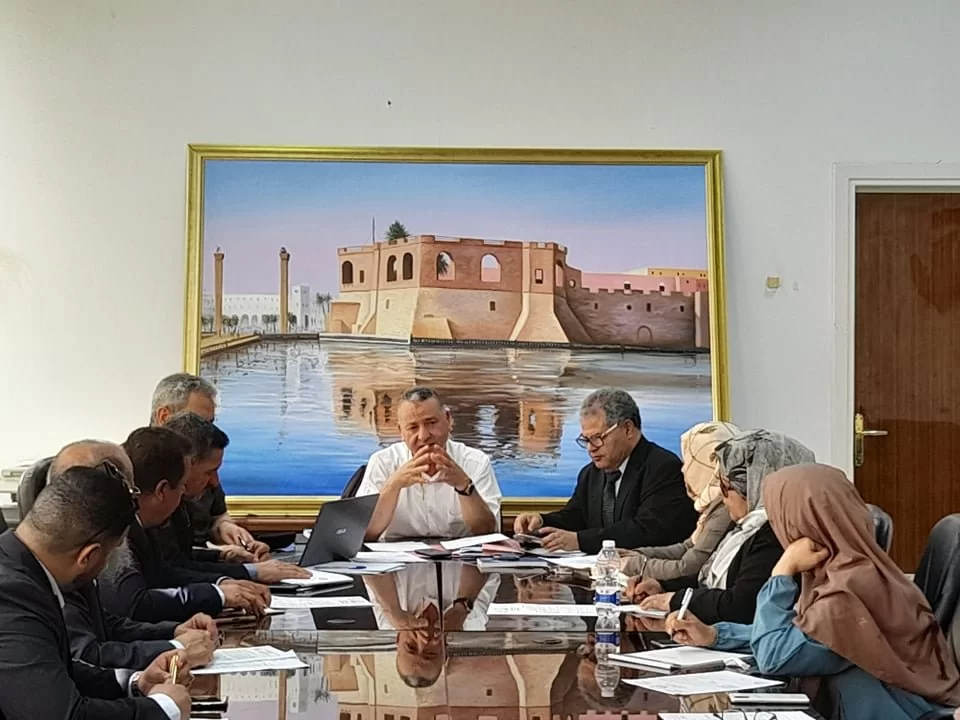
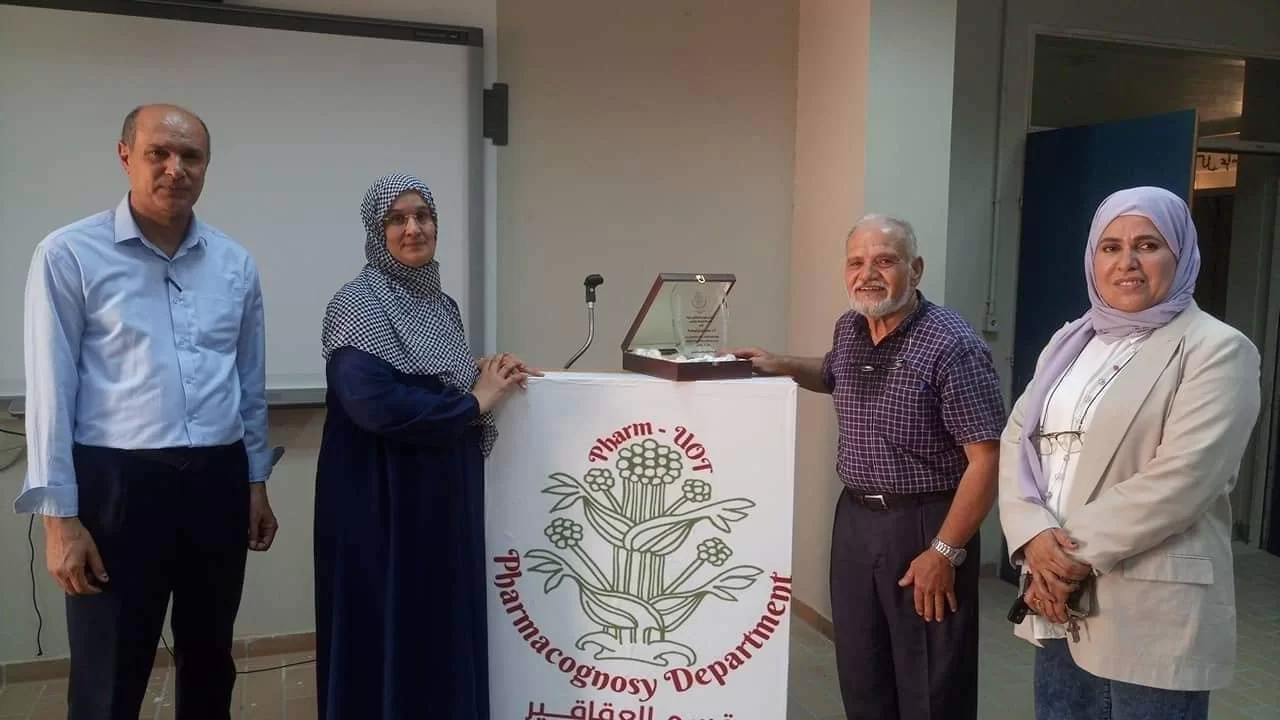
الالبومات الخاصة بفعاليات كلية العلوم