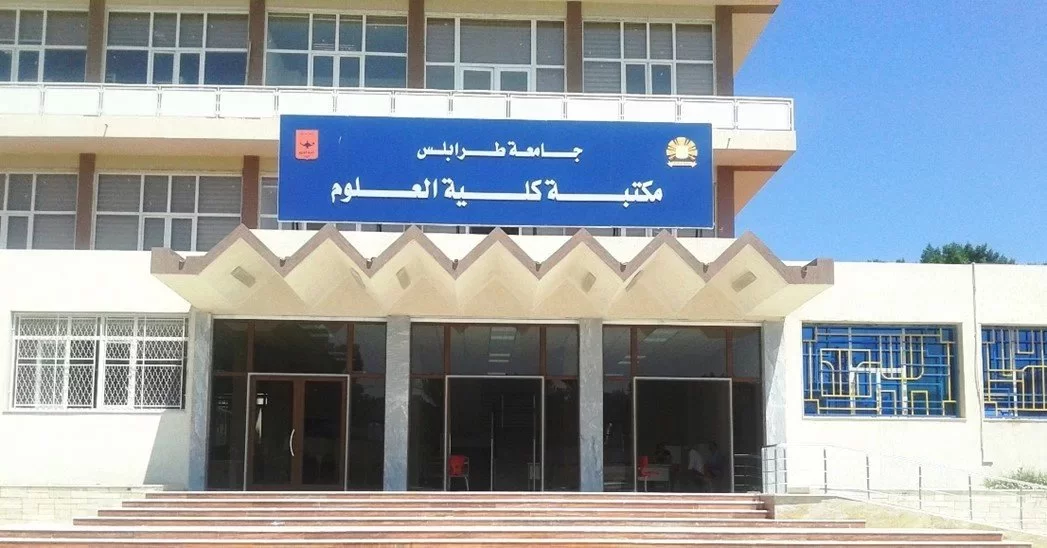
كلية العلوم

المزيد ...

حول كلية العلوم

كلية العلوم- جامعة طرابلس هي نواة كليات العلوم ليس فقط في هذه الجامعة العريقة بل في الدولة الليبية . تضم في الوقت الحالي عشرة اقسام علمية ويجري العمل على استحداث قسم جديد Archaeology يختص بدراسة بالجانب العلمي البحثي للتراث التاريخي للشعب الليبي، وهذه الأقسام العلمية هي قسم علم الحيوان وعلم الرياضيات، وعلم الفيزياء، وعلم الكيمياء، وعلم النبات وعلم الجيولوجيا ، وعلم الحاسب الآلي وعلم الإحصاء ، وعلم الغلاف الجوي  وعلم الجيوفيزياء. عمل خريجو هذه الكلية في مختلف القطاعات منها على سبيل المثال وليس الحصر:

  • مجال النفط تنقيبا واستخراجا وتكريراً.
  • مجمعات الصناعات الكيميائية في أبي كماش وراس الانوف وشركات اللدائن إنتاجاً وتصنيعاً، و في مصانع الصابون ومواد التنظيف وغيرها.
  •  مجال التعليم وما يتعلق به من مجالات بحثية في جميع المراحل والمستويات منها التعليم المتوسط والعالي.

 لقد قاد خريجو هذه الكلية المسيرة العلمية لسنوات طويلة ولازالوا يمثّلون اللبنة الأولى في جميع كليات العلوم، وبعض الكليات الأخرى في جميع الجامعات الليبية، التي تأسست في الخمسة عقود الماضية. شمل مجال عمل خريجوها كليات الطب (في مجال العلوم الأساسية ، والكيمياء الحيوية وعلم التشريح والأنسجة والإحياء الدقيقة) وكليات الزراعة في معظم أقسامها والهندسة في المرحلة العامة وقسمي الهندسة الكيميائية والجيولوجية تحديدا، والتقنية الطبية والصيدلة وكلية الاقتصاد والآداب، وذلك من خلال برامج الدراسة الجامعية التي عملت على توفير معيدين للجامعــــــــات الأخــــــــــرى بالدولــــــــة الليبية أو توفير أعضــاء هيئة التدريس من حملة

  • تعتبر كلية العلوم من أوائل الكليات الجامعية التي تبنّت برامج الدراسات العليا بالداخل رغم طبيعة الدراسات العليا في العلوم الأساسية والتي تحتاج إلى إمكانيات تتعدى الأستاذ الكفؤ والذي هو متوفر والحمد لله في هذه المؤسسة، وذلك لان عدد كبير من الأساتذة تخرجوا من جامعات في الغرب والشرق (أمريكا، بريطانيا، أستراليا، معظم الدول الأوروبية) هذه الجامعات مشهود لها بالمستوى الأكاديمي الرفيع.
  • عمل ويعمل خريجوها أيضا في مراكز البحوث الصناعية والنووية والنفط والأحياء البحرية والتقنيات الحيوية واللدائن وغيرها من المراكز البحثية المتخصصة، وذلك بعد حصولهم على الشهادة الجامعية الأولى أو بعد حصولهم على درجات التخصص العالية والدقيقة من الداخل و الخارج .
  • إثراء الحركة العلمية البحثية في مجالات العلوم الاساسية بالدولة الليبية من خلال اصدار مجلة العلوم الاساسية المحكمة.

حقائق حول كلية العلوم

نفتخر بما نقدمه للمجتمع والعالم

170

المنشورات العلمية

267

هيئة التدريس

1831

الطلبة

686

الخريجون

البرامج الدراسية

الإجازة التخصصية (بكالوريوس)
تخصص الفيزياء

يقدم قسم الفيزياء برنامج دراسي للحصول على درجة الإجازة الجامعية الأولى (البكالوريوس)...

التفاصيل

من يعمل بـكلية العلوم

يوجد بـكلية العلوم أكثر من 267 عضو هيئة تدريس

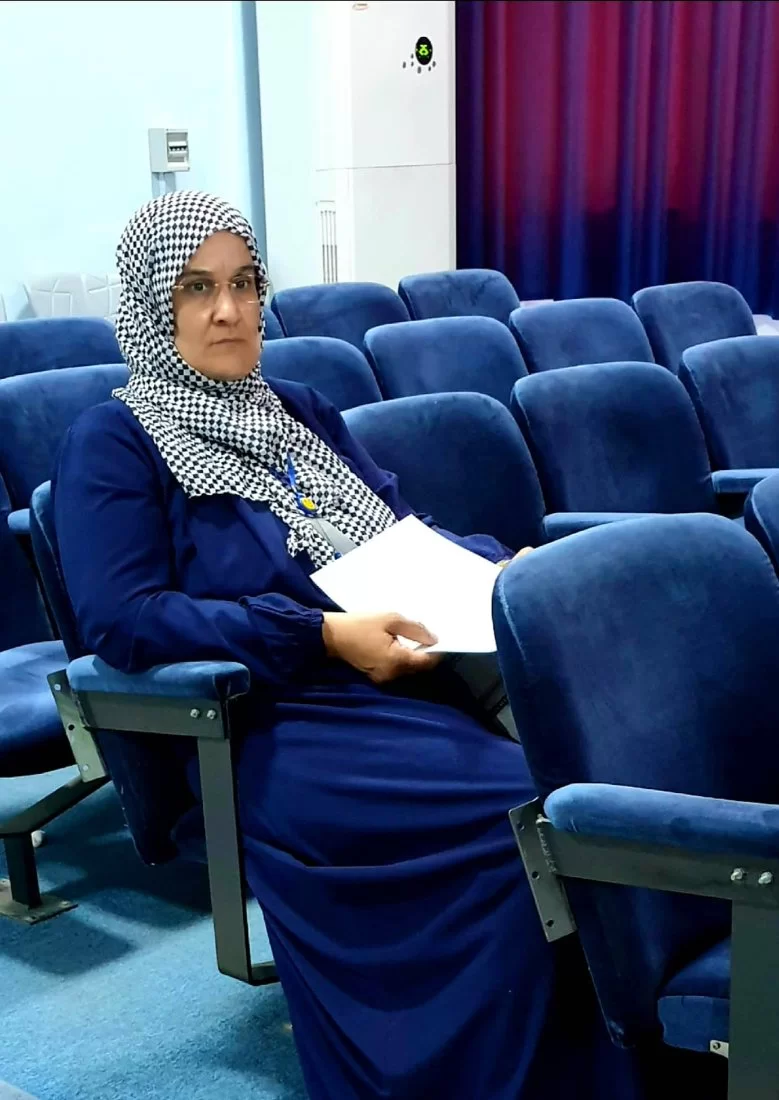
staff photo

أ. سمية عمر محمد التومي

بكالوريوس في علم الحيوان/كلية العلوم / جامعة طرابلس، درجة الماجستير في وراثة الإنسان/ جامعة كاستمونو/ تركيا

منشورات مختارة

بعض المنشورات التي تم نشرها في كلية العلوم

Petrography and Diagenesis of `as Sarir Formation` in Abu Attifel Oil Field, Sirt Basin, Libya

Abstract The Sirt Basin is one of the youngest sedimentary basins in Libya and covers an area of approximately 600.000 km² in north central Libya. It is located on the northern margin of the African plate, with approximate coordinates 14°00`- 20°00`E and 28°00`-31°00`N. The Late Jurassic-Early Cretaceous as Sarir Sandstone in the Sirt Basin evolved as a consequence of the interplay between global eustasy and regional tectonics. As Sarir Sandstone of the eastern Sirt Basin is composed mainly of sandstones and shales resting unconformably on a basement complex of igneous and metamorphic rocks. It is unconformably overlain by the Upper Cretaceous sediments of Maragh, Lidam and Etel formations. It has been subdivided into three members. The upper member consists mainly of sandstones with intercalations of siltstones and shales of variable thickness. The middle member consists of shale and silty shale. The basal part of the formation, which rests directly on the crystalline basement represents the lower member. It is comprised of sandstone with subordinate intercalations of siltstones and shale. Two main facies have been recognized on the basis of lithological features and types of stratifications: which consist mainly of shale and intercalation of silt and sand. The Middle Shale Member consists mainly of shallow lake deposits, containing black shale facies. Continental Fluvial Deposits represent most of the cored interval and it belongs to the Upper as Sarir Sandstone. These facies have been subdivided into braided and meandering lithofacies: The braided depositional system, has been recognized in three different intervals of the studied cores; classified as subfacies (1), subfacies (2) and subfacies (3). The meandering depositional system, represents three sub-environments including point bars, abandoned channels and over-bank deposits. The reservoir characteristics of these sediments are studied on the basis of porosity, permeability and reservoir zonation. The reservoir quality of As Sarir Formation is largely controlled by primary sedimentary features associations, which were shaped by the depositional environments. Meandering Lithofacies are formed from continuous sand successions and show good porosities, up to 18.51%, and permeabilities up to 125.5mD. The Braided Lithofacies also show good reservoir quality, but the effective porosity and permeability are lower, because of associated shales. The most important diagenetic features responsible for a reduction in reservoir quality are those resulting from compaction, cementation, and the diagenesis of clay minerals.
صلاح الدين محمد الوحيشي (2014)
Publisher's website

Comparison between the Neural Networks Forecasting With Arima Models

لهذه الدراسة هدفان مهمان وهما: أولاً: توضيح فكرة بناء الشبكات؛ العصبية المقترحة ثانياً: مقارنة هذه الطرق بالإدراك الجيد لنماذج السلاسل الزمنية (ARIMA) باستعمال المعيار MSE، وهو المعيار الأول لتدريب الشبكة العصبية والثاني لحساب آلية توقعات نماذج الشبكات العصبية. باستخدام بعض الأمثلة الخاصة اتضح أن الإجراءات حول نموذج الشبكات العصبية وجدت بأنها تقدم توقعات أفضل من نماذج السلاسل الزمنية، وأن نماذج الشبكات العصبية قد تستعمل في التنبؤ ببيانات السلاسل الزمنية بتعديل بعض الأوزان التى تعتبر معالم نماذج الشبكات العصبية والتى يمكن أن تقدر خلال عملية تدريب الشبكة، ودقة التوقعات مقدرة بالدالة المناسبة التى تستعمل في عملية تدريب الشبكة. إن مشكلة تنبؤ النماذج شائعة في التحليلات الإحصائية، وفى الغالب الطرق مستعملة للتعامل مع تنبؤ نموذج الانحدار والسلاسل الزمنية بالرغم من أن هذه الطرق قد لاتكون دقيقة في العينات الصغيرة و النتائج المتحصل عليها في هذا البحث حسبت بفصل مجموعة البيانات إلى مجموعتين جزئيتين أو أكثر، استعملنا الجزء الأول لملائمة النموذج والجزء الأخير لبناء التوقع باستخدام المعيار MSE كأداة للمقارنة بين النماذج, وكلما كانت قيمة هذا المعيار صغيرة كان النموذج أفضل. Abstract This study has two objectives. First, presenting artificial neural networks (ANN) second, comparing the proposed method with the well known ARIMA model, the accuracy of the neural network forecasts is compared with the corresponding ARIMA models by using the mean square error (MSE). By using the proposed (MSE) measures the artificial neural networks (ANN) were found deliver a better forecasts than the ARIMA model. A class of artificial neural networks (ANN) may be used in forecasting time series data. It may be used to approximate unknown expectation function of future observation given past values , thus the weights of these ANN can be viewed as parameters, which can be estimated through the network training. Then the model is used for forecasting. The accuracy of the forecasts is evaluated by suitable function. The problem of forecasting model is common in statistical analysis. One of the mostly used approach to deal with forecasting model is regression and time series. Although, approaches may not accurate in small sample. In an effort to forecast daily flow waters to the three important dams such as Ejdabia, Sirt, Benghazi, we will training to a take new tool if forecasting model which known as neural network model. This tool deal with testing data after made as partition of the original series into two sets first is called training set, were used to fit the model, while the second is called testing sets, were used to make forecasting. In this work the MSE is well known as tool for comparing between the models, further more when the MSE is less, the value of this model is a better than other models.
ساميه محمد ميره (2010)
Publisher's website

Improving Wear Resistance of Al and AI- 4 % Si Substrates by Laser -Assisted Surface Impregnation with Sic and Ti

Abstract Laser surface treatment of materials is one of the most effective methods of improving properties and performance of metallic articles. This technique proved its capabilities and advantages in comparison with other methods of surface treatment As an example, it has been shown that the distortion caused by this type of treament is at least one order of magnitude smaller than by that due to other techniques. Moreeover, laser beam is capable of reaching practically any point of the surface whatever it is narrow or difficult to reach by other techniques. The current work investigates the possibility of improving certain mechanical properties of both technically pure aluminum and A1-4o/oSi alloy, using ruby laser of 3 xl 05 W/cm2 power density. The surface of the investigated materials has been impregnated by SiC particles of varying size ranges, with or without firrther alloying of the surface with Titanium powder addition to the impregnated mixture. The laser treatment included coating one surface of each specimen of SiC particles by means of a binder added at a certain ratio (with or without Ti additions to the mixture). The coated surface was then subjected to the laser beam, which melted a layer I OO-150Jilll thick. Due to hydrodynamic effects the melt mixes with SiC particles and dissolves some or all of the added Ti and rapidly solidifies forming a thin layer distinct in properties from the original surface. Two groups of specimens were used in this study. The first group was treated by impregnating SiC particles of one size range with or without Ti-additions. Various numbers of laser pulses have been applied increasmg in a geometrical progression (1-2-4-8 pulses). These specimens were used for the study of the effect of varying: 1) the chemical composition of the substrate materials ;2) the number of laser pulses :and 3) the effect of Ti additions to the impregnating mixture on the microstracture and microhardness of the treated zones. The specimens of the 2nd group were coated by a square network of laser treated zones each 1.5mm in diameter. These specimens have been used to study :1) the effect of the chemical composition of the substrate material ;2) the size of the SiC particles and 3) the effect of Ti addition to the mixture on the wear perfomance of the treated specimens. Identical specimens have been used to determine the solubility of Si into the aluminum phase during the test by means of x-ray diffraction. This dissolved Si is partly responsible for the increase ID microhardness and wear resistance of the investigated specimens. The results show the positive effect of the applied treatment on the properties and preformence of technically pure AI and A-4%Si alloy. The materials microhardness within the treated zones has been increased by a factor of 2.7 and 2.4 for pure Al and Al-4%Si substrates, respectively. The microstructure of the treated zones became more homogeneous and the penetration of SiC particles into them has been increased with increasing the number of the applied laser pulses. The wear resistance of pure Al has been increased by a factor of 73.6 due to laser assisted impregnation, while that of AI-4%Si by afactor of 42.5. Wear resistance was found to increase with I) Si addition to the base metal; 2) Ti addition to the impregnated mixture, and 3) increasing the SiC particle size. This thesis is a part of a wider study that deals with surface treatment of Al and AI-Si alloys undertaken in our laboratry. Such study proved how effective the laser alloying and impregnation of such alloys in improving some of their mechanical properties which are important in industrial application, especially in internal combustion engine design.
أسماء عبد الرزاق وهرة (2002)
Publisher's website

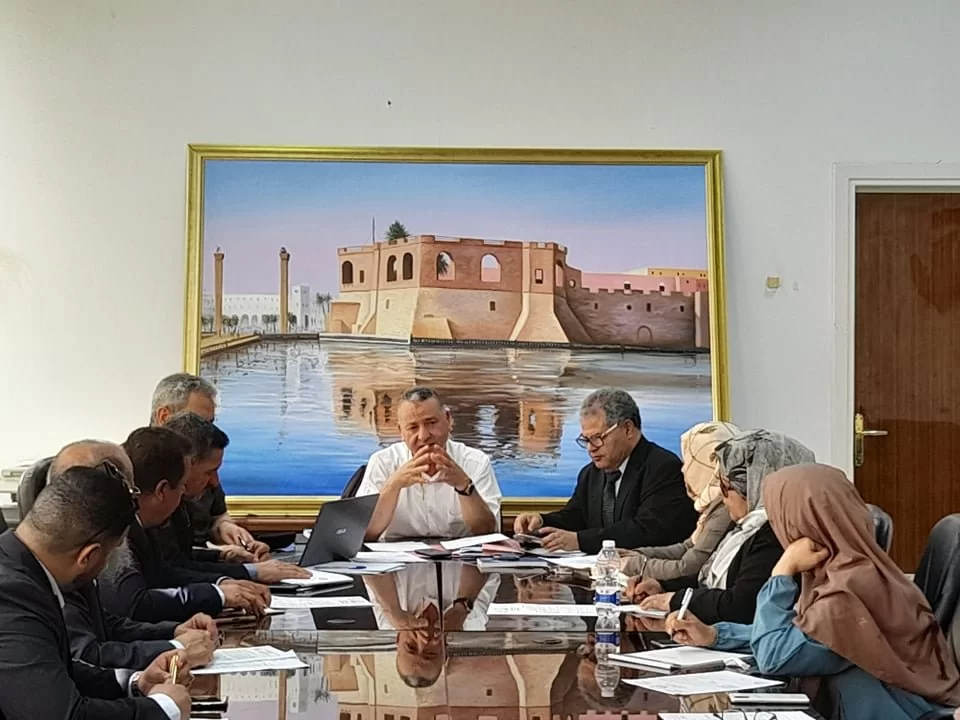
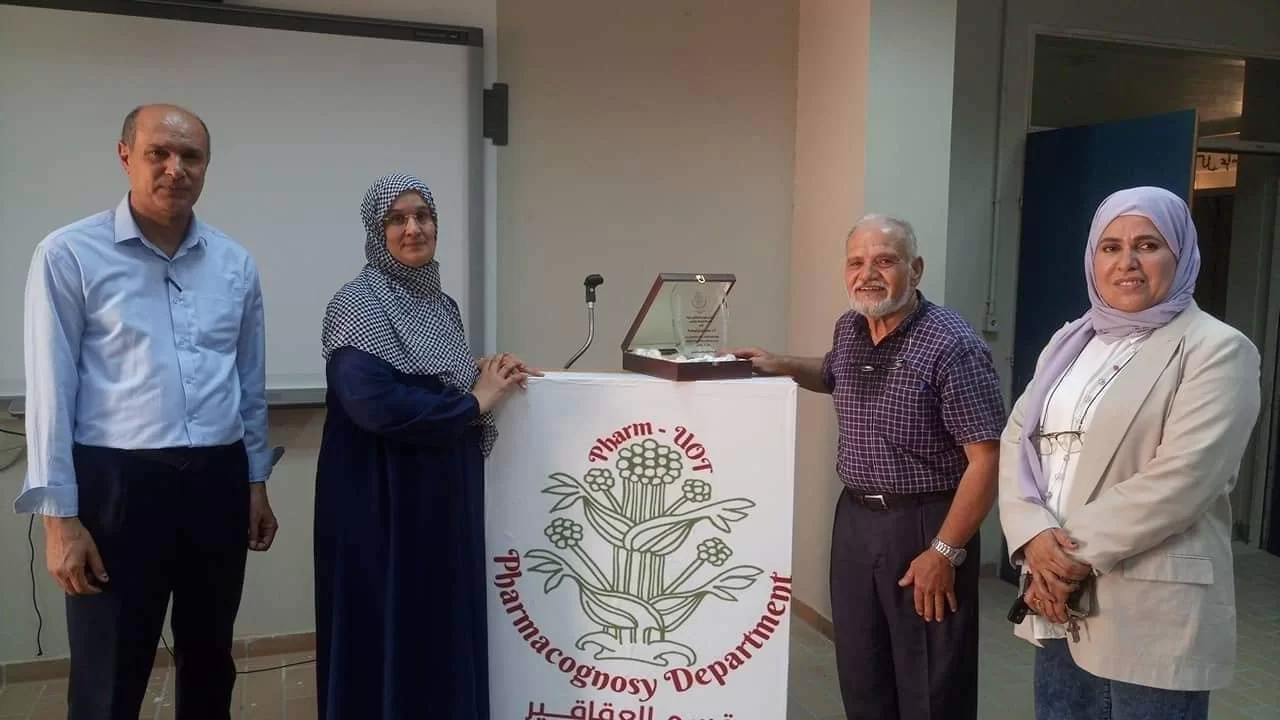
كلية العلوم في صور

الالبومات الخاصة بفعاليات كلية العلوم