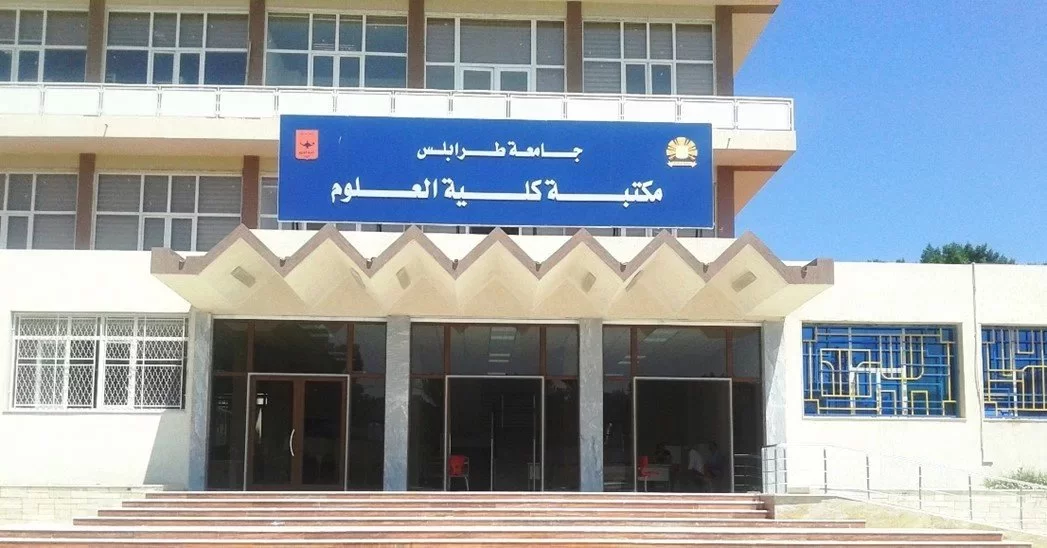
كلية العلوم

المزيد ...

حول كلية العلوم

كلية العلوم- جامعة طرابلس هي نواة كليات العلوم ليس فقط في هذه الجامعة العريقة بل في الدولة الليبية . تضم في الوقت الحالي عشرة اقسام علمية ويجري العمل على استحداث قسم جديد Archaeology يختص بدراسة بالجانب العلمي البحثي للتراث التاريخي للشعب الليبي، وهذه الأقسام العلمية هي قسم علم الحيوان وعلم الرياضيات، وعلم الفيزياء، وعلم الكيمياء، وعلم النبات وعلم الجيولوجيا ، وعلم الحاسب الآلي وعلم الإحصاء ، وعلم الغلاف الجوي  وعلم الجيوفيزياء. عمل خريجو هذه الكلية في مختلف القطاعات منها على سبيل المثال وليس الحصر:

  • مجال النفط تنقيبا واستخراجا وتكريراً.
  • مجمعات الصناعات الكيميائية في أبي كماش وراس الانوف وشركات اللدائن إنتاجاً وتصنيعاً، و في مصانع الصابون ومواد التنظيف وغيرها.
  •  مجال التعليم وما يتعلق به من مجالات بحثية في جميع المراحل والمستويات منها التعليم المتوسط والعالي.

 لقد قاد خريجو هذه الكلية المسيرة العلمية لسنوات طويلة ولازالوا يمثّلون اللبنة الأولى في جميع كليات العلوم، وبعض الكليات الأخرى في جميع الجامعات الليبية، التي تأسست في الخمسة عقود الماضية. شمل مجال عمل خريجوها كليات الطب (في مجال العلوم الأساسية ، والكيمياء الحيوية وعلم التشريح والأنسجة والإحياء الدقيقة) وكليات الزراعة في معظم أقسامها والهندسة في المرحلة العامة وقسمي الهندسة الكيميائية والجيولوجية تحديدا، والتقنية الطبية والصيدلة وكلية الاقتصاد والآداب، وذلك من خلال برامج الدراسة الجامعية التي عملت على توفير معيدين للجامعــــــــات الأخــــــــــرى بالدولــــــــة الليبية أو توفير أعضــاء هيئة التدريس من حملة

  • تعتبر كلية العلوم من أوائل الكليات الجامعية التي تبنّت برامج الدراسات العليا بالداخل رغم طبيعة الدراسات العليا في العلوم الأساسية والتي تحتاج إلى إمكانيات تتعدى الأستاذ الكفؤ والذي هو متوفر والحمد لله في هذه المؤسسة، وذلك لان عدد كبير من الأساتذة تخرجوا من جامعات في الغرب والشرق (أمريكا، بريطانيا، أستراليا، معظم الدول الأوروبية) هذه الجامعات مشهود لها بالمستوى الأكاديمي الرفيع.
  • عمل ويعمل خريجوها أيضا في مراكز البحوث الصناعية والنووية والنفط والأحياء البحرية والتقنيات الحيوية واللدائن وغيرها من المراكز البحثية المتخصصة، وذلك بعد حصولهم على الشهادة الجامعية الأولى أو بعد حصولهم على درجات التخصص العالية والدقيقة من الداخل و الخارج .
  • إثراء الحركة العلمية البحثية في مجالات العلوم الاساسية بالدولة الليبية من خلال اصدار مجلة العلوم الاساسية المحكمة.

حقائق حول كلية العلوم

نفتخر بما نقدمه للمجتمع والعالم

170

المنشورات العلمية

267

هيئة التدريس

1831

الطلبة

686

الخريجون

البرامج الدراسية

الإجازة التخصصية بكالوريوس - علم الحيوان
تخصص علم الحيوان (شعبة علوم البيئة)

يدرس طالب قسم علم الحيوان مقررات عامة على مستوى الجامعة، علاوة على مقررات على مستوى...

التفاصيل

من يعمل بـكلية العلوم

يوجد بـكلية العلوم أكثر من 267 عضو هيئة تدريس

staff photo

أ. امل عبدالله علي الطربان

امل الطربان هي احد اعضاء هيئة التدريس بقسم الرياضيات بكلية العلوم. تعمل السيدة امل الطربان بجامعة طرابلس كـمحاضر مساعد منذ 2016-02-08 ولها العديد من المنشورات العلمية في مجال تخصصها

منشورات مختارة

بعض المنشورات التي تم نشرها في كلية العلوم

Improving Wear Resistance of Al and AI- 4 % Si Substrates by Laser -Assisted Surface Impregnation with Sic and Ti

Abstract Laser surface treatment of materials is one of the most effective methods of improving properties and performance of metallic articles. This technique proved its capabilities and advantages in comparison with other methods of surface treatment As an example, it has been shown that the distortion caused by this type of treament is at least one order of magnitude smaller than by that due to other techniques. Moreeover, laser beam is capable of reaching practically any point of the surface whatever it is narrow or difficult to reach by other techniques. The current work investigates the possibility of improving certain mechanical properties of both technically pure aluminum and A1-4o/oSi alloy, using ruby laser of 3 xl 05 W/cm2 power density. The surface of the investigated materials has been impregnated by SiC particles of varying size ranges, with or without firrther alloying of the surface with Titanium powder addition to the impregnated mixture. The laser treatment included coating one surface of each specimen of SiC particles by means of a binder added at a certain ratio (with or without Ti additions to the mixture). The coated surface was then subjected to the laser beam, which melted a layer I OO-150Jilll thick. Due to hydrodynamic effects the melt mixes with SiC particles and dissolves some or all of the added Ti and rapidly solidifies forming a thin layer distinct in properties from the original surface. Two groups of specimens were used in this study. The first group was treated by impregnating SiC particles of one size range with or without Ti-additions. Various numbers of laser pulses have been applied increasmg in a geometrical progression (1-2-4-8 pulses). These specimens were used for the study of the effect of varying: 1) the chemical composition of the substrate materials ;2) the number of laser pulses :and 3) the effect of Ti additions to the impregnating mixture on the microstracture and microhardness of the treated zones. The specimens of the 2nd group were coated by a square network of laser treated zones each 1.5mm in diameter. These specimens have been used to study :1) the effect of the chemical composition of the substrate material ;2) the size of the SiC particles and 3) the effect of Ti addition to the mixture on the wear perfomance of the treated specimens. Identical specimens have been used to determine the solubility of Si into the aluminum phase during the test by means of x-ray diffraction. This dissolved Si is partly responsible for the increase ID microhardness and wear resistance of the investigated specimens. The results show the positive effect of the applied treatment on the properties and preformence of technically pure AI and A-4%Si alloy. The materials microhardness within the treated zones has been increased by a factor of 2.7 and 2.4 for pure Al and Al-4%Si substrates, respectively. The microstructure of the treated zones became more homogeneous and the penetration of SiC particles into them has been increased with increasing the number of the applied laser pulses. The wear resistance of pure Al has been increased by a factor of 73.6 due to laser assisted impregnation, while that of AI-4%Si by afactor of 42.5. Wear resistance was found to increase with I) Si addition to the base metal; 2) Ti addition to the impregnated mixture, and 3) increasing the SiC particle size. This thesis is a part of a wider study that deals with surface treatment of Al and AI-Si alloys undertaken in our laboratry. Such study proved how effective the laser alloying and impregnation of such alloys in improving some of their mechanical properties which are important in industrial application, especially in internal combustion engine design.
أسماء عبد الرزاق وهرة (2002)
Publisher's website

The Completeness, Consistency and Independent of Rosser Axiomatic System

هدف هذه الرسالة هو دراسة النسق المنطقي ل Rosserمن خلال إثبات جميع مبرهنات النسق المنطقي RA. ثم اثباث ان كل مبرهنة في RA صحيحة (Valid) -(ٍSoundness) وكذلك اثباث خاصية الاكتمال (Completeness) من خلال انه إذا كانت Aϵ RA(Tautology) فان A مبرهنة في RA(. (i.e ├R A ⊃ ╞R Aوأخيرا ثم اثباث استقلالية النسق (Independency) وذلك من خلال استقلال كل مسلمة على حده. Abstract The aim of this thesis is to show the Soundness, Completeness and Independency of Rosser Axiomatic System RA. by proving the following: - Every theorem of RA is a tautology (i.e ├RA ⊃╞R A) (The soundness) - If A is a Wff. of RA and A is a tautology , then├R A(The Completeness) -The Independency of AxR1 , AxR2 and AxR3.
مبروكة على الطوير (2010)
Publisher's website

Variations in Fluid Saturation in the Paleocene Farrud Formation an Oil Producing Reservoir Inthe Ghani/Zenad Field. Sirt Basin. Application of Well Logs

يتناول هذا البحث (التغيرات في تشبع السوائل بتكوين الفرود باليوسين مكمن إنتاج النفط في حقل الغاني/زناد. حوض سرت .تطبيقات سجلات الآبار)، حيث تعتبر سرود الآبار من التقنيات المهمة في تحديد نوعية الصخور وخواصها وخصائصها من ناحية المسامية والنفاذية وما تحتويه هذه الصخور من تراكمات نفطية ,كما تلعب سرود الآبار دورا مهما في تطوير التكوينات الحاملة للنفط وذلك بزيادة قدرتها الإنتاجية.يهدف هذا البحث لاستعمال تقنية سرود الآبار لمعرفة التغيرات في تشبع السوائل بتكوين الفرود باليوسين في حوض سرت. الفصل الأول:- يتناول هذا الفصل تحديد موقع منطقة الدراسة (موقع الآبار)، وميزات الخزان والهدف الأساسي من الدراسة والطرق المستخدمة في البحث والمعلومات الأساسية التي تساعد في الحصول على النتائج المطلوبة.الفصل الثاني:- يتناول مقدمة على التوضع الجيولوجي لحوض سرت وذلك من خلال معرفة التاريخ الجيولوجي والتراكيب الجيولوجية وبيئات الترسيب والحركات التكتونية التي أثرت على حوض سرت، وأيضا الصخور المصدرية و الخازنة للنفط والتي ترسبت أثناء حقب الباليوسين. الفصل الثالث:- يتناول حساب الخواص البتروفيزيائية باستخدام سرود الآبار لتكوين الفرود حيث من خلال هذه الخواص يمكن معرفة العديد من المؤشرات البتروفيزيائية والتي تعطى مؤشرا واضحا لما هو موجود تحت السطح ومثال على ذلك مقاومة مياه التكوين وأيضا ملوحة المياه... الخ، أيضا حساب التشبع المائي والذي من خلاله يمكن حساب التشبع النفطي. كما يتناول بالتفصيل مبادئ وأساسيات وتطبيقات سرود الآبار ومثال على كل سرد من منطقة الدراسة والمتمثلة في سرد جاما وسرود المسامية والنفاذية وأيضا سرود المقاومة ....الخ، أيضا يتناول المعادلات المستخدمة لكل سرد.الفصل الرابع:- يتناول العمليات التحولية للفرود والتي تؤثر في بعض الخواص البتروفيزيائية كالمسامية مثلا. ويتناول العلاقات المتبادلة بين الخواص البتروفيزيائية لسرود الآبار والتي من خلالها يمكن تحديد نوعية الصخور لهذا التكوين في منطقة الدراسة والذي هو عبارة عن حجر جيري وكذلك تحديد بيئة الترسيب .الفصل الخامس:- يتناول تقييم الخواص البتروفيزيائية وتفسيراتها وكذلك تفسير النتائج التي حصلنا عليها من الحسابات السابقة. الفصل السادس:- يتناول أهم الاستنتاجات من هذه الدراسة وأيضا التوصيات والتي يمكن أن تكون مواضيع لدراسات مستقبلية تعطى لتقنية سرود الآبار أفاق جديدة تزيد من أهمية هذه التقنية. Abstract The Ghani Field is located in the southwestern part of Harouge's Concession 11 in the western Sirt Basin. The Farrud reservoir is a structural high, covering 7200 acres, between the Mamir trough and the Ramla syncline. The most striking features of Ghani Farrud reservoir are the NW-SE trending faults and sudden increase in pay in the centre of the Field.The primary productive horizon in the Ghani Field is the Farrud formation of Lower Paleocene age, and is subdivided into two reservoirs, Upper and Lower Farrud. The main producing formation is the Upper Farrud, which contains approximately 95% of the reserves. Besides Upper Farrud and Lower Farrud, additional pay is present in the Lower Mabruk sequence. Lower Farrud reservoir development is confined mostly to the northern part of the field whereas Mabruk pay is present only in southwestern part of the field. The Ghana Farrud/Mabruk is estimated to contain approximately 610 MMSTB of oil in place (OOIP).The Ghani Farrud reservoir was discovered under saturated at the initial pressure of 2357 psia, and the solution GOR of 660 SCF/STB. Reservoir fluid bubble point pressure was determined to be 2115 psia. Solution gas drive is considered to be the predominant mechanism for primary depletion, although some water influx is anticipated.The reservoir has been undergoing development since discovery. To date, a total of six wells have been completed in this study. Depletion of the reservoir below the bubble point pressure had created a secondary gas cap near structural highs. Full field development was commenced in this interpretation by using the Petrolog software to complete log analysis, create cross plots to find out the values of water and to determine exact lithology. The reservoir rock is dolomite with a high porosity (20-30%), permeability is about (5 – 20 md) This thesis will present a successful field development and production acceleration project of Ghani Farrud reservoirs operated by Harroug Oil Operations on Concession 11. Six wells have been completed analyzing to find out the variation of the Farrud saturation in the Paleocene Formation and the oil producing reservoir in the study area.From this study, it is recommended to do perforating and petrographically studying over the entire field in the entire field in order to know the distribution of the Pyrites and clay minerals in the formation.
نجوي عبد المجيد سليم بحرون (2010)
Publisher's website

كلية العلوم في صور

الالبومات الخاصة بفعاليات كلية العلوم