كلية العلوم

المزيد ...

حول كلية العلوم

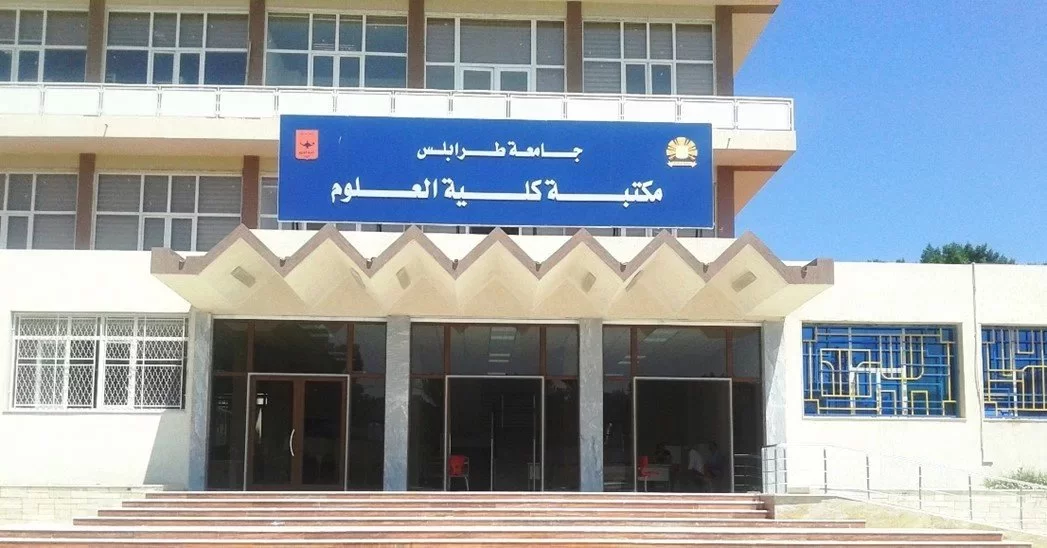
كلية العلوم- جامعة طرابلس هي نواة كليات العلوم ليس فقط في هذه الجامعة العريقة بل في الدولة الليبية . تضم في الوقت الحالي عشرة اقسام علمية ويجري العمل على استحداث قسم جديد Archaeology يختص بدراسة بالجانب العلمي البحثي للتراث التاريخي للشعب الليبي، وهذه الأقسام العلمية هي قسم علم الحيوان وعلم الرياضيات، وعلم الفيزياء، وعلم الكيمياء، وعلم النبات وعلم الجيولوجيا ، وعلم الحاسب الآلي وعلم الإحصاء ، وعلم الغلاف الجوي  وعلم الجيوفيزياء. عمل خريجو هذه الكلية في مختلف القطاعات منها على سبيل المثال وليس الحصر:

  • مجال النفط تنقيبا واستخراجا وتكريراً.
  • مجمعات الصناعات الكيميائية في أبي كماش وراس الانوف وشركات اللدائن إنتاجاً وتصنيعاً، و في مصانع الصابون ومواد التنظيف وغيرها.
  •  مجال التعليم وما يتعلق به من مجالات بحثية في جميع المراحل والمستويات منها التعليم المتوسط والعالي.

 لقد قاد خريجو هذه الكلية المسيرة العلمية لسنوات طويلة ولازالوا يمثّلون اللبنة الأولى في جميع كليات العلوم، وبعض الكليات الأخرى في جميع الجامعات الليبية، التي تأسست في الخمسة عقود الماضية. شمل مجال عمل خريجوها كليات الطب (في مجال العلوم الأساسية ، والكيمياء الحيوية وعلم التشريح والأنسجة والإحياء الدقيقة) وكليات الزراعة في معظم أقسامها والهندسة في المرحلة العامة وقسمي الهندسة الكيميائية والجيولوجية تحديدا، والتقنية الطبية والصيدلة وكلية الاقتصاد والآداب، وذلك من خلال برامج الدراسة الجامعية التي عملت على توفير معيدين للجامعــــــــات الأخــــــــــرى بالدولــــــــة الليبية أو توفير أعضــاء هيئة التدريس من حملة

  • تعتبر كلية العلوم من أوائل الكليات الجامعية التي تبنّت برامج الدراسات العليا بالداخل رغم طبيعة الدراسات العليا في العلوم الأساسية والتي تحتاج إلى إمكانيات تتعدى الأستاذ الكفؤ والذي هو متوفر والحمد لله في هذه المؤسسة، وذلك لان عدد كبير من الأساتذة تخرجوا من جامعات في الغرب والشرق (أمريكا، بريطانيا، أستراليا، معظم الدول الأوروبية) هذه الجامعات مشهود لها بالمستوى الأكاديمي الرفيع.
  • عمل ويعمل خريجوها أيضا في مراكز البحوث الصناعية والنووية والنفط والأحياء البحرية والتقنيات الحيوية واللدائن وغيرها من المراكز البحثية المتخصصة، وذلك بعد حصولهم على الشهادة الجامعية الأولى أو بعد حصولهم على درجات التخصص العالية والدقيقة من الداخل و الخارج .
  • إثراء الحركة العلمية البحثية في مجالات العلوم الاساسية بالدولة الليبية من خلال اصدار مجلة العلوم الاساسية المحكمة.

حقائق حول كلية العلوم

نفتخر بما نقدمه للمجتمع والعالم

170

المنشورات العلمية

267

هيئة التدريس

1831

الطلبة

686

الخريجون

البرامج الدراسية

الإجازة التخصصية (بكالوريوس)
تخصص الاحصاء

يشتمل برنامج الدراسة بالقسم على خمسة وعشرون مقرراً في الإحصاء (25) ممثلة بأربعة وثمانون...

التفاصيل
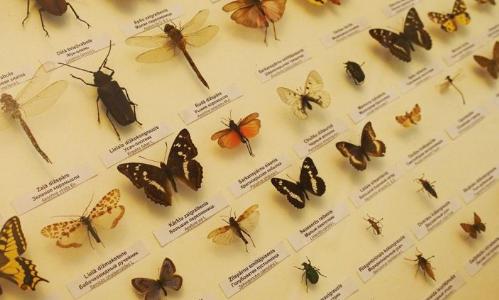
الإجازة التخصصية بكالوريوس - علم الحيوان
تخصص شعبة علم الاحياء الجنائي

...

التفاصيل

من يعمل بـكلية العلوم

يوجد بـكلية العلوم أكثر من 267 عضو هيئة تدريس

staff photo

أ.د. محمد عبد العزيز منصور مصباح

محمد عبد العزيز منصور هو احد اعضاء هيئة التدريس بقسم الفيزياء بكلية العلوم. يعمل السيد محمد عبد العزيز منصور بجامعة طرابلس كـأستاذ منذ 2008-11-15 وله العديد من المنشورات العلمية في مجال تخصصه

منشورات مختارة

بعض المنشورات التي تم نشرها في كلية العلوم

Modeling effects of outlet nozzle geometry on swirling flows in gas turbine

Swirl stabilised combustion is one of the most successful technologies for flame stabilisation in gas turbine combustors. Lean premixed combustion systems allow the reduction of NOx coupled with fair flame stability. The swirl mechanism produces an aerodynamic region known as central recirculation zone (CRZ) providing a low velocity region where the flame speed matches the flow velocity, thus anchoring the flame whilst serving to recycle heat and active chemical species to the root of the former. Another beneficial feature of the CRZ is the enhancement of the mixing in and around this region. However, the mixing and stabilisation processes inside of this zone have shown to be extremely complex. The level of swirl, burner outlet configuration and combustor expansion are very important variables that define the features of the CRZ. The complex fluid dynamics and lean conditions pose a problem for stabilization of the flame. The problem is even more acute when alternative fuels are used for flexible operation. Therefore, in this paper swirling flame dynamics are investigated using computational fluid dynamics (CFD) with commercial software (ANSYS). A new generic swirl burner operated under lean-premixed conditions was modelled. A variety of nozzles were analysed using isothermal case to recognize the the behavers of swirl . The investigation was based on recognising the size and strength of the central recirculation zones. The dimensions and turbulence of the Central Recirculation Zone were measured and correlated to previous experiments. The results show how the strength and size of the recirculation zone are highly influenced by both the shear layer surrounding the Central Recirculation Zones (CRZ) and outlet configurations. arabic 11 English 64
Adel Diyaf, Hesham Baej, Adel Akair, Salem Adeilla, Abdurahman Kraiem(9-2018)
Publisher's website

مآثر الرياضيات العربية والإسلامية على تطور الرياضيات في أوروبا

إن هذا البحث ما هو إلا محاولة إنصاف لواقع تاريخي حضاري يمس حياة الأمة العربية والإسلامية قبل أن يكون دفاعاً عنها، هذه الأمة التي طالما تعسفت عليها بعض المصادر الغربية في طمس الحقائق العلمية وخاصة في مجال تطور الرياضيات وتسجيل العديد من الاكتشافات الرياضية لصالح الغرب دون تقديم دلائل الإثبات، وشجعته أيد آثمة مستخدمة التزييف والتضليل وإضعاف لثقة بالذات في التراث العلمي العربي الإسلامي. الهدف من البحث: -يرمي هذا البحث إلى تحقيق الأهداف الآتية: -*التعرف على التراث العلمي العربي وأهمية تاريخ الرياضيات. *توثيق العلاقة بين تاريخ الرياضيات والمحتوى العلمي الرياضي. *تعريف العرب والمسلمين بواجباتهم نحو تراثهم العلمي. *دراسة التطور التاريخي في علوم الحساب والجبر والهندسة وحساب المثلثات. *دراسة أعمال بعض نوابغ علماء العرب والمسلمين في علوم الرياضيات. *إبراز الإسنادات الخاطئة لغير علماء العرب والمسلمين. منهجية البحث: -سيتم إتباع المنهج الوصفي التحليلي لتسجيل أهم الاكتشافات الرياضية وتطورها من الناحية العلمية التاريخية وإعطاء المزيد من التوضيح وربط العلاقات العلمية بعضها ببعض وصولاً إلى المعلومة الرياضية النهائية وإبراز الفكر العربي الإسلامي في الاكتشافات المختلفة للرياضيات.
هدي الصادق رحومة عبد الله (2007)
Publisher's website

Sedimentological Aspects of the Sarir Sandstone in Messla Oil Field, Southeastern Sirt Basin, Libya

Abstract The Sarir Sandstone in Messla Oil Field are of Lower Cretaceous ageAptian Alpian and occur in the subsurface of the eastern part of the Messla high in the southeast Sirt Basin. The Sarir Sandstone interpret as fluvial and alluvial fan deposits whereas the Lower Sarir Sandstone were deposited in a braided system as inter-channel bars. The Upper Sarir Sandstone were deposited in the meandering belt of the fluvial system. The Sarir Sandstone is on-lapping Formation and wedge out against Rakb Group. The Sarir Sandstone is unconformable overlies the Pre-Cambrian Basement and unconformable overlain by the Upper-Cretaceous Rakb Group where it is pinching (wedging) out against the Bald Basement; Messla High)). Lithostratigraphic correlations of borehole logs ((well logs)) in concession 65 suggests that deposits gradually downed a fault controlled topographic surface increased in thickness on the down-thrown side of a fault controlled the topographic surface of Pre-Upper Cretaceous Unconformity. IV M. Sc. Hassin Haweel “Sedimentological Aspects of the Sarir Sandstone in Messla Oil Field”, 2015 Core Samples record mainly sandstone units interbedded with sandstone and shale and minor streaks and the Red Shale Unit. Estimation of depositional environment has thus been made from grain size analyses using thin sections. Petrographic studies show that the Sarir Sandstone in composition from (subarkose to arkosic arenite). The Sandstones range from texturally immature to submature, however, much of the clay content is diagenetic in origin and not a function of the depositional regime. Diagenetic studies reveal a gnite complex paragenesis. During early diagenesis, the Sarir Sandstones were modified by Calcite, dolomite, and locally pyrite, diagenesis process; replacements of corroded silica by carbonates. Cementation fluvial sandstones Intrastratal dissolution and precipitation of kaolinite in the resulting pore space. Deformation of micas between more resistant grainy pre-dates one phase of quartz overgrowth, probably the carbonates.The purpose of this study was to investigate in detail the characteristics of the Sarir Sandstone in Messla Oil Field. Another aim was to find out the relation to the adjacent area. The method of this study was conducted with the review of the previousworks in Messla Oil Field; published papers, the open file of the Arabian Gulf Oil Company (AGOCO), well files for the data to be used in constructing maps, cross sections and profiles. Four cored wells (418 feet) V M. Sc. Hassin Haweel “Sedimentological Aspects of the Sarir Sandstone in Messla Oil Field”, 2015 were used for the core descriptions and cut samples that represent the Sarir Sandstone and (130) thin sections were used for the Petrographic analysis with polarized and scanning electron microscopes (SEM). On the other hand, XRD and XRF were not available. The results of the study were: Subsurface investigations including cores (conventional and side walls), petrographic analysis, and wire-line logs suggested that this formation (Sarir Sandstone) can be divided in to three main units in Messla Oil Field; these units are: The Lower Sarir Sandstone, the Red Shale, and the Upper Sarir Sandstone. In the adjacent area Sarir Formation was divided in to five members; Pre-Upper Cretaceous Member-1 unconformably overlying Pre-Cambrian Basement, and upwards; Member 2, Member 3, Member 4, and Member 5 unconformably overlain by Rakb Group. The Lower Sarir Sandstone in Messla Oil Field is characterized by the presence of gravely sandstone, gradually changes in to the Red Shale. Also, from the core descriptions plotted sheets, and the well logs it is finning upwards. The quarzitic sandstones of (the Lower and the Upper Sarir Sandstones) are considered to be the main producing horizons where quartz grains have undergone a complex diagenetic history, including: Authigenesis, quartz and feldspar overgrowths, dissolution, carbonates cementation, and replacement. The principal conclusion was that: the gravelly sandstone unit at the Lower part of the Lower Sarir Sandstone was deposited, most likely in a braided system as inter-channel bars. The sandstone unit of the Upper Sarir VI M. Sc. Hassin Haweel “Sedimentological Aspects of the Sarir Sandstone in Messla Oil Field”, 2015 Sandstone was deposited in the meandering belt of the fluvial system. The shale facies of the Red Shale unit represents a well-developed break between the Lower Sarir Sandstone and Upper Sarir Sandstone units; it also provides a good seal for the underlying sandstone of the Lower Sarir Sandstone. The nature of the shale facies, (i.e. lack of organic content, and presence of oxidizing conditions indicated by iron oxides color, indicate that they are not a significant source of hydrocarbons. On the other hand, the Rakb Shale isthe only source rock in the studied and adjacent areas.
حسين محمد علي حويل (2015)
Publisher's website

كلية العلوم في صور

الالبومات الخاصة بفعاليات كلية العلوم