كلية العلوم

المزيد ...

حول كلية العلوم

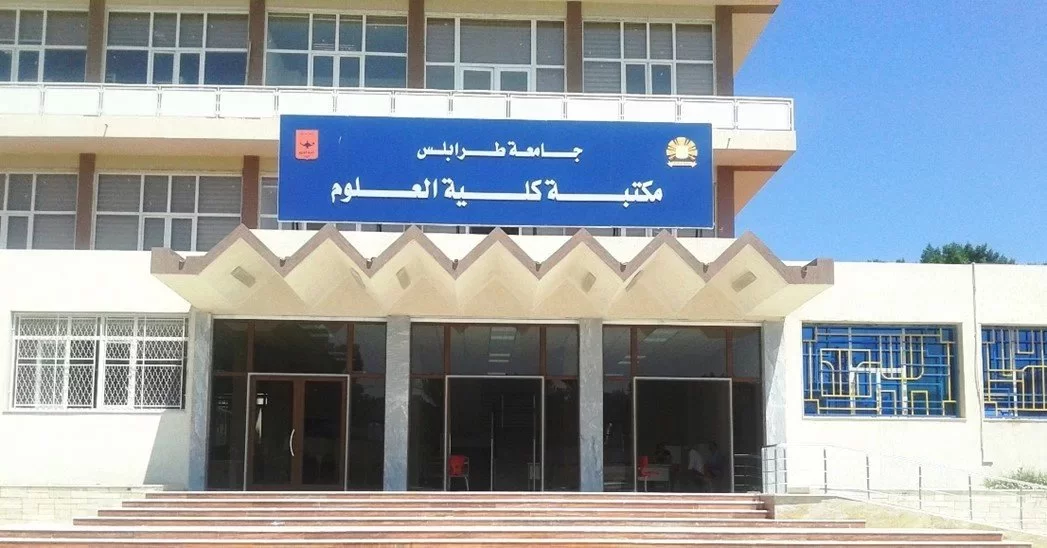
كلية العلوم- جامعة طرابلس هي نواة كليات العلوم ليس فقط في هذه الجامعة العريقة بل في الدولة الليبية . تضم في الوقت الحالي عشرة اقسام علمية ويجري العمل على استحداث قسم جديد Archaeology يختص بدراسة بالجانب العلمي البحثي للتراث التاريخي للشعب الليبي، وهذه الأقسام العلمية هي قسم علم الحيوان وعلم الرياضيات، وعلم الفيزياء، وعلم الكيمياء، وعلم النبات وعلم الجيولوجيا ، وعلم الحاسب الآلي وعلم الإحصاء ، وعلم الغلاف الجوي  وعلم الجيوفيزياء. عمل خريجو هذه الكلية في مختلف القطاعات منها على سبيل المثال وليس الحصر:

  • مجال النفط تنقيبا واستخراجا وتكريراً.
  • مجمعات الصناعات الكيميائية في أبي كماش وراس الانوف وشركات اللدائن إنتاجاً وتصنيعاً، و في مصانع الصابون ومواد التنظيف وغيرها.
  •  مجال التعليم وما يتعلق به من مجالات بحثية في جميع المراحل والمستويات منها التعليم المتوسط والعالي.

 لقد قاد خريجو هذه الكلية المسيرة العلمية لسنوات طويلة ولازالوا يمثّلون اللبنة الأولى في جميع كليات العلوم، وبعض الكليات الأخرى في جميع الجامعات الليبية، التي تأسست في الخمسة عقود الماضية. شمل مجال عمل خريجوها كليات الطب (في مجال العلوم الأساسية ، والكيمياء الحيوية وعلم التشريح والأنسجة والإحياء الدقيقة) وكليات الزراعة في معظم أقسامها والهندسة في المرحلة العامة وقسمي الهندسة الكيميائية والجيولوجية تحديدا، والتقنية الطبية والصيدلة وكلية الاقتصاد والآداب، وذلك من خلال برامج الدراسة الجامعية التي عملت على توفير معيدين للجامعــــــــات الأخــــــــــرى بالدولــــــــة الليبية أو توفير أعضــاء هيئة التدريس من حملة

  • تعتبر كلية العلوم من أوائل الكليات الجامعية التي تبنّت برامج الدراسات العليا بالداخل رغم طبيعة الدراسات العليا في العلوم الأساسية والتي تحتاج إلى إمكانيات تتعدى الأستاذ الكفؤ والذي هو متوفر والحمد لله في هذه المؤسسة، وذلك لان عدد كبير من الأساتذة تخرجوا من جامعات في الغرب والشرق (أمريكا، بريطانيا، أستراليا، معظم الدول الأوروبية) هذه الجامعات مشهود لها بالمستوى الأكاديمي الرفيع.
  • عمل ويعمل خريجوها أيضا في مراكز البحوث الصناعية والنووية والنفط والأحياء البحرية والتقنيات الحيوية واللدائن وغيرها من المراكز البحثية المتخصصة، وذلك بعد حصولهم على الشهادة الجامعية الأولى أو بعد حصولهم على درجات التخصص العالية والدقيقة من الداخل و الخارج .
  • إثراء الحركة العلمية البحثية في مجالات العلوم الاساسية بالدولة الليبية من خلال اصدار مجلة العلوم الاساسية المحكمة.

حقائق حول كلية العلوم

نفتخر بما نقدمه للمجتمع والعالم

170

المنشورات العلمية

267

هيئة التدريس

1831

الطلبة

686

الخريجون

البرامج الدراسية

الإجازة التخصصية (بكالوريوس)
تخصص الاحصاء

يشتمل برنامج الدراسة بالقسم على خمسة وعشرون مقرراً في الإحصاء (25) ممثلة بأربعة وثمانون...

التفاصيل

الإجازة التخصصية (بكالوريوس)
تخصص علوم الحاسب الآلي

...

التفاصيل

من يعمل بـكلية العلوم

يوجد بـكلية العلوم أكثر من 267 عضو هيئة تدريس

staff photo

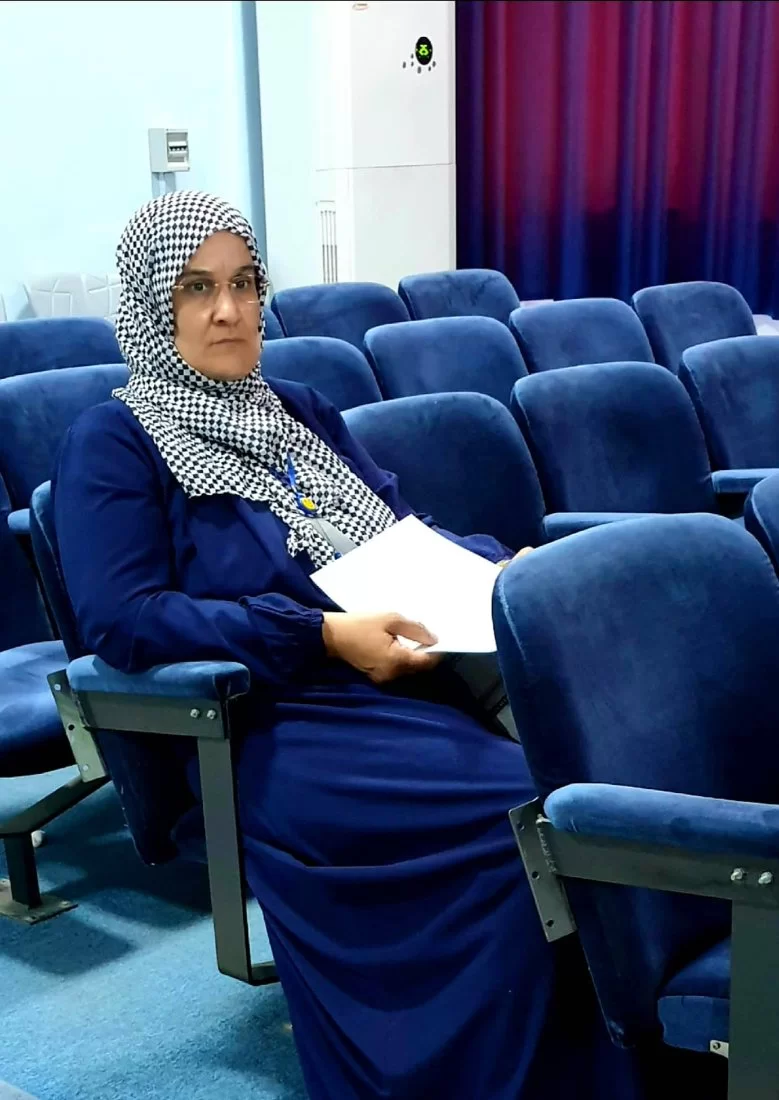
أ. سعاد محمد احمد البرقاوي

منشورات مختارة

بعض المنشورات التي تم نشرها في كلية العلوم

تصميم وبناء منظومة مسح ليزرية لدراسة بعض الخواص الفيزيائية للأسطح

تمّ في هذا البحث تصميم وبناء منظومة مسح ليزرية ثنائية الأبعاد محلياً (جامعة الفاتح/كلية العلوم/قسم الفيزياء) بدقة 0.480 mmواستُخدمت في عدة تطبيقات فيزيائية :- عملية مسح لمرآة مستوية, إيجاد معامل انكسار الزجاج, عمل مقارنة بين مقدار انعكاسية سطوح معادن مختلفة, مقارنة بين الدراسة العملية والنظرية لإنعكاسية النمط الكهربي المستعرض في الزجاج وتحقيق قانون مالوس.المكونات الرئيسية للمنظومة :- 1 – مصدر لشعاع الليزر.2- مجس ضوئي.3- دائرة استقبال وتحويل الإشارة الكهربية إلى إشارة رقمية متصلة بالحاسب الآلي.4- برنامج لعرض ورسم البيانات مباشرة على الحاسب الآلي.تمّ استخدام ليزر الهيليوم - نيون بقدرة mW 1 وبزاوية سقوط مقدارها ◦45, مجس ضوئي (الفوتوترانزستور) باستجابة للأطوال الموجية في المدى من1130 nm  400nm يتصل المجس بدائرة الكترونية لتحويل الإشارة الكهربية العادية إلى إشارة رقمية بعد أن يتم تكبيرها لتلائم التطبيق. يتحرك كلاً من مصدر الليزر والمجس الضوئي حركة آلية في اتجاه محور X كما تتحرك العينة أيضاً آلياً باتجاه محورY. دائرة الربط بالحاسب الآلي تتكون من مكبر إشارة لتكبير الإشارة الكهربية ومحول رقمي لتحويلها إلى إشارة رقمية تغذي الحاسب الآلي، يتم رسم الإشارة الناتجة وكذلك طباعة وتخزين البيانات في ملف خاص حتى تتم معالجتها لاحقاً وذلك عن طريق برنامج بلغة C. أثبتت المنظومة كفاءتها في سرعة نقل المعلومات على الأسطح دون لمس العينة المراد دراستها والتحكم فيها آلياً. Abstract In this Thesis, a two-dimensional laser scanning system was designed and constructioned accuracy was 0.480 mm. It was used in several physical applications :- a scanning of a plane mirror, determination of refractive index of glass, a comparison between reflectivity several surfaces of different metals, a comparison between practical and theoretical reflectivity of Transverse Electric Mode of glass and Malus’ Law.Main components of the system:- 1- laser beam source. 2- Light sensor. 3- Computer interface (An electronic digital circuit to convert electrical signal to digital signal). 4- A computer Software program using C – Language for data analysis. A helium - neon laser Source with output power 1 mW was used, with incidence angle of 45˚. The signal was received by a photo–transistor (response 400 nm → 1130 nm). The triangulation method was used in this system. The electrical signal from the sensor is amplified using OP amplifier and then converted to a digital signal using A/D converter. Both the Laser source and photo – transistor moves automatically in X – direction, the sample as will moves automatically in Y – direction. Computer interface consist of OP amplifier to amplify the electrical signal and a A/D converter to convert the signal to digital signal. The data was collected automatically using a – C – language program. The output data also can be plotted directly in X-Y plot on the screen. The system was very efficient and very fast data collection and transfer as a non–contact method.
نادية مسعود محمد الربع (2010)
Publisher's website

Evaluation of System-on-Chip Interconnect Architectures: A Case study of Fat-tree Interconnection Networks

Abstract In practice, most SoCs are multiprocessor systems-on-chips (MPSoCs) because it is too difficult to design a complex system-on-chip without making use of multiple CPUs. MPSoCs are the latest picture of very large scale integration (VLSI) technology. The architecture of the system is generally tailored to the application rather than being a general-purpose chip. This in turn enforces designers to move beyond logic design into advanced computer architecture and parallel processing. In such architectures, cores are integrated via a custom or commercial interconnection network with a controller, timing and a function interface to the external world. Current state-of-the-art SoCs already embeds typical sub-systems such as digital signal processors (DSP), RAM, ROM, MPEG cores.The main goal of this thesis is to design an efficient switch for Fat-tree interconnection networks. In addition a useful survey study for interconnection networks architectures, technologies and routing algorithms was provided. The survey included in some details commonly used switching methods and virtual channel arrangements. The proposed switch structure has been validated by a software model.A set of algorithms and procedures have been developed to facilitate the switch functionality. Those procedures include the control of transmission of the packets from switch input buffer to switch output buffer and transferring packets from switch output buffer to neighboring switch input buffer. While the input/output link controllers take care of buffer assignments to flits (packet) and deals with buffer organization. More over, the algorithms include (i) the routing algorithm which is the least common ancestor routing algorithm, (ii) arbitration algorithm that based on round-robin technique.Therefore in this thesis we have proved the correctness of the functionality of the proposed switch in software model that have been written in C++ language. The obtained simulation results of the switch functionality in fat-tree of 16 nodes definitely declare the correctness of the proposed arbitration scheme as well as showing the efficiency of the routing algorithm. Finally, we can say that the fat-tree interconnection network is very good candidate to implement future NoC connectivity for current and future multiprocessor systems-on-chips (MPSoCs) designs due to its modular, flexible and regular structured design. In turn, these features are suitable as well for VLSI realizations.
أسماء شعبان العصار (2010)
Publisher's website

الكشف عن طفرة البحر المتوسطلين G6PD في المرضى الليبين بمركز طرابلس الطبي ومستشفي الجلاء بمدينة طرابلس

يهدف هذا البحث إلى إبراز مدى انتشار طفرة البحر المتوسط Med (563C→T) في جين G6PD، والكشف عن أي نوع آخر من الطفرات لدى المصابين بمرض نقص إنزيمG6PD بمركز طرابلس الطبي ومستشفى الجلاء بطرابلس. يعتبر مرض نقص إنزيم جلوكوز-6-فوسفات ديهيدروجينيز (G6PD deficiency) المعروف بالإسم الشائع أنيميا الفول (Favism) من الأمراض المنتشرة في كافة دول العالم، وحوض البحر المتوسط، ومن بينها ليبيا. وقد تم تشخيص أكثر من 176 طفرة وأكثر من 442 نوع من أنماط الإنزيم (Variants) على مستوى العالم باستعمال التقنيات الحيوية، ومنها التقنيات الجزيئية Molecular analytical methods، والتي تحدد الطفرات الوراثية التي تحدث في الجينات المسئولة عن التصنيع الحيوي للأنماط المختلفة من الإنزيم .إن مرض نقص إنزيمG6PD هو مرض وراثي متنحي مرتبط بالكروموسوم الجنسي (X) X-linked recessive، وهذا ما يفسر إصابة الذكور أكثر من الإناث بهذا المرض، مؤدياً إلى حدوث خلل (طفرة) في جين G6PD مسبباً نقصاً واعتلالاً في تصنيع إنزيمG6PD، مما يؤدي إلى حدوث تكسر وانحلال لكريات الدم الحمراء، وبالتالي حدوث فقر الدم الذي قد يكون في بعض الأحيان شديداً ومهدداً للحياة.هذه الدراسة شملت (39) طفلاً مسجلين بمركز طرابلس الطبي ومستشفى الجلاء بطرابلس على أنهم مصابون بمرض نقص إنزيمG6PD، وتتراوح أعمارهم من (1 – 12) سنة. وقد تم سحب عينات دم وريدي (10) مل من كل طفل مصاب، وجُمعت في أنابيب (EDTA-K3)، ونقلت العينات إلى تونس ومنها إلى فرنسا بواسطة مختبر المتوسطية للخدمات الطبية، والذي يعد الوكيل الحصري لشركة بيومنيس (Biomnis) الفرنسية الخاص بإجراء التحاليل خارج ليبيا، واستخدمت عينات الدم لإجراء التحاليل البيوكيميائية، ولقياس نشاط إنزيمG6PD، بالإضافة للجانب الجزيئي للتحري عن الطفرات الوراثية للقواعد النيتروجينية التي تحدث في الجينات المسئولة عن التصنيع الحيوي لإنزيمG6PD باستعمال التقنيات الجزيئية Molecular Analysis، التي تعتمد على استخلاص الحامض النووي منقوص الأكسجين (Genomic DNA)، الذي استخلص من الحالات المرضية، مع متابعة التحليل الجيني للطفرات الوراثية، حيث أخضعت العينات إلى تفاعل التضاعف التسلسلي Polymerase Chain Reaction (PCR) للحامض النووي، بعدها تم استعمال طريقة الهضم بالإنزيمات المعتمدة (RFLP) للكشف عن الطفرات الوراثية التي تحدث في الجينات المسئولة عن تصنيع الإنزيم الحيوي التي سببت النقص الحاد لنشاط إنزيم G6PD. وقد أظهرت نتائج هذه الدراسة أن جميع الأطفال المشمولين بالدراسة والمصابين بالمرض (38 ذكور، وأنثى واحدة) كانت نسبة (69.2%) منهم قد أصيبوا بفقر الدم الانحلالي بمرحلة الطفولة المبكرة (< 40 شهراً)، وكان (100%) ممن أصيبوا بسبب تناول الفول بالغذاء، وخاصةً الفول الأخضر بنسبة (593.7%)، أو الفول المجفف بنسبة (6.25%). كما أن ما يقارب من (497.4%) من حالات نقص أنزيم G6PD قد أصيبوا باليرقان الفسيولوجي ما بعد الولادة الذي استمر من أسبوع إلى أسبوعين.كما أظهرت الدراسة أيضاً أنه تم تشخيص نوعين فقط من الطفرات لدى الحالات المصابة وهما: طفرة البحر المتوسط G6PD Med (563C→T) وُجدت لدى (30) حالة مرضية بنسبة (76.92%)، بينما تم تشخيص (5) حالات فقط من النمط الأفريقي G6PD A- (202G→A) بنسبة (12.82%)، وبقيت (4) حالات أخرى (10.26%) لم يتم التعرف على النمط الإنزيمي لها ويُستنتج من الدراسة أن طفرة البحر المتوسط (G6PD Med (563C→T هي الأكثر شيوعاً وانتشاراً بين المرضى المصابين بنقص أنزيمG6PD للحالات المترددة على مركز طرابلس الطبي ومستشفى الجلاء بطرابلس. وقد كشفت المقارنات لقيمة أنزيمG6PD والعد الكامل لخلايا الدم (CBC) للأطفال المصابين عن حدوث نقص في إنزيمG6PD بشكل واضح بكل الحالات، ونقص نسبي في نتائج (CBC) في جميع القراءات ما عدا (MCHC)، بالإضافة إلى عدم وجود اختلاف واضح بمعدل نقص نشاط إنزيمG6PD ما بين المصابين بطفرة البحر المتوسط (G6PD Med) وطفرة النمط الأفريقي (G6PD A-Matera). إن هذا العمل يُعتبر خطوة مهمة تُمهد لمزيد من الدراسات الجزيئية لمرض نقص أنزيمG6PD مع التركيز على أصل هذه المتغيرات. وتجدر الإشارة هنا إلى أن قطاع الصحة بليبيا يقع على عاتقه العبء الأكبر من حيث العمل الجاد من أجل تفعيل برامج لفحص المواليد الجدد لمعرفة إصابتهم بهذا المرض من عدمه، لأن المعرفة المبكرة بهذا المرض تقلل من ظهور الأعراض المزمنة في المستقبل، مع وضع برامج المتابعة السريرية للأطفال المصابين، والعمل على تقديم برامج التوعية بهذا المرض وخاصة بين الأمهات، لأن مثل هذه البرامج تسهم في الإرشاد الصحي، ونشر الوعي الصحي. وليبيا بحاجة ماسة لمثل هذه الدراسات والبرامج لتحقيق التقدم المنشود في الخدمات الصّحية والطّبية، وخلق أجيال تتمتع بصحة جيدة. Abstract This research aims to highlight the extent of the spread of the Mediterranean mutation MED (563C"T) in G6PD Gene, and the detection of any type of mutations in infected persons with G6PD enzyme deficiency in Tripoli Medical Center and ElJalaa Hospital in Tripol Enzyme deficiency disease glucose -6- phosphate dehydrogenase (G6PD deficiency) is considered , commonly known by name (Favism), ase widespread diseases in all countries of the world and the Mediterranean including Libya, and had been diagnosed more than 176 mutations and more than 442 type of enzyme patterns (Variants) in all the world by using of biotechnology including molecular analytical methods , and to determine the genetic mutations that occur in the genes responsible for bio-producing of different patterns of enzymes.The G6PD enzyme deficiency disease is an autosomal recessive disease linked to sexual chromosome ,X-linked recessive, and this explains why males are infected more than females with this disease, due to the defect (mutation) in a G6PD gene casusing deficiency and illness in producing G6PD enzyme which leads to a break and the dissolution of red blood cells and thus the occurrence of anemia, which may be severe and sometimes life-threatening This research included )39( children registered in Tripoli Medical Center and ElJalaa Hospital in Tripoli as infected with G6PD enzyme deficiency disease and their ages were between (1-12 years), and (10 ml) venous blood samples had been withdrawn from each infected child, and collected in (EDTA- K3) tubes, and transferred to Tunisia then to Franc by Mediterranean Lab. For Medical Services, which is the sole agent of Biomnis company (French) specialised in conducting analyies outside Libya, the blood samples were used to conduct Biochemical analyies and measure the activity of G6PD enzyme, besides the molecular aspect of investigating the genetic mutations of the nitrogenous bases that occur in the genes responsible for bio-producing of G6PD enzyme, by using Molecular analysis which relies on extracting DNA diminished oxygen (Genomic DNA) which were extracted from infected cases, with follow-up genetic mutations genetic analysis, where the samples were subjected to serial replication Polymerase Chain Reaction (PCR) nucleic acid, then was used method of digestion enzymes approved (RFLP) for the detection of genetic mutations that occur in charge of gene bio-enzyme manufacturing that have caused an acute shortage of the activity of the enzyme G6PD. The results of this research have shown that about (69.2%) of the surveyed and infected children (38 males, one female) had suffered hemolytic anemia in the early childhood (≤ 40 months) and (100%) due to eating (Beans), green Beans (93.75%) or dried Beans (6.25%). About (97.44%) of the cases suffered Physiological jaundice after birth, which lasted from one to two weeks.The research also revealed that there were only two diagnosed types of mutations in infected cases, and they are: Mediterranean mutation G6PD MED (563C"T) found with (30) cases, with average (76.92%) diagnosed only (5) cases of the African type (202G"A) G6PD A- with average (12.82%), and the other remaining (4) cases (10.26%) did not recognize their enzymatic type, To conclude this part, the Mediterranean mutation MED (563C"T) is the most common and widespread among patients of G6PD enzyme deficiency for the cases in Tripoli Medical Center and ElJalaa Hospital in Tripoli. Comparisons of the G6PD values have revealed the full value of the G6PD enzyme and counting blood cells (CBC) of effected children, with occurrence of a shortage of the G6PD enzyme clearly in all cases, and the relative lack of results of (CBC) in all readings except (MCHC), In addition to the lack of a clear difference in the rate of deficiency G6PD enzyme activity among the patients with Mediterranean mutation (G6PD MED) and the African type mutation (G6PD A-Matera).This work is an important step and needs further molecular researches for the Disease of G6PD enzyme deficiency with focusing on the origin of these variables. It should be noted here that the health sector in Libya carries the duty of the serious work in order to activate examination programs for newborns to find out if they suffer the disease or not, because early diagnosis of this disease, reduce the appearance of chronic symptoms in the future, with a clinical follow-up programs for children, in addition to an awareness programs on this disease, especially among mothers. Such programs contribute to the health guidance, and counseling to spread the health awareness. Libya is in need for such research to achieve the desired progress in health and medical services, and to creat thealthy generations.
أسامة أحمد الأحمر (2015)
Publisher's website

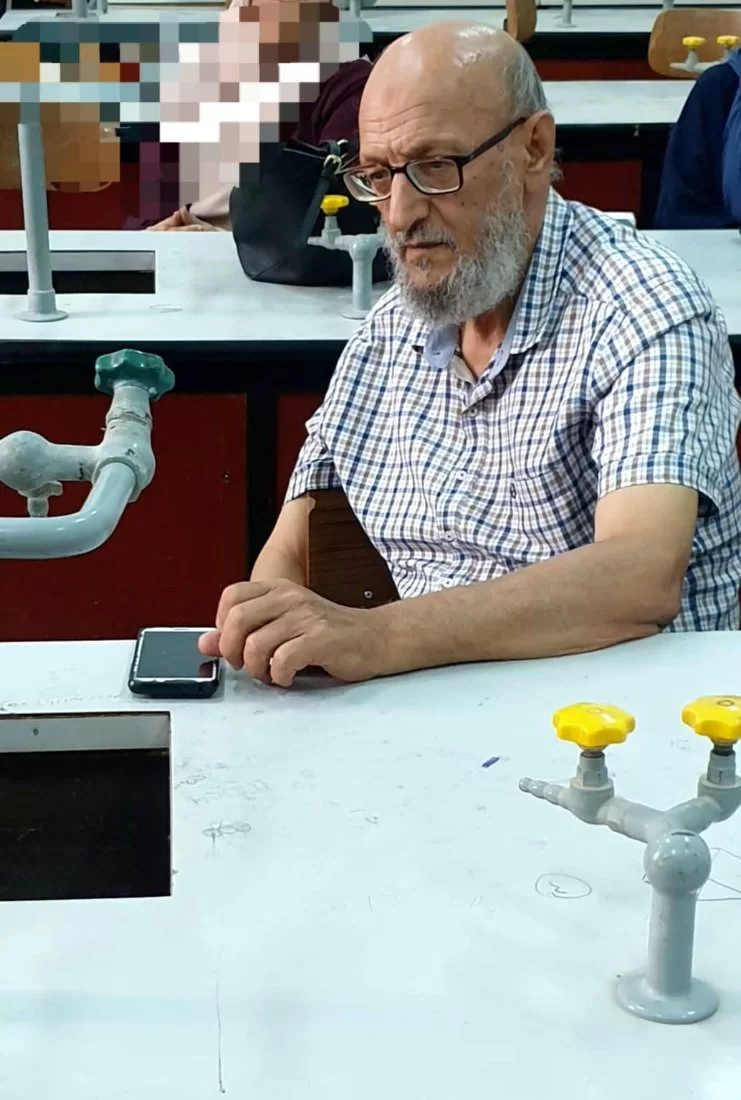
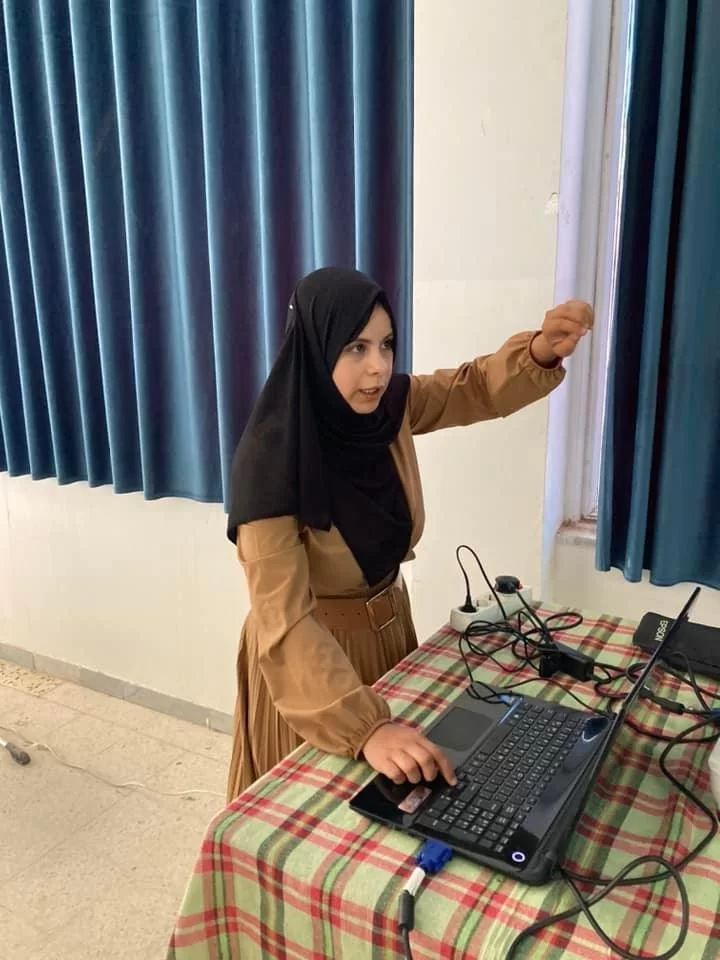
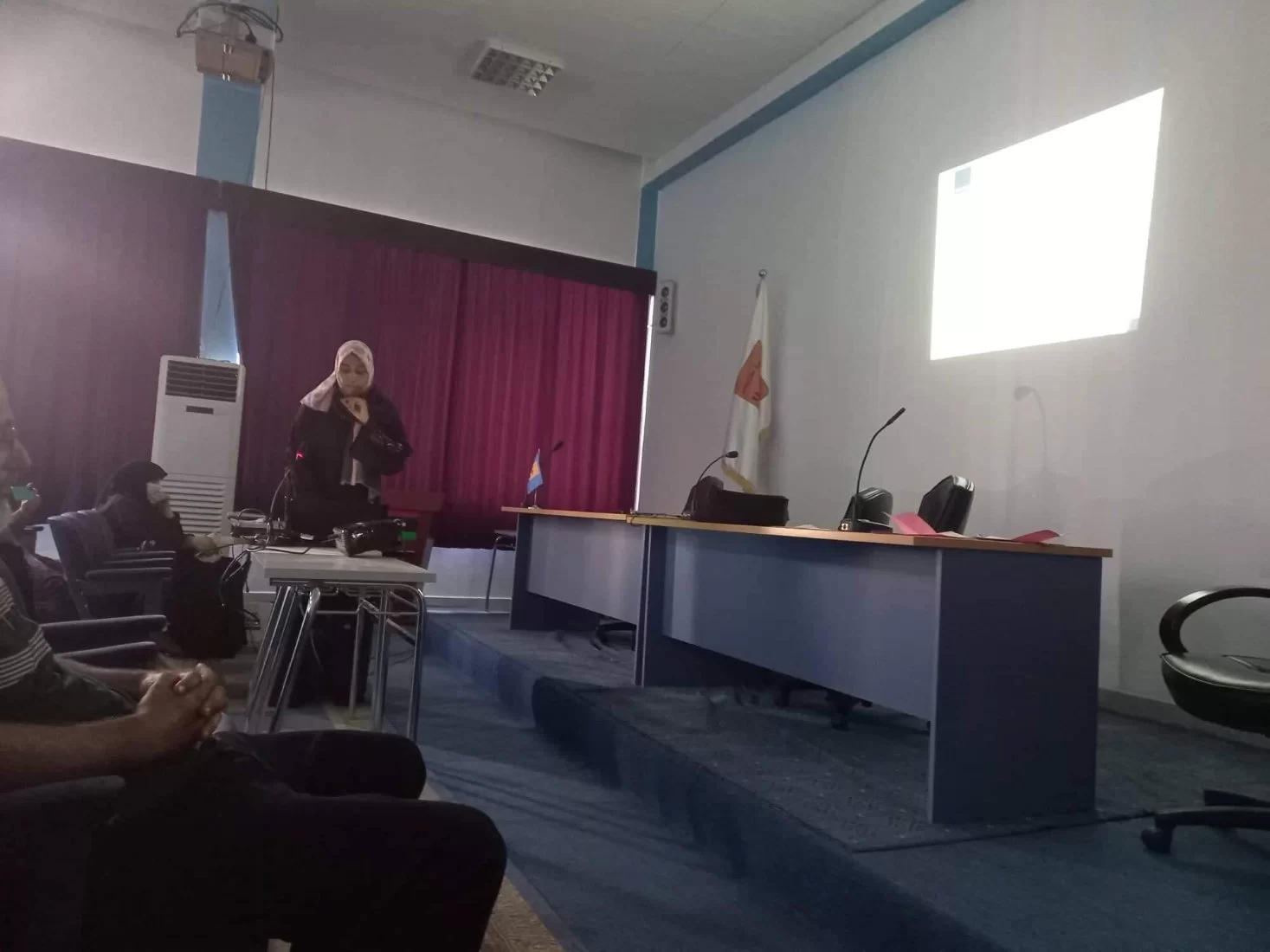
كلية العلوم في صور

الالبومات الخاصة بفعاليات كلية العلوم