كلية العلوم

المزيد ...

حول كلية العلوم

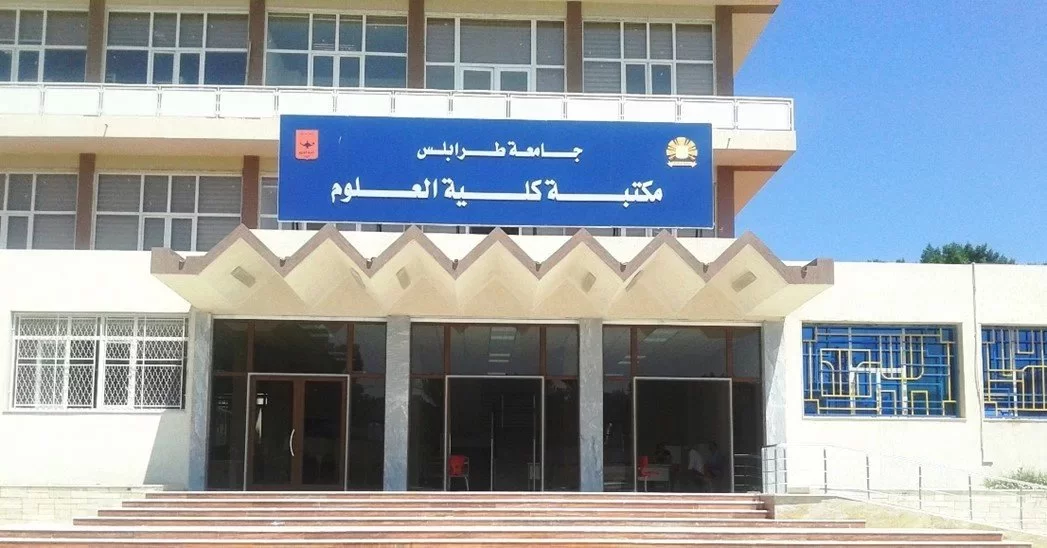
كلية العلوم- جامعة طرابلس هي نواة كليات العلوم ليس فقط في هذه الجامعة العريقة بل في الدولة الليبية . تضم في الوقت الحالي عشرة اقسام علمية ويجري العمل على استحداث قسم جديد Archaeology يختص بدراسة بالجانب العلمي البحثي للتراث التاريخي للشعب الليبي، وهذه الأقسام العلمية هي قسم علم الحيوان وعلم الرياضيات، وعلم الفيزياء، وعلم الكيمياء، وعلم النبات وعلم الجيولوجيا ، وعلم الحاسب الآلي وعلم الإحصاء ، وعلم الغلاف الجوي  وعلم الجيوفيزياء. عمل خريجو هذه الكلية في مختلف القطاعات منها على سبيل المثال وليس الحصر:

  • مجال النفط تنقيبا واستخراجا وتكريراً.
  • مجمعات الصناعات الكيميائية في أبي كماش وراس الانوف وشركات اللدائن إنتاجاً وتصنيعاً، و في مصانع الصابون ومواد التنظيف وغيرها.
  •  مجال التعليم وما يتعلق به من مجالات بحثية في جميع المراحل والمستويات منها التعليم المتوسط والعالي.

 لقد قاد خريجو هذه الكلية المسيرة العلمية لسنوات طويلة ولازالوا يمثّلون اللبنة الأولى في جميع كليات العلوم، وبعض الكليات الأخرى في جميع الجامعات الليبية، التي تأسست في الخمسة عقود الماضية. شمل مجال عمل خريجوها كليات الطب (في مجال العلوم الأساسية ، والكيمياء الحيوية وعلم التشريح والأنسجة والإحياء الدقيقة) وكليات الزراعة في معظم أقسامها والهندسة في المرحلة العامة وقسمي الهندسة الكيميائية والجيولوجية تحديدا، والتقنية الطبية والصيدلة وكلية الاقتصاد والآداب، وذلك من خلال برامج الدراسة الجامعية التي عملت على توفير معيدين للجامعــــــــات الأخــــــــــرى بالدولــــــــة الليبية أو توفير أعضــاء هيئة التدريس من حملة

  • تعتبر كلية العلوم من أوائل الكليات الجامعية التي تبنّت برامج الدراسات العليا بالداخل رغم طبيعة الدراسات العليا في العلوم الأساسية والتي تحتاج إلى إمكانيات تتعدى الأستاذ الكفؤ والذي هو متوفر والحمد لله في هذه المؤسسة، وذلك لان عدد كبير من الأساتذة تخرجوا من جامعات في الغرب والشرق (أمريكا، بريطانيا، أستراليا، معظم الدول الأوروبية) هذه الجامعات مشهود لها بالمستوى الأكاديمي الرفيع.
  • عمل ويعمل خريجوها أيضا في مراكز البحوث الصناعية والنووية والنفط والأحياء البحرية والتقنيات الحيوية واللدائن وغيرها من المراكز البحثية المتخصصة، وذلك بعد حصولهم على الشهادة الجامعية الأولى أو بعد حصولهم على درجات التخصص العالية والدقيقة من الداخل و الخارج .
  • إثراء الحركة العلمية البحثية في مجالات العلوم الاساسية بالدولة الليبية من خلال اصدار مجلة العلوم الاساسية المحكمة.

حقائق حول كلية العلوم

نفتخر بما نقدمه للمجتمع والعالم

170

المنشورات العلمية

267

هيئة التدريس

1831

الطلبة

686

الخريجون

البرامج الدراسية

الإجازة التخصصية بكالوريوس - علم الحيوان
تخصص شعبة علم الاحياء التطوري

...

التفاصيل
الإجازة التخصصية بكالوريوس - علم الحيوان
تخصص علم الحيوان (شعبة علوم البيئة)

يدرس طالب قسم علم الحيوان مقررات عامة على مستوى الجامعة، علاوة على مقررات على مستوى...

التفاصيل

الإجازة التخصصية بكالوريوس - علم الحيوان
تخصص شعبة علم الاحياء الجنائي

...

التفاصيل

من يعمل بـكلية العلوم

يوجد بـكلية العلوم أكثر من 267 عضو هيئة تدريس

staff photo

د. أحمد إمحمد عمر الحماصي

أحمد الحماصي هو احد اعضاء هيئة التدريس بقسم الفيزياء بكلية العلوم. يعمل السيد أحمد الحماصي بجامعة طرابلس كـأستاذ مشارك منذ 2014-03-03 وله العديد من المنشورات العلمية في مجال تخصصه

منشورات مختارة

بعض المنشورات التي تم نشرها في كلية العلوم

Effects of storage temperature on the quantity and integrity of genomic DNA extracted from mice tissues: A comparison of recovery methods

Efficient extraction of genomic DNA (gDNA) from biological materials found in harsh environments is the first step for successful forensic DNA profiling. This study aimed to evaluate two methods for DNA recovery from animal tissues (livers, muscles), focusing on the best storage temperature for DNA yield in term of quality, quantity, and integrity for use in several downstream molecular techniques. Six male Swiss albino mice were sacrificed, liver and muscle tissues (n=32) were then harvested and stored for one week in different temperatures, -20C, 4C, 25C and 40C. The conditioned animal tissues were used for DNA extraction by Chelex-100 method or NucleoSpin Blood and Tissue kit. The extracted gDNA was visualized on 1.5% agarose gel electrophoresis to determine the quality of gDNA and analysed spectrophotometrically to determine the DNA concentration and the purity. Both methods, Chelex-100 and NucleoSpin Blood and Tissue kit found to be appropriate for yielding high quantity of gDNA, with the Chelex100 method yielding a greater quantity (P < 0.045) than the kit. At -20C, 4C, and 25C temperatures, the concentration of DNA yield was numerically lower than at 40C. The NucleoSpin Blood and Tissue kit produced a higher (P=0.031) purity product than the Chelex-100 method, particularly for muscle tissues. The Chelex-100 method is cheap, fast, effective, and is a crucial tool for yielding DNA from animal tissues (livers, muscles) exposed to harsh environment with little limitations.
Huda H. Al-Griw, Zena A. Zraba, Salsabiel K. Al-Muntaser, Marwan M. Draid, Aisha M. Zaidi, Refaat M. Tabagh , Mohamed A. Al-Griw(8-2017)
Publisher's website

Assessment of different Growth Techniques of Strained Germanium Heterostructures for Electronic and spintronic Devices

This paper, emphasis different growth techniques of two-dimensional hole gas of strained germanium (sGe) heterostructure, molecular beam epitaxy (MBE) and chemical vapor deposition (CVD). sGe heterostructure has become an important material as a replacement material to Silicon in P-type devices because of its higher hole mobility and lower effective mass. Researchers study this material in terms of electrical and spintronic devices according to technology demands for devices with higher efficiency and low power consumption. High hole mobility up to 1×10cm/Vs at temperature of 1.5 K has been reported for normal structure declaring high quality samples with low density dislocation and low interface roughness. arabic 14 English 105
Adel Diyaf, A.H. A. Hassan , U. Elfurawi , A. E. Abubkr (6-2019)
Publisher's website

TL Characteristics and Dosimetric Aspects of Mg-Doped ZnO

Dosimetry characterization and the evaluation of kinetics parameters of trapping states of Mg-doped ZnO phosphors synthesized by Sol-Gel technique. The thermoluminescence response of Mg-doped ZnO samples showed a linear response when exposed to X-ray radiation and the optimum annealing condition was 400oC/4h for the three concentrations. A broad-shaped TL glow curve with an upper bound of 270 °C, which shifts to lower temperatures with increasing dose, indicating that general order (GO) kinetics thermoluminescence processes are involved. We conclude that the ZnO doped Mg phosphors under study are promises to develop dosimeters for high radiation dose measurements. Kinetic parameters, such as activation energy (E), frequency factor (s), and order of kinematic order (b), were estimated by the Glow Curve Deconvolution (GCD) method. ZnO:Mg phosphor has a great potential as a dosimeter for monitoring in the fields of ionizing radiation. arabic 9 English 49
Fawzeia Khamis, , (1-2021)
Publisher's website

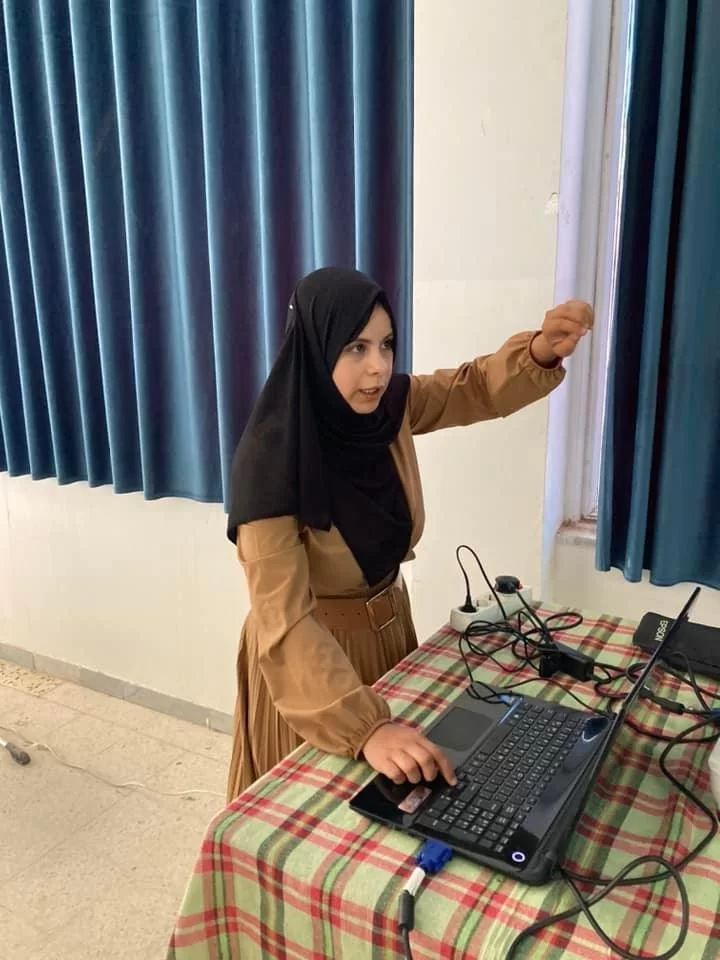
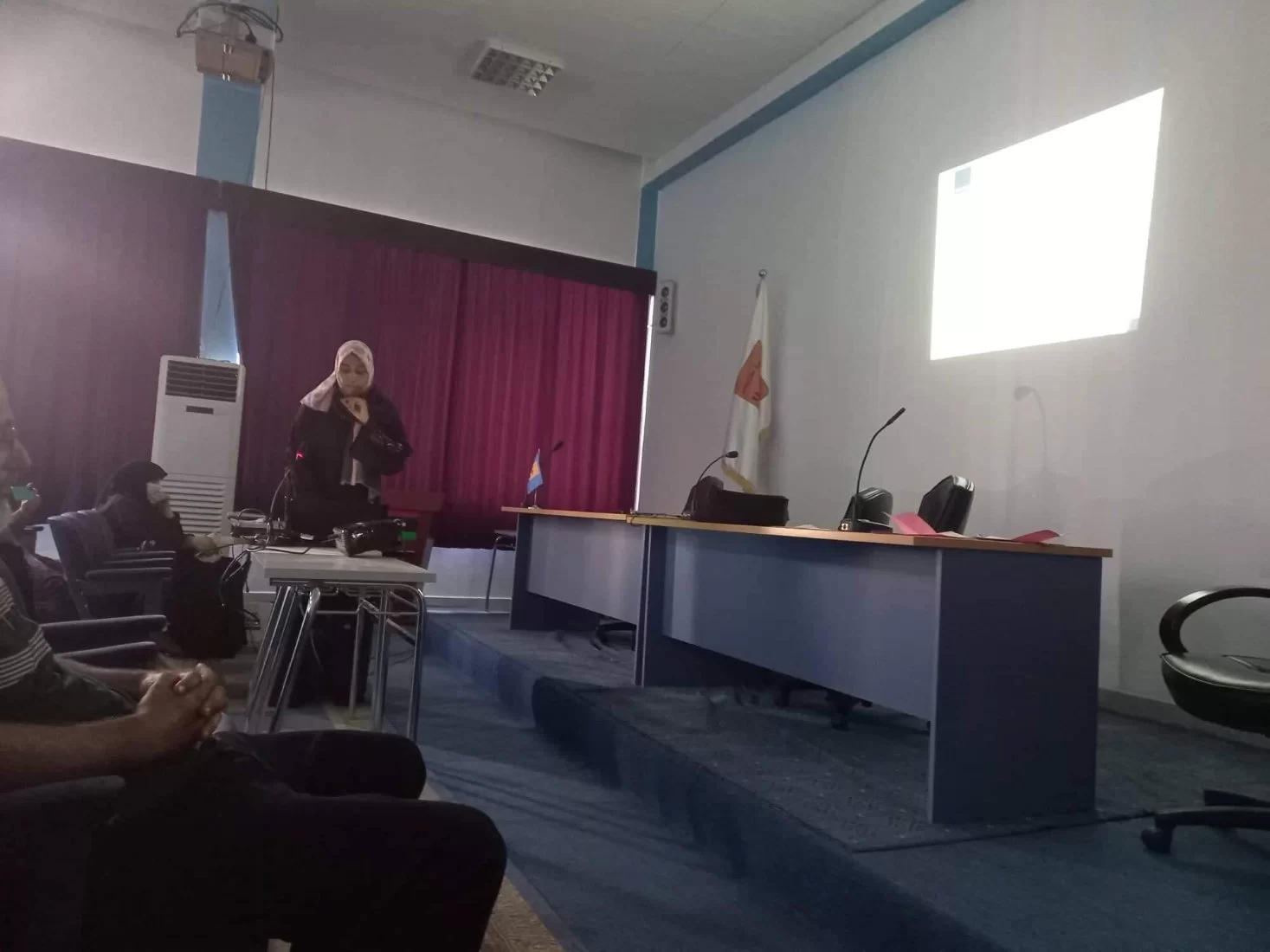
كلية العلوم في صور

الالبومات الخاصة بفعاليات كلية العلوم