كلية العلوم

المزيد ...

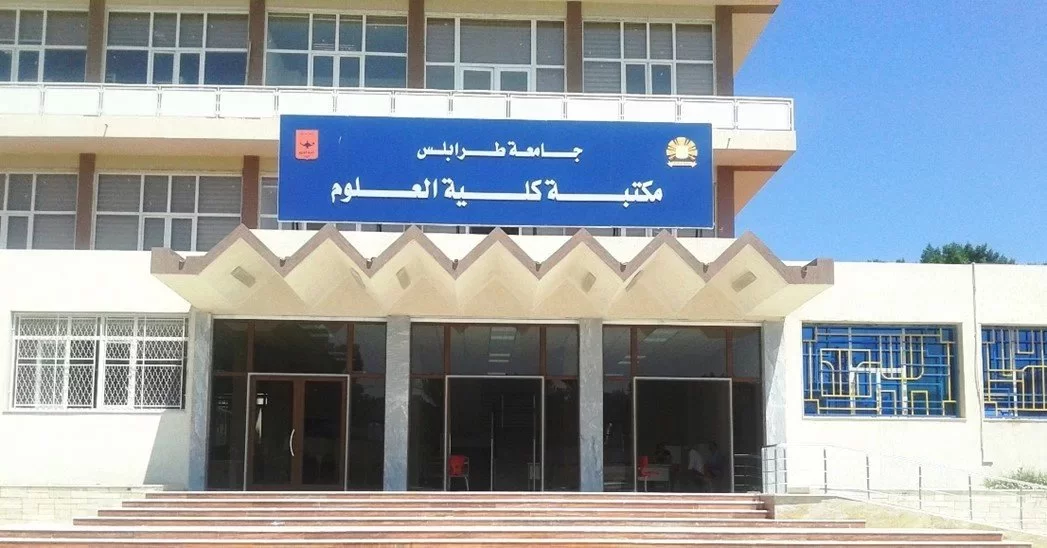
حول كلية العلوم

كلية العلوم- جامعة طرابلس هي نواة كليات العلوم ليس فقط في هذه الجامعة العريقة بل في الدولة الليبية . تضم في الوقت الحالي عشرة اقسام علمية ويجري العمل على استحداث قسم جديد Archaeology يختص بدراسة بالجانب العلمي البحثي للتراث التاريخي للشعب الليبي، وهذه الأقسام العلمية هي قسم علم الحيوان وعلم الرياضيات، وعلم الفيزياء، وعلم الكيمياء، وعلم النبات وعلم الجيولوجيا ، وعلم الحاسب الآلي وعلم الإحصاء ، وعلم الغلاف الجوي  وعلم الجيوفيزياء. عمل خريجو هذه الكلية في مختلف القطاعات منها على سبيل المثال وليس الحصر:

  • مجال النفط تنقيبا واستخراجا وتكريراً.
  • مجمعات الصناعات الكيميائية في أبي كماش وراس الانوف وشركات اللدائن إنتاجاً وتصنيعاً، و في مصانع الصابون ومواد التنظيف وغيرها.
  •  مجال التعليم وما يتعلق به من مجالات بحثية في جميع المراحل والمستويات منها التعليم المتوسط والعالي.

 لقد قاد خريجو هذه الكلية المسيرة العلمية لسنوات طويلة ولازالوا يمثّلون اللبنة الأولى في جميع كليات العلوم، وبعض الكليات الأخرى في جميع الجامعات الليبية، التي تأسست في الخمسة عقود الماضية. شمل مجال عمل خريجوها كليات الطب (في مجال العلوم الأساسية ، والكيمياء الحيوية وعلم التشريح والأنسجة والإحياء الدقيقة) وكليات الزراعة في معظم أقسامها والهندسة في المرحلة العامة وقسمي الهندسة الكيميائية والجيولوجية تحديدا، والتقنية الطبية والصيدلة وكلية الاقتصاد والآداب، وذلك من خلال برامج الدراسة الجامعية التي عملت على توفير معيدين للجامعــــــــات الأخــــــــــرى بالدولــــــــة الليبية أو توفير أعضــاء هيئة التدريس من حملة

  • تعتبر كلية العلوم من أوائل الكليات الجامعية التي تبنّت برامج الدراسات العليا بالداخل رغم طبيعة الدراسات العليا في العلوم الأساسية والتي تحتاج إلى إمكانيات تتعدى الأستاذ الكفؤ والذي هو متوفر والحمد لله في هذه المؤسسة، وذلك لان عدد كبير من الأساتذة تخرجوا من جامعات في الغرب والشرق (أمريكا، بريطانيا، أستراليا، معظم الدول الأوروبية) هذه الجامعات مشهود لها بالمستوى الأكاديمي الرفيع.
  • عمل ويعمل خريجوها أيضا في مراكز البحوث الصناعية والنووية والنفط والأحياء البحرية والتقنيات الحيوية واللدائن وغيرها من المراكز البحثية المتخصصة، وذلك بعد حصولهم على الشهادة الجامعية الأولى أو بعد حصولهم على درجات التخصص العالية والدقيقة من الداخل و الخارج .
  • إثراء الحركة العلمية البحثية في مجالات العلوم الاساسية بالدولة الليبية من خلال اصدار مجلة العلوم الاساسية المحكمة.

حقائق حول كلية العلوم

نفتخر بما نقدمه للمجتمع والعالم

170

المنشورات العلمية

267

هيئة التدريس

1831

الطلبة

686

الخريجون

من يعمل بـكلية العلوم

يوجد بـكلية العلوم أكثر من 267 عضو هيئة تدريس

staff photo

أ. عبدالرحيم محمد محمد احويش

منشورات مختارة

بعض المنشورات التي تم نشرها في كلية العلوم

Variations in Fluid Saturation in the Paleocene Farrud Formation an Oil Producing Reservoir Inthe Ghani/Zenad Field. Sirt Basin. Application of Well Logs

يتناول هذا البحث (التغيرات في تشبع السوائل بتكوين الفرود باليوسين مكمن إنتاج النفط في حقل الغاني/زناد. حوض سرت .تطبيقات سجلات الآبار)، حيث تعتبر سرود الآبار من التقنيات المهمة في تحديد نوعية الصخور وخواصها وخصائصها من ناحية المسامية والنفاذية وما تحتويه هذه الصخور من تراكمات نفطية ,كما تلعب سرود الآبار دورا مهما في تطوير التكوينات الحاملة للنفط وذلك بزيادة قدرتها الإنتاجية.يهدف هذا البحث لاستعمال تقنية سرود الآبار لمعرفة التغيرات في تشبع السوائل بتكوين الفرود باليوسين في حوض سرت. الفصل الأول:- يتناول هذا الفصل تحديد موقع منطقة الدراسة (موقع الآبار)، وميزات الخزان والهدف الأساسي من الدراسة والطرق المستخدمة في البحث والمعلومات الأساسية التي تساعد في الحصول على النتائج المطلوبة.الفصل الثاني:- يتناول مقدمة على التوضع الجيولوجي لحوض سرت وذلك من خلال معرفة التاريخ الجيولوجي والتراكيب الجيولوجية وبيئات الترسيب والحركات التكتونية التي أثرت على حوض سرت، وأيضا الصخور المصدرية و الخازنة للنفط والتي ترسبت أثناء حقب الباليوسين. الفصل الثالث:- يتناول حساب الخواص البتروفيزيائية باستخدام سرود الآبار لتكوين الفرود حيث من خلال هذه الخواص يمكن معرفة العديد من المؤشرات البتروفيزيائية والتي تعطى مؤشرا واضحا لما هو موجود تحت السطح ومثال على ذلك مقاومة مياه التكوين وأيضا ملوحة المياه... الخ، أيضا حساب التشبع المائي والذي من خلاله يمكن حساب التشبع النفطي. كما يتناول بالتفصيل مبادئ وأساسيات وتطبيقات سرود الآبار ومثال على كل سرد من منطقة الدراسة والمتمثلة في سرد جاما وسرود المسامية والنفاذية وأيضا سرود المقاومة ....الخ، أيضا يتناول المعادلات المستخدمة لكل سرد.الفصل الرابع:- يتناول العمليات التحولية للفرود والتي تؤثر في بعض الخواص البتروفيزيائية كالمسامية مثلا. ويتناول العلاقات المتبادلة بين الخواص البتروفيزيائية لسرود الآبار والتي من خلالها يمكن تحديد نوعية الصخور لهذا التكوين في منطقة الدراسة والذي هو عبارة عن حجر جيري وكذلك تحديد بيئة الترسيب .الفصل الخامس:- يتناول تقييم الخواص البتروفيزيائية وتفسيراتها وكذلك تفسير النتائج التي حصلنا عليها من الحسابات السابقة. الفصل السادس:- يتناول أهم الاستنتاجات من هذه الدراسة وأيضا التوصيات والتي يمكن أن تكون مواضيع لدراسات مستقبلية تعطى لتقنية سرود الآبار أفاق جديدة تزيد من أهمية هذه التقنية. Abstract The Ghani Field is located in the southwestern part of Harouge's Concession 11 in the western Sirt Basin. The Farrud reservoir is a structural high, covering 7200 acres, between the Mamir trough and the Ramla syncline. The most striking features of Ghani Farrud reservoir are the NW-SE trending faults and sudden increase in pay in the centre of the Field.The primary productive horizon in the Ghani Field is the Farrud formation of Lower Paleocene age, and is subdivided into two reservoirs, Upper and Lower Farrud. The main producing formation is the Upper Farrud, which contains approximately 95% of the reserves. Besides Upper Farrud and Lower Farrud, additional pay is present in the Lower Mabruk sequence. Lower Farrud reservoir development is confined mostly to the northern part of the field whereas Mabruk pay is present only in southwestern part of the field. The Ghana Farrud/Mabruk is estimated to contain approximately 610 MMSTB of oil in place (OOIP).The Ghani Farrud reservoir was discovered under saturated at the initial pressure of 2357 psia, and the solution GOR of 660 SCF/STB. Reservoir fluid bubble point pressure was determined to be 2115 psia. Solution gas drive is considered to be the predominant mechanism for primary depletion, although some water influx is anticipated.The reservoir has been undergoing development since discovery. To date, a total of six wells have been completed in this study. Depletion of the reservoir below the bubble point pressure had created a secondary gas cap near structural highs. Full field development was commenced in this interpretation by using the Petrolog software to complete log analysis, create cross plots to find out the values of water and to determine exact lithology. The reservoir rock is dolomite with a high porosity (20-30%), permeability is about (5 – 20 md) This thesis will present a successful field development and production acceleration project of Ghani Farrud reservoirs operated by Harroug Oil Operations on Concession 11. Six wells have been completed analyzing to find out the variation of the Farrud saturation in the Paleocene Formation and the oil producing reservoir in the study area.From this study, it is recommended to do perforating and petrographically studying over the entire field in the entire field in order to know the distribution of the Pyrites and clay minerals in the formation.
نجوي عبد المجيد سليم بحرون (2010)
Publisher's website

The Fitting of Incomplete Bivariate Normal Data: A Numerical Approach

نظرا للأهميه الكبيرة التى يلعبها التوزيع الطبيعي المتعدد في كثير من التطبيقات في حياتنا اليومية، وفي بعض الأحيان تواجهنا بيانات في الواقع العملي تكون غير كاملة لسبب او لآخر مثل عدم الدقة في تسجيل البيانات أو الإهمال والغياب أو الحرائق والتلف وغيرها، جاءت فكرة هدا البحث لتسليط بعض الضوء حول هدا الموضوع .ويهدف هدا البحث الى تقديم أسلوب الأرجحية العظمى لتقدير معالم التوزيع الطبيعي الثنائي وذلك في الحالات التى تكون فيها البيانات ناقصة، ونظرا لعدم تطبيق الطريقة المباشرة للتقدير في مثل هذه الحالات فإننا نلجأ الى بعض الطرق التجريبية والتى تعتمد على قيم إبتدائية إفتراضية للمعالم المجهولة والمراد تقديرها من واقع المعلومات المتاحة، وقد يكون من أهم هذه الطرق العددية طريقة نيوتن رافسون المعروفة والتى تعتمد على مصفوفة المعلومات لفيشر وكذلك طريقة تعظيم القيمه المتوقعه (EM) والتى صاغ ملامحها النهائية العالم ديمبستر وزملاءه في العام 1977، وتتميز هذه الطريقة بالسهولة في الإستخدام والدقة وقلة حساسيتها لإختيار القيم الأولية للمعالم المجهولة وجزء من إهتمام هذه الرسالة يتعلق بتطبيق هاتين الطريقتين على مجموعة من البيانات الطبيعية الثنائية المولدة إصطناعيا عن طريق المحاكاة بالحاسوب وهذه البيانات تعمدنا أن تكون ناقصة، الأمر الذي يمكننا من مقارنة أداء كل طريقة والوقوف على ميزاتها وعيوبها وذلك عند إستخدام نفس البيانات و نفس القيم الأاولية للمعالم، أي تهيئة نفس الظروف للطريقتين مما يجعل المقارنة عادلة بينهما تم في هده الدراسة توليد 10 مجموعات مختلفة من البيانات الطبيعية الثنائية حيث تم إستخدام معالم مختلفة في كل مرة، حيث إستخدمنا قيم مختلفة لمعامل الإرتباط الخطي بين المتغيرين، ولتفادي التكرار والإسهاب إقتصرت النتائج في هذا البحث على ثلاثة قيم لمعامل الارتباط الخطي هي 0، 0.5، 0.9 وفي كل مجموعة من البيانات إعتبرنا أن هناك قيما مفقودة حيث تراوح عددها من واحد الى عشرة قيم وذلك للوقوف على تأثير معامل الارتباط وكذلك عدد القيم المفقودة على عملية التقدير وذلك عند إستخدام الطريقتين في التقديرلكي تسهل عملية المفاضلة بينهما تحت نفس الظروف.وخلصت الدراسة الى أن أسلوب تعظيم القيمة المتوقعة (EM) لها الأفضلية المطلقة على طريقة نيوتن رافسون المعدلة حيث أنها أسهل تطبيقا وأكثر دقة ولا تتأثر بالقيم الأولية بنفس درجة طريقة نيوتن رافسون المعدلة. ومن أهم فوائد هذه الطريقة بالإضافة الى تقدير المعالم المجهولة بأفضل الطرق، إمكانية إسترجاع القيم المفقودة لتكوين بيانات كاملة و التى قد تستخدم فيما بعد لأي تحليل أو إستخدام مباشر أو غير مباشر. Abstract The object of this thesis is to introduce a statistical technique, namely, the maximum likelihood estimation procedure to fit an incomplete bivariate normal data using two widely known iterative techniques, the EM and Newton-Raphson iterative procedures. This enable us to investigate a general estimation procedure for the bivariate normal parameters, not for the typical case where all observations are considered to be known but in the case of a missing data, since in practice we often find ourselves confronted with a large number of data sets which are not complete.As an introductory chapter of this thesis, chapter one is designed to include a general introduction as well as a full literature review of previous related studies followed by a definition of the multivariate and the bivariate normal distributions, at the end of this chapter we focus on describing the problem of incomplete data where some items of the data are missing.Chapter two is devoted to review the theoretical background of the thesis which provide aspects and definition of the maximum likelihood methodology and to define the conditional multivariate normal distribution which then to be used when some data are given and some other data are to be considered missing, then to give a review of the iterative EM algorithm and Newton-Raphson method as a general numerical frameworks to provide the maximum likelihood estimation of the bivariate normal distribution in the case of incomplete data. As last chapter of this thesis, chapter three is devoted to the application part of the thesis. The demonstration of the two fitting procedures, the EM and the Modified Newton Raphson methods, is performed with ten different data sets to highlight the many advantages of the procedures when applied to many incomplete data sets each with different correlation value and varying number of missing observations. The final part of this study illustrated the most important conclusions and outlines of possible future work by which this study could be extended.
سميرة ميلود ارحومة (2010)
Publisher's website

" مكونات نبات حنة العقرب (Echium angustifolium Mill.) الطبيعية كمصادر صناعية ودوائية فعالة "

"جربت هذه الدراسة لبيان إمكانية استخدام نبات حنة العقرب Echium angustifolium Mill. دليلاً ﺤﻴﻭياً للتلوث بالعناصر الثقيلة في كل من الأماكن القريبة من الطريق والبعيدة عن الطريق لربيعي 2011 و2012 بمنطقة ترهونة، ومن أمام سور كلية الهندسة العسكرية بمنطقة تاجوراء. شملت الدراسة قياس تركيز بعض العناصر الثقيلة ﻫﻲ ﺍﻟﺭﺼﺎﺹ (Pb)، ﺍﻟﻨﺤﺎﺱ (Cu)، ﺍﻟﺤﺩﻴﺩ (Fe)، المنجنيز (Mn)، ﺍﻟﻨﻴﻜل (Ni)، ﺍﻟﻜﺎﺩﻤﻴﻭﻡ (Cd)، الكوبالت (Co)، الكروم (Cr)، الألمنيوم (Al)، الزئبق (Hg)، الزنك (Zn)، الزرنيخ (As)، والمولبيدنم (Mo). ﺃﻅﻬﺭﺕ ﺍﻟﻨﺘﺎﺌﺞ ﺘﻠﻭﺙ النبات بعناصر الألمنيوم، ﻭالمنجنيز، ﻭﺍﻟﺤﺩﻴﺩ، ﻭالنحاس، والزنك، والرصاص ﻓﻲ كل الأماكن ﺍﻟﻤﺩﺭﻭﺴﺔ، وسجلت ﺃﻋﻠﻰ ﻤﻌﺩلات تلوث لعنصري الألمنيوم ﻭﺍﻟﺤﺩﻴﺩ (926.5، 838.9 ميكروجرام/جرام وزن جاف، علي التوالي) في أوراق النبات البعيد عن الطريق لربيع 2011، وأعلى معدل تلوث بعنصر المنجنيز (94.2 ميكروجرام/جرام وزن جاف) سجل في أوراق النبات القريب من الطريق لربيع 2011، وأعلى معدل تلوث لعنصري النحاس والزنك (22، 52 ميكروجرام/جرام وزن جاف، علي التوالي) في جذور النبات البعيد عن الطريق لربيع 2011، وﺃﻋﻠﻰ معدل لعنصر الرصاص (11.07 ميكروجرام/جرام وزن جاف) في جذور النبات القريب من الطريق لربيع 2012. في حين كان الزئبق أقل العناصر تلوثاً في النبات حيث وجد بتركيز أقل من (0.01 ميكروجرام/جرام وزن جاف) في كل أجزاء النبات ولكل الأماكن المدروسة. تعزي ﺍﻟﺯﻴﺎﺩﺓ ﻓﻲ تركيز هذه العناصر ﻨﺘﻴﺠﺔ ﻟﻨﻤﻭ ﺍﻟﻨﺒﺎﺕ ﻓﻲ ﺘﺭﺒﺔ ﻤﻠﻭﺜﺔ ﻷﺴﺒﺎﺏ ﺘﻌﻭﺩ ﻟﻌﻭﺍﻤل ﺍﻟﺘﺠﻭية ﺍﻟﺠﻴﻭﻟﻭﺠﻴﺔ ﻟﻠﺘﺭﺒﺔ ﺃﻭ ﻨﺘﻴﺠﺔ ﺯﻴﺎﺩﺓ ﻤﺨﻠﻔﺎﺕ المنازل التي غالباً ما تطمر عشوائياً في أراضي المنطقة، بالإضافة لمجاري ﺍﻟﺼﺭﻑ ﺍﻟﺼﺤﻲ، كذلك ﺯﻴﺎﺩﺓ مخلفات ﺍﻟﺴﻴﺎﺭﺍﺕ ﻭﻭﺴﺎﺌل ﺍﻟﻨﻘل ﺍﻟﻤﺨﺘﻠﻔﺔ، أو ربما نتيجة الحرب خلال عامي 2011 و2012 وما رافقها من انفجارات هائلة للقنابل والصواريخ الحربية ورمي عشوائي للرصاص والذخائر الحربية، بالإضافة إلي كثافة مرور سيارات وشاحنات الأرتال العسكرية، الأمر الذي قد يكون ترتب عليه زيادة في معدل التلوث، كما أن انخفاض تركيز ﻋﻨﺎﺼﺭ الكروم، النيكل، الكوبالت، الكادميوم، الزرنيخ، الزئبق، والمولبيدنم في النبات؛ ﺭﺒﻤﺎ ﻴﻌﻭﺩ لإنخفاض تركيزها في التربة، بالإضافة إلى عدم وجود مصانع بالقرب من مناطق الدراسة، وبالتالي ﻗﻠﺔ ﺍﻟﺘﻌﺭﺽ ﻟﻠﻤﻠﻭﺜﺎﺕ ﺍﻟﺼﻨﺎﻋﻴﺔ. تم أيضاً في هذه ﺍﻟدراسة استخلاص صبغة طبيعية من جذور النبات واستخدامها ﻓﻲ ﺼﺒﺎﻏﺔ ﻋﻴﻨﺎﺕ نسيجية ﻤﺨﺘﻠﻔﺔ هي ﺍﻟﺼﻭﻑ، ﺍﻟﺤﺭﻴﺭ، ﺍﻟﻘﻁﻥ والنايلون، واﺴﺘﺨﺩﻡ لتثبيت الصبغة على النسيج سبعة ﻤﺜﺒﺘﺎﺕ ﻤﺨﺘﻠﻔﺔ ﻫﻲ (كلوريد ﺍﻟﻘﺼﺩﻴﺭ، كبريتات أمونيا الألمنيوم (الشب)، ﺜﻨﺎﺌﻲ كرومات ﺍﻟﺒﻭﺘﺎﺴﻴﻭﻡ، كلوريد الكروم، كلوريد النيكل، كبريتات النحاس ﻭكبريتات ﺍﻟﺤﺩﻴﺩﻭﺯ). تمت عملية الصباغة بعدة طرق هي: الصباغة بالمستخلص المائي للجذور ( 50جم جذور بنية/ 500 مل ماء مقطر)، و(25 جم جذور حمراء قرمزية/ 500مل ماء مقطر)، والصباغة بالمستخلص الكحولي للجذور 50جم جذور حمراء قرمزية / 400)مل كحول : 100مل ماء مقطر)، 100 جم جذور حمراء قرمزية/( 400مل كحول : 100مل ماء مقطر)، و 25جم جذور حمراء قرمزية/(100 مل كحول :400 مل ماء مقطر)، والصباغة باستخدام الميكروويف (microwave dyeing) والصباغة باستخدام الطاقة الشمسية (solardyeing). حيث ﺘﻡ ﺍﻟﺤﺼﻭل ﻋﻠﻰ ﺍﻟﻌﺩﻴﺩ ﻤﻥ ﺍﻷﻟﻭﺍﻥ الجميلة المتفاوتة التدرج بين الداكنة إلي الخافتة. تلا ذلك ﺩﺭاسة ﺨﺼﺎﺌﺹ ﺜﺒﺎﺕ لون العينات النسيجية المصبوغة للغسيل، الضوء، الحك الجاف والرطب، والعرق الحمضي والقاعدي، حيث ﺃظهرت ﺍﻟﻨﺘﺎﺌﺞ بصفة عامة تقريباً لجميع أنواع الصباغة المستخدمة أن درجة ﺜﺒﺎﺕ اﻟﺼﺒﻐﺔ المستخلصة من جذور نبات حنة العقرب Echium angustifolium Mill. لكل من : اﻠﻐﺴﻴل: كانت من معتدلة إلى ممتازة علي الصوف والحرير ﺃﻤﺎ على القطن والنايلون فقد تراوحت درجة ﺜﺒﺎﺘﻬﺎ من ضعيفة إلى ممتازة، وبدون ﺩﺭﺠﺔ ﺘﺒﻘﻊ تذكر. ضوء الشمس الطبيعي: كانت درجة الثبات من سيئة إلى جيدة علي الصوف والنايلون، ومن سيئة للغاية إلى جيدة على الحرير والقطن، وأوضحت النتائج ﺃﻥ ﻋﻴﻨﺎﺕ ﺍﻟﺼﻭﻑ ﻗﺩ ﺃﻅﻬﺭﺕ ﺃﻓﻀل ﻗﺎﺒﻠﻴﺔ ﻟﻠﺼﺒﺎﻏﺔ ﻭﺜﺒﺎﺘﹰﺎ للضوء ﻴﻠﻴﻬﺎ ﻋﻴﻨﺎﺕ النايلون ثم ﺍﻟﺤﺭﻴﺭ ﺜﻡ ﺍﻟﻘﻁﻥ.الاحتكاك الجاف والرطب: درجة ثبات الصبغة على الصوف كانت من ضعيفة إلى ممتازة في الحك الجاف، ومن معتدلة إلى ممتازة للحك الرطب. أما على الحرير والقطن والنايلون كانت درجة ثباتها من معتدلة إلى ممتازة. العرق الحمضي والقاعدي: درجة ثبات الصبغة على الصوف والقطن كانت من ضعيفة إلى ممتازة للعرق الحمضي، ومن معتدلة إلى ممتازة للعرق القاعدي. أما على الحرير فقد كانت درجة ثباتها للعرق الحمضي والقاعدي ما بين الضعيفة إلى الممتازة، وما بين المعتدلة إلى الممتازة للنايلون. كما تبين من النتائج أن أفضل درجة ثبات للون للعينات النسيجية المصبوغة كانت ﻋﻨﺩ ﺍﺴﺘﺨﺩﺍﻡ كل من المثبتات كلوريد الكروم وكبريتات النحاس، كما بينت النتائج أن ﺍﻟﻌﻴﻨﺎﺕ النسيجية ﺍﻟﻐﻴﺭ ﻤﺜﺒﺘﺔ (no mordant) لكل من النايلون والقطن والصوف أعطت أفضل ثبات للون عند استخدام الصباغة بالمستخلص المائي للجذور (25 جم/ 500مل). أما عينات الحرير الغير مثبته فقد أعطت أفضل ثبات للون عند استخدام الصباغة بواسطة الطاقة الشمسية. كما تم في هذه الدراسة إجراء مسح كيميائي ((Phytochemical Screening للمركبات الأيضية الثانوية الفعالة الموجودة في كل من جذور، وأوراق، وأزهار نبات حنة العقرب (Echiumangustifolium Mill.) والتي أظهرت وجود القلويدات (Alkaloids) في كل من الأوراق والأزهار، ووجود التربينات في كل من الجذور والأزهار، ووجود السكر المختزل في كل أجزاء النبات، ووجود التانينات في كل من الأوراق والجذور، أما الأنثراكوينون فقد وجد في الجذور فقط، بينما وجدت الفلافونيدات في الجذور والأزهار، ووجد الانثوسيانين في الأزهار فقط، كما أظهرت النتائج الغياب الكلي للصابونين والكومارين والكاروتين في كل أجزاء النبات. Abstract This study demonstrated that the possibility of using the plant Henna Al agrab Echium angustifolium Mill., as vital evidence for contamination with heavy metals. Collected the samples of the plant from Tarhuna area, from places the near and away from the road in spring 2011 and 2012, and from Tajura area, from in front of Faculty of Engineering Tajura military for spring 2012. The study involved measuring the concentration of some heavy metals which are: Lead (Pb), Copper (Cu), Iron (Fe), Manganese (Mn), Nickel (Ni), Cadmium (Cd), Cobalt (Co), Chromium (Cr), Aluminum (Al), Mercury (Hg), Zinc (Zn), Arsenic (As), and Molybdenum (Mo). The results showed that contamination of the plant by elements; aluminum, manganese, iron, copper, zinc, and lead in all the places studied. The highest rates of contamination of aluminum and iron (926.5 and 838.9 µg / g dry weight, respectively) were recorded in the leaves of the plant that taken far from the road for spring 2011. The highest rate of contamination of manganese (94.2 µg / g dry weight) was recorded in the leaves of the plant that taken near from the road for spring 2011. The highest rate of contamination of copper and zinc (22 and 52 µg / g dry weight, respectively) were recorded in the roots of the plant that taken far from road for spring 2011. The highest rate of lead element was (11.07 µg / g dry weight) in roots of the plant near the road for spring 2012. While mercury was less elements polluted in the plant where it found by concentration of less than (0.01µg / g dry weight) in all parts of the plant and all the places studied. The increase in the concentration of these elements as a result of plant growth in contaminated soil, owing to factors weathering geological soil or a result of increased domestic waste which is often thrown randomly in the territory of the region, in addition to sewage, as well as, increase the remnants of cars and different transports or a result the massive explosions of the bombs and missiles of war and throw a randomly for bullet and ammunition in addition to the intensity of the passage of cars, trucks, military convoys, which may be a consequent increase in the rate of pollution. The low concentration of the elements chromium, nickel, cobalt, cadmium, arsenic, mercury, and molybdenum in the plant; possibly due to the low concentration in the soil, as well as, the lack of factories near the areas of study, and therefore a lack of exposure to industrial pollutants. Extract natural dye from the roots of the plant and used in dyeing samples of fabrics different are wool, silk, cotton, nylon, and used in fixing the dye on fabrics seven different mordants were (tin chloride, alum, potassium dichromate, chromium chloride, nickel chloride, copper sulphate and ferrous sulphate). Used different techniques in the dyeing process: the aqueous extraction (50g brown coloured roots / 500 ml of distilled water, (25g crimson red coloured roots / 500 ml of distilled water), and the alcoholic extracts 50g crimson red coloured roots / (400 ml alcohol : 100 ml distilled water), 100g crimson red coloured roots / (400 ml alcohol : 100 ml distilled water), 25g crimson red coloured roots / (100 ml alcohol : 400 ml distilled water), and dyeing using microwave (microwave dyeing) and dyeing in the sun (solar dyeing). Where they were colours varying between dark to dim. Following that studying the properties of colour fastness to washing, light, dry and wet abrasion, and acid and alkaline artificial perspiration. Results showed generally for all techniques, the degree of fastness of the dye extracted from the roots of the plant Henna Alagrab, Echium angustifolium Mill., for each: Colour Fastness to Washing: medium to excellent on wool, silk while, cotton and nylon degree of fastness has ranged from weak to excellent, and without a degree stain(spotting).Colour Fastness to natural sunlight: degree of fastness from bad to good for wool and nylon, it is between very bad to good on silk and cotton, and the results showed that the samples of wool has shown the best fastness of the dye and fastness for light, followed by samples of nylon and silk and cotton.Colour Fastness to dry and wet friction: degree of fastness of the dye wool from weak to excellent in the dry friction, and middle-to-excellent wet friction. silk, cotton, nylon were the degree of fastness from moderate-to-excellent.Colour Fastness to acid and alkaline artificial perspiration: The degree of fastness of the dye on the wool and cotton were between the poor to excellent in the acid perspiration, and medium-to-excellent in the alkaline perspiration. The silk was the degree of fastness perspiration acid and alkaline from excellent to poor, and between the middle to the excellent on nylon. Results show also that the best degree of fastness of the colour of the different samples textile was when using each of the mordants chromium chloride, copper sulfate, as demonstrated by the results that the tissue samples without mordant each of the nylon, cotton and wool gave better fastness for colour in the aqueous extract of (25g crimson red coloured roots / 500 ml of distilled water). Samples without mordant of the silk gave better fastness for colour in solar dyeing. In this study also was performed phytochemical screening for active metabolites secondary compounds in the roots, leaves, and flowers plant Henna Al agrab (Echium angustifolium Mill.), Which showed the presence of alkaloids in each of the leaves, flowers. And the presence of terpenes in each of the roots and flowers. As well as, the presence of a reducing sugar content in all parts of the plant. Moreover, the presence of tannins in both leaves and roots. While the anthraquinones were found in the roots only. The flavonoids were found in the roots and flowers. The anthocyanins found in flowers only, the results showed that the saponin and coumarin and carotenes in all parts of the plant were absence."
مفيدة سعد التهامي إبرهيم (2014)
Publisher's website

كلية العلوم في صور

الالبومات الخاصة بفعاليات كلية العلوم