كلية اللغات

المزيد ...

حول كلية اللغات

في العام الدراسي 1987/1986م تأسست كلية اللغات تحت اسم مركز اللغات، في سنة 1988م صدر قرار اللجنة الشعبية العامة (سابقا) رقم 245 لسنة 1988م بتسمية المركز بإسم كلية اللغات، في العام 2002م أدمجت كلية اللغات وكلية العلوم الاجتماعية والتطبيقية وكلية التربية تحت مسمى "كلية الآداب".


في بداية فصل الخريف من العام الجامعي 2009/2008م أعيد نشاط كلية اللغات الأكاديمي في جميع مراحله عملاً بقرار اللجنة الشعبية العامة (سابقاً) رقم 535 لعام 2007م بشأن إعادة تنظيم الجامعات والمعاهد العليا، ومن ثم تم فصل أقسام اللغات جميعها "طلاباً وأساتذة" والتي كانت مندمجة في كلية الآداب.


كلية اللغات في عصرها الثاني تضم ستة أقسام هي:


اللغة العربية.

اللغة الإنجليزية.

اللغة الفرنسية.

اللغات الأفريقية.

اللغة الإسبانية.

اللغة الايطالية.

قسم الترجمة

حقائق حول كلية اللغات

نفتخر بما نقدمه للمجتمع والعالم

82

المنشورات العلمية

161

هيئة التدريس

5048

الطلبة

48

الخريجون

المزيد من الأخبار

البرامج الدراسية

ليسانس لغة فرنسية
تخصص اللغة الفرنسية

يهدف البرنامج الي تأهيل مختصين في اللغة الفرنسية وذلك عن طريق مسيرة دراسية تمتد علي...

التفاصيل
ماجستير لغة فرنسية
تخصص اللغة الفرنسية

...

التفاصيل
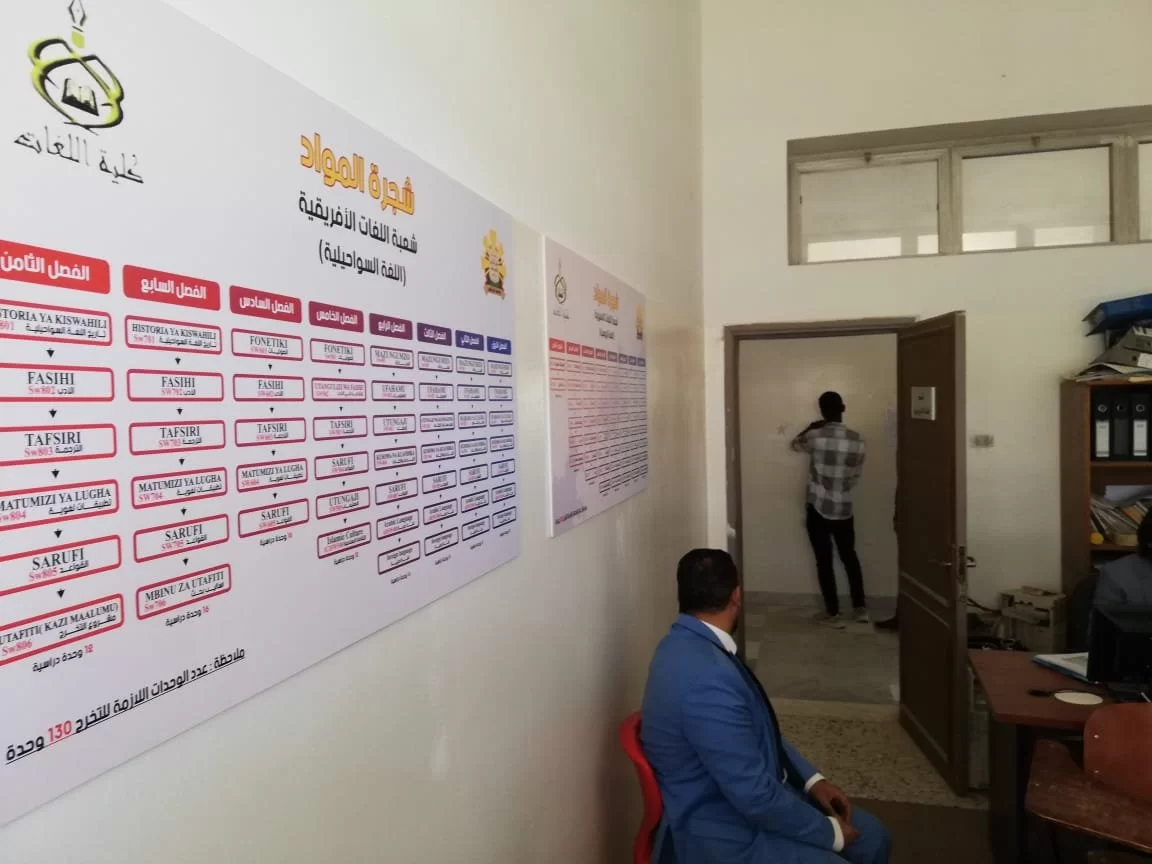
ليسانس لغة سواحيلية
تخصص اللغة السواحيلية

ليسانس لغة سواحيلية...

التفاصيل

من يعمل بـكلية اللغات

يوجد بـكلية اللغات أكثر من 161 عضو هيئة تدريس

staff photo

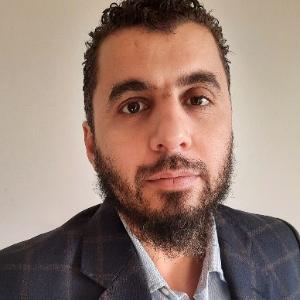
أ. إسماعيل سالم علي الشاوس

إسماعيل الشاوش هو احد اعضاء هيئة التدريس بقسم اللغة الاسبانية بكلية اللغات. يعمل السيد إسماعيل الشاوش بجامعة طرابلس كـمحاضر مساعد منذ 2015-09-04 وله العديد من المنشورات العلمية في مجال تخصصه. متحصل على درجة الماجستير في مجال علم اللغة التطبيقي من جامعة كومبليتينسي بمدريد/ إسبانيا سنة 2002، ومتحصل على صفة ممتحن معتمد من معهد ثيرفانتس الإسباني لإجراء إمتحانات تحديد مستوى اللغة الإسبانية لجميع المستويات. وكلف بالعدبد من الهام الإدارية في مجال تخصصه: 1- 2006-2003: مديرا لإدارة المدرسة الليبية بمدريد/ إسبانيا. 2- 2006-2003: مترجم متعاون مع السفارة الليبية بمدريد/إسبانيا. 3- 2013-2006: موظف إداري ومترجم بشركة اليانز للتأمينات وإعادة التأمينات بمدريد/ إسبانيا. 4- 2015-2013: عضو هيئة تدريس متعاون بقسم اللغة الإسبانية بكلية اللغات/ جامعة طرابلس. وعضة هيئة تدريس قار منذ 04/09/2015. 5- 2015-2014: منسقا للدراسة والإمتحانات بقسم اللغة الإسبانية بكلية اللغات/ جامعة طرابلس. 6- 2016-2015: منسقا للدراسة والإمتحانات بوحدة المواد العامة بكلية اللغات/ جامعة طرابلس. 7- مكلف برئاسة قسم اللغة الإسبانية منذ سنة 2016. 8- منسق عام للمركز الثقافي الإسباني لتعليم اللغات بطرابلس منذ سنة 2017.

منشورات مختارة

بعض المنشورات التي تم نشرها في كلية اللغات

ظاهرة السوابق واللواحق وأثرها في دراسة المقطع الصوتي

شملت المقدمة لمحة عن الإلصاق بوجه عام ، ويندرج هذا تحت جانب الدراسات الصرفية ، ولكن طبيعة البحث فرضت عليه أن يدرج ضمن الدراسات الصرفية الصوتية ، وهو ما يعرف بعلم المورفونولجي (Morphonology) لأنه يدرس دور السوابق واللواحق وأثرها في المقاطع الصوتية من حيث الكم والنوع ومن ثمّ تناولت فيها أهداف البحث ، ودواعي دراسة الموضوع ، والدراسات السابقة التي ساعدت في توسيع مدارك وجوانب البحث ، ثمّ أردفت المقدمة بتمهيد لمفهوم الزيادة والإلحاق باعتبارهما عاملان مساعدان في إثراء مفردات العربية . وولي تلك المقدمة: الفصل الأول : وقد عنوته ب ( الإلصاق وماهية السوابق واللواحق ). الفصل الثاني : ( علاقة السوابق واللواحق بدراسة المقطع ). أمّا المنهجية التي قامت عليها الدراسة فهي كالآتي : المنهج الوصفي المعتمد على التحليل . الموازنة في كل فصل بين الآراء الصرفية والصوتية ، عند علماء اللغة في التراث القديم وعلماء اللغة في العصر الحديث ، ودُعّمت الدراسة ببعض آراء العلماء الغربيين . وقد ذيل البحث بخاتمة رصدت أغلب نتائج البحث، من أهمها : تأصيل مفهوم الإلصاق عند النحاة العرب ، وقد ارتبط مصطلح ( الإلصاق وملحقاته ) بسيبويه ، فهو أول من وضع تصور مفهوم هذا المصطلح فقد استعان بذكر الأمثلة لشرح المراد مع ذكر المصطلح الذي مثل له ، وجاء مَنْ بَعدَه ليحذو حذوه في تصور هذا المفهوم استخدم نحاة العربية كلمة العلامة في مفهوم أضيق من مفهومها العام ، مثل علامة التأنيث والجمع ، إذ يقصد بها الزيادة الصرفية ، ومن هنا جاء التمييز بين لاصقة التصريف ، ولاصقة الاشتقاق . مصطلح اللواصق أعم من مصطلحي ( السوابق اللواحق ) ومع هذا يرى أكثر اللغويين جواز استخدام هذا المصطلح بدلا عنهما ؛ لأن هذه العناصر أجزاء من اللواصق ، وهذا ما كان يسميه النحاة العرب " حروف الزيادة " . لا يتأتى تسمية حروف الزيادة باللواصق ؛ لأنه لكي يطلق عليها لواصق يجب أن تقوم بوظائف نحوية إلى جانب وظيفتها الصرفية البنائية ، وهذا لا يؤثر في معاني حروف الزيادة ، وربّما كان مسوّغهم في ذلك أن اللواصق زائدة على الجذر. علماء الأصوات جاءت تعريفاتهم للمقطع مختلفة تبعا لاختلاف وجهة النظر فمنهم من نظر إليه من الناحية الفسيولوجية، ومنهم من نظر إليه من الناحية الفيزيائية ، ومنهم من كانت نظرته فونولجية ، و الاختلاف بينها لا يكاد يتجاوز الناحية المنهجية في معالجة المقطع وأنها في مجموعها يمكن أن تعطينا التصور التام لهذه الوحدة الصوتية . إن الوظائف البنائية والتصريفية للواصق ، لا تقف عند السوابق أو اللواحق التي تقدم ذكرها ، فهناك أبنية تشترك فيها لاصقتان في بناء كلمة واحدة وتعرف هذه الأبنية ( ذات الثنائية اللصقية) Fliaity Agglutination. هناك سوابق ولواحق تقسم من حيث البنية المقطعية، إلى لواصق تؤثر في شكل المقطع أي في طول المقطع إما بالزيادة أو النقصان ، أو نوع المقطع مثل تحويله من قصير مفتوح إلى قصير مغلق أو متوسط ، وغيرها. هناك لواصق من الناحية الصوتية لا تستطيع أن تشكل بنية مقطعية تامة لأنها مورفيمات مقيدة لا يمكن أن تأتي مستقلة ، مثل ضمائر الخطاب وبالمقابل هناك لواصق تستطيع أن تؤدي بنية مقطعية تامة بمفردها. Abstract We find that the study is based on: Introduction and two chapters with their themes, in each theme there are two topics. The end of the two chapters are concluded with summary of the some important findings.The introduction includes a synopsis about the agglutination, in general. This falls under the morphological studies. But the nature of the research made incumbent upon him to include the same within the vocal morphological studies which are known as morphonology. Whereas it studies the role of the affixes, suffixes and their effect on the vocal syllables as to quantity and quality. Then the researcher treated the objectives of the research, reasons for studying the subject and the past literature which contributed to development of the study perceptions and aspects. Then the introduction is followed by a preamble to the addition and annexation as being two factors contributable to enrichment of the Arabic terms.That introduction is followed by: Chapter One: Entitles (Agglutination and nature of the affixes and suffixes). Chapter Two: (Relation of the affixes and suffixes with syllable studying. While the methodology on which the study is as following: The descriptive method which depends on analysis. Balanceو in each chapterو between the morphonological opinions of the linguists in the old Arab heritage and the linguists in the modern era. The study is supported by some opinions of the Western linguists. In the conclusion the research reached to some comments and findings of which the most important are:- Establishment of the origin of the agglutination concept with Arab grammarians. The term (agglutination and its annexes) was linked with (SIBOWIA) as he was the first who instituted the conception of this term. He made use of examples to explain the intention along with mentioning of the term with represented it. Afterwardsothers followed his example in this conception. The Arab grammarians used the word “mark” in a concept narrow than its general conception such as the feminine form and plural mark which means morphological addition. From here came the distinction between morphological agglutinants and derivation agglutinants. The agglutinants term is more general than (the affixes and suffixes) terms. Although most of the linguists see that this term may be used instead thereof, because these elements are parts of the agglutinants which the Arab grammarians called (the addition letters). It is not attainable to designate the addition letters as agglutinants. Thus, to be called agglutinants they must perform grammatical functions besides theirmorphological structure. Consequently, this does not affect the meanings of the addition letters, perhaps their reason is that, the agglutinants are addition to the rood. The phonologists do not agree on syllable definition, but their definitions are different pursuant to the difference of their viewpoints, some view it in the physiological aspect, other in physical aspect and some of them in the phonological aspect. The difference between them is rarely exceed the methodological aspect in treating the syllable, As a whole they may give us the complete conception of this vocal unit. The structural and morphological functions of the agglutinants do not stop at the aforesaid affixes and suffixes. There are structures in which two agglutinants participate to construct one word. These structures are called (fliaity agglutination). There are affixes and suffixes which are divided , as to the syllabic structure, into agglutinants influencing the syllable form that is to say on the syllable length either by increase or decrease or the syllable type such as transforming it from short opened into short enclosed or medium and the like. As to the vocal aspect there are agglutinants which cannot form a complete syllabic structure because they are restricted morphemes which may not come independent such as speech pronouns. In turn there are agglutinants which can perform alone a
إبتسام علي ساسي (2016)
Publisher's website

Dialects on Screen: Translating Jordanian Dialect into English The Case of Captain Abu Raed Film

This article explores the translation of dialects on-screen within the Jordanian context. Such place of translation is arguably one of the most challenging areas of translation, yet interesting due to its variety. Arab peoples use their dialects to express their opinions on several platforms, including TV media. Audiovisual translation research is growing in investigating subtitling Arabic dialects and languages on screen. Scholars propose a dialect-to-dialect approach or a dialect-to-standard approach. However, in this paper the focus is more on the strategies which inevitably fall within those approaches. The study uses a Jordanian film known as Captain Abu Raed as a source of highlighting and demonstrating translation of dialects within an Arabic context. The initial findings show that some dialectal expressions are taken off or sacrificed by replacing them with neutralized standard language.
Hamza Ethelb(10-2019)
Publisher's website

Problems Encountered in Teaching English as a Foreign Language to Large Classes in Libyan Primary Schools

Abtracts: Large English classes can cause many problems for the teacher and the young learners. It may seem impossible in such classes to organize dynamic and creative teaching and learning sessions. For example, it is impossible for the teacher in such classes to ensure individual participation of the young learners in the process of language practice and language use. Large classes can never be suitable for dealing with the new demands of language teaching. In other words, large classes cannot facilitate accomplishing teaching and learning based on the principles underlying communicative approach adopted in the primary 5 and 6 textbook, which is intended to build up the learner's confidence in going from organizing information to using the different language skills. The study examines the negative effects of the large number of young learners in the classroom. It intends to shed light on problems encountered in teaching English as a foreign language for communication to such classes. Research procedure and techniques to be used to collect data required for this study will be fulfilled by the use of teacher's questionnaire, as well as data drawn from informal interviews with English teachers in some primary schools in Tripoli. The actual teaching environment in primary schools is unsuitable for teaching English as a foreign language to young learners and at the same time, it prevents pupils from learning English properly. This is because most of the classes which have been visited and observed were crowded with large number of pupils. It has been noticed that this situation was problematic and uncomfortable for both the teachers and the pupils. Teaching English as a foreign language for communication to young learners requires small number of pupils in each class for the process to be successful. Young learners need special teachers' care and attention. They need enough time for each learner to practise the language and perform the various activities. Therefore, it has been recommended that large classes must be reduced to normal-size classes.
أسماء محمد أبوصاع (2010)
Publisher's website

المجلات العلمية

بعض المجلات العلمية التي تصدر عن كلية اللغات

وثائق تهمك