قسم الترجمة والتعريب

المزيد ...

حول قسم الترجمة والتعريب

استحدث قسم الترجمة في كلية اللغات / جامعة طرابلس اعتباراً من مطلع العام الجامعي 2008 م، ثم صار جزء من كلية اللغات بعد انبعاثها وولادتها من جديد،  وجاء تأسيس القسم نظرا للحاجة الماسة لتوفير المترجمين المؤهلين في كافة مجالات الترجمة التحريرية والشفوية وخدمة المؤتمرات والندوات ولتشجيع حركة النقل من اللغات الأجنبية إلى العربية وبالعكس، وقد تم تخريج الدفعة الأولى من طلبة القسم في نهاية العام الجامعي 2012م.

وكانت البداية مقتصرة على النقل من الإنجليزية وإليها ويسعى القسم حاليا إلى إدخال اللغة الفرنسية اعتبارا من الفصل الدراسي خريف 2015م، كما يطرح القسم من خلال طلبته،  أنشطة في الترجمة تخدم المؤسسات الوطنية والشركات والسفارات الأجنبية في طرابلس.

ويقوم على التدريس في القسم حاليا اثني عشر عضو من أعضاء هيئة تدريس من خريجي الجامعات البريطانية والأكاديمية الليبية (1) بدرجة أستاذ  و(1) بدرجة أستاذ مشارك و(1)بدرجة أستاذ مساعد(2) بدرجة محاضرو(7) بدرجة مساعد محاضر من المتخصصين في حقل الترجمة. كما يضم القسم عدد (4) أربعة أعضاء بدرجة مساعد محاضر موفدين للدراية ببريطانيا وعدد (19) تسعة عشر معيد سوف يتم إيفادهم لاستكمال الدراسة بالجامعات الغربية المرموقة في تخصصات الترجمة وتكنولوجيا الترجمة وذلك لتلبية حاجة القسم ولتحقيق طموحاته المستقبلية. 

حقائق حول قسم الترجمة والتعريب

نفتخر بما نقدمه للمجتمع والعالم

19

المنشورات العلمية

13

هيئة التدريس

686

الطلبة

0

الخريجون

من يعمل بـقسم الترجمة والتعريب

يوجد بـقسم الترجمة والتعريب أكثر من 13 عضو هيئة تدريس
staff photo

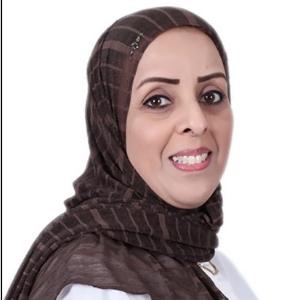
أ. سامية خليفة أحمد عبدالله

سامية المحمودي هي احد اعضاء هيئة التدريس بقسم الترجمة والتعريب بكلية اللغات. تعمل السيدة سامية المحمودي بجامعة طرابلس كـمحاضر مساعد منذ 2012-04-21 ولها العديد من المنشورات العلمية في مجال تخصصها

منشورات مختارة

بعض المنشورات التي تم نشرها في قسم الترجمة والتعريب

Hidden Hands: An Institutional Force in Political News Translation

This article explores translation in news institutions. While being heavily relied on by media organizations, translation is rarely acknowledged. Translation is deeply interwoven with news in that it is used to employ ideological tendencies and political agendas. This study investigates the powerful role of media institution as a force that intervenes in producing news reports. It uses a questionnaire and interviews to see the influence of editors in the translation of news texts. For this purpose, the views of 21 news translators, journalists and news were surveyed to infer the role of institutions in translation. The study looks at this role from different angles including translator training, instructions given to translators, textual alterations, and policies of news institutions. The findings indicate that intervention by the editors and producers on translation is taking place. The interview participants tend to agree with the intervention of the institution. The questionnaire respondents agree with the statement that translators are given instructions to use specific terminology but disagree with a statement that they have to comply with the policies of the institution.
Hamza Ethelb(5-2020)
Publisher's website

The Technique of of Calque in the Translation of Political Discourse

The study deals with the problem of the excessive presence of literally translated expressions (Calques) in Arabic political Media. Although Calque is considered to be a recognized technique in translation, yet it is not a good solution in many cases. After a detailed account of various techniques and procedures presented by pioneering translation theoreticians, with special focus on those who have dealt with the technique of Calaque, the study puts us against the disappointing reality lying behind the political discourse as being a tool of ‘truth manipulation’, and how far this discourse employs certain means to achieve its goals. Based on two separate questionnaires, a number of results and conclusions have been reached. The study concludes that the usage of the Calque techniqueis considered as an inappropriate procedure in some cases, when it will result in some structural and ideologically problematic expressions coming into surface. The study emphasizes, as well, the negative effects of the excessive presence of calques on the target language’s listener /reader, besides the positive ones. On the other hand, it recommends that the translator should resort to other techniques, by which the problematic cases could be avoided. arabic 10 English 58
Thuraya Bashir El-Wifati(12-2004)
Publisher's website

The People or the Police: Who to Blame?

One news event may be represented differently by different news organizations. Research in news representation remains sparse in Arabic. This article investigates some of the linguistic and textual devices used in journalistic texts. It looks at the way these devices are used to influence public opinion. This gives rise to significance of conducting this research. This study uses these devices within the framework of Critical Discourse Analysis (CDA). For the purpose of this study, four news articles produced by Aljazeera and Al-Arabiya were examined under CDA in order to show how journalists structure their news stories to imply an ideological stance. The analysis showed that Aljazeera and Al-Arabiya represented the people and the police differently, each according to their ideological and political leanings. This resulted in the public having different opinions of the event.
Hamza Ethelb(1-2020)
Publisher's website