كلية اللغات

المزيد ...

حول كلية اللغات

في العام الدراسي 1987/1986م تأسست كلية اللغات تحت اسم مركز اللغات، في سنة 1988م صدر قرار اللجنة الشعبية العامة (سابقا) رقم 245 لسنة 1988م بتسمية المركز بإسم كلية اللغات، في العام 2002م أدمجت كلية اللغات وكلية العلوم الاجتماعية والتطبيقية وكلية التربية تحت مسمى "كلية الآداب".


في بداية فصل الخريف من العام الجامعي 2009/2008م أعيد نشاط كلية اللغات الأكاديمي في جميع مراحله عملاً بقرار اللجنة الشعبية العامة (سابقاً) رقم 535 لعام 2007م بشأن إعادة تنظيم الجامعات والمعاهد العليا، ومن ثم تم فصل أقسام اللغات جميعها "طلاباً وأساتذة" والتي كانت مندمجة في كلية الآداب.


كلية اللغات في عصرها الثاني تضم ستة أقسام هي:


اللغة العربية.

اللغة الإنجليزية.

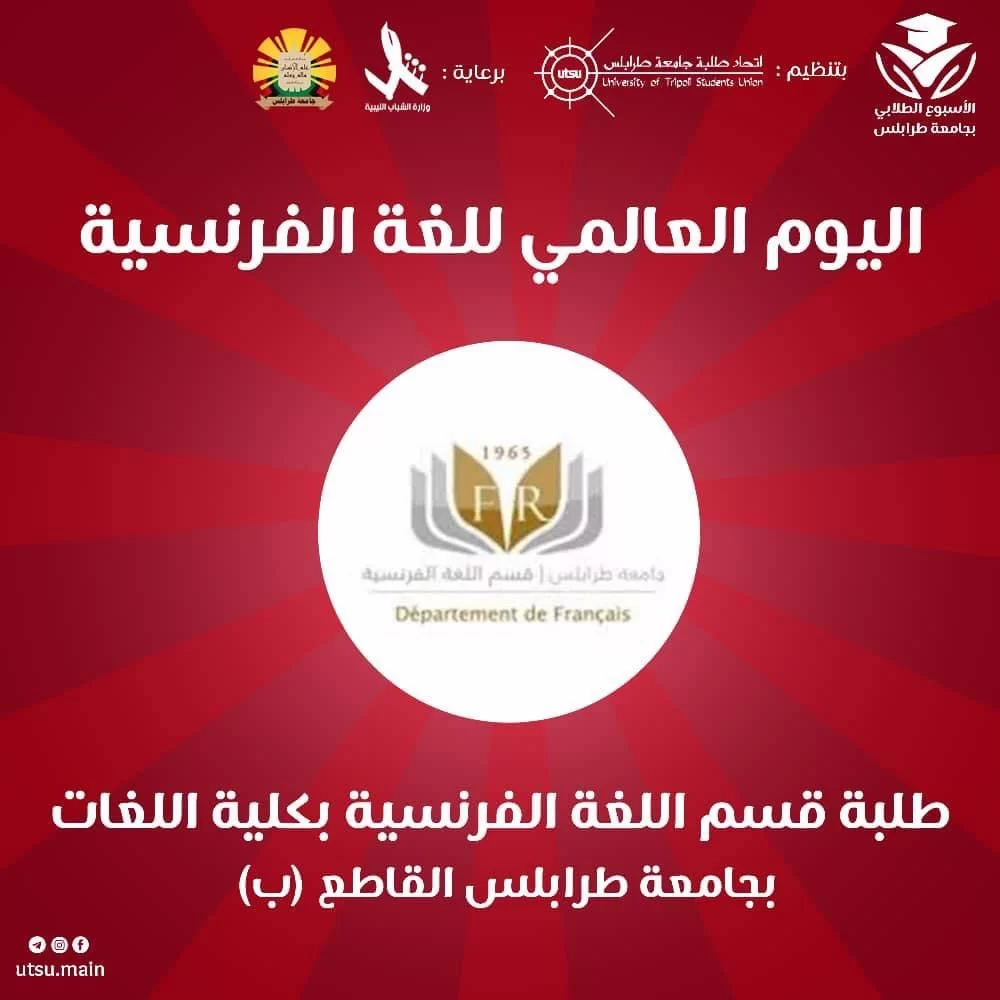
اللغة الفرنسية.

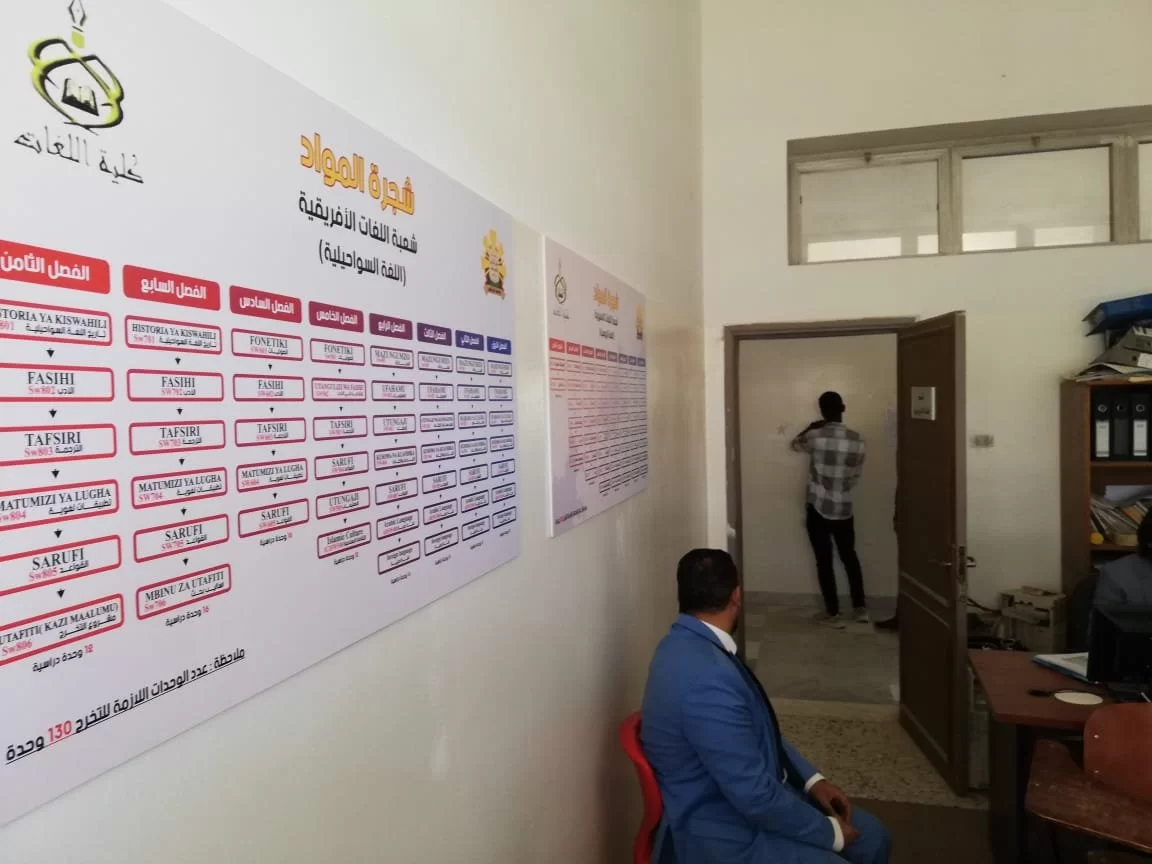
اللغات الأفريقية.

اللغة الإسبانية.

اللغة الايطالية.

قسم الترجمة

حقائق حول كلية اللغات

نفتخر بما نقدمه للمجتمع والعالم

82

المنشورات العلمية

161

هيئة التدريس

5048

الطلبة

48

الخريجون

المزيد من الأخبار

البرامج الدراسية

ليسانس لغة فرنسية
تخصص اللغة الفرنسية

يهدف البرنامج الي تأهيل مختصين في اللغة الفرنسية وذلك عن طريق مسيرة دراسية تمتد علي...

التفاصيل
ماجستير لغة فرنسية
تخصص اللغة الفرنسية

...

التفاصيل
ليسانس لغة سواحيلية
تخصص اللغة السواحيلية

ليسانس لغة سواحيلية...

التفاصيل

من يعمل بـكلية اللغات

يوجد بـكلية اللغات أكثر من 161 عضو هيئة تدريس

staff photo

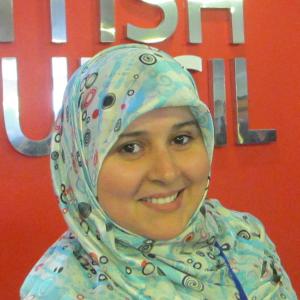
أ. نجاح عبدالسلام محمد الجديدي

نجاح الجديدي هي احد اعضاء هيئة التدريس بقسم اللغة الانجليزية بكلية اللغات. تعمل السيدة نجاح الجديدي بجامعة طرابلس كـمحاضر مساعد منذ 2015-03-28 ولها العديد من المنشورات العلمية في مجال تخصصها

منشورات مختارة

بعض المنشورات التي تم نشرها في كلية اللغات

تدريس اللغة الفرنسية للماطقين بالعربية : بعض الآراء حول ظاهرة التداخل اللغوي

تلعب طبيعة العلاقة بين اللغة الأم للمتعلم و اللغة الأجنبية المراد تعلمها دورا مهما في العملية التعليمية و ذلك من خلال عمليتي التداخل الإيجابي و التداخل السلبي. تحدث عملية التداخل الإيجابي عندما تكون اللغة الأجنبية و اللغة الأم للمتعلم من الأسرة اللغوية نفسها بينما يظهر التداخل السلبي عندما تكون هاتان اللغتان من أسرتين لغويتين مختلفتين. و يمكن للغة الأم أن تيسر عملية تعلم اللغة الأجنبية كما يمكن أن تشكل مصدر صعوبات لهذه العملية, اهتم الكاتب ، في هذا العمل ، بدراسة مجموعة من الجمل كتبها تلاميذ ناطقون باللغة العربية. إننا ، إذن ، أمام مثال للتداخل السلبي باعتبار أن العربية تنتمي إلى اللغات السامية بينما تنتمي الفرنسية إلى اللغات اللاتينية. arabic 142 English 0
الناصر عبد الحميد محمد يونس(1-2005)
Publisher's website

Pym’s ‘Translation Archaeology & Application; his Intercultural Model (EN)

While approaches related to Descriptive Translation Studies are mainly designed to analyze translated work (the product), Anthony Pym’s approach to Translation archeology, humanization and the intercultural model tends to produce much more focus on translators (the producers) and the context in which those translators worked within or what Pym calls ‘intercultural space’, a concept used to denote to a cross-cultural/ multicultural social space. This paper is to reflect this intercultural model over Al-Andalus, the Arabic name for the Islamic Iberian Peninsula, where the Arabs settled for four centuries bringing with them their own social, political and cultural framework study and where the Arab Islamic culture had flourished. Based on this model, the research is to spot light on the ‘human translator’, address questions such as why such translations were produced in this particular place and time ‘the social causation’, the nature of the relationship of those translators to their patrons and clients their ‘social entourage’ (Pym1998) and to spot light on the social roles played by translators in mediating between cultures and the transmission of Arabic knowledge/science to Europe during the Medieval ages. I believe that putting focus on Pym’s archeology of translation would provide guidance for two types of translation historians: researchers who are interested in intercultural and interdisciplinary collaboration and those who study regional histories that have received little attention by scholars of translation, besides providing us with answers to what translation can tell us about a given historical context. On the other hand, the analysis of this period in specific would help bring this important era of translation history out from the shadows and give it the visibility that it deserves. arabic 19 English 60
Thuraya Bashir El-Wifati(12-2017)
Publisher's website

SEMANTIC/SYNTACTIC DISHARMONY & IMPLICATIONS ON QUALITY OF TRANSLATING MEDICAL TEXTS

This paper aims at identifying aspects of disharmony between semantic and syntactic features that result in meaningless medical translated sentences. A special focus is given to Chomsky’s Transformational Generative Theory (T.G. Grammar) that extrapolates the correlation between deep structure (which determines the semantic features of a sentence) and the surface structure (which determines the syntactic structure of a sentence), putting in consideration the importance of achieving harmony between meaning and structure to produce meaningful and accurate translation of the source text (ST) resulting in an acceptable final product (target Text). The investigation of this study also relies on the concept of ‘Selectional Restrictions’ which suggests that certain sets of verbs stand with agreement with certain sets of subjects/objects that subsequently lead to the production of semantically acceptable sentences. Accordingly, it is imperative to touch upon aspects related to the Componential Analysis Theory where the meaning of a word is expressed with the assistance of (+) and (-) markers. I consider this study to be unique and innovative as it applies such prominent semantic theories, for the first time, with the craft of translation, offering real concrete examples extracted from practical translation tasks performed by students of Translation Dept., Faculty of Languages- University of Tripoli. Worth mentioning, that a piece of a translation is proved to be correct when semantic/syntactic harmony is achieved and where the message of the source text (ST) is being effectively communicated in the target text (TT). On the contrary, any disharmony between deep/surface structures found would seriously undermine the quality and correctness of a translation product. Key Words: Source Text (ST) - Target Text (TT) – Deep Structure – Surface structure - Selectional restrictions arabic 11 English 73
ثريا البشير محمد الويفاتي(12-2020)
Publisher's website

المجلات العلمية

بعض المجلات العلمية التي تصدر عن كلية اللغات

وثائق تهمك