كلية اللغات

المزيد ...

حول كلية اللغات

في العام الدراسي 1987/1986م تأسست كلية اللغات تحت اسم مركز اللغات، في سنة 1988م صدر قرار اللجنة الشعبية العامة (سابقا) رقم 245 لسنة 1988م بتسمية المركز بإسم كلية اللغات، في العام 2002م أدمجت كلية اللغات وكلية العلوم الاجتماعية والتطبيقية وكلية التربية تحت مسمى "كلية الآداب".


في بداية فصل الخريف من العام الجامعي 2009/2008م أعيد نشاط كلية اللغات الأكاديمي في جميع مراحله عملاً بقرار اللجنة الشعبية العامة (سابقاً) رقم 535 لعام 2007م بشأن إعادة تنظيم الجامعات والمعاهد العليا، ومن ثم تم فصل أقسام اللغات جميعها "طلاباً وأساتذة" والتي كانت مندمجة في كلية الآداب.


كلية اللغات في عصرها الثاني تضم ستة أقسام هي:


اللغة العربية.

اللغة الإنجليزية.

اللغة الفرنسية.

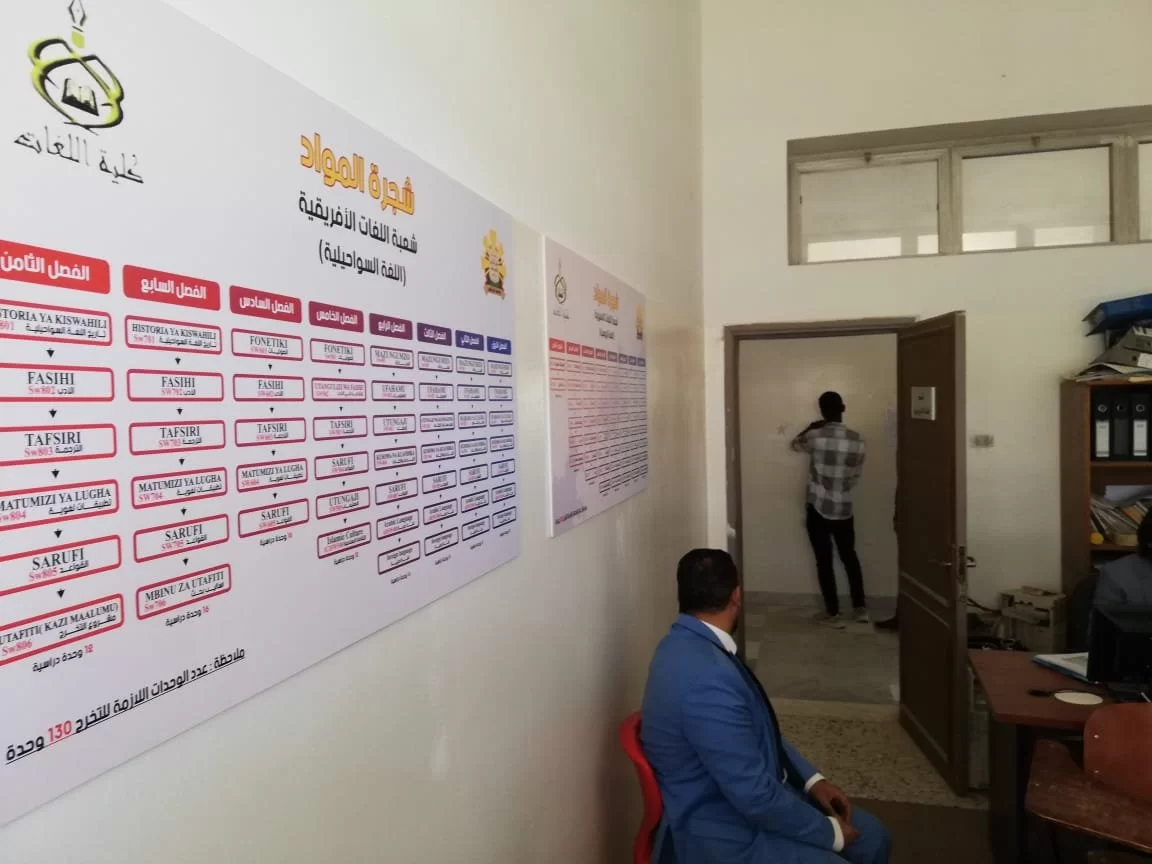
اللغات الأفريقية.

اللغة الإسبانية.

اللغة الايطالية.

قسم الترجمة

حقائق حول كلية اللغات

نفتخر بما نقدمه للمجتمع والعالم

82

المنشورات العلمية

161

هيئة التدريس

5048

الطلبة

48

الخريجون

المزيد من الأخبار

البرامج الدراسية

ليسانس لغة فرنسية
تخصص اللغة الفرنسية

يهدف البرنامج الي تأهيل مختصين في اللغة الفرنسية وذلك عن طريق مسيرة دراسية تمتد علي...

التفاصيل
ماجستير لغة فرنسية
تخصص اللغة الفرنسية

...

التفاصيل
ليسانس لغة سواحيلية
تخصص اللغة السواحيلية

ليسانس لغة سواحيلية...

التفاصيل

من يعمل بـكلية اللغات

يوجد بـكلية اللغات أكثر من 161 عضو هيئة تدريس
staff photo

أ. سارة علي صالح الفرجاني

سارة الفرجاني هي احد اعضاء هيئة التدريس بقسم اللغة الانجليزية بكلية اللغات. تعمل السيدة سارة الفرجاني بجامعة طرابلس كـمحاضر مساعد منذ 2014-01-16 ولها العديد من المنشورات العلمية في مجال تخصصها

منشورات مختارة

بعض المنشورات التي تم نشرها في كلية اللغات

Problems Encountered in Teaching English as a Foreign Language to Large Classes in Libyan Primary Schools

Abtracts: Large English classes can cause many problems for the teacher and the young learners. It may seem impossible in such classes to organize dynamic and creative teaching and learning sessions. For example, it is impossible for the teacher in such classes to ensure individual participation of the young learners in the process of language practice and language use. Large classes can never be suitable for dealing with the new demands of language teaching. In other words, large classes cannot facilitate accomplishing teaching and learning based on the principles underlying communicative approach adopted in the primary 5 and 6 textbook, which is intended to build up the learner's confidence in going from organizing information to using the different language skills. The study examines the negative effects of the large number of young learners in the classroom. It intends to shed light on problems encountered in teaching English as a foreign language for communication to such classes. Research procedure and techniques to be used to collect data required for this study will be fulfilled by the use of teacher's questionnaire, as well as data drawn from informal interviews with English teachers in some primary schools in Tripoli. The actual teaching environment in primary schools is unsuitable for teaching English as a foreign language to young learners and at the same time, it prevents pupils from learning English properly. This is because most of the classes which have been visited and observed were crowded with large number of pupils. It has been noticed that this situation was problematic and uncomfortable for both the teachers and the pupils. Teaching English as a foreign language for communication to young learners requires small number of pupils in each class for the process to be successful. Young learners need special teachers' care and attention. They need enough time for each learner to practise the language and perform the various activities. Therefore, it has been recommended that large classes must be reduced to normal-size classes.
أسماء محمد أبوصاع (2010)
Publisher's website

L'enseignement du français aux arabophones : quelques pistes pour la correction phonétique

A travers le présent travail, nous essayons de répondre à une question que nous trouvons très importante lors de l’enseignement d’une langue étrangère. Elle peut être présentée comme suit : « Comment aider un apprenant à produire un son appartenant à une langue étrangère d’une manière, nous ne disons pas correcte, mais acceptable. Nous utilisons dans cette question le mot « aider » et non pas « enseigner » parce qu’il s’agit ici de la production de l’apprenant, celui qui doit commettre un effort pour améliorer sa prononciation. La tâche de l’enseignant consiste donc à l’aider à atteindre cette fin. arabic 17 English 75
Nasser Abdulhamid Younes(1-2007)
Publisher's website

The Technique of of Calque in the Translation of Political Discourse

The study deals with the problem of the excessive presence of literally translated expressions (Calques) in Arabic political Media. Although Calque is considered to be a recognized technique in translation, yet it is not a good solution in many cases. After a detailed account of various techniques and procedures presented by pioneering translation theoreticians, with special focus on those who have dealt with the technique of Calaque, the study puts us against the disappointing reality lying behind the political discourse as being a tool of ‘truth manipulation’, and how far this discourse employs certain means to achieve its goals. Based on two separate questionnaires, a number of results and conclusions have been reached. The study concludes that the usage of the Calque techniqueis considered as an inappropriate procedure in some cases, when it will result in some structural and ideologically problematic expressions coming into surface. The study emphasizes, as well, the negative effects of the excessive presence of calques on the target language’s listener /reader, besides the positive ones. On the other hand, it recommends that the translator should resort to other techniques, by which the problematic cases could be avoided. arabic 10 English 58
Thuraya Bashir El-Wifati(12-2004)
Publisher's website

المجلات العلمية

بعض المجلات العلمية التي تصدر عن كلية اللغات

وثائق تهمك