كلية اللغات

المزيد ...

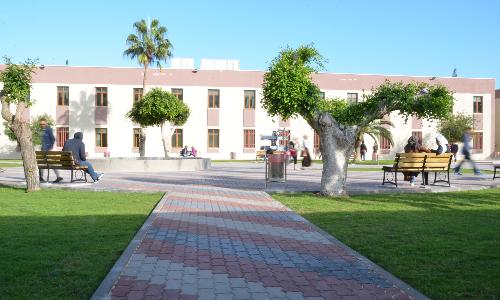
حول كلية اللغات

في العام الدراسي 1987/1986م تأسست كلية اللغات تحت اسم مركز اللغات، في سنة 1988م صدر قرار اللجنة الشعبية العامة (سابقا) رقم 245 لسنة 1988م بتسمية المركز بإسم كلية اللغات، في العام 2002م أدمجت كلية اللغات وكلية العلوم الاجتماعية والتطبيقية وكلية التربية تحت مسمى "كلية الآداب".


في بداية فصل الخريف من العام الجامعي 2009/2008م أعيد نشاط كلية اللغات الأكاديمي في جميع مراحله عملاً بقرار اللجنة الشعبية العامة (سابقاً) رقم 535 لعام 2007م بشأن إعادة تنظيم الجامعات والمعاهد العليا، ومن ثم تم فصل أقسام اللغات جميعها "طلاباً وأساتذة" والتي كانت مندمجة في كلية الآداب.


كلية اللغات في عصرها الثاني تضم ستة أقسام هي:


اللغة العربية.

اللغة الإنجليزية.

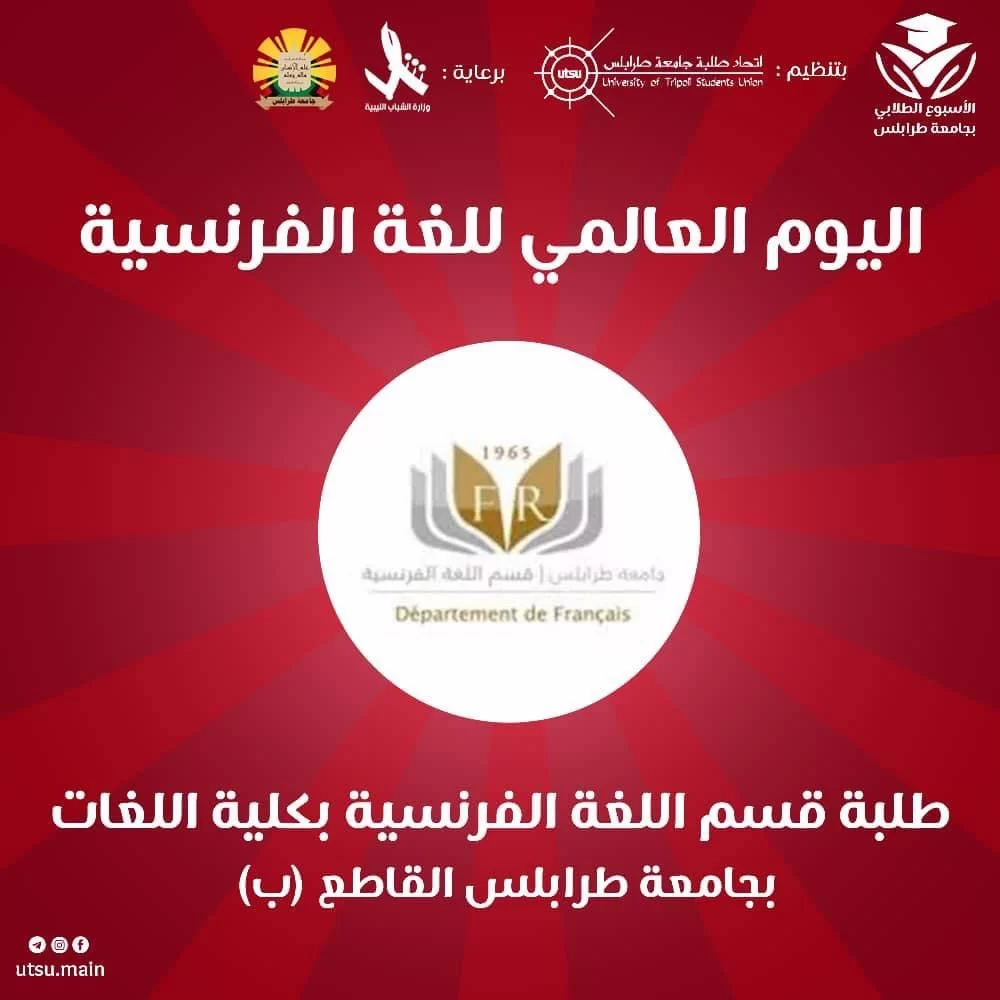
اللغة الفرنسية.

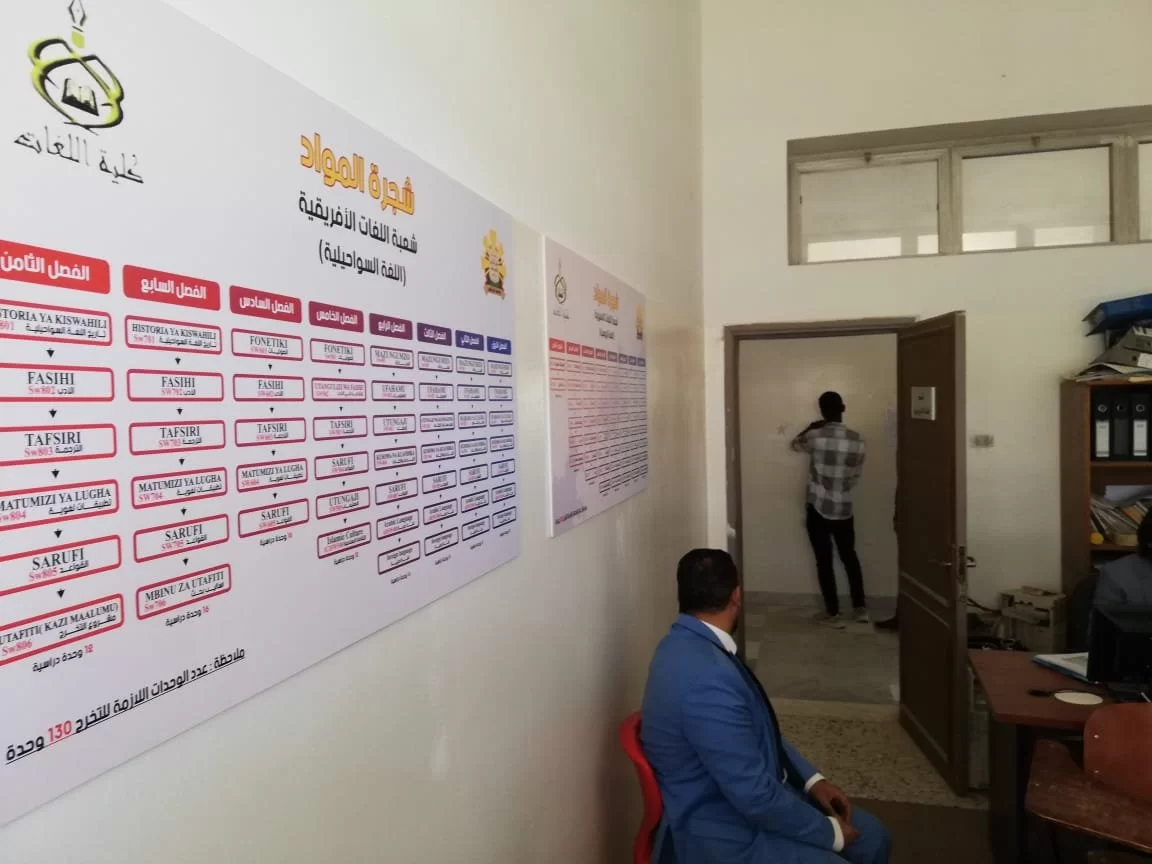
اللغات الأفريقية.

اللغة الإسبانية.

اللغة الايطالية.

قسم الترجمة

حقائق حول كلية اللغات

نفتخر بما نقدمه للمجتمع والعالم

82

المنشورات العلمية

161

هيئة التدريس

5048

الطلبة

48

الخريجون

المزيد من الأخبار

البرامج الدراسية

ليسانس لغة فرنسية
تخصص اللغة الفرنسية

يهدف البرنامج الي تأهيل مختصين في اللغة الفرنسية وذلك عن طريق مسيرة دراسية تمتد علي...

التفاصيل
ماجستير لغة فرنسية
تخصص اللغة الفرنسية

...

التفاصيل
ليسانس لغة سواحيلية
تخصص اللغة السواحيلية

ليسانس لغة سواحيلية...

التفاصيل

من يعمل بـكلية اللغات

يوجد بـكلية اللغات أكثر من 161 عضو هيئة تدريس

staff photo

أ.د. خليفة أبوبكر خليفة الأسود

خليفة الأسود هو احد اعضاء هيئة التدريس بقسم الترجمة والتعريب بكلية اللغات. يعمل السيد خليفة الأسود بجامعة طرابلس كـأستاذ منذ 2017-09-07 وله العديد من المنشورات العلمية في مجال تخصصه

منشورات مختارة

بعض المنشورات التي تم نشرها في كلية اللغات

آليات تحليل الخطاب الإعلامي للصحف الليبية دراسة تحليلية لصحيفتي الصباح وليبيا الإخبارية

تقدم هذه الدراسة نماذج تطبيقيـة لآليـات تحليـل الخطـاب الإعلامـي للصـحف الليبيـة. منطلقـة مـن السؤال عن الأدوات المستخدمة في كتابة النصوص الإعلامية الإخبارية، وكيفية استخدامها؟ وللإجابة على هذا السؤال؛ تستعرض الدراسة الأدوات اللغويـة المسـتخدمة في الأخبـار التـي تتنـاول الأحـداث الليبيـة السياسية الجارية، وذلك بالتطبيق على كافة المواد التحريرية الأخبارية التي نشرتها أعداد مختلفـة مـن صحيفتي الصباح وليبيا الأخبارية الليبية خـلال الفـترة مـن أول أبريـل وحتـى سـبتمبر 2019، والبـالغ عددها 24 عدداً، بمعدل عددين من كل شهر. وتجادل الدراسة بأن صحيفتي العينة استخدمتا العديد من الأدوات اللغويـة التـي تـأتي تحـت مسـمى التحليـل النقـدي للخطـاب، مثــل التعتـيم (Concealment (والـتملص (Evading (وطريقـة تقـديم الشخصيات الفاعلة في المجتمع (Actors Social of Representation ،(وغهـا مـن الأدوات الأخـرى، أثناء تغطيتها لهذه الأحداث بصياغات وأهداف ومرسات اجتعية وعوامل سياسية وسياقية مختلفـة مصاحبة للنص الإخباري، التي من شأنها أن توجه رأي القارئ نحو قضايا ما، بما يتوافق مع النهج الكتابي الممارس من قبل هيئة تحرير الصحيفت. وتناولت هذه الدراسة أيضاً أهمية استخدام تحليل الخطاب عامة والتحليل النقدي للخطاب على وجـه الخصـوص في مجـال الدراسـات الإعلاميـة، مـن منظـور اللغـة واسـتخداماتها، وبالسـياقات الاجتعيـة والثقافية والسياسية المحيطة بالخطاب الإعلامي، موضحة كذلك الإ شكاليات التي تواجـه هـذا الأسـلوب بسبب غموض مفهومه وتداخل طبيعته مع العلوم الأخرى مثل السياسة والاجتماع.
حمزة امحمد الثلب, خالد أبوالقاسم غلام(6-2019)
Publisher's website

Using Short Stories in Teaching English to Libyan learners

Abctract: The aim of this study is to investigate and demonstrate the role of using short stories in teaching English to adult Libyan learners, and to outline the results of integrating this genre of literature on the learners' four language skills. This study traces back the use of literature in general, and short stories in specific on teaching English as EFL and ESL. Moreover, it illustrates the benefits and drawbacks of using stories as supplementary materials in teaching. Also, it suggests various activities to be used in the language classroom to enhance the learners' receptive and productive skills. Furthermore, it discusses the results of using short stories in teaching English to Libyan learners and how did they respond to different literary texts. On the basis of the results of this research, the researcher hopes to show all English teachers in Libya the importance of making use of short stories in teaching, as it results in the enhancement of the learners' language skills and makes the learning and teaching processes more collaborative and enriching not just in language, but also in terms of motivating the learner, broadening his insights, and improving his critical thinking, learning autonomy and creativity. The methodology followed was based on the researcher's personal observation in teaching two experimental classes with two different levels using short stories as supplementary materials. In opposition to teaching other classes with the same language levels but without using 3 any short stories in the teaching process. The results noticed from the learners' home works, language competence and classroom activities showed that the two experimental classes' language abilities enhanced noticeably far more than the other classes.
فاطمة محمد دلة (2015)
Publisher's website

Problems Encountered in Teaching English as a Foreign Language to Large Classes in Libyan Primary Schools

Abtracts: Large English classes can cause many problems for the teacher and the young learners. It may seem impossible in such classes to organize dynamic and creative teaching and learning sessions. For example, it is impossible for the teacher in such classes to ensure individual participation of the young learners in the process of language practice and language use. Large classes can never be suitable for dealing with the new demands of language teaching. In other words, large classes cannot facilitate accomplishing teaching and learning based on the principles underlying communicative approach adopted in the primary 5 and 6 textbook, which is intended to build up the learner's confidence in going from organizing information to using the different language skills. The study examines the negative effects of the large number of young learners in the classroom. It intends to shed light on problems encountered in teaching English as a foreign language for communication to such classes. Research procedure and techniques to be used to collect data required for this study will be fulfilled by the use of teacher's questionnaire, as well as data drawn from informal interviews with English teachers in some primary schools in Tripoli. The actual teaching environment in primary schools is unsuitable for teaching English as a foreign language to young learners and at the same time, it prevents pupils from learning English properly. This is because most of the classes which have been visited and observed were crowded with large number of pupils. It has been noticed that this situation was problematic and uncomfortable for both the teachers and the pupils. Teaching English as a foreign language for communication to young learners requires small number of pupils in each class for the process to be successful. Young learners need special teachers' care and attention. They need enough time for each learner to practise the language and perform the various activities. Therefore, it has been recommended that large classes must be reduced to normal-size classes.
أسماء محمد أبوصاع (2010)
Publisher's website

المجلات العلمية

بعض المجلات العلمية التي تصدر عن كلية اللغات

وثائق تهمك