كلية اللغات

المزيد ...

حول كلية اللغات

في العام الدراسي 1987/1986م تأسست كلية اللغات تحت اسم مركز اللغات، في سنة 1988م صدر قرار اللجنة الشعبية العامة (سابقا) رقم 245 لسنة 1988م بتسمية المركز بإسم كلية اللغات، في العام 2002م أدمجت كلية اللغات وكلية العلوم الاجتماعية والتطبيقية وكلية التربية تحت مسمى "كلية الآداب".


في بداية فصل الخريف من العام الجامعي 2009/2008م أعيد نشاط كلية اللغات الأكاديمي في جميع مراحله عملاً بقرار اللجنة الشعبية العامة (سابقاً) رقم 535 لعام 2007م بشأن إعادة تنظيم الجامعات والمعاهد العليا، ومن ثم تم فصل أقسام اللغات جميعها "طلاباً وأساتذة" والتي كانت مندمجة في كلية الآداب.


كلية اللغات في عصرها الثاني تضم ستة أقسام هي:


اللغة العربية.

اللغة الإنجليزية.

اللغة الفرنسية.

اللغات الأفريقية.

اللغة الإسبانية.

اللغة الايطالية.

قسم الترجمة

حقائق حول كلية اللغات

نفتخر بما نقدمه للمجتمع والعالم

82

المنشورات العلمية

161

هيئة التدريس

5048

الطلبة

48

الخريجون

المزيد من الأخبار

البرامج الدراسية

ليسانس لغة فرنسية
تخصص اللغة الفرنسية

يهدف البرنامج الي تأهيل مختصين في اللغة الفرنسية وذلك عن طريق مسيرة دراسية تمتد علي...

التفاصيل
ماجستير لغة فرنسية
تخصص اللغة الفرنسية

...

التفاصيل
ليسانس لغة سواحيلية
تخصص اللغة السواحيلية

ليسانس لغة سواحيلية...

التفاصيل

من يعمل بـكلية اللغات

يوجد بـكلية اللغات أكثر من 161 عضو هيئة تدريس

staff photo

أ. عبدالمنعم مصطفي فرج الشيباني

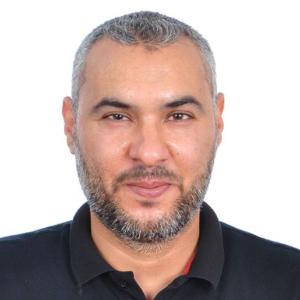
عبدالمنعم الشيباني هو احد اعضاء هيئة التدريس بقسم اللغة الانجليزية بكلية اللغات. يعمل السيد عبدالمنعم الشيباني بجامعة طرابلس كـمحاضر مساعد منذ 2013-04-05 وله العديد من المنشورات العلمية في مجال تخصصه

منشورات مختارة

بعض المنشورات التي تم نشرها في كلية اللغات

" سميائية الوصف في سرد الرحلات العربية والإنجليزية لليبيا "

يتصدى هذا البحث لمقاربة موضوع ينفتح على مجالات و حقول أدبية متعددة ، فهو يرصد أحد مجالات الأدب المقارن " سرد الرحلات " ، و هو أدب مهجن ، ومدوَنة أدبية تشترك في دراستها معظم الحقول المعرفية ، التاريخ ، و الجغرافية ، و الأنثروبولوجيا ، إلخ ، و لم يلق الحظ الوفير من الدراسة النقدية ، التي تهدف إلى استخلاص أدبية هذا النص ، و قد تبيَن من خلال هذه الدراسة ، أن هذا النص يمتلك مكونات بنيوية تستند إلى الأدب السردي ؛ و ما يثبت ذلك هو حضور مكونات النص السردي فيه ، المتمثلة في ( الخطاب ، و القصة) ، و هو ما دعا إلى مقاربة سيميائية الوصف في خطابه – الجانب الثاني من الدراسة - فالوصف من عناصر الخطاب السردي الذي لم يلق حظه من الدراسة النقدية إلا مؤخرا ، و قد أثبت المنهج السيميائي فاعليته الإجرائية في استخلاص الوظائف الفنية و الدلالية التي يقوم بها الخطاب الواصف في النص السردي ، و صنف الوصف عبره على أنه من المكونات السردية المهمة التي تعين الناقد على مقاربة النص ، و تشييد دلالة حوله . والجانب المهم في هذه الدراسة الذي نشئت لغايته، هو إخضاعها في ضمن الأدب المقارن.
ليلى سليمان زيادة (2015)
Publisher's website

L’ambiguïté de la typologie des dialectes arabes étude sociolinguistique et phonétique

Selon les études menées par les sociolinguistes et les dialectologues sur les dialectes arabes ; le terme de « parler arabe » désigne principalement et généralement les dialectes arabes parlés aujourd'hui dans le monde arabe. Certains auteurs comme Versteegh (2001) et Malherbe, (2010) et Salam (2012) et Embarki (2008), les parlers varient principalement selon certains critères de zones géographiques qu'ils recouvrent, et dans ce sens, plusieurs dialectologues ont pu se baser sur ce critère pour les classer. Dans Même sens, d'autres études proposent une classification sociolinguistique de ces parlers. Pour distinguer un parler d'un autre, plusieurs facteurs ont été pris en considération tels que les traits phonético-phonologiques, morphologiques et lexicaux. (Emabrki 2008). En ce qui nous concerne, nous essaierons de nous pencher sur les deux classifications proposés par les dialectologues et sociophonéticiens.
Fathi Salam Terfas(6-2018)
Publisher's website

The Role of Using Vocabulary Learning Strategies in Vocabulary Learning And the Learnersꞌ Attitudes Towards Them

Abstract Biocides (disinfectants and antiseptics) are used extensively in hospitals and other health care settings for a variety of applications. However, their antibacterial effectiveness is not always well stated by the manufacturers and consumers find it difficult to choose the right product according to their needs. Therefore, the aim of this study was to evaluate practically achieves disinfection efficacy of locally available disinfectants and antiseptics on surfaces and infectious microbiological utilities of Tripoli Medical Center (TMC). Fourteen biocides; Ten disinfectants (Dex36, Dex50, Dex53, Mzid-S, Mzid-AF, Deson, Dettol, Seem, Chlor and Wipol) and four antiseptics (HiBi, Esept, Emed and Desman) were tested at concentrations recommended by manufacturers on surfaces, walls and different utilities that were contaminated by locally circulating six isolates of Bacillus cereus, Staphylococcus haemolyticus, staphylococcus aureus, Klebscilla pneumonia, Acinetobacter baumannii, and Pseudomonas aeruginosa using four standard evaluation test procedures (capacity test, diffusion test, in-use test and suspension test). Results showed the highest average log reduction (7.4) of test bacteria was given by quaternary ammonium based disinfectants; Dex50, Dex53, Deson-AF and Mzid-S. A comparable average log reduction of test bacteria was noted (7.0, 7.2 and 7.3) for Deson-AF, Dex.50 and Dex.53 respectively. In contrast HiBi as an alcoholic based antiseptic gave the highest average log reduction (7.2) against tested bacteria. Desman, Emed and Wipol antiseptics had poor antibacterial activity on tested bacteria causing almost undetectable log reduction in cell viability. From contamination point of view, five critical departments in Tripoli Medical Centre (TMC) namely; Neonatal Intensive Care Unit (ICU), Surgical ICU, Dermatology, Oncology, and Urology departments were found contaminated with six types of bacteria. Bacillus cereuses followed by Klebscilla pneumonia were the most bacteria spread in whole five mentioned departments, particularly in dermatology department. Staphylococcus haemolyticus was next most widespread bacterium and almost isolated equally from the five medical departments. Acinetobacter baumannii had been isolated from Neonatal ICU; whereas Staphylococcus aureus and Pseudomonas aeruginosa had been isolated from Oncology Department and Surgical ICU respectively. In addition, Dex36, Chlor, Chlor, Wipol, Desman and E-med exhibited bacterial contamination in both capacity and in-use tests. In conclusions, quaternary ammonium compounds (QACs) and combination of QACs with aldehyde formulations were found to be the best disinfectants for disinfection of contaminated surfaces.
عتيقة صالح الهادي (2016)
Publisher's website

المجلات العلمية

بعض المجلات العلمية التي تصدر عن كلية اللغات

وثائق تهمك