كلية اللغات

المزيد ...

حول كلية اللغات

في العام الدراسي 1987/1986م تأسست كلية اللغات تحت اسم مركز اللغات، في سنة 1988م صدر قرار اللجنة الشعبية العامة (سابقا) رقم 245 لسنة 1988م بتسمية المركز بإسم كلية اللغات، في العام 2002م أدمجت كلية اللغات وكلية العلوم الاجتماعية والتطبيقية وكلية التربية تحت مسمى "كلية الآداب".


في بداية فصل الخريف من العام الجامعي 2009/2008م أعيد نشاط كلية اللغات الأكاديمي في جميع مراحله عملاً بقرار اللجنة الشعبية العامة (سابقاً) رقم 535 لعام 2007م بشأن إعادة تنظيم الجامعات والمعاهد العليا، ومن ثم تم فصل أقسام اللغات جميعها "طلاباً وأساتذة" والتي كانت مندمجة في كلية الآداب.


كلية اللغات في عصرها الثاني تضم ستة أقسام هي:


اللغة العربية.

اللغة الإنجليزية.

اللغة الفرنسية.

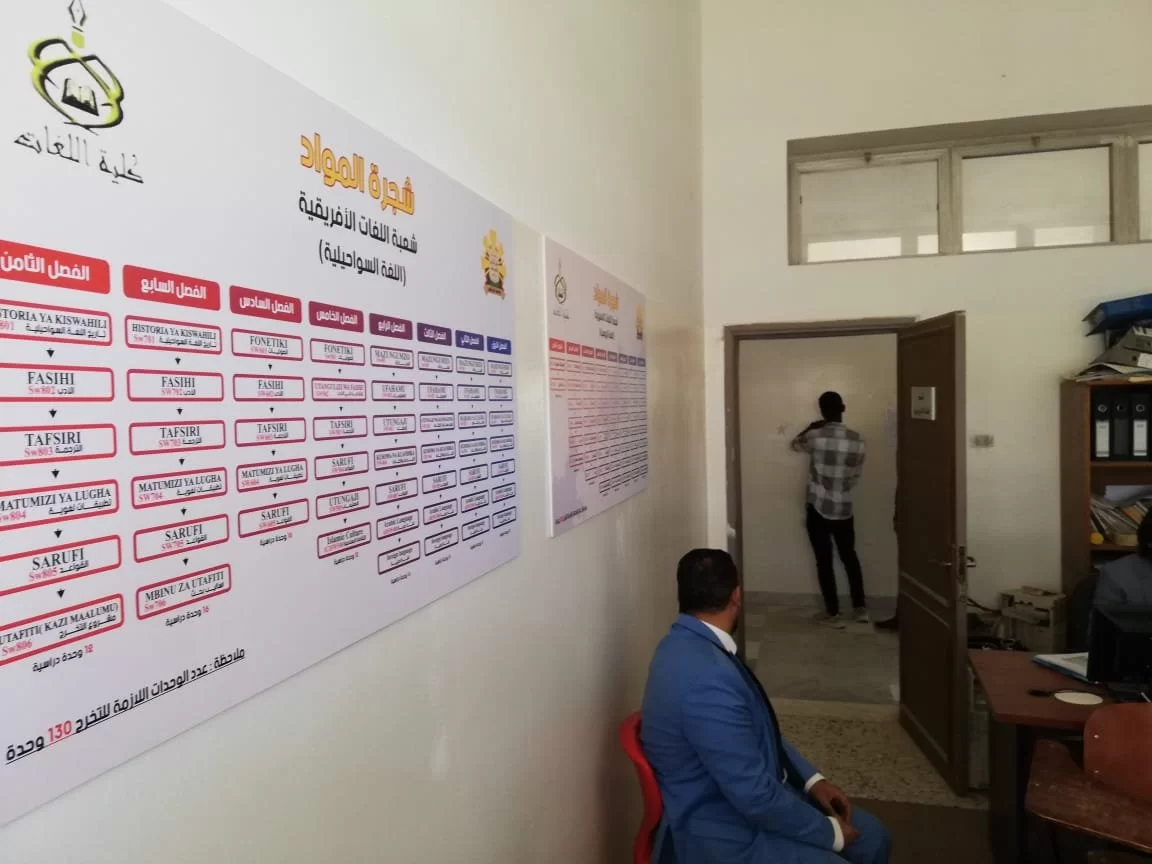
اللغات الأفريقية.

اللغة الإسبانية.

اللغة الايطالية.

قسم الترجمة

حقائق حول كلية اللغات

نفتخر بما نقدمه للمجتمع والعالم

82

المنشورات العلمية

161

هيئة التدريس

5048

الطلبة

48

الخريجون

المزيد من الأخبار

البرامج الدراسية

ليسانس لغة فرنسية
تخصص اللغة الفرنسية

يهدف البرنامج الي تأهيل مختصين في اللغة الفرنسية وذلك عن طريق مسيرة دراسية تمتد علي...

التفاصيل
ماجستير لغة فرنسية
تخصص اللغة الفرنسية

...

التفاصيل
ليسانس لغة سواحيلية
تخصص اللغة السواحيلية

ليسانس لغة سواحيلية...

التفاصيل

من يعمل بـكلية اللغات

يوجد بـكلية اللغات أكثر من 161 عضو هيئة تدريس

staff photo

أ. أماني محمد خليفة بلاعو

أماني بلاعو هي احد اعضاء هيئة التدريس بقسم اللغة الانجليزية بكلية اللغات. تعمل السيدة أماني بلاعو بجامعة طرابلس كـمحاضر مساعد منذ ولها العديد من المنشورات العلمية في مجال تخصصها

منشورات مختارة

بعض المنشورات التي تم نشرها في كلية اللغات

Les langues d'origines et langues héritées en contexte libyen : approche historico-sociolinguistique

Toutes les ressources historico-sociolinguistique offrent un riche descriptif de l'héritage linguistique en Libye à travers de nombreux facteurs : historique, archéologique, économique, social. Mais, sur le plan de la linguistique, peu d'études se sont penchées sur la Libye. Dans la présente étude, nous essayerons d'étudier à travers de facteurs historicosociolinguistique les langues d'hier et aujourd'hui. arabic 18 English 84
FATHI SALEM ALI TERFAS(1-2020)
Publisher's website

L’application du Cadre européen commun de référence se limite-t-elle aux pays européens ?

Dans cette communication, nous avons essayé de donner quelques éléments de réponse à une question que nous trouvons légitime de nous poser et qui consiste à nous demander si le " Cadre européen commun de référence " est adressé au professionnel de l’enseignement exerçant seulement dans les pays européens. Nous nous sommes basé, en abordant ce sujet, sur le contenu de ce document qui est actuellement considéré comme la référence principale et unique pour l'élaboration des méthodes d'enseignement des langues étrangères. Ce document a été traduit dans plusieurs langues y compris la langue arabe. arabic 28 English 69
Nasser Abdulhamid Younes(9-2014)
Publisher's website

Using Short Stories in Teaching English to Libyan learners

Abctract: The aim of this study is to investigate and demonstrate the role of using short stories in teaching English to adult Libyan learners, and to outline the results of integrating this genre of literature on the learners' four language skills. This study traces back the use of literature in general, and short stories in specific on teaching English as EFL and ESL. Moreover, it illustrates the benefits and drawbacks of using stories as supplementary materials in teaching. Also, it suggests various activities to be used in the language classroom to enhance the learners' receptive and productive skills. Furthermore, it discusses the results of using short stories in teaching English to Libyan learners and how did they respond to different literary texts. On the basis of the results of this research, the researcher hopes to show all English teachers in Libya the importance of making use of short stories in teaching, as it results in the enhancement of the learners' language skills and makes the learning and teaching processes more collaborative and enriching not just in language, but also in terms of motivating the learner, broadening his insights, and improving his critical thinking, learning autonomy and creativity. The methodology followed was based on the researcher's personal observation in teaching two experimental classes with two different levels using short stories as supplementary materials. In opposition to teaching other classes with the same language levels but without using 3 any short stories in the teaching process. The results noticed from the learners' home works, language competence and classroom activities showed that the two experimental classes' language abilities enhanced noticeably far more than the other classes.
فاطمة محمد دلة (2015)
Publisher's website

المجلات العلمية

بعض المجلات العلمية التي تصدر عن كلية اللغات

وثائق تهمك