كلية اللغات

المزيد ...

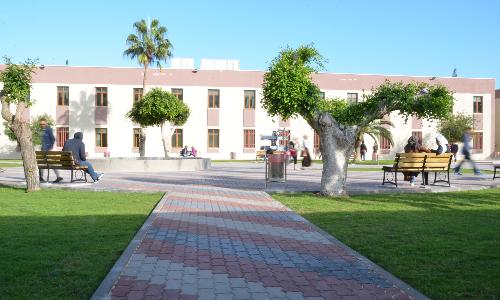
حول كلية اللغات

في العام الدراسي 1987/1986م تأسست كلية اللغات تحت اسم مركز اللغات، في سنة 1988م صدر قرار اللجنة الشعبية العامة (سابقا) رقم 245 لسنة 1988م بتسمية المركز بإسم كلية اللغات، في العام 2002م أدمجت كلية اللغات وكلية العلوم الاجتماعية والتطبيقية وكلية التربية تحت مسمى "كلية الآداب".


في بداية فصل الخريف من العام الجامعي 2009/2008م أعيد نشاط كلية اللغات الأكاديمي في جميع مراحله عملاً بقرار اللجنة الشعبية العامة (سابقاً) رقم 535 لعام 2007م بشأن إعادة تنظيم الجامعات والمعاهد العليا، ومن ثم تم فصل أقسام اللغات جميعها "طلاباً وأساتذة" والتي كانت مندمجة في كلية الآداب.


كلية اللغات في عصرها الثاني تضم ستة أقسام هي:


اللغة العربية.

اللغة الإنجليزية.

اللغة الفرنسية.

اللغات الأفريقية.

اللغة الإسبانية.

اللغة الايطالية.

قسم الترجمة

حقائق حول كلية اللغات

نفتخر بما نقدمه للمجتمع والعالم

82

المنشورات العلمية

161

هيئة التدريس

5048

الطلبة

48

الخريجون

المزيد من الأخبار

البرامج الدراسية

ليسانس لغة فرنسية
تخصص اللغة الفرنسية

يهدف البرنامج الي تأهيل مختصين في اللغة الفرنسية وذلك عن طريق مسيرة دراسية تمتد علي...

التفاصيل
ماجستير لغة فرنسية
تخصص اللغة الفرنسية

...

التفاصيل
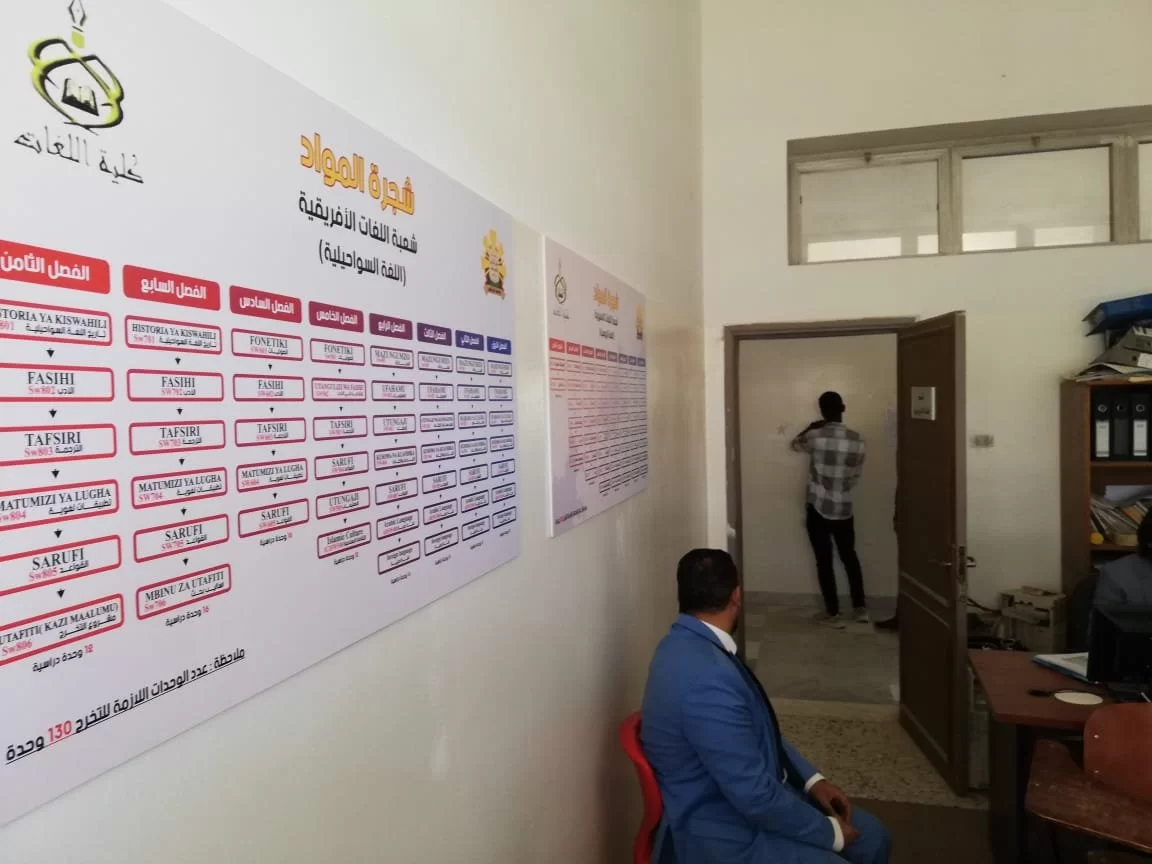
ليسانس لغة سواحيلية
تخصص اللغة السواحيلية

ليسانس لغة سواحيلية...

التفاصيل

من يعمل بـكلية اللغات

يوجد بـكلية اللغات أكثر من 161 عضو هيئة تدريس

staff photo

أ. سارة علي صالح الفرجاني

سارة الفرجاني هي احد اعضاء هيئة التدريس بقسم اللغة الانجليزية بكلية اللغات. تعمل السيدة سارة الفرجاني بجامعة طرابلس كـمحاضر مساعد منذ 2014-01-16 ولها العديد من المنشورات العلمية في مجال تخصصها

منشورات مختارة

بعض المنشورات التي تم نشرها في كلية اللغات

Lexical & Syntactic Characteristics of English Legal Texts & Methodology of Achieving Translation Equivalence in Target Language

Legal translation is considered as part of the technical translation in the field of law. Legal discourse is characterized by the presence of a wide-range terminology which is easy to people familiar with it and difficult to those who are unfamiliar with and with its unique lexical/syntactic features. Translators of legal-related material are expected to hold knowledge of the characteristics of such discourse and methods for achieving equivalence in the target language. This paper is to put focus on the common lexical and syntactic problematic aspects of English legal texts, and to spot light on the methodology of legal translation & process of achieving equivalencein target language, with special reference to functional equivalence being suggested by many theoreticians for reproducing the „legal effect‟ in the target text while preserving the fidelity of the source.Text-foreignization /domestication strategies,the intersemiotic and intrasemiotic translation procedures and the principle of fidelity to the source legal text are some other aspects to be tackled arabic 18 English 110
Thuraya Bashir El-Wifati(2-2018)
Publisher's website

Using Address Terms in showing Politeness with Reference to Their Translation from Arabic into English

This paper aims to investigate the translation of address terms between Arabic and English. Those terms belong to different systems in both languages. Certain characteristics of an address term in one culture tend to be lost when translated into another. Therefore, politeness theory will be used in order to find out whether the politeness intended by using an address term is transferred into the target language or not. For this study, a number of address terms are selected from a novel, Madiq Alley. Those terms are delivered to a number of subjects in a questionnaire. The analysis points out the use of such systems and how each system applies different politeness strategies to show respect and deference. The findings indicate that some patterns of face-work are lost in the translation process and that the relational terms of address are more challenging to translate than the absolute ones.
Hamza Ethelb(7-2015)
Publisher's website

Variabilité socioacoustique: les hommes et les femmes face à la pharyngalisation

This study is about the differences in articulations between men and women in Libyan Arabic from Tripoli and the social power structure of these differences. The corpus used is a list of words with consonants having strong distinctive values to a social point of view between men and women, i.e., pharyngealized consonants / s ˁ, t ˁ, d ˁ/and nonpharyngealized consonants /s, t, d/. Gender differences will be treated here through values of frequencyof the tow first formants [F1, F2] of the vowels /i, u, a/ which are linked to the pharyngealized and nonpharyngealized consonants. The results show significant differences between men and women and these differences are caused by social distinctions
Fathi Salem Terfas(1-2014)
Publisher's website

المجلات العلمية

بعض المجلات العلمية التي تصدر عن كلية اللغات

وثائق تهمك