كلية اللغات

المزيد ...

حول كلية اللغات

في العام الدراسي 1987/1986م تأسست كلية اللغات تحت اسم مركز اللغات، في سنة 1988م صدر قرار اللجنة الشعبية العامة (سابقا) رقم 245 لسنة 1988م بتسمية المركز بإسم كلية اللغات، في العام 2002م أدمجت كلية اللغات وكلية العلوم الاجتماعية والتطبيقية وكلية التربية تحت مسمى "كلية الآداب".


في بداية فصل الخريف من العام الجامعي 2009/2008م أعيد نشاط كلية اللغات الأكاديمي في جميع مراحله عملاً بقرار اللجنة الشعبية العامة (سابقاً) رقم 535 لعام 2007م بشأن إعادة تنظيم الجامعات والمعاهد العليا، ومن ثم تم فصل أقسام اللغات جميعها "طلاباً وأساتذة" والتي كانت مندمجة في كلية الآداب.


كلية اللغات في عصرها الثاني تضم ستة أقسام هي:


اللغة العربية.

اللغة الإنجليزية.

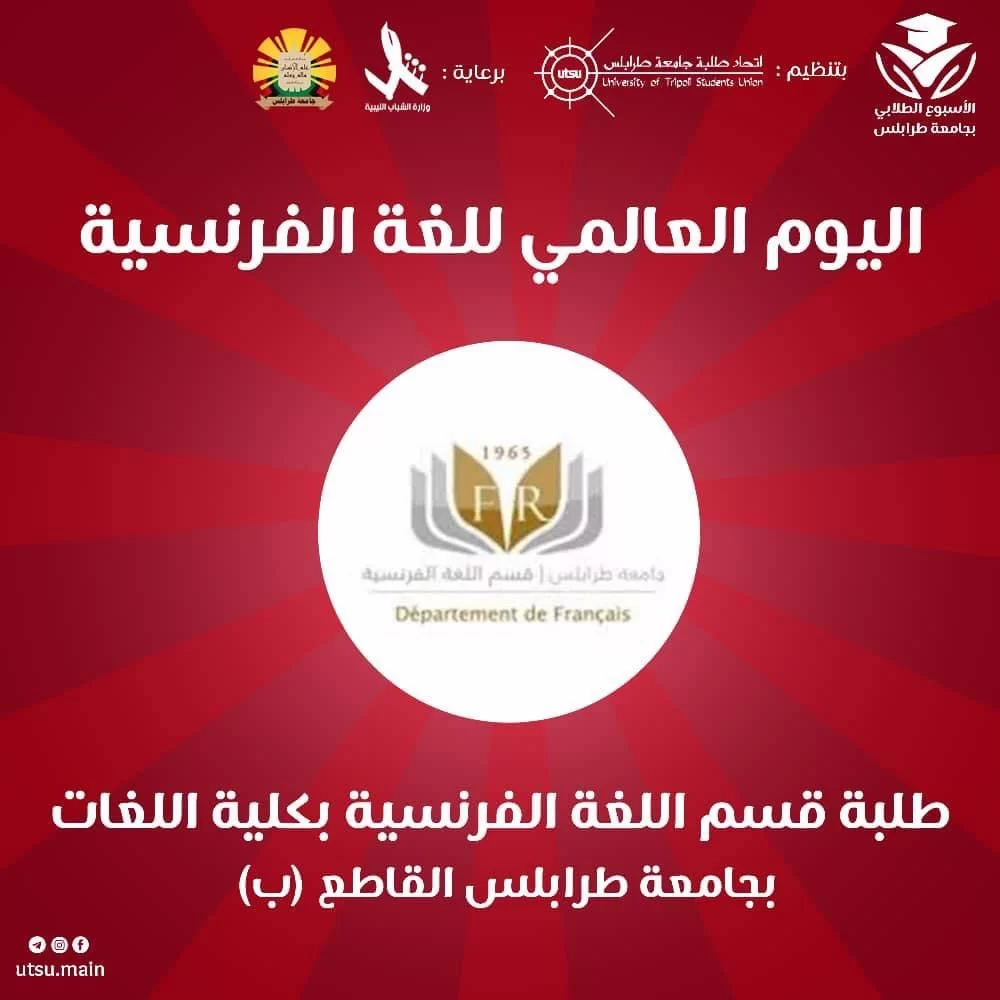
اللغة الفرنسية.

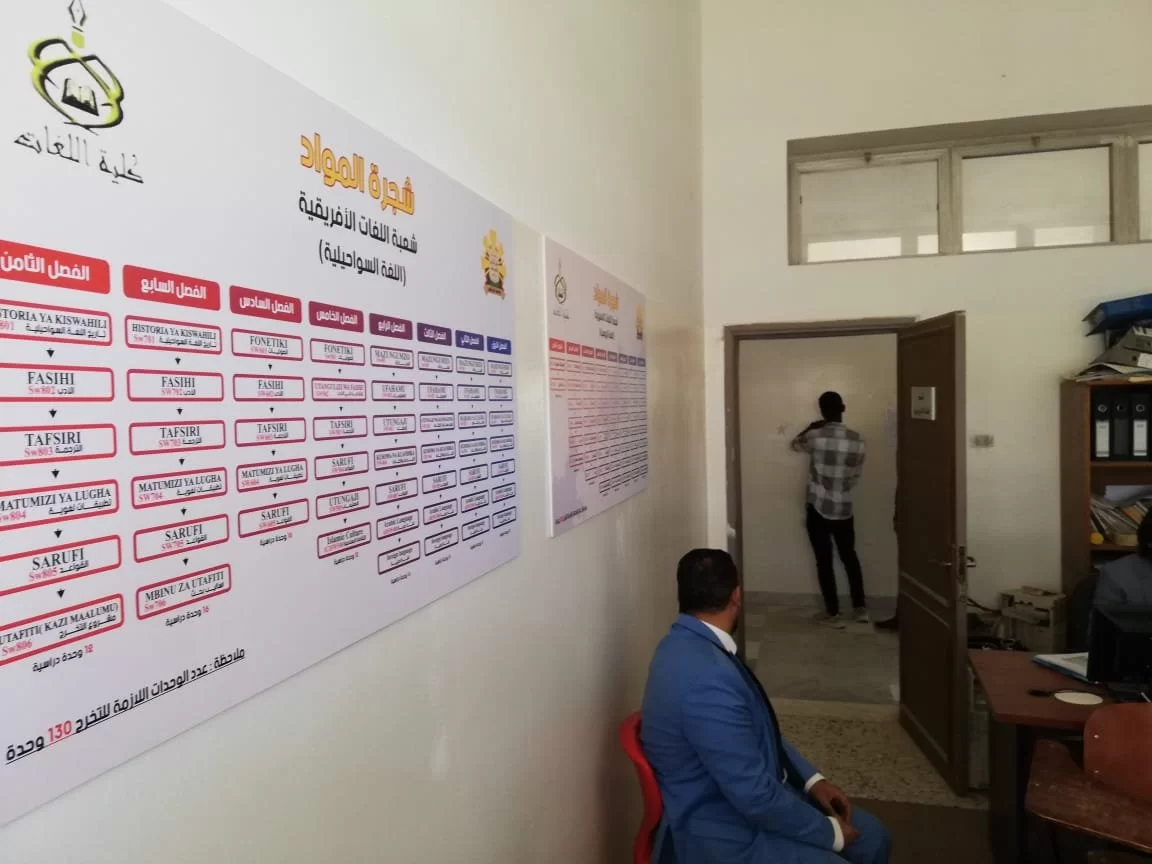
اللغات الأفريقية.

اللغة الإسبانية.

اللغة الايطالية.

قسم الترجمة

حقائق حول كلية اللغات

نفتخر بما نقدمه للمجتمع والعالم

82

المنشورات العلمية

161

هيئة التدريس

5048

الطلبة

48

الخريجون

المزيد من الأخبار

البرامج الدراسية

ليسانس لغة فرنسية
تخصص اللغة الفرنسية

يهدف البرنامج الي تأهيل مختصين في اللغة الفرنسية وذلك عن طريق مسيرة دراسية تمتد علي...

التفاصيل
ماجستير لغة فرنسية
تخصص اللغة الفرنسية

...

التفاصيل
ليسانس لغة سواحيلية
تخصص اللغة السواحيلية

ليسانس لغة سواحيلية...

التفاصيل

من يعمل بـكلية اللغات

يوجد بـكلية اللغات أكثر من 161 عضو هيئة تدريس

staff photo

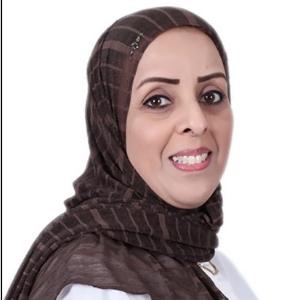
أ. سامية خليفة أحمد عبدالله

سامية المحمودي هي احد اعضاء هيئة التدريس بقسم الترجمة والتعريب بكلية اللغات. تعمل السيدة سامية المحمودي بجامعة طرابلس كـمحاضر مساعد منذ 2012-04-21 ولها العديد من المنشورات العلمية في مجال تخصصها

منشورات مختارة

بعض المنشورات التي تم نشرها في كلية اللغات

Changing the Structure of Paragraphs and Texts in Arabic: A Case from News Reporting

This study explores the textual alterations of Arabic news structure and how it has been influenced by news texts produced in English. The paper precisely examines sentence, paragraph and text structures in terms of form and content in relation to news translation. It analyses news articles collated from Aljazeera and Al-Arabiya news networks. The collated corpus is translations from English into Arabic by these two media outlets. The analysis showed considerable changes that the form of Arabic textual structures has incurred, especially in the general layout of texts. Although it confirm Hatim’s (1997) text-type categorisation with regard to argumentation in Arabic news texts that Arabic lacks argumentative elements it news content, it exhibited significant shift in internal cohesion, paragraph transitions, and syntactic patterns. These changes could emanate from many other influencing factors, but translation is definitely one.
Hamza Ethelb(7-2019)
Publisher's website

L'enseignement de la prononciation du français aux arabophones : réflexions et suggestions

Amener es apprenants à prononcer les sons d'une langue étrangère d'une manière acceptable est ne tâche qui n'est pas facile pour un enseignant qui de formation au niveau de la phonétique correction. Nous mettons ce petit manuel entre les mains de nos chers collègues afin de les aider dans leur travail quotidien. arabic 18 English 75
Nasser Abdulhamid Younes(1-1992)
Publisher's website

SEMANTIC/SYNTACTIC DISHARMONY & IMPLICATIONS ON QUALITY OF TRANSLATING MEDICAL TEXTS

This paper aims at identifying aspects of disharmony between semantic and syntactic features that result in meaningless medical translated sentences. A special focus is given to Chomsky’s Transformational Generative Theory (T.G. Grammar) that extrapolates the correlation between deep structure (which determines the semantic features of a sentence) and the surface structure (which determines the syntactic structure of a sentence), putting in consideration the importance of achieving harmony between meaning and structure to produce meaningful and accurate translation of the source text (ST) resulting in an acceptable final product (target Text). The investigation of this study also relies on the concept of ‘Selectional Restrictions’ which suggests that certain sets of verbs stand with agreement with certain sets of subjects/objects that subsequently lead to the production of semantically acceptable sentences. Accordingly, it is imperative to touch upon aspects related to the Componential Analysis Theory where the meaning of a word is expressed with the assistance of (+) and (-) markers. I consider this study to be unique and innovative as it applies such prominent semantic theories, for the first time, with the craft of translation, offering real concrete examples extracted from practical translation tasks performed by students of Translation Dept., Faculty of Languages- University of Tripoli. Worth mentioning, that a piece of a translation is proved to be correct when semantic/syntactic harmony is achieved and where the message of the source text (ST) is being effectively communicated in the target text (TT). On the contrary, any disharmony between deep/surface structures found would seriously undermine the quality and correctness of a translation product. Key Words: Source Text (ST) - Target Text (TT) – Deep Structure – Surface structure - Selectional restrictions arabic 11 English 73
ثريا البشير محمد الويفاتي(12-2020)
Publisher's website

المجلات العلمية

بعض المجلات العلمية التي تصدر عن كلية اللغات

وثائق تهمك