كلية اللغات

المزيد ...

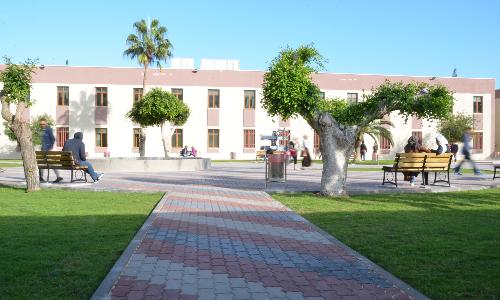
حول كلية اللغات

في العام الدراسي 1987/1986م تأسست كلية اللغات تحت اسم مركز اللغات، في سنة 1988م صدر قرار اللجنة الشعبية العامة (سابقا) رقم 245 لسنة 1988م بتسمية المركز بإسم كلية اللغات، في العام 2002م أدمجت كلية اللغات وكلية العلوم الاجتماعية والتطبيقية وكلية التربية تحت مسمى "كلية الآداب".


في بداية فصل الخريف من العام الجامعي 2009/2008م أعيد نشاط كلية اللغات الأكاديمي في جميع مراحله عملاً بقرار اللجنة الشعبية العامة (سابقاً) رقم 535 لعام 2007م بشأن إعادة تنظيم الجامعات والمعاهد العليا، ومن ثم تم فصل أقسام اللغات جميعها "طلاباً وأساتذة" والتي كانت مندمجة في كلية الآداب.


كلية اللغات في عصرها الثاني تضم ستة أقسام هي:


اللغة العربية.

اللغة الإنجليزية.

اللغة الفرنسية.

اللغات الأفريقية.

اللغة الإسبانية.

اللغة الايطالية.

قسم الترجمة

حقائق حول كلية اللغات

نفتخر بما نقدمه للمجتمع والعالم

82

المنشورات العلمية

161

هيئة التدريس

5048

الطلبة

48

الخريجون

المزيد من الأخبار

البرامج الدراسية

ليسانس لغة فرنسية
تخصص اللغة الفرنسية

يهدف البرنامج الي تأهيل مختصين في اللغة الفرنسية وذلك عن طريق مسيرة دراسية تمتد علي...

التفاصيل
ماجستير لغة فرنسية
تخصص اللغة الفرنسية

...

التفاصيل
ليسانس لغة سواحيلية
تخصص اللغة السواحيلية

ليسانس لغة سواحيلية...

التفاصيل

من يعمل بـكلية اللغات

يوجد بـكلية اللغات أكثر من 161 عضو هيئة تدريس
staff photo

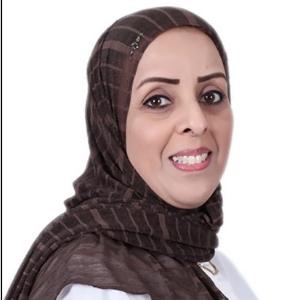
أ. نادية سعيد السيفاو بن حامد

نادية سعيد بن حامد هي احد اعضاء هيئة التدريس بقسم اللغة الانجليزية بكلية اللغات, جامعة طرابلس. ماجستير لغة إنجليزية _ تخصص علم اللغة التطبيقي. 2010. الدرجة العلمية أستاذ مساعد منذ 2020. تعمل الاستاذة نادية بجامعة طرابلس منذ 2011 إلى تاريخ هذا اليوم ،،ولها أوراق بحثية مختلفة في مجال تخصصها العلمي.

منشورات مختارة

بعض المنشورات التي تم نشرها في كلية اللغات

Hidden Hands: An Institutional Force in Political News Translation

This article explores translation in news institutions. While being heavily relied on by media organizations, translation is rarely acknowledged. Translation is deeply interwoven with news in that it is used to employ ideological tendencies and political agendas. This study investigates the powerful role of media institution as a force that intervenes in producing news reports. It uses a questionnaire and interviews to see the influence of editors in the translation of news texts. For this purpose, the views of 21 news translators, journalists and news were surveyed to infer the role of institutions in translation. The study looks at this role from different angles including translator training, instructions given to translators, textual alterations, and policies of news institutions. The findings indicate that intervention by the editors and producers on translation is taking place. The interview participants tend to agree with the intervention of the institution. The questionnaire respondents agree with the statement that translators are given instructions to use specific terminology but disagree with a statement that they have to comply with the policies of the institution.
Hamza Ethelb(5-2020)
Publisher's website

The Role of Using Vocabulary Learning Strategies in Vocabulary Learning And the Learnersꞌ Attitudes Towards Them

Abstract Biocides (disinfectants and antiseptics) are used extensively in hospitals and other health care settings for a variety of applications. However, their antibacterial effectiveness is not always well stated by the manufacturers and consumers find it difficult to choose the right product according to their needs. Therefore, the aim of this study was to evaluate practically achieves disinfection efficacy of locally available disinfectants and antiseptics on surfaces and infectious microbiological utilities of Tripoli Medical Center (TMC). Fourteen biocides; Ten disinfectants (Dex36, Dex50, Dex53, Mzid-S, Mzid-AF, Deson, Dettol, Seem, Chlor and Wipol) and four antiseptics (HiBi, Esept, Emed and Desman) were tested at concentrations recommended by manufacturers on surfaces, walls and different utilities that were contaminated by locally circulating six isolates of Bacillus cereus, Staphylococcus haemolyticus, staphylococcus aureus, Klebscilla pneumonia, Acinetobacter baumannii, and Pseudomonas aeruginosa using four standard evaluation test procedures (capacity test, diffusion test, in-use test and suspension test). Results showed the highest average log reduction (7.4) of test bacteria was given by quaternary ammonium based disinfectants; Dex50, Dex53, Deson-AF and Mzid-S. A comparable average log reduction of test bacteria was noted (7.0, 7.2 and 7.3) for Deson-AF, Dex.50 and Dex.53 respectively. In contrast HiBi as an alcoholic based antiseptic gave the highest average log reduction (7.2) against tested bacteria. Desman, Emed and Wipol antiseptics had poor antibacterial activity on tested bacteria causing almost undetectable log reduction in cell viability. From contamination point of view, five critical departments in Tripoli Medical Centre (TMC) namely; Neonatal Intensive Care Unit (ICU), Surgical ICU, Dermatology, Oncology, and Urology departments were found contaminated with six types of bacteria. Bacillus cereuses followed by Klebscilla pneumonia were the most bacteria spread in whole five mentioned departments, particularly in dermatology department. Staphylococcus haemolyticus was next most widespread bacterium and almost isolated equally from the five medical departments. Acinetobacter baumannii had been isolated from Neonatal ICU; whereas Staphylococcus aureus and Pseudomonas aeruginosa had been isolated from Oncology Department and Surgical ICU respectively. In addition, Dex36, Chlor, Chlor, Wipol, Desman and E-med exhibited bacterial contamination in both capacity and in-use tests. In conclusions, quaternary ammonium compounds (QACs) and combination of QACs with aldehyde formulations were found to be the best disinfectants for disinfection of contaminated surfaces.
عتيقة صالح الهادي (2016)
Publisher's website

Dialects on Screen: Translating Jordanian Dialect into English The Case of Captain Abu Raed Film

This article explores the translation of dialects on-screen within the Jordanian context. Such place of translation is arguably one of the most challenging areas of translation, yet interesting due to its variety. Arab peoples use their dialects to express their opinions on several platforms, including TV media. Audiovisual translation research is growing in investigating subtitling Arabic dialects and languages on screen. Scholars propose a dialect-to-dialect approach or a dialect-to-standard approach. However, in this paper the focus is more on the strategies which inevitably fall within those approaches. The study uses a Jordanian film known as Captain Abu Raed as a source of highlighting and demonstrating translation of dialects within an Arabic context. The initial findings show that some dialectal expressions are taken off or sacrificed by replacing them with neutralized standard language.
Hamza Ethelb(10-2019)
Publisher's website

المجلات العلمية

بعض المجلات العلمية التي تصدر عن كلية اللغات

وثائق تهمك