كلية اللغات

المزيد ...

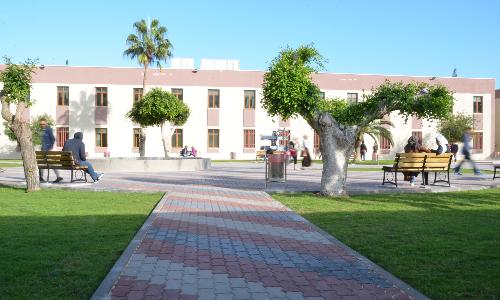
حول كلية اللغات

في العام الدراسي 1987/1986م تأسست كلية اللغات تحت اسم مركز اللغات، في سنة 1988م صدر قرار اللجنة الشعبية العامة (سابقا) رقم 245 لسنة 1988م بتسمية المركز بإسم كلية اللغات، في العام 2002م أدمجت كلية اللغات وكلية العلوم الاجتماعية والتطبيقية وكلية التربية تحت مسمى "كلية الآداب".


في بداية فصل الخريف من العام الجامعي 2009/2008م أعيد نشاط كلية اللغات الأكاديمي في جميع مراحله عملاً بقرار اللجنة الشعبية العامة (سابقاً) رقم 535 لعام 2007م بشأن إعادة تنظيم الجامعات والمعاهد العليا، ومن ثم تم فصل أقسام اللغات جميعها "طلاباً وأساتذة" والتي كانت مندمجة في كلية الآداب.


كلية اللغات في عصرها الثاني تضم ستة أقسام هي:


اللغة العربية.

اللغة الإنجليزية.

اللغة الفرنسية.

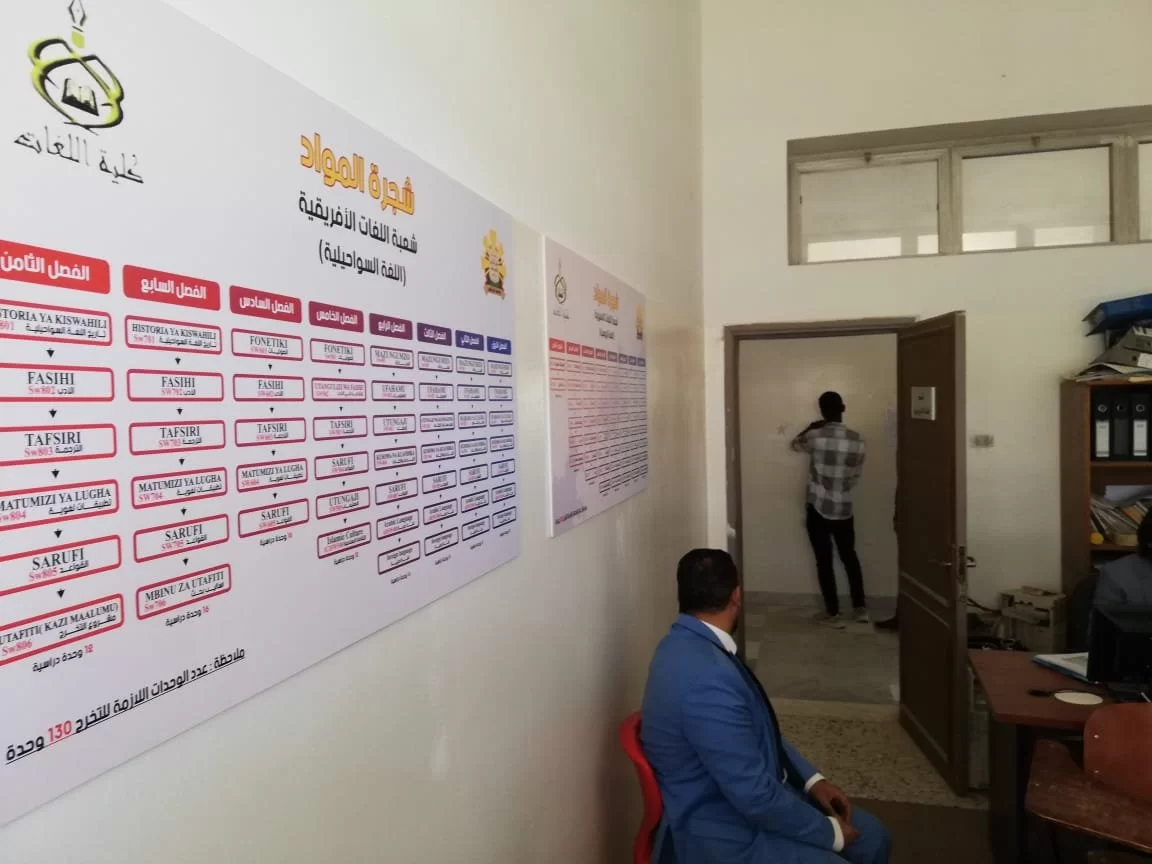
اللغات الأفريقية.

اللغة الإسبانية.

اللغة الايطالية.

قسم الترجمة

حقائق حول كلية اللغات

نفتخر بما نقدمه للمجتمع والعالم

82

المنشورات العلمية

161

هيئة التدريس

5048

الطلبة

48

الخريجون

المزيد من الأخبار

البرامج الدراسية

ليسانس لغة فرنسية
تخصص اللغة الفرنسية

يهدف البرنامج الي تأهيل مختصين في اللغة الفرنسية وذلك عن طريق مسيرة دراسية تمتد علي...

التفاصيل
ماجستير لغة فرنسية
تخصص اللغة الفرنسية

...

التفاصيل
ليسانس لغة سواحيلية
تخصص اللغة السواحيلية

ليسانس لغة سواحيلية...

التفاصيل

من يعمل بـكلية اللغات

يوجد بـكلية اللغات أكثر من 161 عضو هيئة تدريس

staff photo

أ. نادية سعيد السيفاو بن حامد

نادية سعيد بن حامد هي احد اعضاء هيئة التدريس بقسم اللغة الانجليزية بكلية اللغات, جامعة طرابلس. ماجستير لغة إنجليزية _ تخصص علم اللغة التطبيقي. 2010. الدرجة العلمية أستاذ مساعد منذ 2020. تعمل الاستاذة نادية بجامعة طرابلس منذ 2011 إلى تاريخ هذا اليوم ،،ولها أوراق بحثية مختلفة في مجال تخصصها العلمي.

منشورات مختارة

بعض المنشورات التي تم نشرها في كلية اللغات

Problems Encountered in Teaching English as a Foreign Language to Large Classes in Libyan Primary Schools

Abtracts: Large English classes can cause many problems for the teacher and the young learners. It may seem impossible in such classes to organize dynamic and creative teaching and learning sessions. For example, it is impossible for the teacher in such classes to ensure individual participation of the young learners in the process of language practice and language use. Large classes can never be suitable for dealing with the new demands of language teaching. In other words, large classes cannot facilitate accomplishing teaching and learning based on the principles underlying communicative approach adopted in the primary 5 and 6 textbook, which is intended to build up the learner's confidence in going from organizing information to using the different language skills. The study examines the negative effects of the large number of young learners in the classroom. It intends to shed light on problems encountered in teaching English as a foreign language for communication to such classes. Research procedure and techniques to be used to collect data required for this study will be fulfilled by the use of teacher's questionnaire, as well as data drawn from informal interviews with English teachers in some primary schools in Tripoli. The actual teaching environment in primary schools is unsuitable for teaching English as a foreign language to young learners and at the same time, it prevents pupils from learning English properly. This is because most of the classes which have been visited and observed were crowded with large number of pupils. It has been noticed that this situation was problematic and uncomfortable for both the teachers and the pupils. Teaching English as a foreign language for communication to young learners requires small number of pupils in each class for the process to be successful. Young learners need special teachers' care and attention. They need enough time for each learner to practise the language and perform the various activities. Therefore, it has been recommended that large classes must be reduced to normal-size classes.
أسماء محمد أبوصاع (2010)
Publisher's website

Causes of Problems Encountered by 3rd Year Preparatory Libyan Pupils in Learning how to Write English

Abstract: With limited classroom, time, in appropriate approaches used in dealing with writing, can cause many problems for teachers and learners. In addition, in the perception of many teachers and some learners writing in English, is not within the scope of their objectives in the first place. A language program and teachers using it may not view time used in writing in classes as well time spent, preferring the time to be spent on more active aspects of language learning, such as learning the language grammar and vocabulary. Unlike speaking and reading, writing is generally a silent reflective activity, “especially productive writing”. Also, many teachers regard emphasizing the development of the learners writing ability as something that takes care of itself, or as a side matter that can be taken care of in the form of an occasional homework. In fewer words writing is less fortunate as well as the other productive skill “speaking in relation to the perceptive skill" listening and speaking "in teaching language. This research attempts to find an answer to the following question: “why do English learners in preparatory schools in Libya fail to learn to write? Therefore, it aims at finding, and pointing out the causes of the problems that face 3rd year preparatory learners in acquiring the ability to write English properly, that is, from the linguistic and educational perspective.
نجاة علي بن غزالة (2012)
Publisher's website

Difficoltà che gli studenti di lingua araba nel pronunciare correttamente l’italiano

عنوان البحث هوصعوبات تواجه الطالب الليبين في نطق اللغة االيطالية بطريقة صحيحة, مع تحليل وضع نطق اللغة االيطالية في قسم اللغة االيطالية بجامعة طرابلس ليبيا, واهميته تسهيل تعلم نطق اللغة االيطالية بطريقة صحيحة, والمشكلة التي يسعى البحث لحلها او لمسها هى في مدى قدرة الطالب علي استيعاب علم الصوتيات الذي تنعكس عليه بشكل ايجابي وذلك من خالل النطق السليم لمخارج الحروف واألصوات, والهدف الذي يشير له البحث هو تقليل الصعوبات أمام متعلمي اللغة االيطالية لغير الناطقين بها.
Taher Lashter(3-2021)
Publisher's website

المجلات العلمية

بعض المجلات العلمية التي تصدر عن كلية اللغات

وثائق تهمك