كلية اللغات

المزيد ...

حول كلية اللغات

في العام الدراسي 1987/1986م تأسست كلية اللغات تحت اسم مركز اللغات، في سنة 1988م صدر قرار اللجنة الشعبية العامة (سابقا) رقم 245 لسنة 1988م بتسمية المركز بإسم كلية اللغات، في العام 2002م أدمجت كلية اللغات وكلية العلوم الاجتماعية والتطبيقية وكلية التربية تحت مسمى "كلية الآداب".


في بداية فصل الخريف من العام الجامعي 2009/2008م أعيد نشاط كلية اللغات الأكاديمي في جميع مراحله عملاً بقرار اللجنة الشعبية العامة (سابقاً) رقم 535 لعام 2007م بشأن إعادة تنظيم الجامعات والمعاهد العليا، ومن ثم تم فصل أقسام اللغات جميعها "طلاباً وأساتذة" والتي كانت مندمجة في كلية الآداب.


كلية اللغات في عصرها الثاني تضم ستة أقسام هي:


اللغة العربية.

اللغة الإنجليزية.

اللغة الفرنسية.

اللغات الأفريقية.

اللغة الإسبانية.

اللغة الايطالية.

قسم الترجمة

حقائق حول كلية اللغات

نفتخر بما نقدمه للمجتمع والعالم

82

المنشورات العلمية

161

هيئة التدريس

5048

الطلبة

48

الخريجون

المزيد من الأخبار

البرامج الدراسية

ليسانس لغة فرنسية
تخصص اللغة الفرنسية

يهدف البرنامج الي تأهيل مختصين في اللغة الفرنسية وذلك عن طريق مسيرة دراسية تمتد علي...

التفاصيل
ماجستير لغة فرنسية
تخصص اللغة الفرنسية

...

التفاصيل
ليسانس لغة سواحيلية
تخصص اللغة السواحيلية

ليسانس لغة سواحيلية...

التفاصيل

من يعمل بـكلية اللغات

يوجد بـكلية اللغات أكثر من 161 عضو هيئة تدريس
staff photo

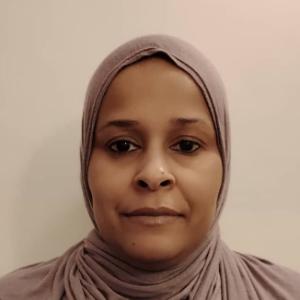
د. غادة الهادي احمد بن الامام

غادة الامام هي احد اعضاء هيئة التدريس بقسم اللغة الفرنسية بكلية اللغات. تعمل السيدة غادة الامام بجامعة طرابلس كـاستاذ مساعد منذ 2016-12-16 ولها العديد من المنشورات العلمية في مجال تخصصها

منشورات مختارة

بعض المنشورات التي تم نشرها في كلية اللغات

Using Short Stories in Teaching English to Libyan learners

Abctract: The aim of this study is to investigate and demonstrate the role of using short stories in teaching English to adult Libyan learners, and to outline the results of integrating this genre of literature on the learners' four language skills. This study traces back the use of literature in general, and short stories in specific on teaching English as EFL and ESL. Moreover, it illustrates the benefits and drawbacks of using stories as supplementary materials in teaching. Also, it suggests various activities to be used in the language classroom to enhance the learners' receptive and productive skills. Furthermore, it discusses the results of using short stories in teaching English to Libyan learners and how did they respond to different literary texts. On the basis of the results of this research, the researcher hopes to show all English teachers in Libya the importance of making use of short stories in teaching, as it results in the enhancement of the learners' language skills and makes the learning and teaching processes more collaborative and enriching not just in language, but also in terms of motivating the learner, broadening his insights, and improving his critical thinking, learning autonomy and creativity. The methodology followed was based on the researcher's personal observation in teaching two experimental classes with two different levels using short stories as supplementary materials. In opposition to teaching other classes with the same language levels but without using 3 any short stories in the teaching process. The results noticed from the learners' home works, language competence and classroom activities showed that the two experimental classes' language abilities enhanced noticeably far more than the other classes.
فاطمة محمد دلة (2015)
Publisher's website

Hidden Hands: An Institutional Force in Political News Translation

This article explores translation in news institutions. While being heavily relied on by media organizations, translation is rarely acknowledged. Translation is deeply interwoven with news in that it is used to employ ideological tendencies and political agendas. This study investigates the powerful role of media institution as a force that intervenes in producing news reports. It uses a questionnaire and interviews to see the influence of editors in the translation of news texts. For this purpose, the views of 21 news translators, journalists and news were surveyed to infer the role of institutions in translation. The study looks at this role from different angles including translator training, instructions given to translators, textual alterations, and policies of news institutions. The findings indicate that intervention by the editors and producers on translation is taking place. The interview participants tend to agree with the intervention of the institution. The questionnaire respondents agree with the statement that translators are given instructions to use specific terminology but disagree with a statement that they have to comply with the policies of the institution.
Hamza Ethelb(5-2020)
Publisher's website

analyse des limites du traitement automatique de langue (correcteur automatique)

L’usage des correcteurs orthographiques s’est répandu dans le monde de l’édition. On ne trouve plus de PC dont les traitements de texte en soient dépourvus. La correction s’est imposée dans le milieu industriel, la composition des journaux, dans l’édition en général. On les trouve dans les langages contrôlés où ils aident à la rédaction non ambiguë de textes scientifiques et techniques. Ils soulignent les mots estimés défectueux, et aussitôt la bonne forme trouvée, le soulignement disparaît. Que c’est pratique! Mais le traitement se cantonne à l’orthographe du mot. Ils intègrent les mots de la langue standard, des langues de spécialité, les néologismes les plus récents, les expressions figées, les collocations, les proverbes, les noms propres de lieux, de pays, de personnes, de sociétés, d’évènements historiques, les sigles, les troncations etc. On souhaite aller au-delà, les correcteurs doivent prendre en compte les fautes de grammaire. Il est possible aujourd’hui de voir affichées les formes possibles, voire une règle de grammaire avec un exemple pour aider l’utilisateur. Mais ce qu’il faudrait, ce sont des correcteurs intelligents capables de rectifier à coup sûr le passage défectueux, de donner une explication et être aussi efficaces que le correcteur expert.
Ghada BENELIMAM(3-2019)
Publisher's website

المجلات العلمية

بعض المجلات العلمية التي تصدر عن كلية اللغات

وثائق تهمك