كلية اللغات

المزيد ...

حول كلية اللغات

في العام الدراسي 1987/1986م تأسست كلية اللغات تحت اسم مركز اللغات، في سنة 1988م صدر قرار اللجنة الشعبية العامة (سابقا) رقم 245 لسنة 1988م بتسمية المركز بإسم كلية اللغات، في العام 2002م أدمجت كلية اللغات وكلية العلوم الاجتماعية والتطبيقية وكلية التربية تحت مسمى "كلية الآداب".


في بداية فصل الخريف من العام الجامعي 2009/2008م أعيد نشاط كلية اللغات الأكاديمي في جميع مراحله عملاً بقرار اللجنة الشعبية العامة (سابقاً) رقم 535 لعام 2007م بشأن إعادة تنظيم الجامعات والمعاهد العليا، ومن ثم تم فصل أقسام اللغات جميعها "طلاباً وأساتذة" والتي كانت مندمجة في كلية الآداب.


كلية اللغات في عصرها الثاني تضم ستة أقسام هي:


اللغة العربية.

اللغة الإنجليزية.

اللغة الفرنسية.

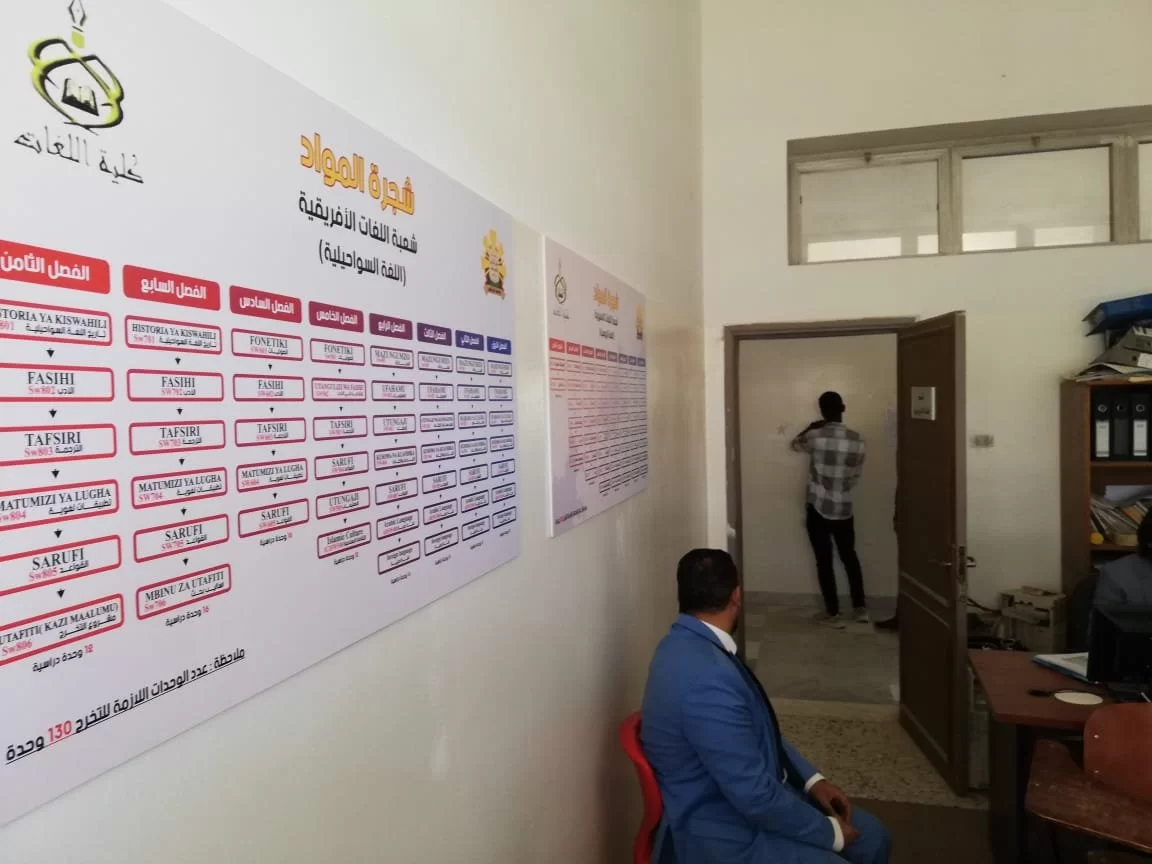
اللغات الأفريقية.

اللغة الإسبانية.

اللغة الايطالية.

قسم الترجمة

حقائق حول كلية اللغات

نفتخر بما نقدمه للمجتمع والعالم

82

المنشورات العلمية

161

هيئة التدريس

5048

الطلبة

48

الخريجون

المزيد من الأخبار

البرامج الدراسية

ليسانس لغة فرنسية
تخصص اللغة الفرنسية

يهدف البرنامج الي تأهيل مختصين في اللغة الفرنسية وذلك عن طريق مسيرة دراسية تمتد علي...

التفاصيل
ماجستير لغة فرنسية
تخصص اللغة الفرنسية

...

التفاصيل
ليسانس لغة سواحيلية
تخصص اللغة السواحيلية

ليسانس لغة سواحيلية...

التفاصيل

من يعمل بـكلية اللغات

يوجد بـكلية اللغات أكثر من 161 عضو هيئة تدريس

staff photo

أ. توفيق محمد علي ابولبيدة

L'importance et les avantages d'utiliser les TICE en classe de FLE

منشورات مختارة

بعض المنشورات التي تم نشرها في كلية اللغات

analyse des limites du traitement automatique de langue (correcteur automatique)

L’usage des correcteurs orthographiques s’est répandu dans le monde de l’édition. On ne trouve plus de PC dont les traitements de texte en soient dépourvus. La correction s’est imposée dans le milieu industriel, la composition des journaux, dans l’édition en général. On les trouve dans les langages contrôlés où ils aident à la rédaction non ambiguë de textes scientifiques et techniques. Ils soulignent les mots estimés défectueux, et aussitôt la bonne forme trouvée, le soulignement disparaît. Que c’est pratique! Mais le traitement se cantonne à l’orthographe du mot. Ils intègrent les mots de la langue standard, des langues de spécialité, les néologismes les plus récents, les expressions figées, les collocations, les proverbes, les noms propres de lieux, de pays, de personnes, de sociétés, d’évènements historiques, les sigles, les troncations etc. On souhaite aller au-delà, les correcteurs doivent prendre en compte les fautes de grammaire. Il est possible aujourd’hui de voir affichées les formes possibles, voire une règle de grammaire avec un exemple pour aider l’utilisateur. Mais ce qu’il faudrait, ce sont des correcteurs intelligents capables de rectifier à coup sûr le passage défectueux, de donner une explication et être aussi efficaces que le correcteur expert.
Ghada BENELIMAM(3-2019)
Publisher's website

Problems Encountered in Teaching English as a Foreign Language to Large Classes in Libyan Primary Schools

Abtracts: Large English classes can cause many problems for the teacher and the young learners. It may seem impossible in such classes to organize dynamic and creative teaching and learning sessions. For example, it is impossible for the teacher in such classes to ensure individual participation of the young learners in the process of language practice and language use. Large classes can never be suitable for dealing with the new demands of language teaching. In other words, large classes cannot facilitate accomplishing teaching and learning based on the principles underlying communicative approach adopted in the primary 5 and 6 textbook, which is intended to build up the learner's confidence in going from organizing information to using the different language skills. The study examines the negative effects of the large number of young learners in the classroom. It intends to shed light on problems encountered in teaching English as a foreign language for communication to such classes. Research procedure and techniques to be used to collect data required for this study will be fulfilled by the use of teacher's questionnaire, as well as data drawn from informal interviews with English teachers in some primary schools in Tripoli. The actual teaching environment in primary schools is unsuitable for teaching English as a foreign language to young learners and at the same time, it prevents pupils from learning English properly. This is because most of the classes which have been visited and observed were crowded with large number of pupils. It has been noticed that this situation was problematic and uncomfortable for both the teachers and the pupils. Teaching English as a foreign language for communication to young learners requires small number of pupils in each class for the process to be successful. Young learners need special teachers' care and attention. They need enough time for each learner to practise the language and perform the various activities. Therefore, it has been recommended that large classes must be reduced to normal-size classes.
أسماء محمد أبوصاع (2010)
Publisher's website

Les effets coarticulatoires du contexte consonantique sur les voyelles

Dans la présente étude, nous allons essayer d’aller plus loin dans le domaine de la phonétique acoustique, c’est -à dire que nous allons analyser les effets coarticulatoires des sons à travers la distance existante entre les deux premiers formants [F1 et F2] désormais [fv] des voyelles et de leur entourage consonantique pharyngalisé : /tˁ, dˁ, sˁ/ et non pharyngalisé : /t, d, s/ .
Fathi Salam Terfas(1-2017)
Publisher's website

المجلات العلمية

بعض المجلات العلمية التي تصدر عن كلية اللغات

وثائق تهمك