كلية اللغات

المزيد ...

حول كلية اللغات

في العام الدراسي 1987/1986م تأسست كلية اللغات تحت اسم مركز اللغات، في سنة 1988م صدر قرار اللجنة الشعبية العامة (سابقا) رقم 245 لسنة 1988م بتسمية المركز بإسم كلية اللغات، في العام 2002م أدمجت كلية اللغات وكلية العلوم الاجتماعية والتطبيقية وكلية التربية تحت مسمى "كلية الآداب".


في بداية فصل الخريف من العام الجامعي 2009/2008م أعيد نشاط كلية اللغات الأكاديمي في جميع مراحله عملاً بقرار اللجنة الشعبية العامة (سابقاً) رقم 535 لعام 2007م بشأن إعادة تنظيم الجامعات والمعاهد العليا، ومن ثم تم فصل أقسام اللغات جميعها "طلاباً وأساتذة" والتي كانت مندمجة في كلية الآداب.


كلية اللغات في عصرها الثاني تضم ستة أقسام هي:


اللغة العربية.

اللغة الإنجليزية.

اللغة الفرنسية.

اللغات الأفريقية.

اللغة الإسبانية.

اللغة الايطالية.

قسم الترجمة

حقائق حول كلية اللغات

نفتخر بما نقدمه للمجتمع والعالم

82

المنشورات العلمية

161

هيئة التدريس

5048

الطلبة

48

الخريجون

المزيد من الأخبار

البرامج الدراسية

ليسانس لغة فرنسية
تخصص اللغة الفرنسية

يهدف البرنامج الي تأهيل مختصين في اللغة الفرنسية وذلك عن طريق مسيرة دراسية تمتد علي...

التفاصيل
ماجستير لغة فرنسية
تخصص اللغة الفرنسية

...

التفاصيل
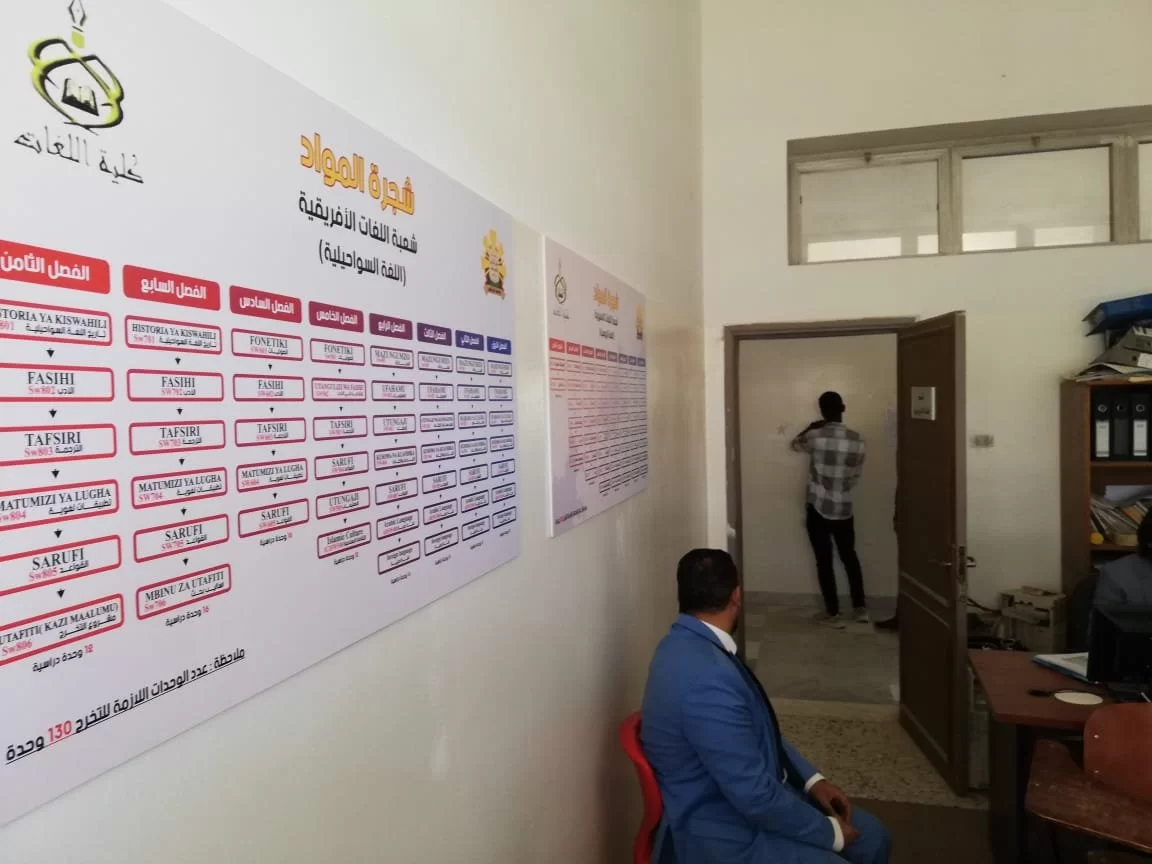
ليسانس لغة سواحيلية
تخصص اللغة السواحيلية

ليسانس لغة سواحيلية...

التفاصيل

من يعمل بـكلية اللغات

يوجد بـكلية اللغات أكثر من 161 عضو هيئة تدريس

staff photo

أ. توفيق محمد علي ابولبيدة

L'importance et les avantages d'utiliser les TICE en classe de FLE

منشورات مختارة

بعض المنشورات التي تم نشرها في كلية اللغات

SEMANTIC/SYNTACTIC DISHARMONY & IMPLICATIONS ON QUALITY OF TRANSLATING MEDICAL TEXTS

This paper aims at identifying aspects of disharmony between semantic and syntactic features that result in meaningless medical translated sentences. A special focus is given to Chomsky’s Transformational Generative Theory (T.G. Grammar) that extrapolates the correlation between deep structure (which determines the semantic features of a sentence) and the surface structure (which determines the syntactic structure of a sentence), putting in consideration the importance of achieving harmony between meaning and structure to produce meaningful and accurate translation of the source text (ST) resulting in an acceptable final product (target Text). The investigation of this study also relies on the concept of ‘Selectional Restrictions’ which suggests that certain sets of verbs stand with agreement with certain sets of subjects/objects that subsequently lead to the production of semantically acceptable sentences. Accordingly, it is imperative to touch upon aspects related to the Componential Analysis Theory where the meaning of a word is expressed with the assistance of (+) and (-) markers. I consider this study to be unique and innovative as it applies such prominent semantic theories, for the first time, with the craft of translation, offering real concrete examples extracted from practical translation tasks performed by students of Translation Dept., Faculty of Languages- University of Tripoli. Worth mentioning, that a piece of a translation is proved to be correct when semantic/syntactic harmony is achieved and where the message of the source text (ST) is being effectively communicated in the target text (TT). On the contrary, any disharmony between deep/surface structures found would seriously undermine the quality and correctness of a translation product. Key Words: Source Text (ST) - Target Text (TT) – Deep Structure – Surface structure - Selectional restrictions arabic 11 English 73
ثريا البشير محمد الويفاتي(12-2020)
Publisher's website

UN TUFFO NELLA STORIA DELLA LINGUA ITALIANA

يتحدث البحث علي تاريخ مراحل تكون اللغة الايطالية مند سقوط الامبراطورية الرومانية، ثم البيزنطية وظهور ادباء ومثقفون، ظلوا منعكفون في تبسيط اللغة وإختيار الكلمات منها من أصل لاتيني ومنها أصل فولقاري أي لجهة عامية تكونت بعد سقوط الامبراطرية الرومانية. وأن هذه اللغة العامية ثم تطويرها وإستحداثها من قبل الادباء والمثقفين في نهاية القرن الحادي عشرميلادي، بداية ب كبير الادباء الايطاليين دانتي اليقيري، وصولا الي الاديب ألسندرو مانزوني في القرن السادس عشر ميلادي. في المقدمة ذكرت تاريخ اللغة الايطالية وأهميتها والدول التي تتحدثها، الباب الاول يتحدث علي علم الصوتيات والقواعد اللغوية التاريخية وأول المخطوطات المكتشفة المتعلقة بذلك، الباب الثاني خصص لأوئل النصوص الادبية القديمة وبداية الاهتمام بتكوين اللغة الايطالية، الباب الثالث يسرد المواجهات والصراعات في القرن السابع ميلادي وهو نقد إستكمال جميع جوانب اللغة النحوية وإعتماد لهجة مدينة فلورنسا كبداية للغة الايطالية. الخاتمة توضح ان اللغة الايطالية مرت بمراحل صعبة ، عند اعتمادها كلغة لكامل الاراضي الايطالية بعد توحيدها في1861 ميلادي ، ومن ذلك الوقت وأدباء اللغة يهتمون بتحسين اللغة الايطالية من الناحية اللغوية والنحوية ، الدراسات السابقة تبين بالتفصيل مراحل تكون اللغة والصعوبات التي واجهتها ، من الدراسات ندكر ، دراسة كلية الاداب في فلورينسا سنة 1937 ميلادي، و دراسات برونو ميليريني سنة 1960 ميلادي.
Taher Lashter(3-2022)
Publisher's website
L’ambiguïté de la typologie des dialectes arabes étude sociolinguistique et phonétique

Selon les études menées par les sociolinguistes et les dialectologues sur les dialectes arabes ; le terme de « parler arabe » désigne principalement et généralement les dialectes arabes parlés aujourd'hui dans le monde arabe. Certains auteurs comme Versteegh (2001) et Malherbe, (2010) et Salam (2012) et Embarki (2008), les parlers varient principalement selon certains critères de zones géographiques qu'ils recouvrent, et dans ce sens, plusieurs dialectologues ont pu se baser sur ce critère pour les classer. Dans Même sens, d'autres études proposent une classification sociolinguistique de ces parlers. Pour distinguer un parler d'un autre, plusieurs facteurs ont été pris en considération tels que les traits phonético-phonologiques, morphologiques et lexicaux. (Emabrki 2008). En ce qui nous concerne, nous essaierons de nous pencher sur les deux classifications proposés par les dialectologues et sociophonéticiens.
Fathi Salam Terfas(6-2018)
Publisher's website

المجلات العلمية

بعض المجلات العلمية التي تصدر عن كلية اللغات

وثائق تهمك